Published: 22 October 2025. The English Chronicle Desk. The English Chronicle Online.
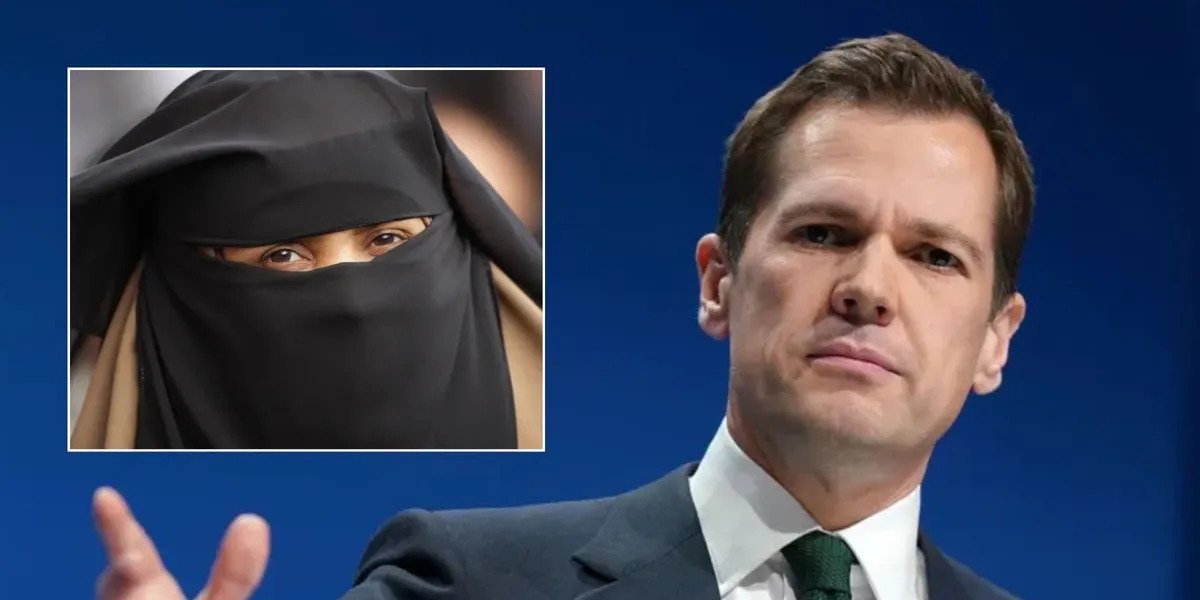
Robert Jenrick, the former Conservative cabinet minister and shadow justice secretary, has come under fire after suggesting that he would support a ban on the burqa in Britain, prompting accusations that his stance is “anti-British” and out of step with national values.
Jenrick, who is widely tipped as a potential successor to Conservative Party leader Kemi Badenoch, referenced Italy as a model, pointing to Prime Minister Giorgia Meloni’s recent proposal to outlaw the traditional Muslim garment in public spaces. Speaking on his Ring Rob programme on Talk radio, Jenrick said: “I probably would ban the burqa. There are basic values in this country, and we should stand up and defend them.”
He added: “Where you’re seeing these values fraying at the edges, or frankly being destroyed – whether it’s Sharia courts or wearing of the burqa – these are issues we’re going to have to confront if we want to build the kind of society that we want to hand on to our kids and grandkids.”

The remarks have drawn sharp criticism from Labour politicians, with MP Sam Rushworth denouncing Jenrick’s comments as “anti-British” and insisting they go “against what our nation stands for.” The critique underscores tensions within British politics over the balance between cultural expression, integration, and public policy.
Jenrick’s position appears to diverge from that of Kemi Badenoch, who has consistently argued against a nationwide burqa ban, although she has expressed support for employers being able to prevent staff from wearing face coverings at work. Earlier this year, Badenoch told reporters, “France has a ban, and they have worse problems than we do in this country on integration. So banning the burqa clearly is not the thing that’s going to fix things.”
She has also stated that she would personally not allow visitors to her constituency surgeries to wear face coverings, citing her “strong views about face coverings,” but has stopped short of advocating a blanket legal prohibition.
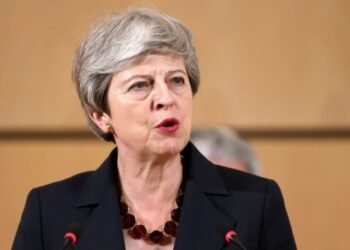
Former prime minister Theresa May has previously echoed a similar position, arguing that the government should not dictate what women wear, including the burqa, reinforcing a perspective rooted in individual freedom and religious tolerance.
Jenrick’s comments come amid a series of controversial remarks and incidents involving the MP this year. Notably, during a 90-minute visit to Handsworth, Birmingham, he remarked that he “didn’t see another white face,” sparking criticism for highlighting ethnic demographics in a way that many described as tone-deaf. He later attempted to clarify, stating that his comments were not about skin colour or faith, but about people “living alongside each other” in cohesive communities.
The wider European context has also reignited debate over burqa bans. Earlier this month, Italy’s ruling Brothers of Italy party announced plans to introduce legislation seeking to prohibit the burqa, describing it as a move to counter “Islamic separatism.” The proposal has stirred controversy in Italy and beyond, with concerns over religious freedom and cultural integration dominating public discourse.
In the UK, similar discussions have occasionally surfaced among smaller political parties. Reform MP Sarah Pochin earlier this year urged Sir Keir Starmer to ban the burqa, although the party later clarified that a ban is not part of Reform UK policy. The episode prompted internal criticism, with the party’s chair, Zia Yusuf, publicly calling the request “dumb” on social media platform X (formerly Twitter), stating: “It is dumb for a party to ask the prime minister if they would do something the party itself wouldn’t do.”
The debate has revealed a complex fault line within British politics, juxtaposing arguments about integration, women’s rights, religious freedom, and national identity. Jenrick’s statements have intensified scrutiny of the Conservative leadership and its approach to cultural issues, particularly as he positions himself as a potential future leader of the party.
Political analysts note that calls for burqa bans often evoke strong reactions from both sides of the political spectrum. Supporters argue such measures protect social cohesion and reinforce shared cultural norms, while opponents emphasise that targeting religious garments risks marginalising communities and inflaming societal divisions. The controversy reflects the broader tensions facing the UK over immigration, multiculturalism, and national identity.
Observers have pointed out that any attempt to legislate a ban on the burqa would likely face significant legal and practical hurdles. Civil liberties groups have warned that banning a religious garment could be challenged under human rights law, while enforcement mechanisms would raise further questions about state overreach and discrimination.
Jenrick’s remarks also intersect with ongoing debates about the role of Conservative leadership figures in shaping cultural and social policies. As a high-profile figure within the party, his opinions carry weight, and his willingness to publicly advocate for measures like a burqa ban places him in direct contrast with Badenoch’s more cautious stance. This divergence highlights the ideological spectrum within the party and the challenge leaders face in reconciling competing viewpoints.

Meanwhile, Labour politicians continue to seize on Jenrick’s comments to frame the debate around values, inclusion, and national cohesion. Rushworth’s denunciation reflects broader concerns among opposition MPs that proposals targeting religious practices can undermine Britain’s pluralistic and tolerant identity.
The issue of burqa bans is unlikely to disappear from public discourse. Across Europe and the UK, debates over cultural integration, religious expression, and social cohesion continue to provoke passionate responses from policymakers, political parties, religious leaders, and community groups alike. Jenrick’s comments are expected to fuel further discussion and may become a prominent talking point in the lead-up to internal Conservative leadership contests.
As the UK grapples with questions of multiculturalism, identity, and governance, the burqa debate exemplifies the complex balancing act between protecting individual freedoms and promoting societal values. Jenrick’s intervention has crystallised these tensions, drawing both criticism and support while illustrating the challenges leaders face when navigating sensitive cultural and religious issues in modern Britain.
Related News:
 Facing the Challenge of Islam in Britain Today
 UK Must Act with Courage and Clarity on Israel-Palestine Conflict, Says Foreign Affairs Committee Report
 Tasers Introduced in UK Prisons to Combat Rising Violence and Protect Staff
 Wethersfield Controversy Deepens as Asylum Seeker Numbers Set to Surge by 50%
 Chancellor Faces Mounting Pressure Amid “Impossible Trilemma” Over Tax Rises
 Radioactive Leak at UK’s Nuclear Warhead Base Sparks Outcry Over Safety and Secrecy
 Mass Arrests in London as Protest Defies Ban on Palestine Action
 Mutual Inconvenience: Why Alaska Was Chosen for the Trump-Putin Summit on Ukraine
 Russell T Davies Warns of Declining UK Gay Rights Amid Rise of Reform UK and Trump Influence
 UK Government Expands ‘Deport Now, Appeal Later’ Policy to 23 Countries
 Farage Accuses PM of ‘Democratic Disparity’ in House of Lords Representation
 Chancellor Rachel Reeves Pushes for Sweeping Changes to Environmental Protections to Accelerate Development
 Larger Families Could Gain Thousands if Labour Ends Two-Child Benefit Cap
 Is the UK Ready to Put Boots on the Ground in Ukraine? Assessing Military Capacity and Challenges
 Ory Councils Urged to Challenge Asylum Hotels After Epping Ruling
 Palestine Action Ban Protesters Plan Tactic to Overwhelm Police at Next London Demonstration
 Police Scotland Spends £500,000 Compensating Officers Over Trump Visit
 Britain’s Migration Challenge: Rising Asylum Numbers and Hotel Pressures
 Elon Musk Sparks New Controversy by Backing Tommy Robinson Amid Farage Feud
 Polanski’s Rise Signals a Shift in British Political Landscape
 Urgent Action Needed on Windrush Compensation as Survivors Speak of “Waiting to Die”
 Tanni Grey-Thompson Faces Abuse Over Opposition to Assisted Dying Bill
 Protests Expected as Israeli Arms Firms Join Global Defence Trade Fair in London
 Are Britain’s Unions Turning Against the Workers They Once Represented?
 TfL Invites RMT to Resume Talks as London Tube Strikes End
 UK Rejoining EU ‘Unlikely in My Lifetime,’ Says Starmer’s Europe Reset Negotiator
 UK Urged to Collaborate with NATO on Missile Defence Amid Russian Drone Threat
 ‘Unite the Kingdom’ Rally Sparks Fears of Far-Right Normalisation Among Minority Britons
 France Proposes Ceiling on UK Role in €150bn EU Defence Fund
 Thousands Gather in London to Protest Donald Trump’s Second UK State Visit
 Tragedy in Hackney: Man Killed and Woman Injured in East London Park Shooting
 Zarah Sultana Seeks Legal Action After Bitter Clash with Jeremy Corbyn Over Party Membership Funds
 Nigel Farage Unveils Controversial Immigration and Welfare Plans at Reform UK Press Conference
 Top Andy Burnham Ally Launches Fierce Critique of Starmer Ahead of Labour Conference
 Mahmood Pledges Reform of Modern Slavery Laws After Court Blocks Deportation Appeal
 It Changed My View’: Campaign Encourages Pupils in Deprived Areas to Consider University
 UK Fighter Jet Purchase Could Breach Nuclear Treaty, Warns CND
 Ed Miliband Warns UK Government on X, Citing Elon Musk as a “Dangerous Influence”
 Migrants in UK May Need to Contribute or Face Removal, Home Secretary Signals
 Ed Miliband Urges Labour to Confront Billionaire-Backed Opposition to Net Zero Goals
 A Third of EU Citizens in UK Report Discrimination by Public Bodies Post-Brexit
 Senior Tories Condemn Badenoch’s Vow to Repeal Climate Change Act as Catastrophic
 Home Secretary condemns Gaza protests after Manchester synagogue attack as “un-British”
 Digital ID Plans Ignite Debate Over £600m Treasury Tax Boost and Privacy Concerns
 Robert Jenrick Reiterates Controversial Comments on Birmingham’s Integration as Backlash Grows
 Kemi Badenoch Unveils ‘Golden Rule’ to Halve Spending Cuts for Deficit Reduction at Tory Conference
 Public Trust in SNP Hits Historic Low Amid NHS Concerns
 Yvette Cooper Backs Digital ID Plan for UK Teens
 Johnson Suggests Mandelson Linked to China Spy Controversy
 UK border officers deployed to Balkans to tackle migrant smuggling
 Ministry of Justice fails to file £11bn in spending receipts
 UK MPs warn of repeat riots over online misinformation
 Rachel Reeves signals welfare reform ahead of key budget
 Reform UK candidate fined £19,000 after using AI-generated cases to challenge election
 The debate over England’s compulsory reading test for 13-year-olds
 William Steps Up Over Prince Andrew Palace Response
 UK Health Leaders Push for Urgent Tobacco & Vape Bill
 How the Royal Navy Can’t Stop the Channel Boats
 British Woman in Iran ‘Losing Hope’ Amid Ongoing Detention
 Johnson Approved China’s London ‘Super-Embassy’ in 2018
 BBC Journalist Held and Interrogated in Vietnam
 Green Party Surges Past Labour in Latest UK Poll
 Celebrities and Charities Demand UK Government Act on Child Poverty
 Zarah Sultana Launches Party to Change Politics
 FBI Director Kash Patel Defends Girlfriend Amid Government Jet Claims
 ‘Reckless’ cuts to victims’ services will cost more than they save
 Starmer Faces Growing Dissent as Labour MPs Weigh Leadership Challenge
 Politics latest: Starmer ‘will fight any leadership coup’ as Streeting denies attempt to oust Labour PM
 Pressure Mounts on Starmer to Sack Chief of Staff Over Briefing Row
 Peers Flood Assisted Dying Bill with 942 Amendments
 England’s Special Needs Support Faces Breaking Point
 MoD warned over Excel risks before Afghan data breach
 Labour Faces Historic Decline in Wales
 PM Highlights UK Business at G20 in South Africa
 Kate Forbes: Motherhood Harder Than Politics
 Most Tories Expect to Support a Farage-Led Government
 Labour MP claims devolution bill is ‘blatant discrimination’ against Cornwall
 Millions Face Higher Taxes Under Reeves New Budget
 Peers Get Extra Time to Debate Assisted Dying Bill
 “Enough is Enough”: Local MP Vows to Fight Rainham Quarry Plans