Published: 03 November 2025. The English Chronicle Des. The English Chronicle Online.
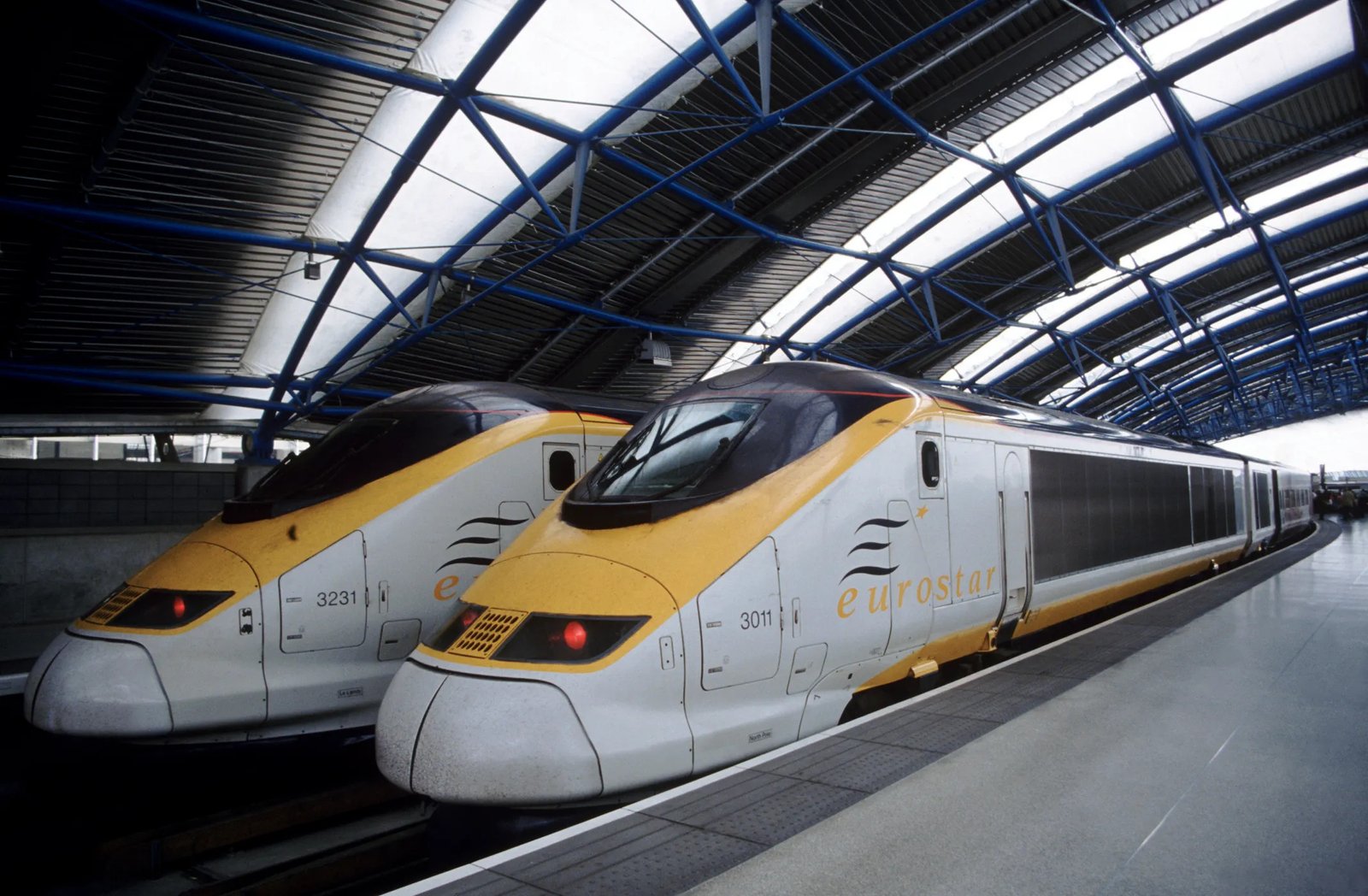
The recent mass stabbing on a high-speed train has reignited discussions about passenger safety on Britain’s rail network, but the transport secretary has warned that introducing metal-detector scanners at train stations would “make life impossible” for commuters. Speaking to Sky News, Heidi Alexander stressed that the government is examining alternative measures to enhance security without disrupting the daily lives of millions of passengers who rely on trains every day.
The attack, which occurred on the 6.25pm Peterborough to London service on Saturday, left ten people injured, including a member of train staff who bravely intervened to protect passengers. The officer, now critically ill, was reported to be in a stable condition, with emergency services and hospital staff closely monitoring his recovery. Alexander praised the courage and quick thinking of the train staff, saying their actions undoubtedly saved lives and prevented further injuries during the horrifying incident.
“Most of all, I would like to say thank you to the emergency services and the one individual who is still critically ill in hospital, who is stable, I’m pleased to say,” Alexander told reporters. “But he went into work that morning to serve passengers, and he put himself in harm’s way. There are people who are alive today because of his actions and his bravery.”

Despite the shock of the attack, Alexander ruled out airport-style security scanners or metal detectors at train stations, emphasizing the impracticality of such measures. “I understand why you asked the question, and I understand why some of your viewers might be wondering about that,” she said. “We have thousands of railway stations across the UK, and those stations have multiple entrances, multiple platforms. What we can’t do is make life impossible for everyone, but we do need to take sensible and proportionate steps to make the public transport network safe.”
She added that the government is actively reviewing other security options to prevent similar incidents. One example she cited was the 2017 London Bridge terrorist attack, when a van was driven into pedestrians. In the aftermath, vehicle blockers were installed on several bridges to improve public safety, demonstrating that targeted, practical measures can enhance security without imposing unrealistic restrictions on the public.
Alexander highlighted that, statistically, train travel in the UK remains one of the safest forms of public transport. She said, “Our trains are some of the safest forms of public transport anywhere in the world. For every 1 million passenger journeys that are made, there are 27 crimes.” While any attack is deeply concerning, she emphasized that public transport overall remains a low-crime environment.
The investigation into Saturday’s stabbing continues. A 32-year-old British national from Peterborough has been arrested and is being questioned. Authorities have confirmed that the suspect was not previously known to counter-terrorism police, the security services, or the government’s Prevent programme, which seeks to identify individuals at risk of radicalisation. Alexander declined to comment on whether the suspect had a history of mental health issues, citing privacy concerns and the ongoing nature of the investigation.
CCTV footage from the train revealed the heroic actions of the staff member, who confronted the attacker as the train travelled between Peterborough and Huntingdon in Cambridgeshire. Police praised his bravery, highlighting how crucial his intervention was in limiting the scale of the incident. Such acts underscore the importance of trained, vigilant staff in managing emergencies and ensuring passenger safety on public transport.
In her comments to the media, Alexander said visible patrols by British Transport Police officers would be deployed at stations across the country over the coming days to reassure passengers and maintain a sense of security. While acknowledging the anxiety that events like this naturally provoke, she stressed that authorities are balancing the need for safety with the need to keep the transport system functional and accessible for all.
“This review of train security measures is ongoing, and we are looking at all possible options that don’t create unnecessary barriers for passengers,” Alexander explained. “We want to make sure people feel safe, but also that their daily lives aren’t disrupted by impractical measures that would be impossible to enforce across thousands of stations nationwide.”
The attack has prompted broader discussions about security on Britain’s trains and the role of emergency preparedness. While metal detectors are common in airports, Alexander emphasized that the scale and structure of the UK rail network make such solutions unfeasible. Train stations often have multiple access points, and large numbers of passengers pass through each day. Imposing airport-style checks would not only slow down journeys significantly but would also place a heavy burden on both staff and commuters.
Instead, Alexander suggested that the focus should be on practical security enhancements, such as increased police presence, improved surveillance, and rapid response protocols. The government is exploring technological and operational measures that can strengthen safety without fundamentally changing how passengers move through stations.
The incident on Saturday, while alarming, is being seen as a rare but serious exception. Alexander noted that public confidence in rail travel remains high due to the consistently low crime rates compared to other environments. She said, “Even though this attack was horrific, it’s important to remember that public transport is generally a low crime environment. We are committed to keeping it that way.”
Investigators continue to gather evidence and interview witnesses, while medical staff monitor the recovery of the injured, particularly the hero staff member whose quick response prevented more severe outcomes. Police have been working to determine the motive behind the attack and any potential connections the suspect might have, while ensuring the public is kept informed about safety measures.
Alexander concluded by reiterating her gratitude to those who acted selflessly during the attack and to the emergency services who responded promptly. “The courage shown by train staff and first responders is truly commendable,” she said. “It reminds us that, even in the face of danger, people act to protect each other. Their actions are the first line of defence for passengers, and we owe them immense respect and thanks.”

The government’s ongoing review is expected to produce recommendations that strike a balance between public safety and practicality. While debates about the potential implementation of metal detectors have captured headlines, Alexander’s insistence on proportionate responses highlights the challenges of securing a vast and complex network like Britain’s rail system.
Passengers, meanwhile, are being urged to remain vigilant but not alarmed. The combination of heightened police presence, staff training, and emergency preparedness is intended to maintain confidence in rail travel while ensuring swift intervention in any critical situation. The response to the incident demonstrates the resilience of the UK transport system and the effectiveness of trained personnel in managing unexpected threats.
As investigations proceed and security measures are reviewed, the emphasis will remain on practical, implementable solutions that safeguard passengers without imposing unnecessary hardship. Saturday’s attack serves as a stark reminder of the potential vulnerabilities within public spaces, but also highlights the extraordinary bravery and professionalism of those who serve the public daily.
In the wake of the incident, the government continues to balance safety and accessibility, reaffirming its commitment to a secure but practical transport network. While debates about security technology and staffing continue, the actions of the train staff on Saturday exemplify the human courage that remains at the core of public safety.
Related News:
 Mother dies after black market weight loss injection
 Peterborough Mosques Tighten Security After Attack
 Nearly 48,000 Zombie Knives Removed from UK Streets in a Year
 Prince Andrew Stripped of Title: Giuffre Family Hails Historic Moment
 British Grandmother to Return Home After Death Sentence in Bali
 Jailed UK climate protesters face extremist-style restrictions
 Bar Council urges legal aid for all domestic abuse family cases
 How to get help when a child goes missing – call 999 urgently
 ‘Reckless’ cuts to victims’ services will cost more than they save
 Judges to Decide Fate of Chief Constable Guilty of Contempt
 How age progression images help trace missing people
 Mother Watches in Horror as Teen Daughter Dies on Tracks
 Podcaster Faces Abuse Charges Over Controlling Behaviour
 Sudanese Family Vows to Stay After Racist Graffiti
 Southport Stabbing Survivor Speaks Out: ‘I Thought I Was Going to Die’
 FBI and NSPCC Sound Alarm Over Alarming Surge in Child Sextortion Cases Online
 English Backpacker Pleads Guilty to Causing Death of Perth Father in Drunken E-Scooter Crash
 Alarming rise in abusive teen relationships in the UK sparks urgent warnings
 Akinwale Arobieke Found Dead at Liverpool Home
 Police Appeal for Witnesses After Woman Raped in Oxfordshire Churchyard
 Massive London Poundland Fire Engulfs High Street
 Ambulance Worker Fired After Flinging Amputee from Wheelchair and Offering Bribe
 Madeleine McCann Detectives to Testify Against Woman Accused of Stalking the Family
 Prunella Scales: From Fawlty Towers Icon to Beloved Canal Explorer
 Hospice Cuts Raise Alarm Across England Amid Funding Crisis
 UK Woman Loses Child Benefit After Booking Flight She Never Took
 UK launches search for first-ever ‘town of culture’ to highlight overlooked areas
 Afghan man charged with murder after west London knife attack
 Mass Stabbing on Doncaster to London Train Leaves Ten Injured
 Children to Learn Local History in Major Curriculum Overhaul
 FBI Director Kash Patel Defends Girlfriend Amid Government Jet Claims
 Hollywood Is an Industry of Looney Tunes Pretending to Be Normal
Trump Speaks on Prince Andrew’s Royal Scandal Fallout
Hollywood Is an Industry of Looney Tunes Pretending to Be Normal
Trump Speaks on Prince Andrew’s Royal Scandal Fallout
 Experts Warn on Home Birth Risks, Call for Skilled Midwives
 Court Hears Challenge Over Water Bills Funding Sewage Fixes
 The Lowry Hotel: Manchester’s Iconic Five-Star Retreat
 Prince William Plants Trees with Brazil’s Nature Heroes
 Just Stop Oil Protesters Convicted Amid Climate Defence Row
 Greta Thunberg Backs Student Facing UK Visa Revocation
 Oprah enjoys Meghan’s jam on English muffins
 Experts Urge Legal Right to Timely Cancer Care
 Newcastle United Lifts Ban on Fan Over Gender-Critical Views
 Boris Johnson accused of undermining BBC leadership
 North Sea oil workers must lose weight or face job loss
 Crisis charity to become landlord amid UK housing emergency
 Madeleine McCann Suspect Forced into Woodland Hideout After Release
 The Debate Over Princess Beatrice and Eugenie’s Royal Status Intensifies
 UK toy market enjoys bumper year as ‘kidults’ fuel demand
 Politics latest: Starmer ‘will fight any leadership coup’ as Streeting denies attempt to oust Labour PM
 Leading doctors issue warning amid ‘bad’ flu season
 Son Reveals UK Couple in Iran Resort to Hunger Strike for Help
 South Korea’s Jeju Island Faces Rising Tide of Illicit Drugs
 Victims’ commissioner Baroness Newlove dies aged 63
 ‘Fever Pitch’ Screaming: Red Flags Before Sara Sharif’s Death
 Cold Snap Brings Snow Risk as Flood Recovery Continues
 UK Asylum Overhaul Sparks Debate Over Human Rights and Deportations
 UK Asylum Reforms: Temporary Refugee Status and Faster Deportations
 Mum Calls for New Licence Rules After Teen Road Death
 UK Candidate Moved to Safe House After Election Threats
 Shoppers Left in Darkness After Clock Change Delay
 Paralegal Fired After Exposé on Illegal Worker Scam
 Convicted Killer Challenges Vegemite Ban Behind Bars
 ‘Traumatic Wait’: Northern Ireland Women Face Breast Cancer Delays
 Commuters warned as yellow snow and ice alert hits Northern Ireland
 PM Shares Emotional Letter to Son on Men’s Struggles
 Serial Rapist and Former Cop Found Guilty Again
 Kate Forbes: Motherhood Harder Than Politics
 TikTok Star Jessie Yendle Mocked by KFC
 Coffins Now Too Large to Cremate Amid Rising Obesity Crisis
 Reeves to Crack Down on Benefit Fraud While Lifting Two-Child Limit
 Police Name Woman Who Died in Swindon as Murder Probe Continues
 DWP to Reassess Hundreds of Thousands in Carer Allowance Scandal
 Labour MP claims devolution bill is ‘blatant discrimination’ against Cornwall
 Planned Palestinian Flag Raising at Belfast City Hall Faces Delay Amid Legal Concerns
 Fibromyalgia Patients Struggle as NHS Fails to Provide Care
 Machynlleth High Street Left Without Christmas Lights
 Second homes curbs quashed in Gwynedd legal ruling
 Rare shark attack kills woman, injures man at remote NSW beach
 Search underway for British man overboard off Tenerife
 Virgin Media Fined £23.8m Over Telecare Safety Failures