Published: 06 November 2025. The English Chronicle Desk. The English Chronicle Online.
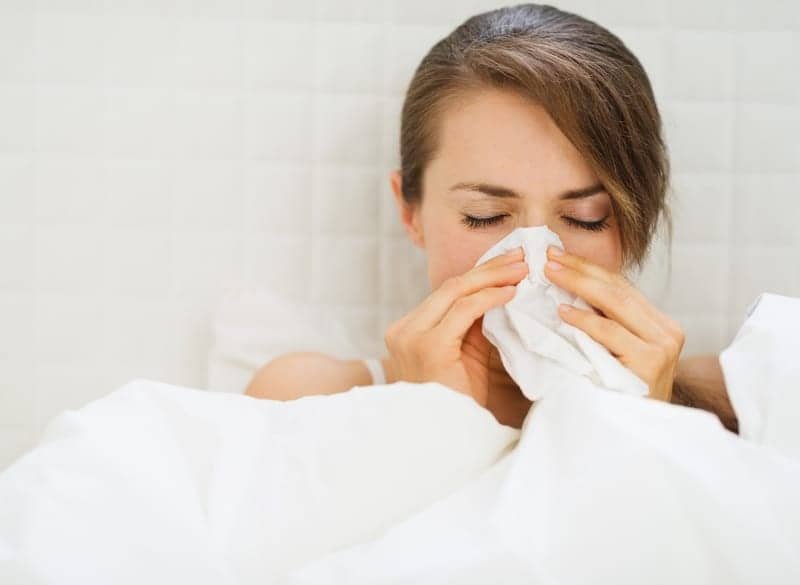
Britain could be heading for its worst flu season on record, with hospitals expected to be pushed to capacity, NHS officials have warned. The head of NHS England, Sir Jim Mackey, cautioned that this winter could be particularly challenging, with the UK potentially facing a surge in cases similar to recent outbreaks in Australia and Japan.
Speaking to The Telegraph, Sir Jim highlighted that global trends indicate the H3N2 strain, which has hit both Australia and Japan hard, is highly aggressive and mutates at a faster rate, diminishing immunity from past infections or vaccinations. In Australia, over 410,000 people were reported to have contracted flu, marking the worst season the country has experienced in recent years. Japan has also struggled with widespread flu infections, resulting in school closures and a significant number of hospital admissions.

“From December through to March, our hospitals will be at capacity,” Sir Jim warned. He added that NHS teams are preparing for a particularly long and demanding season, and emphasized the importance of public cooperation to reduce pressure on the system. He urged those eligible for vaccinations to come forward promptly to protect themselves and help ease the strain on hospitals already under significant pressure.
The warning comes at a time when NHS staff face further challenges, as resident doctors – formerly known as junior doctors – are preparing for industrial action next week. Sir Jim acknowledged that strike action adds another layer of difficulty to winter preparations. “While our teams should be focused on preparing for the peak of winter, many are also having to plan around strike action – adding even more pressure at a time when every pair of hands counts,” he said.
Flu is expected to arrive earlier than usual this year, with the first cases already being reported. NHS officials have advised that vaccination should be taken as soon as possible, especially for those most at risk, including older adults, residents of care homes, pregnant women, front-line health and social care workers, and those with underlying health conditions. Children are also being offered free flu jabs to limit the spread of the virus. Private vaccination options are also available for anyone wishing to protect themselves.
Sir Jim expressed concern about the NHS’s capacity to handle the anticipated surge. “For too long, the NHS has got too comfortable with examples of poor care. Care is being delivered in corridors while long waits have become the norm. This can’t go on,” he said, emphasizing the need for urgent preparation and vigilance across all hospital departments. He stressed that public confidence in the NHS could be affected if standards do not improve during this critical period.
Planning for winter began earlier than in previous years, with hospitals across the country working to ensure adequate staffing, supplies, and operational readiness. However, the combination of an aggressive flu strain, lower vaccination uptake globally, and ongoing industrial action has raised concerns about patient safety and timely access to treatment.
Data from Australia, which typically experiences flu outbreaks approximately six months ahead of the UK, shows that flu levels there have reached the highest recorded since 2001. Experts note that lessons learned from international outbreaks can help guide preparations in the UK, but the unique challenges of a strained healthcare system and workforce shortages remain significant hurdles.
Age UK recently described the country’s A&E departments as resembling “war zones,” with elderly patients reportedly waiting days in corridors for treatment. With flu cases expected to rise, similar pressures are anticipated across the NHS. Sir Jim stressed the importance of vaccination as a critical measure to protect vulnerable populations and reduce hospital admissions.

The NHS has encouraged everyone eligible for a free flu jab to receive it by the end of November. Free vaccines are available for people aged 65 and over, those in clinical risk groups under 65, residents and carers in care homes, pregnant women, close contacts of immunosuppressed individuals, frontline health and social care staff, and children. Vaccinations remain one of the most effective strategies to mitigate the impact of a severe flu season, alongside good hygiene practices and responsible health behavior.
Sir Jim’s warnings underline the scale of the challenge ahead. Hospitals, healthcare professionals, and the public must prepare for a flu season that could surpass recent decades in severity. As winter approaches, the NHS is balancing the dual pressures of seasonal illness and workforce industrial action, hoping that early planning and public cooperation will help to prevent a crisis in patient care.
Related News:
 Mother dies after black market weight loss injection
 Young Woman Missed 13 Times by GPs Before Bowel Cancer Diagnosis
 Hospice Cuts Raise Alarm Across England Amid Funding Crisis
 How Bringing Forests Into Preschools Boosts Children’s Health
 The diet that can significantly ease symptoms of IBS
 Celebrities and Charities Demand UK Government Act on Child Poverty
 Long A&E waits causing heartbreaking suffering, charity says
 Experts Warn on Home Birth Risks, Call for Skilled Midwives
 Lancashire council plans to close care homes and day centres
 Experts Urge Legal Right to Timely Cancer Care
 Patients to Test Health at Home to Ease NHS Winter Pressure
 London’s Childlessness Crisis: Schools Closing as Families Shrink
 NHS Takes Over Nuffield Hospital in ‘Windfall’ for London Care
 North Sea oil workers must lose weight or face job loss
 Crisis charity to become landlord amid UK housing emergency
 No link found between paracetamol in pregnancy and autism
 UK Disability Pay Gap Means Millions Work for Free From Today
 Shouting Works Best to Deter Gulls, UK Study Finds
 Reeves rejects £1bn plea for NHS redundancy payouts
 NHS trust fined after woman takes life in mental health unit
 Leading doctors issue warning amid ‘bad’ flu season
 UK Centres Used Risky Heart Pump Despite Safety Fears
 Reeves Rejects £1bn NHS Payout Plea from Streeting
 New Campaign Trains Vets to Spot Farmers’ Health Risks
 Stroke Patient Mistaken for Drunk, Care Delayed
 ‘Traumatic Wait’: Northern Ireland Women Face Breast Cancer Delays
 Boris Johnson Oversaw Toxic No 10 Culture, Covid Inquiry Finds
 Welsh Government Christmas 2020 Lockdown Criticised
 Coffins Now Too Large to Cremate Amid Rising Obesity Crisis
 Thinktank Urges Smaller Hospitals to End NHS ‘Permacrisis’
 David Cameron Reveals Prostate Cancer Diagnosis, Advocates Screening
 NHS paediatric leave parents waiting months for answers
 Catherine urges end to stigma around addiction
 11 Best Supermarket Wines Chosen by Experts and Sommeliers
 Inquiry Opens Into Disgraced Surgeon Eljamel Scandal
 Five-Year-Old Dies After Rare Tonsil Surgery Complication
 Fibromyalgia Patients Struggle as NHS Fails to Provide Care
 More Patients Now Contacting GPs Online, Data Shows
 Concerns Mount Over Accuracy of At-Home Health Tests as Study Calls for Stricter Regulation
 The Ketamine Crisis in the UK is a Silent Epidemic Leaving Users with Lifelong Pain
 Why E-Bikes and E-Scooters Are Making Streets a ‘Nightmare’ for Blind People
 Millions in the UK at Higher Risk of Heart Failure and Stroke Due to Air Pollution, Study Warns
 Systemic Racism in Maternity Care Continues to Endanger Black Women in England, MPs Warn
 One in Three GPs in England Do Not Work in NHS, Raising Concerns Over Access to Care
 Questions Remain as Rugby Legend Lewis Moody Faces Motor Neurone Disease Diagnosis
 M&S and Morrisons Lead Christmas Supermarket Taste Test
 New Prostate Cancer Drug Set to Halve Death Risk in England
 Peterborough Mosques Tighten Security After Attack
 Reeves Faces Setback as Labour May Miss Homes Target
 Kate Winslet to Narrate Film Highlighting King’s Environmental Mission
 Green Party Surges Past Labour in Latest UK Poll
 Trump’s UK Ambassador Urges North Sea Drilling to Strengthen US Ties
 Children to Learn Local History in Major Curriculum Overhaul
 French Taxi Driver Cleared in David Lammy Theft Case After Fare Dispute
 UK Bans Fake Numbers: Scammers Lose Their Trick
 M&S Profits More Than Halve After Cyber-Attack
 Kent village told to remove flags before Christmas lights go up
 Bellingham has ‘the edge’ among England No 10s
 King Charles to Lead Nation in Remembrance Sunday Service
 How to get help when a child goes missing – call 999 urgently
 Starmer Faces Growing Dissent as Labour MPs Weigh Leadership Challenge
 Mary Earps’s Manchester United Return Faces Mixed Reception
 Son Reveals UK Couple in Iran Resort to Hunger Strike for Help
 Peers Flood Assisted Dying Bill with 942 Amendments
 Former Lion Heskey Warns of Shortage of England Strikers
 Global markets drop amid tech sell-off and China slowdown
 Mum Calls for New Licence Rules After Teen Road Death
 Mother Watches in Horror as Teen Daughter Dies on Tracks
 Healthy Habits in Your 30s That Boost Life in Your 70s
 Serial Rapist and Former Cop Found Guilty Again
 Scottish Families Take Legal Action Over School CO Leak
 Most Tories Expect to Support a Farage-Led Government
 Bill Murray Terrified Wes Anderson but Became His Closest Collaborator
 Labour MP claims devolution bill is ‘blatant discrimination’ against Cornwall
 Karen Carney Stuns on Blackpool Week, Deserves Strictly Final
 Vicki Fears Losing Motability Car
 Millions Face Higher Taxes Under Reeves New Budget
 Search underway for British man overboard off Tenerife
 Virgin Media Fined £23.8m Over Telecare Safety Failures
 Rising Water Bills Lift Troubled Thames Back to Profit