Published: 12 November 2025. The English Chronicle Desk. The English Chronicle Online
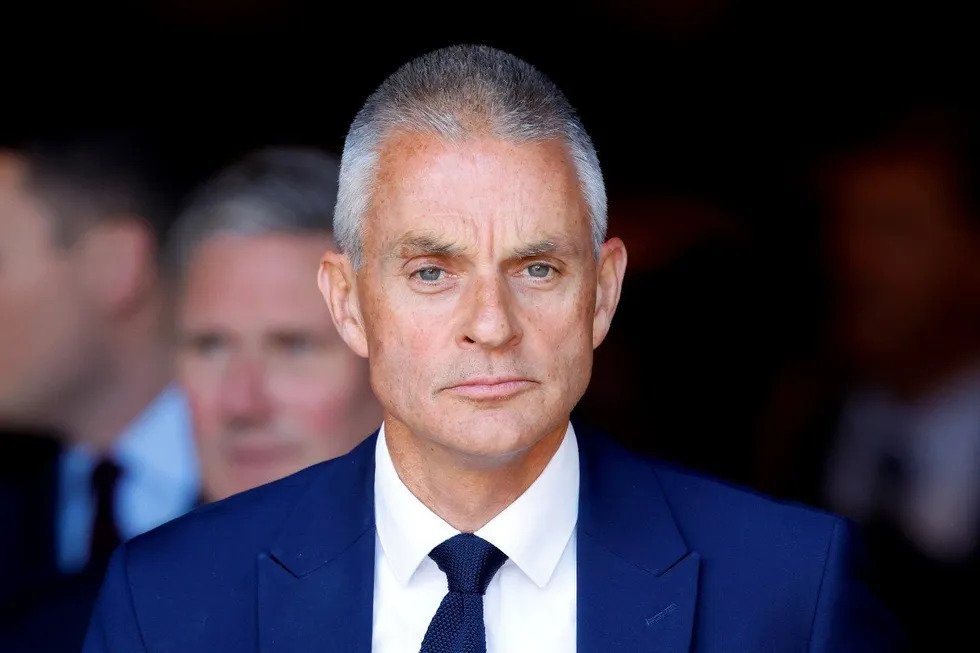
Tim Davie has blamed “enemies” of the BBC for fuelling the bias scandal engulfing the corporation, declaring the broadcaster as “the very best of society” during a defiant address to staff following his resignation. The outgoing BBC Director-General defended the organisation’s integrity and journalistic mission, even as critics demanded sweeping changes to the corporation’s leadership and governance.
Mr Davie’s comments came amid growing controversy over allegations that the BBC’s flagship current affairs programme Panorama doctored a speech by former US president Donald Trump. The scandal, first revealed by The Telegraph, has sparked a political firestorm and renewed debate over impartiality within the UK’s public broadcaster.

Lisa Nandy, the Culture Secretary, echoed Mr Davie’s remarks in Parliament, describing the BBC as “a light on the hill for people here and across the world.” Her statement came as the broadcaster also faces a $1bn lawsuit from Mr Trump, who claims the doctored segment misrepresented him. Ms Nandy stopped short of supporting Sir Robbie Gibb, the former Downing Street communications chief who sits on the BBC Board and is accused by some of orchestrating a “Right-wing coup” inside the corporation.
The minister suggested she might support changes to the BBC’s editorial standards committee, which Sir Robbie sits on, following calls from BBC staff for his removal. “I have discussed this directly with the chair of the BBC,” Ms Nandy said, adding, “I understand changes are planned to that committee and I very much welcome that decision.”
The crisis deepened following claims of anti-Israel bias and alleged censorship of transgender issues, outlined in a dossier compiled by Michael Prescott, an adviser on editorial standards. Mr Davie announced his resignation on Sunday, alongside Deborah Turness, the BBC’s chief executive of news and current affairs, saying accountability was necessary but defending the broadcaster’s future.
“We will thrive,” he told staff. “And this narrative will not just be given by our enemies. It’s our narrative. We own things.” He conceded that “mistakes had been made,” admitting there was “an editorial breach,” but insisted the BBC remains a “unique and precious organisation.” He urged staff to continue “fighting for journalism” in an era when the free press faces “weaponisation.”
The government has faced pressure to reconsider the BBC’s licence fee model, due to rise to £181 next year. Ms Nandy assured MPs that the corporation would remain “sustainably funded,” insisting it must be “fiercely independent” in a time when “trust is fraying and truth is contested.” She reiterated that the BBC remains “by far the most widely used and trusted source of news in the United Kingdom.”
However, opposition MPs and media critics accused both the government and Mr Davie of avoiding the core issues. Greg Smith, a shadow Tory minister, argued: “It’s not weaponising to hold an organisation to account. The BBC must remember the public are forced to pay for them via the licence fee, whether they watch or not. Mistakes should be held to an even higher standard.”
Reform Party deputy leader Richard Tice said: “The tone of statements from Samir Shah, Tim Davie, and Deborah Turness has lacked real contrition. Instead, they are looking at who else they can blame. It reflects the institutional arrogance within BBC News and senior management. Wholesale reform is needed to save the BBC.”
Former prime minister Boris Johnson also weighed in, calling Mr Davie’s claim of “enemies” a “complete deflection tactic,” and urged the broadcaster to address what he described as “Left-wing groupthink.” Nigel Farage echoed that sentiment, saying: “The demand for Robbie Gibb to be sacked is a total perversion of the truth. The BBC has had deep, inbuilt left-wing bias for decades.”

Conservative leader Kemi Badenoch defended Sir Robbie, saying: “Robbie Gibb did not edit the Trump Panorama documentary, did not create the Gaza documentary that used a Hamas leader’s son, and did not allow Bob Vylan to broadcast hate at Glastonbury. Before we start blaming individuals, we should focus on systemic issues.”
The production company behind the disputed Panorama episode, October Films, said it was unaware of the Prescott dossier and only learned of the misleading edit after The Telegraph published the story. The company reportedly hoped for a public clarification from the BBC to make clear that its own staff had no part in the editing decision, but none was forthcoming.
The controversy marks one of the most turbulent moments in the BBC’s recent history, raising questions about transparency, political neutrality, and public trust in one of the world’s most respected broadcasters.
Related News:
 Rachel Reeves Admits Renting Home Without Required Licence
 Experts Question HMRC Over Possible Child Benefit Privacy Breach
 Nicola Sturgeon Urges SNP to Oppose New Oil Fields
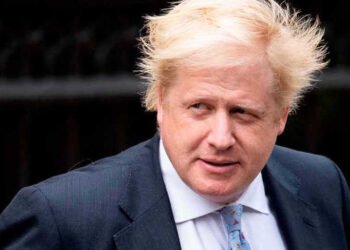 Boris Johnson accused of undermining BBC leadership
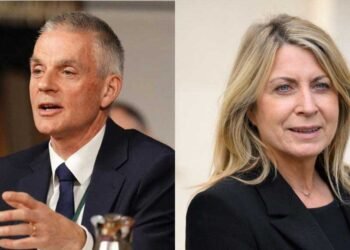 Tim Davie resigns as BBC director general amid bias claims
 Second world war veterans honoured as King leads Remembrance Sunday
 ‘Reckless’ cuts to victims’ services will cost more than they save
 Reeves rejects £1bn plea for NHS redundancy payouts
 Politics latest: Starmer ‘will fight any leadership coup’ as Streeting denies attempt to oust Labour PM
 PM Condemns Leaks, Vows Loyalty to Ministers and Stability
 Crowborough Protest Over Plan to House 600 Asylum Seekers
 UK Asylum Overhaul Sparks Debate Over Human Rights and Deportations
 UK Asylum Reforms: Temporary Refugee Status and Faster Deportations
 PM Shares Emotional Letter to Son on Men’s Struggles
 Kate Forbes: Motherhood Harder Than Politics
Reeves to Crack Down on Benefit Fraud While Lifting Two-Child Limit
Kate Forbes: Motherhood Harder Than Politics
Reeves to Crack Down on Benefit Fraud While Lifting Two-Child Limit
 Labour MP claims devolution bill is ‘blatant discrimination’ against Cornwall
 Planned Palestinian Flag Raising at Belfast City Hall Faces Delay Amid Legal Concerns
 Wethersfield Controversy Deepens as Asylum Seeker Numbers Set to Surge by 50%
 Russell T Davies Warns of Declining UK Gay Rights Amid Rise of Reform UK and Trump Influence
 Norfolk Hospital Ranked Worst in England as NHS League Tables Return
 Oxford Union Condemns President-Elect’s Comments Following Charlie Kirk Shooting
 Zarah Sultana Seeks Legal Action After Bitter Clash with Jeremy Corbyn Over Party Membership Funds
 Ministers Consider Granting Mayors Oversight of Schools and Hospitals in Major Devolution Push
 Ed Miliband Warns UK Government on X, Citing Elon Musk as a “Dangerous Influence”
 A Third of EU Citizens in UK Report Discrimination by Public Bodies Post-Brexit
 UK Health Leaders Push for Urgent Tobacco & Vape Bill
 Army Barracks to House Migrants as Hotels Phase Out
 Peterborough Mosques Tighten Security After Attack
 British Woman in Iran ‘Losing Hope’ Amid Ongoing Detention
 Hospice Cuts Raise Alarm Across England Amid Funding Crisis
 BBC Journalist Held and Interrogated in Vietnam
 UK Woman Loses Child Benefit After Booking Flight She Never Took
 Green Party Surges Past Labour in Latest UK Poll
 Celebrities and Charities Demand UK Government Act on Child Poverty
 UK launches search for first-ever ‘town of culture’ to highlight overlooked areas
 Army Officers Orders to Cut Ties with Men-Only Clubs
 Trump’s UK Ambassador Urges North Sea Drilling to Strengthen US Ties
 Children to Learn Local History in Major Curriculum Overhaul
 FBI Director Kash Patel Defends Girlfriend Amid Government Jet Claims
 Experts Warn on Home Birth Risks, Call for Skilled Midwives
 French Taxi Driver Cleared in David Lammy Theft Case After Fare Dispute
 The Lowry Hotel: Manchester’s Iconic Five-Star Retreat
 Prince William Plants Trees with Brazil’s Nature Heroes
 Greta Thunberg Backs Student Facing UK Visa Revocation
 Kent village told to remove flags before Christmas lights go up
 Newcastle United Lifts Ban on Fan Over Gender-Critical Views
 Jailed UK climate protesters face extremist-style restrictions
 How to get help when a child goes missing – call 999 urgently
 Millionaires group urge Reeves to introduce wealth tax to ‘lift kids out of poverty’
 Starmer Faces Growing Dissent as Labour MPs Weigh Leadership Challenge
 Shouting Works Best to Deter Gulls, UK Study Finds
 UK toy market enjoys bumper year as ‘kidults’ fuel demand
 Farage appointee to lead Reform youth accused of anti-British views
 Son Reveals UK Couple in Iran Resort to Hunger Strike for Help
 Peers Flood Assisted Dying Bill with 942 Amendments
 England’s Special Needs Support Faces Breaking Point
 MoD warned over Excel risks before Afghan data breach
 Mum Calls for New Licence Rules After Teen Road Death
 UK Candidate Moved to Safe House After Election Threats
 Mahmood Defends Tough Overhaul of UK Asylum System
 Mother Watches in Horror as Teen Daughter Dies on Tracks
 UK Warns China After MI5 Issues Espionage Alert
 ‘Traumatic Wait’: Northern Ireland Women Face Breast Cancer Delays
 Commuters warned as yellow snow and ice alert hits Northern Ireland
 UK Vulnerable to Attack, Defence Committee Finds
 Labour Faces Historic Decline in Wales
 Rama Rebukes Mahmood for Targeting Albanian Families
 PM Highlights UK Business at G20 in South Africa
 Welsh Government Christmas 2020 Lockdown Criticised
 Coffins Now Too Large to Cremate Amid Rising Obesity Crisis
 Most Tories Expect to Support a Farage-Led Government
 Millions Face Higher Taxes Under Reeves New Budget
 Peers Get Extra Time to Debate Assisted Dying Bill
 Fibromyalgia Patients Struggle as NHS Fails to Provide Care
 Machynlleth High Street Left Without Christmas Lights
 Government righting decades-old injustice for miners
 Search underway for British man overboard off Tenerife
 “Enough is Enough”: Local MP Vows to Fight Rainham Quarry Plans
 Virgin Media Fined £23.8m Over Telecare Safety Failures