
Published: 12 November 2025. The English Chronicle Desk. The English Chronicle Online
Downing Street has insisted that Sir Keir Starmer will resist any attempt at a leadership coup, as Health Secretary Wes Streeting strongly denied claims that he is plotting to unseat the Labour Prime Minister. The ongoing speculation comes amid a backdrop of heightened political tension in Westminster, with the government preparing for the crucial Budget announcement in two weeks’ time. Allies of the Prime Minister have moved quickly to quash rumours of internal dissent, insisting that Starmer’s leadership remains stable and that attempts to destabilise him would be firmly resisted.
The claims regarding a possible leadership challenge gained traction late last week, following a series of briefings from Number 10. Some political commentators suggested that Mr Streeting and Home Secretary Shabana Mahmood might be positioning themselves to challenge Starmer’s authority within the party. However, speaking to Sky News, Mr Streeting categorically denied these allegations, describing them as “self-defeating and self-destructive” and comparing them to “conspiracy theories” that serve no purpose other than to sow discord.

He emphasised that the focus for all members of the Labour Party should be on delivering the promises that voters expect, rather than engaging in internal manoeuvring. “I do think that trying to kneecap one of your own team when they are out there, not just making the case for the government but actually delivering the change we promised, is both self-defeating and self-destructive,” he said. “This is the moment to demonstrate leadership, unity, and commitment to the electorate, not to indulge in baseless speculation.”
Downing Street sources have also weighed in, asserting that Starmer’s position is secure and that any suggestion of a leadership coup is premature and unfounded. One source noted, “The Prime Minister remains focused on implementing the government’s agenda. There are always rumours in politics, especially ahead of significant fiscal announcements, but the suggestion that Sir Keir’s position is under threat is simply not true.”
The speculation has reignited discussions about internal culture within the Labour Party, highlighting long-standing concerns over how the party manages disputes and dissent among senior members. Analysts have pointed out that while Labour has historically faced factional tensions, Starmer has sought to project an image of stability and collective purpose. Streeting’s remarks underline a growing recognition among party members that maintaining cohesion is critical, particularly as the government seeks to navigate economic pressures and deliver on promised reforms.
Political observers note that leadership speculation often intensifies during periods of uncertainty, such as ahead of major Budget announcements, as senior figures weigh the potential implications of policy decisions on public perception and party unity. In this context, Streeting’s public denial is both a tactical and strategic move, reinforcing his commitment to Starmer’s leadership while signalling to colleagues and voters that attempts to destabilise the party would be counterproductive.
Adding further context, the Prime Minister’s allies have stressed that Starmer’s track record in consolidating party support, combined with his focus on addressing key national issues such as the economy, healthcare, and public services, makes a leadership challenge unlikely at this stage. Sources within Number 10 have highlighted that the government is concentrating on delivering practical results rather than engaging in internal politicking, reflecting a broader determination to maintain public confidence and demonstrate competence.
The flurry of media attention surrounding the alleged coup underscores the heightened scrutiny faced by party leaders in the modern political landscape. Rumours, briefings, and leaks can quickly take on a life of their own, feeding narratives that may not accurately reflect the intentions or positions of senior politicians. By publicly addressing these claims, Streeting has sought to quell speculation, emphasising that leadership should be judged by action and performance, rather than gossip or unverified reports.
Meanwhile, Shabana Mahmood, the Home Secretary, has also distanced herself from the rumours, stating that she remains focused on her ministerial responsibilities and that the notion of orchestrating a leadership challenge is entirely unfounded. Her comments reinforce the message that senior figures within the government are prioritising governance and delivery over internal manoeuvring.

As Westminster continues to prepare for the upcoming Budget, the political spotlight will remain firmly fixed on the government, with public and media scrutiny intensifying. Analysts suggest that the handling of this leadership speculation could serve as a test of discipline and communication within the Labour Party, demonstrating how effectively senior members can address internal rumours while remaining united in purpose.
Ultimately, the debate over leadership challenges reflects the dynamic and often volatile nature of politics, where perception, media narratives, and internal party culture intersect. For Starmer, the focus appears to remain on implementing policy, engaging with constituents, and maintaining party cohesion, while allies like Streeting work to ensure that internal disputes do not distract from the government’s broader objectives. As the political landscape evolves in the coming weeks, any suggestion of a leadership coup will likely be judged not only on its plausibility but also on the party’s ability to maintain unity and deliver on its promises to the electorate.
Related News:
 Boris Johnson accused of undermining BBC leadership
 Tim Davie resigns as BBC director general amid bias claims
 ‘Reckless’ cuts to victims’ services will cost more than they save
 Green Party Faces Leadership Divide Over Direction and Strategy
 Lib Dems Urged to Focus on Policy Over Stunts, Survey Shows
Boris Johnson: Tories Risk Election Loss if They ‘Bash the Green Agenda’
Lib Dems Urged to Focus on Policy Over Stunts, Survey Shows
Boris Johnson: Tories Risk Election Loss if They ‘Bash the Green Agenda’
 Rachel Reeves Admits Renting Home Without Required Licence
 Green Party Surges Past Labour in Latest UK Poll
 Celebrities and Charities Demand UK Government Act on Child Poverty
 Experts Question HMRC Over Possible Child Benefit Privacy Breach
 Nicola Sturgeon Urges SNP to Oppose New Oil Fields
 Second world war veterans honoured as King leads Remembrance Sunday
 Tim Davie Defends BBC Amid Bias Scandal Storm
 Reeves rejects £1bn plea for NHS redundancy payouts
 PM Condemns Leaks, Vows Loyalty to Ministers and Stability
 Crowborough Protest Over Plan to House 600 Asylum Seekers
 UK Asylum Overhaul Sparks Debate Over Human Rights and Deportations
 UK Asylum Reforms: Temporary Refugee Status and Faster Deportations
 Scottish Ministers Express Alarm Over UK Asylum Reforms
 Labour Faces Historic Decline in Wales
 PM Shares Emotional Letter to Son on Men’s Struggles
 MP Offers Seat to Help Burnham Challenge Starmer
 Kate Forbes: Motherhood Harder Than Politics
Reeves to Crack Down on Benefit Fraud While Lifting Two-Child Limit
Kate Forbes: Motherhood Harder Than Politics
Reeves to Crack Down on Benefit Fraud While Lifting Two-Child Limit
 BBC to Expand Standards Panel and Create Deputy Director Role
 Most Tories Expect to Support a Farage-Led Government
 Labour MP claims devolution bill is ‘blatant discrimination’ against Cornwall
 Planned Palestinian Flag Raising at Belfast City Hall Faces Delay Amid Legal Concerns
 Wethersfield Controversy Deepens as Asylum Seeker Numbers Set to Surge by 50%
 The Fight for Trans Safety Is a Fight for Everyone’s Safety — MPs Must Debate This Crucial Issue
 Russell T Davies Warns of Declining UK Gay Rights Amid Rise of Reform UK and Trump Influence
 Polanski’s Rise Signals a Shift in British Political Landscape
 Norfolk Hospital Ranked Worst in England as NHS League Tables Return
 Zarah Sultana Seeks Legal Action After Bitter Clash with Jeremy Corbyn Over Party Membership Funds
 Ed Miliband Warns UK Government on X, Citing Elon Musk as a “Dangerous Influence”
 A Third of EU Citizens in UK Report Discrimination by Public Bodies Post-Brexit
 UK Health Leaders Push for Urgent Tobacco & Vape Bill
 Army Barracks to House Migrants as Hotels Phase Out
 How the Royal Navy Can’t Stop the Channel Boats
 Peterborough Mosques Tighten Security After Attack
 British Woman in Iran ‘Losing Hope’ Amid Ongoing Detention
 Hospice Cuts Raise Alarm Across England Amid Funding Crisis
 UK Woman Loses Child Benefit After Booking Flight She Never Took
 Army Officers Orders to Cut Ties with Men-Only Clubs
 Trump’s UK Ambassador Urges North Sea Drilling to Strengthen US Ties
 Children to Learn Local History in Major Curriculum Overhaul
 FBI Director Kash Patel Defends Girlfriend Amid Government Jet Claims
 French Taxi Driver Cleared in David Lammy Theft Case After Fare Dispute
 The Lowry Hotel: Manchester’s Iconic Five-Star Retreat
 Prince William Plants Trees with Brazil’s Nature Heroes
 Greta Thunberg Backs Student Facing UK Visa Revocation
 Kent village told to remove flags before Christmas lights go up
 London’s Childlessness Crisis: Schools Closing as Families Shrink
 Jailed UK climate protesters face extremist-style restrictions
 How to get help when a child goes missing – call 999 urgently
 Millionaires group urge Reeves to introduce wealth tax to ‘lift kids out of poverty’
 Starmer Faces Growing Dissent as Labour MPs Weigh Leadership Challenge
 VAR Must Rein Its Neck In to Save Football’s Spirit
 Shouting Works Best to Deter Gulls, UK Study Finds
 Mary Earps’s Manchester United Return Faces Mixed Reception
 Son Reveals UK Couple in Iran Resort to Hunger Strike for Help
 Peers Flood Assisted Dying Bill with 942 Amendments
 England’s Special Needs Support Faces Breaking Point
 MoD warned over Excel risks before Afghan data breach
 Mum Calls for New Licence Rules After Teen Road Death
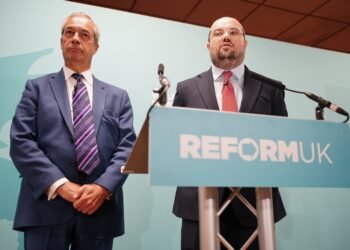 UK Candidate Moved to Safe House After Election Threats
 Mother Watches in Horror as Teen Daughter Dies on Tracks
 UK Warns China After MI5 Issues Espionage Alert
 ‘Traumatic Wait’: Northern Ireland Women Face Breast Cancer Delays
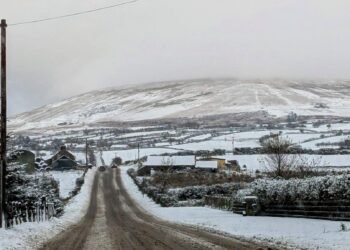 Commuters warned as yellow snow and ice alert hits Northern Ireland
 Rama Rebukes Mahmood for Targeting Albanian Families
 PM Highlights UK Business at G20 in South Africa
 Coffins Now Too Large to Cremate Amid Rising Obesity Crisis
 Millions Face Higher Taxes Under Reeves New Budget
 Peers Get Extra Time to Debate Assisted Dying Bill
 Fibromyalgia Patients Struggle as NHS Fails to Provide Care
 Machynlleth High Street Left Without Christmas Lights
 Search underway for British man overboard off Tenerife
 “Enough is Enough”: Local MP Vows to Fight Rainham Quarry Plans
 Virgin Media Fined £23.8m Over Telecare Safety Failures