Published: 13 November 2025. The English Chronicle Desk. The English Chronicle Online
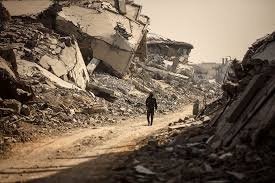
US President Donald Trump’s envoy and son-in-law, Jared Kushner, returned to Israel on Monday as negotiators face fresh obstacles in advancing the fragile Gaza ceasefire to its next phase.
Significant points of contention remain unresolved, including Hamas’s disarmament, Gaza’s reconstruction and governance, and the potential deployment of an international security force. With no set timeline, progress is uncertain, as both Israel and Hamas would need to make substantial concessions.
A new challenge has emerged concerning Hamas fighters believed to be hiding in tunnels beneath the southern city of Rafah, beyond the so-called “Yellow Line,” which marks Israeli-controlled areas. Last week, US special envoy Steve Witkoff suggested an amnesty might be offered to fighters who surrender, a proposal he described as a potential model for Gaza. Reports estimate around 200 fighters are trapped, though the figure remains unconfirmed.

Kushner and Israeli Prime Minister Benjamin Netanyahu discussed the issue during a meeting in Jerusalem. Hamas has insisted its fighters will not surrender unless granted safe passage, which Israel has refused. An Israeli government spokeswoman said the leaders discussed “phase one,” focusing on hostage returns, and “phase two,” concerning the disarmament of Hamas, Gaza’s demilitarisation, and preventing Hamas from playing any role in its future governance.
The current conflict stems from Hamas’s 7 October 2023 attack on southern Israel, which killed approximately 1,200 people and took 251 hostages. Since then, over 69,000 people have been killed in Gaza due to Israeli strikes, according to the Hamas-run health ministry.
The ceasefire’s first phase, implemented last month, concentrated on halting hostilities, returning hostages, and increasing humanitarian aid. Twenty hostages and 24 deceased captives have been released; four bodies remain in Gaza. In return, Israel freed 250 Palestinian prisoners and 1,718 detainees from Gaza held without charge, as well as returning the remains of 315 Palestinians.
Both sides have accused each other of violations. Israel claims Hamas has delayed returning hostages’ remains, while Hamas accuses Israel of killing at least 240 Palestinians and restricting aid.

Hamas continues to reject disarmament until a Palestinian state is established. Israel refuses governance involvement by the Palestinian Authority in Gaza, and countries remain hesitant to commit troops to a multinational force due to potential clashes with Hamas and other factions.
Currently, Israeli forces control 53% of Gaza and are expected to withdraw further during the next stage. Without breakthroughs in talks, a de-facto partition of Gaza appears likely, with reconstruction efforts confined to Israeli-controlled areas. Arab states have expressed concern that this separation could become permanent. Notably, the Trump plan does not provide a path toward Palestinian statehood, which Israel opposes.
Related News:
 Night after night, Belgium is on high alert.
 Video shows Israeli troops kill Palestinians after surrender
 Deadly Strike as Russian Missile Hits Ukrainian Training Unit and Causes Multiple Casualties
 Trump Appears Sidelined as Israel’s Unprecedented Strikes Hit Qatar
 British Woman in Iran ‘Losing Hope’ Amid Ongoing Detention
 BBC Journalist Held and Interrogated in Vietnam
 UK University Suspends Human Rights Research Following Pressure from China
 UK University Faces Counter-Terror Probe Over China Pressure
 Zohran Mamdani becomes New York City’s first Muslim mayor
 Abigail Spanberger Elected Virginia’s First Female Governor
 Mikie Sherrill Elected New Jersey’s Governor in Key Win
Zohran Mamdani names all-female transition team for NYC mayoralty
China-critical UK academics face ‘extremely heavy’ pressure from Beijing
Mikie Sherrill Elected New Jersey’s Governor in Key Win
Zohran Mamdani names all-female transition team for NYC mayoralty
China-critical UK academics face ‘extremely heavy’ pressure from Beijing
 British military receives first Ajax armoured vehicles – eight years late
 BBC to Apologise Over Edited Trump Speech Amid Backlash
 Second world war veterans honoured as King leads Remembrance Sunday
 Britain deploys RAF specialists to assist Belgium with drone threats
 BBC director-general and news chief resign amid bias row
 Shook the ground under my feet: Panic as car blast hits near Delhi’s Red Fort
 Mali’s Daily Life Cripples Under Jihadists’ Fuel Blockade
 Ukraine-Russia war latest: Putin’s troops exploit bad weather to force Kyiv withdrawal from multiple towns
 Trump Claims Victory as Longest Shutdown Ends
 New Epstein Files Spark Political Clash in Washington
 Trump Ends Record Shutdown by Signing Temporary Funding Bill
 Fog Aids Russian Forces in Deep Push into Pokrovsk
 Delhi Car Blast Kills Eight, Declared Terror Incident
 Ukraine Energy Corruption Scandal Hits Zelensky’s Inner Circle
 Early Trends Suggest Modi’s Alliance Leading in Key Bihar Election
 Meny Godard Identified as Israeli Hostage Body Returned by Hamas
 US Justice Department Files Lawsuit Against California Over Partisan Voting Maps
 Berlin Reintroduces Military Service Amid Rising Security Concerns
 Bataclan Anniversary: France Remembers but Jihadist Danger Lingers
 Israel Confirms Returned Hostage as Meny Godard
 Greene Pushes Epstein Files Amid Trump Fallout
 Trump Deploys DHS to Charlotte in Major Arrest Operation
 Former President Backs Public Release of Epstein Records
 December Run-Off in Chile as Election Produces No Winner
 UN Security Council Approves Trump’s Gaza Peace Plan
 Ukraine to Get 100 French Rafale Jets in Historic Deal
 Canada Passes Carney’s First Budget in Tight Parliamentary Vote
 Why Russian Liberals Push Strongly Pro-Israel Narratives
 Congress Approves Release of Epstein Files, Trump Expected to Sign
 Trump Says Crown Prince Knew Nothing About Khashoggi Death
 Shadow Fleet at Sea: Europe’s Battle Against Illicit Oil Shipping
 Rama Rebukes Mahmood for Targeting Albanian Families
 Russian Vessel Used Lasers on RAF Pilots, UK Claims
 Pentagon Officials in Ukraine to Discuss War End
 Turkey to Host COP31 After Breakthrough Deal with Australia
 US Military Team Visits Kyiv Amid War Talks
 WhatsApp Messages Expose Nathan Gill’s Bribery
 Venezuela Threatens Nobel Winner Machado with Fugitive Status
 Texas Governor Faces Lawsuit From CAIR
 Mamdani’s Vision: Affordable, Democratic Socialism
 Trump Envoy to Discuss Ukraine Peace at Kremlin
 Pope Leo XIV Begins Historic Trip to Turkey and Lebanon
 Georgians Defy Government Crackdown After Year of Protests
 Putin Intensifies Territorial Demands Before US Talks
 India’s Labour Law Overhaul Sparks Fierce Debate
 Trump to Recheck Green Cards from 19 Nations After DC Attack
 Carney’s Alberta Pipeline Deal Sparks Immediate Pushback
 Chinese & Japanese Boats Clash Near Disputed Islands
 Putin Meets US Envoy Amid Key Ukraine Peace Talks
 Ireland Boosts Ukraine Aid as Zelensky Visits Dublin
 Kremlin Talks With US Yield No Ukraine Peace Breakthrough
 Putin visits India as Ukraine peace, trade push intensifies
 Russia-Ukraine war update: Key events, day 1,379
 Global campaign launched to free Palestinian leader Barghouti
 UK Must Act with Courage and Clarity on Israel-Palestine Conflict, Says Foreign Affairs Committee Report
 Yvette Cooper Signals Global Momentum Towards Gaza Peace Deal Amid Humanitarian Crisis
 Russia’s Latest Push to Win US Favors Shows Deep Desperation
 Army Officers Orders to Cut Ties with Men-Only Clubs
Trump’s UK Ambassador Urges North Sea Drilling to Strengthen US Ties
Army Officers Orders to Cut Ties with Men-Only Clubs
Trump’s UK Ambassador Urges North Sea Drilling to Strengthen US Ties
 Millionaires group urge Reeves to introduce wealth tax to ‘lift kids out of poverty’
 Reeves rejects £1bn plea for NHS redundancy payouts
 Peers Flood Assisted Dying Bill with 942 Amendments
 Orban Says Ukraine Has ‘No Chance’ as EU Support Continues
 Haiti Qualifies for World Cup Despite Coach Never Visiting Country
 Most Tories Expect to Support a Farage-Led Government
 Two National Guard Soldiers Critically Injured Near White House
 Southern Lebanon reels as Israeli strikes shatter communities