Published: 13 November 2025. The English Chronicle Desk. The English Chronicle Online
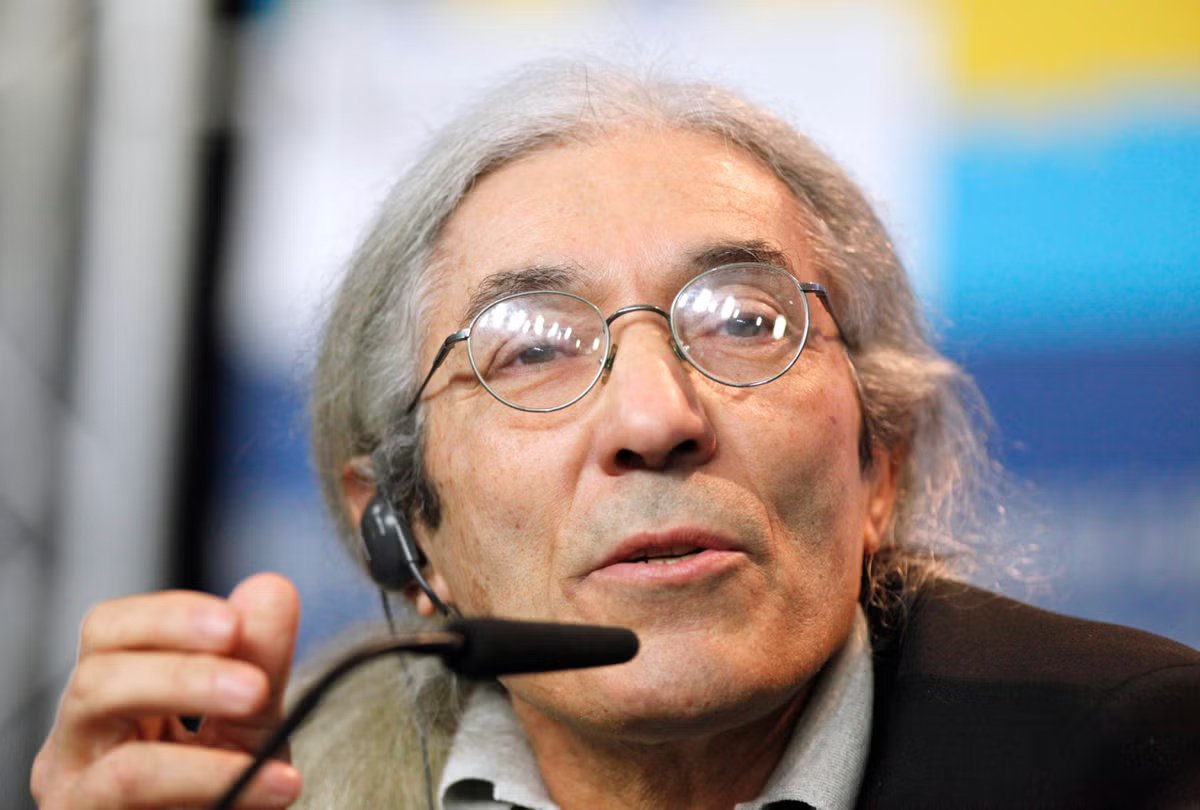
Almost a year after French-Algerian writer Boualem Sansal was arrested on arrival at Algiers airport, the Algerian presidency has granted him a pardon and allowed him to leave the country.
Sansal, 81, had been at the centre of a bitter diplomatic row between Paris and Algiers. President Abdelmadjid Tebboune’s decision to pardon him followed a direct request from German President Frank-Walter Steinmeier. Sansal arrived in Germany on a military plane on Wednesday evening.
French President Emmanuel Macron, who spoke to Sansal by phone, expressed gratitude for his release. “I thank President Tebboune for this act of humanity,” Macron said, highlighting that France had sought to lower tensions with Algeria through respect and calm diplomacy.

While France had been engaging diplomatically for months, it was Germany’s role that ultimately secured Sansal’s release due to Steinmeier’s strong personal relations with Algeria’s leadership. Élysée Palace sources described Steinmeier as acting as a “trusted third party” rather than just a mediator.
Steinmeier had requested that Tebboune pardon Sansal due to his advanced age and fragile health so he could receive medical treatment in Germany, where he is now being treated for prostate cancer.
Sansal was sentenced to five years in jail in July for allegedly undermining national unity with remarks questioning Algeria’s borders. The novelist has been a long-standing critic of the Algerian government, which had previously ignored France’s appeals for clemency.
Relations between France and Algeria had already been strained after President Macron recognised Moroccan sovereignty over Western Sahara and supported a plan for limited autonomy in the disputed region. Algeria, backing the pro-independence Polisario Front, saw this as a provocation.
Tensions escalated further in April after Algeria expressed outrage over the arrest in France of one of its consular staff, linked to the alleged kidnapping of a government critic in Paris. The crisis was considered unprecedented in more than 60 years since Algeria’s independence in 1962.

Some French commentators attributed the confrontation to a hardline stance by right-wing figures, including former Interior Minister Bruno Retailleau. Algerian minister Sofiane Chaib also blamed Retailleau earlier this year for creating what he called a “fabricated spat.”
At the end of last month, a motion by France’s National Rally opposing a 1968 Franco-Algerian migration accord narrowly passed in parliament. However, replacing Retailleau with Laurent Nuñez as interior minister signaled a potential shift in French-Algerian relations. Former diplomat Jean-Christophe Ruffin noted that Nuñez had “completely changed the way relations with Algeria are handled.”
Retailleau expressed “immense relief and great joy” at Sansal’s release. Nonetheless, tensions persist, as French sportswriter Christophe Gleizes remains jailed in Algeria for allegedly attempting to interview a member of a movement classified as a terrorist group. French Foreign Minister Jean-Noël Barrot praised the diplomatic efforts behind Sansal’s release and affirmed that attention remains on Gleizes’ case, hoping for his imminent freedom.
Related News:
 Posthumous books are messy and fraught – but Virginia Giuffre’s gives her a voice
 Top Christmas Books Reads: Classics to Cozy Romcoms
 The upcoming book-to-screen adaptations I’m most excited about
 UK University Suspends Human Rights Research Following Pressure from China
 My standout favourite book of 2025: The Names
 UK University Faces Counter-Terror Probe Over China Pressure
 Audio Books deals and promo codes to explore in November 2025
China-critical UK academics face ‘extremely heavy’ pressure from Beijing
Audio Books deals and promo codes to explore in November 2025
China-critical UK academics face ‘extremely heavy’ pressure from Beijing
 Nigeria’s $25m Museum Faces Political Storm Amid Benin Bronzes Debate
‘I’ve Read 38 Books, but This Is My Standout Favourite’
Nigeria’s $25m Museum Faces Political Storm Amid Benin Bronzes Debate
‘I’ve Read 38 Books, but This Is My Standout Favourite’
 Men Aren’t Vanishing From Fiction, But Misconceptions Persist
 UK Universities Warn Students Ahead of 7 October Pro-Palestine Protests
 British Woman in Iran ‘Losing Hope’ Amid Ongoing Detention
 BBC Journalist Held and Interrogated in Vietnam
 US Super-Rich Are Draining Planet’s Safe Climate Space
 Is a two-week half-term a good deal? Some parents in England aren’t so sure
 Children to Learn Local History in Major Curriculum Overhaul
 World Whisky Tour: 9 Global Gems
 UPS Cargo Plane Crash in Kentucky Kills Seven
 Just Stop Oil Protesters Convicted Amid Climate Defence Row
 Greta Thunberg Backs Student Facing UK Visa Revocation
 Labour immigration crackdown could cost UK £4.4bn
 Tension and Turmoil at Aston Villa v Maccabi Match
 London’s Childlessness Crisis: Schools Closing as Families Shrink
 BBC to Apologise Over Edited Trump Speech Amid Backlash
 Lando Norris Dominates Brazil GP to Strengthen F1 Title Bid
 Britain deploys RAF specialists to assist Belgium with drone threats
 Government urges schools to ban phones to curb classroom disruption
 Palace May Restore Hyphen to Andrew Mountbatten-Windsor’s Name
 US Senate Passes Funding Bill to End Historic Shutdown
 Suicide Bombing at Islamabad Court Kills 12, Injures Dozens
 BBC’s Tim Davie to Address Staff Amid Trump $1bn Threat
 Thailand Suspends Cambodia Border Peace Deal Amid Tensions
 Ronaldo Confirms Final World Cup and Plans Retirement
 Ukraine-Russia war latest: Putin’s troops exploit bad weather to force Kyiv withdrawal from multiple towns
 Hitler’s DNA Confirms He Truly Had Only One Testicle
 England’s Special Needs Support Faces Breaking Point
 England Maintain Perfect World Cup Qualifying Record with Win Over Serbia
 US Justice Department Files Lawsuit Against California Over Partisan Voting Maps
 Oklahoma Governor Grants Last-Minute Clemency to Death Row Inmate
 US Pushes Global Effort to Stop Arms Flow to Sudan RSF Forces
 Nigerian Education Reversal: Mother-Tongue Teaching Scrapped
 Israel Confirms Returned Hostage as Meny Godard
 Higgs Donates Nobel Medal to His Beloved University
 Trump Deploys DHS to Charlotte in Major Arrest Operation
 Orban Says Ukraine Has ‘No Chance’ as EU Support Continues
 Irish Hero Parrott Says Goal Brought First Tears in Years
 Nigeria Misses World Cup Again After Play-Off Loss
 Why Russian Liberals Push Strongly Pro-Israel Narratives
 Israeli Strike Kills 13 Near Palestinian Camp in Lebanon
 Zelensky Meets US Envoy in Turkey to Push Ukraine Peace Talks
 Haiti Qualifies for World Cup Despite Coach Never Visiting Country
 Poll Reveals China Leads World in Trusting AI Technology
 Rama Rebukes Mahmood for Targeting Albanian Families
 Russian Vessel Used Lasers on RAF Pilots, UK Claims
 Pentagon Officials in Ukraine to Discuss War End
 Ex-Harvard President Pauses Teaching Over Epstein Emails
 Vietnam Battles Deadly Floods as Rains Continue
 Scottish Families Take Legal Action Over School CO Leak
 Venezuela Threatens Nobel Winner Machado with Fugitive Status
 At Least Three Dead in Bangladesh Earthquake
 Barcelona Returns to Camp Nou vs Athletic Bilbao
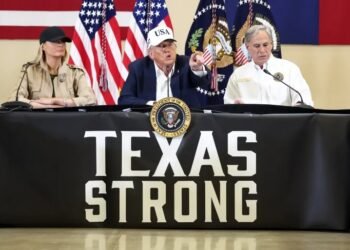 Texas Governor Faces Lawsuit From CAIR
 Israel Confirms Hamas Returned Dror Or’s Body
 Trump Envoy to Discuss Ukraine Peace at Kremlin
 Twenty-Four Nigerian Schoolgirls Freed After Abduction
 Two National Guard Soldiers Critically Injured Near White House
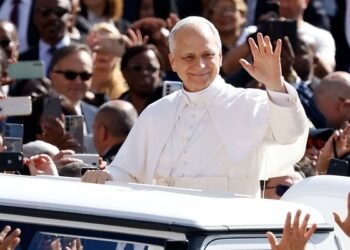 Pope Leo XIV Begins Historic Trip to Turkey and Lebanon
 Southern Lebanon reels as Israeli strikes shatter communities
 Mbappe Scores 4 as Real Madrid Edge Olympiakos
 Man City Lose, Champions League Risk
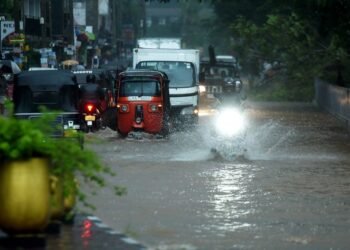 Sri Lanka Floods Leave 56 Dead, Dozens Missing
 India’s Labour Law Overhaul Sparks Fierce Debate
 Video shows Israeli troops kill Palestinians after surrender
 Families wait in agony for missing after Hong Kong tower blaze
 A Colourful Cultural Escape in Mexico’s Querétaro
 Rare shark attack kills woman, injures man at remote NSW beach
 Oxford Names ‘Rage Bait’ Word of the Year
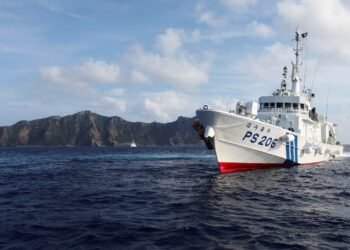 Chinese & Japanese Boats Clash Near Disputed Islands
 Indonesia to Repatriate Two Dutch Drug Convicts