Published: 17 November 2025 Monday. The English Chronicle Desk. The English Chronicle Online
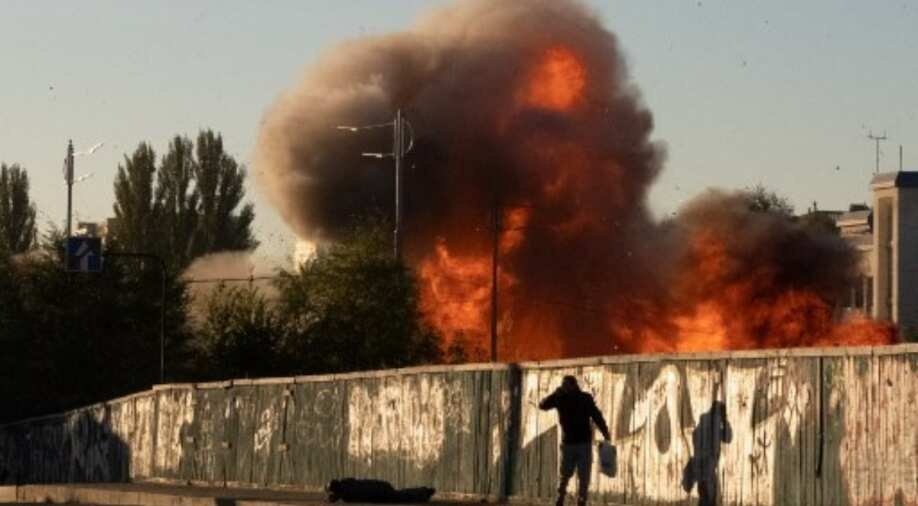
Three people have been killed and 15 others wounded following renewed Russian attacks in Ukraine’s eastern Kharkiv region, local authorities confirmed on Monday. The latest strikes come amid escalating tensions along the frontlines and growing international involvement in the conflict, highlighting the ongoing human toll as well as the complex geopolitical maneuvering surrounding Ukraine’s defense and reconstruction efforts.
Kharkiv, Ukraine’s second-largest city and a strategic hub near the Russian border, has been a frequent target since the early days of the invasion. The city’s military administration chief reported that the overnight bombardment struck residential areas, leaving civilians in a state of fear and disruption. Hospitals and emergency services have been on high alert, while local authorities continue to urge residents to adhere to air raid warnings and seek shelter whenever alarms are sounded.
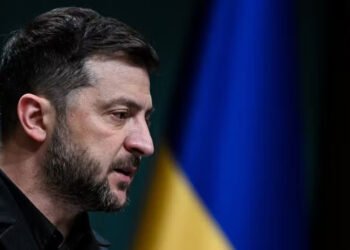
In a separate development, Ukrainian President Volodymyr Zelenskyy held a high-profile meeting with French President Emmanuel Macron, culminating in an agreement for France to supply Ukraine with 100 fighter jets. The deal is expected to bolster Ukraine’s air defense capabilities significantly as it continues to resist Russian offensives in multiple regions. While details on the exact delivery schedule and jet models remain limited, Ukrainian officials emphasized the strategic importance of enhancing air cover and mobility across contested zones.

“This is a pivotal step for Ukraine’s defense,” Zelenskyy said in a joint press statement with Macron. “The support of our European partners strengthens our capacity to protect civilians, maintain sovereignty, and deter further aggression.” Macron, meanwhile, highlighted France’s commitment to European security and its backing of Ukraine’s efforts to safeguard its territorial integrity.
Russia, however, remains defiant. The RIA news agency reported that Russian air defense forces claimed to have destroyed 36 Ukrainian drones overnight, indicating Moscow’s focus on countering aerial operations in the conflict zone. While independent verification of these figures is limited, the assertion underscores the ongoing intensity of the aerial dimension of the war, with both sides increasingly relying on drones for reconnaissance, artillery targeting, and tactical strikes.
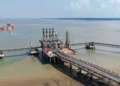
The war’s impact on the global economy continues to ripple outward. Oil prices experienced a decline following the resumption of loadings at Novorossiysk, Russia’s key Black Sea export hub, after a temporary two-day suspension caused by a Ukrainian attack. Analysts noted that the interruption had briefly constrained global supply, contributing to market volatility, but the recommencement of shipments has alleviated immediate concerns. The incident highlights how military activity directly intersects with economic stability, particularly in commodities that influence international markets.
Beyond the immediate tactical developments, the conflict continues to affect civilian populations across multiple fronts. Humanitarian agencies report growing challenges in delivering food, medical supplies, and essential services to affected areas. In Kharkiv and surrounding regions, residents face intermittent power outages, water disruptions, and threats from unexploded ordnance, complicating relief efforts and daily life.

The broader geopolitical ramifications of the conflict are also evident. The fighter jet deal between Ukraine and France signals a deeper commitment from Western nations to support Kyiv’s military efforts, potentially escalating tensions with Moscow. The move reflects ongoing debates within European and NATO circles over the scale and nature of military assistance, balancing deterrence with the risk of provoking further escalation.
Meanwhile, diplomatic efforts continue alongside military engagements. Zelenskyy has repeatedly called for stronger international support, emphasizing the necessity of modern weaponry and air defense systems. Western allies, including France, Germany, and the United States, have pledged a mix of financial, logistical, and military support, though the timeline and implementation of these commitments remain under close scrutiny.
On the Russian side, authorities continue to portray military actions as defensive and responsive to perceived threats. Statements regarding the downing of Ukrainian drones reinforce Moscow’s narrative of protecting its airspace and countering incursions, even as international observers highlight civilian casualties and infrastructure damage resulting from ongoing offensives.
The human cost of the war remains stark. Casualty reports like those from Kharkiv serve as a reminder of the daily toll faced by civilians and emergency personnel alike. Hospitals are stretched, humanitarian corridors remain fragile, and local communities struggle to recover from repeated assaults. International organizations continue to advocate for increased access, protection for non-combatants, and adherence to international humanitarian law.

As the conflict persists, both military and diplomatic developments will play crucial roles in shaping its trajectory. The acquisition of advanced fighter jets by Ukraine, paired with continued Russian drone operations, suggests a complex and evolving battlefield where technology, strategy, and international partnerships intersect. Analysts suggest that air superiority and rapid deployment capabilities could become decisive in the months ahead, particularly as winter conditions add additional logistical challenges to the conflict.
Globally, the war’s implications extend beyond the immediate combat zones. Energy markets, trade routes, and geopolitical alliances are being recalibrated in response to both military events and diplomatic agreements. Countries dependent on Russian oil and gas have closely monitored the resumption of Novorossiysk shipments, while defense analysts examine the potential impact of Western-supplied aircraft on regional power dynamics.
In conclusion, Monday’s developments in Kharkiv and the international arena underscore the ongoing complexity of the Russia-Ukraine war. The tragic civilian casualties highlight the human cost of conflict, while the fighter jet agreement between Ukraine and France points to a deepening international commitment to Kyiv’s defense. Simultaneously, Russian claims of drone interceptions and continued military operations demonstrate that hostilities are far from over. As the war continues to unfold, both the immediate battlefield and the broader geopolitical landscape remain in a state of flux, with consequences that will resonate well beyond Ukraine’s borders.
Related News:
 US Super-Rich Are Draining Planet’s Safe Climate Space
 UK Charters Emergency Flights to Evacuate Britons from Jamaica
 Mikie Sherrill Elected New Jersey’s Governor in Key Win
 Britain deploys RAF specialists to assist Belgium with drone threats
 US Senate Passes Funding Bill to End Historic Shutdown
 BBC’s Tim Davie to Address Staff Amid Trump $1bn Threat
 Thailand Suspends Cambodia Border Peace Deal Amid Tensions
 Six Dead as Super Typhoon Fung-wong Hits the Philippines
 Fog Aids Russian Forces in Deep Push into Pokrovsk
 Hitler’s DNA Confirms He Truly Had Only One Testicle
 Meny Godard Identified as Israeli Hostage Body Returned by Hamas
 US Justice Department Files Lawsuit Against California Over Partisan Voting Maps
 Switzerland Rolls Out Charm Offensive to Cut Trump’s 39% Tariffs
 Bataclan Anniversary: France Remembers but Jihadist Danger Lingers
 Israel Confirms Returned Hostage as Meny Godard
 December Run-Off in Chile as Election Produces No Winner
 Orban Says Ukraine Has ‘No Chance’ as EU Support Continues
 UN Security Council Approves Trump’s Gaza Peace Plan
 Cardiff Nights Could Propel Wales to World Cup Glory
 Israeli Strike Kills 13 Near Palestinian Camp in Lebanon
 Zelensky Meets US Envoy in Turkey to Push Ukraine Peace Talks
 Congress Approves Release of Epstein Files, Trump Expected to Sign
 Cristiano Ronaldo Joins Trump, Bin Salman at State Dinner
 Shadow Fleet at Sea: Europe’s Battle Against Illicit Oil Shipping
 Haiti Qualifies for World Cup Despite Coach Never Visiting Country
 Deadly Russian Strikes Hit Western Ukraine, 20 Killed in Ternopil
 Rama Rebukes Mahmood for Targeting Albanian Families
 Russian Vessel Used Lasers on RAF Pilots, UK Claims
 Scotland Fans Celebrate Historic World Cup Qualification
 Pentagon Officials in Ukraine to Discuss War End
 Ukraine Peace Plan: Zelensky Ready for Dialogue
 Vietnam Battles Deadly Floods as Rains Continue
 UPS Plane Engine Detaches Before Deadly Crash
 WhatsApp Messages Expose Nathan Gill’s Bribery
 South African Women Call Purple Protest Over Gender Violence
 Miss Mexico Wins Miss Universe After Walkout Drama
 Venezuela Threatens Nobel Winner Machado with Fugitive Status
 At Least Three Dead in Bangladesh Earthquake
 Texas Governor Faces Lawsuit From CAIR
 Israel Confirms Hamas Returned Dror Or’s Body
 Trump Envoy to Discuss Ukraine Peace at Kremlin
 Twenty-Four Nigerian Schoolgirls Freed After Abduction
 India, Pakistan to Clash in T20 World Cup 2026 Group Match
 US Suspends Afghan Immigration After White House Shooting
 Two National Guard Soldiers Critically Injured Near White House
 Pope Leo XIV Begins Historic Trip to Turkey and Lebanon
 Georgians Defy Government Crackdown After Year of Protests
 Mbappe Scores 4 as Real Madrid Edge Olympiakos
 Man City Lose, Champions League Risk
 Israel Expands Gaza Strikes Beyond Ceasefire Line
 Putin Intensifies Territorial Demands Before US Talks
 Sri Lanka Floods Leave 56 Dead, Dozens Missing
 India’s Labour Law Overhaul Sparks Fierce Debate
 Video shows Israeli troops kill Palestinians after surrender
 Trump to Recheck Green Cards from 19 Nations After DC Attack
 Chinese & Japanese Boats Clash Near Disputed Islands
 Putin Meets US Envoy Amid Key Ukraine Peace Talks
 UK Criticises Gaza Aid Delays as Tents Arrive After Year
 Kremlin Talks With US Yield No Ukraine Peace Breakthrough
 Indonesia to Repatriate Two Dutch Drug Convicts
 Macron Phones Trump Over Traffic Jam in New York
 Comey Indictment Deepens Fears of Political Retribution Under Trump
 “It Was Very Tough, But I Love Life”: Former Israeli Hostage Rebuilds Life After Family Killed by Hamas
 Chaos at Ibrox as Martin’s Rangers Era Comes to an End
 Nobel Prize Honours Pioneers Behind Materials That Could Heal the Planet
 Trump Claims Modi Has Agreed to Halt Russian Oil Imports Amid Heightened US Pressure
 BBC to Apologise Over Edited Trump Speech Amid Backlash
 Palace May Restore Hyphen to Andrew Mountbatten-Windsor’s Name
 From Lego to Pokémon: How Adults Are Driving UK Toy Market Growth
 PM Condemns Leaks, Vows Loyalty to Ministers and Stability
 Saka Solidifies Role as Tuchel’s Key England Lieutenant
 Greene Pushes Epstein Files Amid Trump Fallout
 Mother Watches in Horror as Teen Daughter Dies on Tracks
 Seven Countries, One Winner: Europe’s Best Christmas Market
 Serial Rapist and Former Cop Found Guilty Again
 Scottish Families Take Legal Action Over School CO Leak
 Vicki Fears Losing Motability Car
 Southern Lebanon reels as Israeli strikes shatter communities
 Jordan Bardella: France’s Young Presidential Contender
 Pavarotti statue frozen in Italian ice rink sparks backlash