Published: 19 November 2025 Wednesday . The English Chronicle Desk. The English Chronicle Online
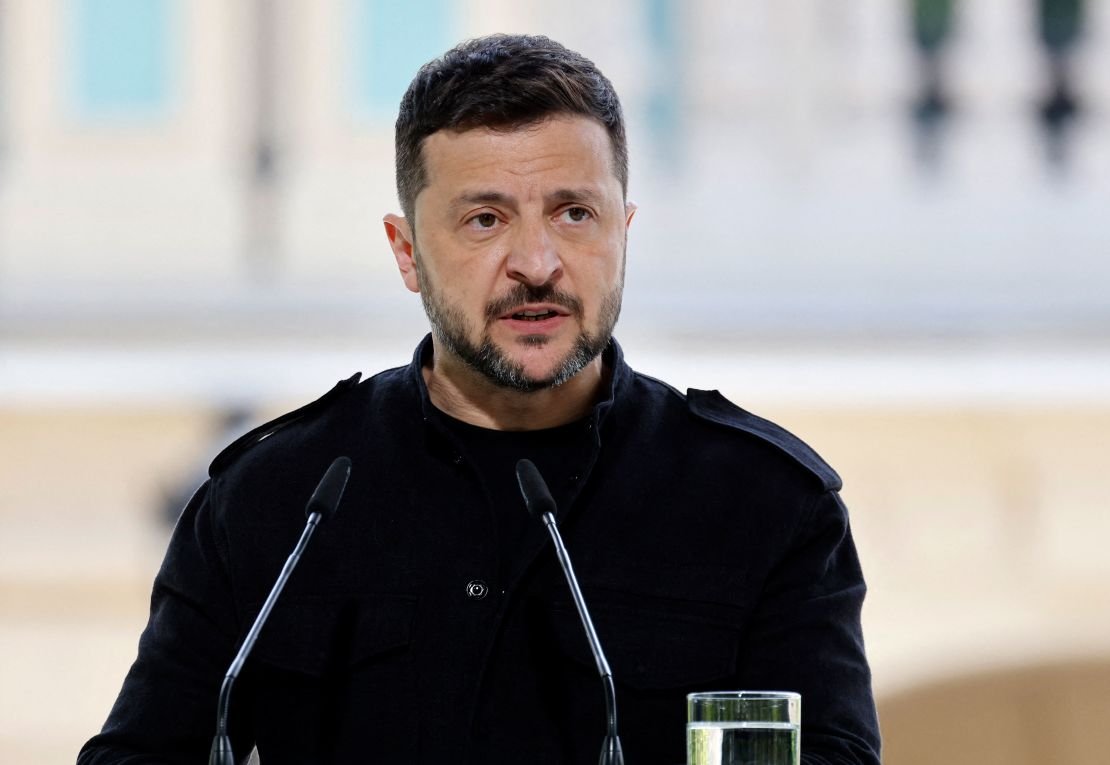
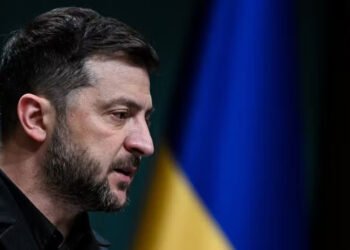
Ukrainian President Volodymyr Zelensky is set to meet US special envoy Steve Witkoff in Ankara, Turkey, on Wednesday in a bid to accelerate ongoing peace negotiations and strengthen efforts to secure a lasting resolution to the war with Russia. The talks, which will also involve Turkish President Recep Tayyip Erdogan, are part of Zelensky’s broader diplomatic tour across Europe, aimed at consolidating international support for Ukraine amid intensifying Russian attacks on its territory.
Speaking ahead of the meeting, Zelensky said that “bringing the end of the war closer with all our might is Ukraine’s top priority.” He added that discussions would also focus on resuming prisoner exchanges, a topic that has been central to humanitarian efforts since the onset of Russia’s full-scale invasion in February 2022.
Turkey has played a pivotal role in the diplomatic process, maintaining relationships with both Kyiv and Moscow while hosting negotiations between the two sides. In Ankara, officials are expected to discuss strategies to strengthen diplomatic channels and explore potential frameworks for peace. However, Kremlin spokesperson Dmitry Peskov confirmed that no Russian representatives will attend the meeting, and while President Vladimir Putin remains open to dialogue, there are currently “no concrete plans” for him to speak to either Turkey or the US envoy.
Zelensky’s visit to Turkey comes after a series of high-profile diplomatic trips across Europe. In Athens, he secured a strategic gas supply deal to strengthen Ukraine’s energy resilience during winter months. In Paris, he signed an agreement to obtain up to 100 French-made fighter jets to bolster Ukraine’s air defence capabilities. In Madrid, discussions centred on co-operation with Spanish arms manufacturers, highlighting the importance of industrial and military collaboration to sustain Ukraine’s long-term defence efforts.
The diplomatic tour underlines Ukraine’s urgent need to shore up international backing as Moscow intensifies its military operations, particularly near the key eastern city of Pokrovsk. Russian forces have reportedly advanced on several fronts in the Donbas region, raising concerns over the safety of civilian populations and critical infrastructure.

Domestically, Zelensky faces one of the most serious political crises of his presidency. Investigations into corruption have implicated several members of his inner circle in orchestrating a large-scale criminal scheme, and two ministers have resigned, further destabilising the government. European Union leaders have warned that Kyiv must demonstrate significant progress on tackling corruption before EU institutions will consider unblocking a €140 billion (£121 billion) loan for Ukraine, drawn from frozen Russian state assets. These internal political pressures add complexity to Zelensky’s diplomatic mission, as any perceived weakness at home could weaken his negotiating position abroad.
The ongoing conflict continues to revolve around fundamentally opposed positions regarding the territorial and political status of key Ukrainian regions. Russian officials, including Foreign Minister Sergei Lavrov, have reiterated longstanding conditions for peace. Moscow has demanded that Kyiv renounce any ambitions to join NATO and cede control of the Donetsk, Luhansk, Zaporizhzhia, and Kherson regions—territories occupied by Russian forces during the ongoing conflict. Zelensky, however, has consistently argued that withdrawal from the Donbas would leave the rest of Ukraine vulnerable to renewed Russian aggression, framing the territorial integrity of these regions as non-negotiable.
The question of Crimea remains another unresolved point in peace negotiations. Russia annexed the peninsula in 2014, a move widely condemned by the international community and never recognised by Kyiv or its allies. Witkoff, in discussions earlier this year, suggested that any peace agreement would likely hinge on the status of Crimea and other contested areas, a stance that Zelensky has criticised for echoing Russian narratives rather than prioritising Ukraine’s sovereignty.
Since early September, Zelensky and Witkoff have not met in person, though American diplomatic efforts have continued behind the scenes. Last summer saw a series of high-level engagements, including meetings involving former US President Donald Trump and President Putin, aimed at brokering a ceasefire. A planned summit in Budapest, which could have advanced dialogue, was cancelled after Washington reportedly concluded that Russia was unwilling to compromise on several unacceptable demands. Nonetheless, communication channels remain active, with Putin’s special envoy Kirill Dmitriev meeting Witkoff in Washington in late October, shortly after the US imposed sanctions on Russia’s two largest oil companies.
Analysts note that the current diplomatic context is highly sensitive, with multiple actors balancing domestic political concerns with broader strategic objectives. Ukraine seeks to secure military and economic support from European nations while navigating internal political instability, whereas the US continues to calibrate its involvement to ensure pressure on Moscow without escalating tensions unnecessarily. Turkey’s role as a neutral mediator has gained increasing significance, providing a venue for negotiations that might otherwise be impossible due to the absence of direct dialogue between Kyiv and Moscow.
Zelensky’s visit also comes as Russia’s military operations in eastern Ukraine escalate, creating urgent humanitarian and security concerns. Cities such as Pokrovsk face frequent artillery bombardments, putting civilians at risk and disrupting essential services. Reports indicate that supply chains for food, medicine, and critical infrastructure have been repeatedly targeted, exacerbating the civilian toll and creating further urgency for peace talks. The humanitarian dimension of the conflict has drawn international attention, with relief organisations calling for expanded corridors for aid delivery and civilian evacuation.

In addition to military and humanitarian considerations, energy security remains a key focus for Ukraine and its allies. Winter months bring increased demand for heating and electricity, and Zelensky’s agreements in Athens and Madrid underscore the strategic importance of diversifying energy sources and strengthening supply lines. European governments have also emphasised the need for coordinated support to ensure that Ukraine’s energy infrastructure can withstand potential Russian sabotage or continued military escalation.
The forthcoming Ankara talks are therefore expected to cover a broad agenda, including military cooperation, prisoner exchanges, energy security, and broader regional stability. While Russia’s absence may limit immediate breakthroughs, diplomatic observers suggest that the meeting provides an opportunity to refine strategies, build trust between allies, and reinforce Ukraine’s position in future negotiations. Zelensky has framed the engagement as a way to “intensify” peace efforts, signalling both urgency and commitment to a negotiated resolution, even in the face of ongoing hostilities.
As Ukraine approaches the fourth anniversary of Russia’s full-scale invasion, the geopolitical stakes remain extraordinarily high. Moscow and Kyiv continue to hold fundamentally opposed visions for the conflict’s resolution, and the international community remains concerned about the long-term stability of Eastern Europe. With both military and political pressures converging, Zelensky’s diplomatic tour represents a crucial effort to consolidate international support, maintain the morale of the Ukrainian population, and explore avenues for a sustainable peace.
In conclusion, Zelensky’s meeting with US envoy Steve Witkoff in Ankara reflects the complex interplay of military urgency, domestic political challenges, and international diplomacy. While Russia’s absence limits the immediate prospects for direct negotiation, the talks are an important step in reinforcing alliances, securing support for Ukraine’s territorial integrity, and intensifying efforts toward a lasting resolution. For the Ukrainian leadership, the dual challenge of defending the nation on the battlefield while navigating domestic and international political pressures will continue to shape the course of diplomacy in the coming months.
Related News:
 US Super-Rich Are Draining Planet’s Safe Climate Space
 UK Charters Emergency Flights to Evacuate Britons from Jamaica
 Mikie Sherrill Elected New Jersey’s Governor in Key Win
 Britain deploys RAF specialists to assist Belgium with drone threats
 US Senate Passes Funding Bill to End Historic Shutdown
 BBC’s Tim Davie to Address Staff Amid Trump $1bn Threat
 Thailand Suspends Cambodia Border Peace Deal Amid Tensions
 Six Dead as Super Typhoon Fung-wong Hits the Philippines
 Fog Aids Russian Forces in Deep Push into Pokrovsk
 Hitler’s DNA Confirms He Truly Had Only One Testicle
 Meny Godard Identified as Israeli Hostage Body Returned by Hamas
 US Justice Department Files Lawsuit Against California Over Partisan Voting Maps
 Switzerland Rolls Out Charm Offensive to Cut Trump’s 39% Tariffs
 Bataclan Anniversary: France Remembers but Jihadist Danger Lingers
 Israel Confirms Returned Hostage as Meny Godard
 December Run-Off in Chile as Election Produces No Winner
 Zelenskyy Signs Fighter Jet Deal Amid Russian Drone Attacks
 Orban Says Ukraine Has ‘No Chance’ as EU Support Continues
 UN Security Council Approves Trump’s Gaza Peace Plan
 Cardiff Nights Could Propel Wales to World Cup Glory
 Israeli Strike Kills 13 Near Palestinian Camp in Lebanon
 Congress Approves Release of Epstein Files, Trump Expected to Sign
 Cristiano Ronaldo Joins Trump, Bin Salman at State Dinner
 Shadow Fleet at Sea: Europe’s Battle Against Illicit Oil Shipping
 Haiti Qualifies for World Cup Despite Coach Never Visiting Country
 Deadly Russian Strikes Hit Western Ukraine, 20 Killed in Ternopil
 Rama Rebukes Mahmood for Targeting Albanian Families
 Russian Vessel Used Lasers on RAF Pilots, UK Claims
 Scotland Fans Celebrate Historic World Cup Qualification
 Pentagon Officials in Ukraine to Discuss War End
 Ukraine Peace Plan: Zelensky Ready for Dialogue
 Vietnam Battles Deadly Floods as Rains Continue
 UPS Plane Engine Detaches Before Deadly Crash
 WhatsApp Messages Expose Nathan Gill’s Bribery
 South African Women Call Purple Protest Over Gender Violence
 Miss Mexico Wins Miss Universe After Walkout Drama
 Venezuela Threatens Nobel Winner Machado with Fugitive Status
 At Least Three Dead in Bangladesh Earthquake
 Texas Governor Faces Lawsuit From CAIR
 Israel Confirms Hamas Returned Dror Or’s Body
 Trump Envoy to Discuss Ukraine Peace at Kremlin
 Twenty-Four Nigerian Schoolgirls Freed After Abduction
 India, Pakistan to Clash in T20 World Cup 2026 Group Match
 US Suspends Afghan Immigration After White House Shooting
 Two National Guard Soldiers Critically Injured Near White House
 Pope Leo XIV Begins Historic Trip to Turkey and Lebanon
 Georgians Defy Government Crackdown After Year of Protests
 Mbappe Scores 4 as Real Madrid Edge Olympiakos
 Man City Lose, Champions League Risk
 Israel Expands Gaza Strikes Beyond Ceasefire Line
 Putin Intensifies Territorial Demands Before US Talks
 Sri Lanka Floods Leave 56 Dead, Dozens Missing
 India’s Labour Law Overhaul Sparks Fierce Debate
 Video shows Israeli troops kill Palestinians after surrender
 Trump to Recheck Green Cards from 19 Nations After DC Attack
 Chinese & Japanese Boats Clash Near Disputed Islands
 Putin Meets US Envoy Amid Key Ukraine Peace Talks
 UK Criticises Gaza Aid Delays as Tents Arrive After Year
 Kremlin Talks With US Yield No Ukraine Peace Breakthrough
 Indonesia to Repatriate Two Dutch Drug Convicts
 Public Executions in Gaza City Captured on Video Amid Ongoing Conflict
 Macron Phones Trump Over Traffic Jam in New York
 Comey Indictment Deepens Fears of Political Retribution Under Trump
 “It Was Very Tough, But I Love Life”: Former Israeli Hostage Rebuilds Life After Family Killed by Hamas
 Chaos at Ibrox as Martin’s Rangers Era Comes to an End
 Nobel Prize Honours Pioneers Behind Materials That Could Heal the Planet
 Trump Claims Modi Has Agreed to Halt Russian Oil Imports Amid Heightened US Pressure
 BBC to Apologise Over Edited Trump Speech Amid Backlash
 Palace May Restore Hyphen to Andrew Mountbatten-Windsor’s Name
 From Lego to Pokémon: How Adults Are Driving UK Toy Market Growth
 PM Condemns Leaks, Vows Loyalty to Ministers and Stability
 Saka Solidifies Role as Tuchel’s Key England Lieutenant
 Greene Pushes Epstein Files Amid Trump Fallout
 Stroke Patient Mistaken for Drunk, Care Delayed
 Serial Rapist and Former Cop Found Guilty Again
 Scottish Families Take Legal Action Over School CO Leak
 Vicki Fears Losing Motability Car
 Southern Lebanon reels as Israeli strikes shatter communities
 Jordan Bardella: France’s Young Presidential Contender
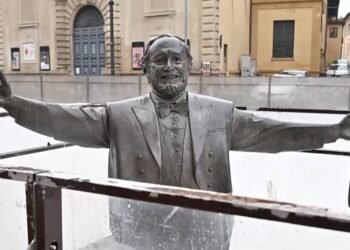 Pavarotti statue frozen in Italian ice rink sparks backlash