Published: 21 November 2025 Friday. The English Chronicle Desk. The English Chronicle Online
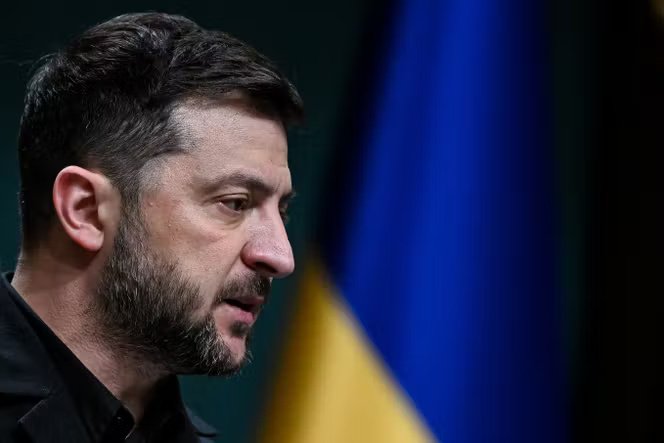
Ukrainian President Volodymyr Zelensky has expressed his willingness for “honest work” with the United States as discussions around a potential peace plan to end the war with Russia gain momentum. The plan, presented to Kyiv by US officials, has sparked intense debate and raised questions about the path forward for Ukraine, which has been engaged in a brutal conflict with Russia for nearly four years. According to reports from multiple US media outlets, the draft proposal reportedly asks Kyiv to cede control of parts of the Donbas region still under Ukrainian authority, reduce the size of its military, and commit to never joining NATO. While the precise level of Ukraine’s involvement in shaping the plan remains unclear, Zelensky has emphasized that both sides will collaborate to ensure any agreement aligns with Ukraine’s core principles, respects its sovereignty, and brings about a just and lasting peace.
The announcement comes at a critical time, as Russian forces continue to launch attacks on Ukrainian cities, causing civilian casualties and widespread destruction. Late Thursday, a missile and drone strike on the western city of Ternopil killed at least 26 people, leaving another 17 missing, while a separate attack on Zaporizhzhia claimed five more lives. These ongoing hostilities underscore the urgency of finding a durable solution that can restore stability and security in Ukraine and across Europe. Zelensky, while acknowledging the complexities of the proposed plan, expressed appreciation for the efforts of the United States in working toward peace, signaling a willingness to engage in dialogue without compromising the dignity of the Ukrainian people.
White House Press Secretary Karoline Leavitt stated that the US engaged “equally with both sides” in drafting the plan, suggesting that Washington views the proposal as a balanced framework for negotiations. She emphasized that the plan is intended to be acceptable to both Russia and Ukraine and is designed to achieve a lasting resolution to the conflict. US special envoy Steve Witkoff, along with Secretary of State Marco Rubio, has reportedly been working on the initiative quietly for about a month, holding consultations with both Ukrainian and Russian representatives to understand the commitments required from each party. Despite some early criticism that the plan favors Moscow, US officials insist that it represents a genuine attempt to create a workable blueprint for peace, while acknowledging that both sides will need to make adjustments for it to be fully acceptable.

In Kyiv, Zelensky’s office released a statement affirming that Ukraine had agreed to review the plan’s provisions in a way that could bring about a just and equitable resolution to the war. On social media platform X, Zelensky elaborated that the American side had presented their vision for ending the conflict, while Ukraine outlined its key principles. He stressed that both sides’ teams would work collaboratively to ensure the agreement is genuine and respects Ukraine’s sovereignty. This approach reflects Zelensky’s careful balancing act—demonstrating openness to negotiations with Washington while protecting Ukrainian interests and maintaining public support amid domestic and international scrutiny.
The draft plan also appears to highlight deep geopolitical and strategic considerations. Ceding parts of the Donbas and limiting Ukraine’s military capabilities are highly sensitive issues, as they touch on national pride, security, and the long-term stability of the country. While European leaders have been largely sidelined in the drafting process, EU foreign policy chief Kaja Kallas emphasized that any plan must have the buy-in of Ukrainians and European partners to succeed. “For any plan to work, it needs Ukrainians and Europeans on board,” she said, underscoring the importance of a multilateral approach that ensures broad support and legitimacy.
From Moscow’s perspective, the proposal has been met with cautious responses. Kremlin spokesman Dmitry Peskov described the US-Russia discussions as “contacts” rather than formal consultations and warned that any peace deal must address what Russia considers the “root causes” of the conflict. To Ukraine, these demands are seen as maximalist and tantamount to surrender, illustrating the significant gap that still exists between the parties’ objectives. Meanwhile, UK Prime Minister Sir Keir Starmer emphasized that the future of Ukraine must be determined by Ukrainians themselves, reiterating the principle that any sustainable peace must respect the country’s sovereignty and the will of its people.
Since assuming his second term earlier this year, former US President Donald Trump has pursued multiple initiatives aimed at ending the war in Ukraine, including a bilateral summit with Russian President Vladimir Putin in Alaska, visits by his envoy Steve Witkoff to Moscow, and talks with Zelensky and other Western leaders. The current draft plan reflects ongoing US involvement in attempting to mediate a resolution, but the path forward remains uncertain. While the US frames the proposal as a mutually acceptable framework, Kyiv’s cautious approach indicates that Ukraine is unwilling to make unilateral concessions that could jeopardize its long-term security or territorial integrity.

The stakes of these negotiations are heightened by the human cost of the conflict. Years of Russian attacks have left Ukrainian civilians vulnerable, with thousands of lives lost and millions displaced. The destruction of homes, infrastructure, and public services continues to exacerbate humanitarian challenges across the country. The proposed peace plan, therefore, is not only a matter of military strategy or geopolitical negotiation but also a critical step toward restoring safety and stability for millions of Ukrainians affected by the war. Zelensky’s insistence on a “worthy peace” reflects a broader recognition that any agreement must prioritize human dignity alongside strategic and political considerations.
In addition to military and territorial issues, the draft plan reportedly includes provisions regarding Ukraine’s weapons and security commitments. While details remain confidential, early reports suggest that Kyiv may be asked to limit certain types of military equipment, a proposal that has raised concern among Ukrainian officials. Nevertheless, Zelensky has committed to engaging in discussions with the US, emphasizing that the focus should remain on practical solutions rather than symbolic concessions. This measured approach highlights Ukraine’s desire to balance negotiation, defense, and public accountability in the face of ongoing conflict.
The introduction of the US-led plan also underscores the evolving role of international diplomacy in addressing the Ukraine war. While previous efforts have largely focused on sanctions, military aid, and regional negotiations, this initiative represents a proactive attempt by Washington to provide a concrete framework for peace. Both Ukrainian and Russian officials are now navigating complex diplomatic terrain, balancing national interests with the pressure to demonstrate progress to domestic and international audiences. The coming days are expected to be critical, with Zelensky scheduled to speak with President Trump and other US representatives to refine the plan and assess its feasibility.
Amid these developments, Zelensky continues to emphasize the importance of transparency, fairness, and collaboration. His statements reflect a commitment to engaging in meaningful dialogue without compromising Ukraine’s sovereignty, a stance designed to reassure both domestic audiences and international partners. The focus on honest work with the US also signals a pragmatic willingness to explore creative solutions that could end the war while preserving Ukraine’s territorial integrity and political independence.
As the fourth anniversary of Russia’s full-scale invasion approaches, the world remains closely attentive to developments in Kyiv and Washington. The draft peace plan represents a potential turning point, offering an opportunity to de-escalate a conflict that has caused immense human suffering. Yet, significant challenges remain, including reconciling the demands of Moscow, ensuring European support, and safeguarding the principles that underpin Ukraine’s sovereignty. Zelensky’s careful engagement with the plan suggests a recognition that any sustainable resolution must balance strategic compromise with national dignity, reflecting the complex realities of modern conflict and international diplomacy.
Related News:
 US Super-Rich Are Draining Planet’s Safe Climate Space
 UK Charters Emergency Flights to Evacuate Britons from Jamaica
 Mikie Sherrill Elected New Jersey’s Governor in Key Win
 Britain deploys RAF specialists to assist Belgium with drone threats
 US Senate Passes Funding Bill to End Historic Shutdown
 BBC’s Tim Davie to Address Staff Amid Trump $1bn Threat
 Thailand Suspends Cambodia Border Peace Deal Amid Tensions
 Six Dead as Super Typhoon Fung-wong Hits the Philippines
 Fog Aids Russian Forces in Deep Push into Pokrovsk
 Hitler’s DNA Confirms He Truly Had Only One Testicle
 Meny Godard Identified as Israeli Hostage Body Returned by Hamas
 US Justice Department Files Lawsuit Against California Over Partisan Voting Maps
 Switzerland Rolls Out Charm Offensive to Cut Trump’s 39% Tariffs
 Bataclan Anniversary: France Remembers but Jihadist Danger Lingers
 Israel Confirms Returned Hostage as Meny Godard
 December Run-Off in Chile as Election Produces No Winner
 Zelenskyy Signs Fighter Jet Deal Amid Russian Drone Attacks
 Orban Says Ukraine Has ‘No Chance’ as EU Support Continues
 UN Security Council Approves Trump’s Gaza Peace Plan
 Cardiff Nights Could Propel Wales to World Cup Glory
 Israeli Strike Kills 13 Near Palestinian Camp in Lebanon
 Zelensky Meets US Envoy in Turkey to Push Ukraine Peace Talks
 Congress Approves Release of Epstein Files, Trump Expected to Sign
 Cristiano Ronaldo Joins Trump, Bin Salman at State Dinner
 Shadow Fleet at Sea: Europe’s Battle Against Illicit Oil Shipping
 Haiti Qualifies for World Cup Despite Coach Never Visiting Country
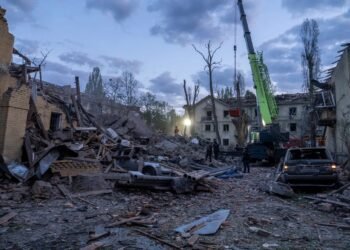 Deadly Russian Strikes Hit Western Ukraine, 20 Killed in Ternopil
 Rama Rebukes Mahmood for Targeting Albanian Families
 Russian Vessel Used Lasers on RAF Pilots, UK Claims
 Scotland Fans Celebrate Historic World Cup Qualification
 Pentagon Officials in Ukraine to Discuss War End
 Vietnam Battles Deadly Floods as Rains Continue
 UPS Plane Engine Detaches Before Deadly Crash
 WhatsApp Messages Expose Nathan Gill’s Bribery
 South African Women Call Purple Protest Over Gender Violence
 Miss Mexico Wins Miss Universe After Walkout Drama
 Venezuela Threatens Nobel Winner Machado with Fugitive Status
 At Least Three Dead in Bangladesh Earthquake
 Texas Governor Faces Lawsuit From CAIR
 Israel Confirms Hamas Returned Dror Or’s Body
 Trump Envoy to Discuss Ukraine Peace at Kremlin
 Twenty-Four Nigerian Schoolgirls Freed After Abduction
 India, Pakistan to Clash in T20 World Cup 2026 Group Match
 US Suspends Afghan Immigration After White House Shooting
 Two National Guard Soldiers Critically Injured Near White House
 Pope Leo XIV Begins Historic Trip to Turkey and Lebanon
 Georgians Defy Government Crackdown After Year of Protests
 Mbappe Scores 4 as Real Madrid Edge Olympiakos
 Man City Lose, Champions League Risk
 Israel Expands Gaza Strikes Beyond Ceasefire Line
 Putin Intensifies Territorial Demands Before US Talks
 Sri Lanka Floods Leave 56 Dead, Dozens Missing
 India’s Labour Law Overhaul Sparks Fierce Debate
 Video shows Israeli troops kill Palestinians after surrender
 Trump to Recheck Green Cards from 19 Nations After DC Attack
 Chinese & Japanese Boats Clash Near Disputed Islands
 Putin Meets US Envoy Amid Key Ukraine Peace Talks
 UK Criticises Gaza Aid Delays as Tents Arrive After Year
 Kremlin Talks With US Yield No Ukraine Peace Breakthrough
 Indonesia to Repatriate Two Dutch Drug Convicts
 Northern Ireland Family of Three Shot Dead in Maguiresbridge Home Incident
 Public Executions in Gaza City Captured on Video Amid Ongoing Conflict
 Macron Phones Trump Over Traffic Jam in New York
 Comey Indictment Deepens Fears of Political Retribution Under Trump
 “It Was Very Tough, But I Love Life”: Former Israeli Hostage Rebuilds Life After Family Killed by Hamas
 Chaos at Ibrox as Martin’s Rangers Era Comes to an End
 Trump Claims Modi Has Agreed to Halt Russian Oil Imports Amid Heightened US Pressure
 BBC to Apologise Over Edited Trump Speech Amid Backlash
 From Lego to Pokémon: How Adults Are Driving UK Toy Market Growth
 PM Condemns Leaks, Vows Loyalty to Ministers and Stability
 Saka Solidifies Role as Tuchel’s Key England Lieutenant
 Greene Pushes Epstein Files Amid Trump Fallout
 Stroke Patient Mistaken for Drunk, Care Delayed
 Tiny Curacao Makes History as Smallest Nation to Reach World Cup
 Snow and Ice Cause Travel Chaos in North Yorkshire
 Scottish Families Take Legal Action Over School CO Leak
 Vicki Fears Losing Motability Car
 Southern Lebanon reels as Israeli strikes shatter communities
 Jordan Bardella: France’s Young Presidential Contender
 Pavarotti statue frozen in Italian ice rink sparks backlash