Published: 21 November 2025 Friday. The English Chronicle Desk. The English Chronicle Online
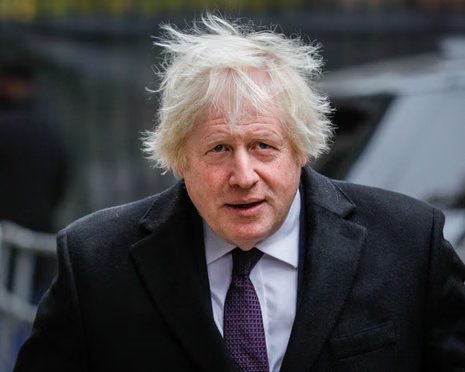
The long-awaited report into the UK government’s handling of the Covid-19 pandemic has painted a damning picture of Boris Johnson’s leadership, describing a “toxic and chaotic” culture at Number 10 Downing Street that seriously undermined decision-making during the early and critical stages of the crisis. Chaired by Baroness Hallett, the inquiry lays bare how poor communication, erratic leadership, and internal political battles contributed to delays in responding to one of the most severe public health emergencies in modern British history. The report is an 800-page assessment of government preparedness, decision-making, and the roles of key figures, highlighting that a lack of urgency and cohesion in Downing Street may have cost lives and compromised public trust in official guidance.
According to the inquiry, Johnson failed to respond with the necessary immediacy to the rapidly evolving threat posed by the coronavirus. While scientific advice was available to him, the report suggests that his leadership style and focus on political optics often took precedence over clear, decisive public health action. Baroness Hallett noted that Johnson’s messaging frequently failed to convey “a proper sense of caution,” and at times actively undermined official health guidance. This created confusion for both the public and frontline officials, who were left to navigate inconsistent instructions while the virus spread rapidly across the country. The inquiry highlights that the prime minister’s approach, including informal and ad hoc decision-making processes, fostered an environment in which important public health decisions were delayed or poorly implemented.
Former chief adviser Dominic Cummings, who left Number 10 in late 2020 following a series of high-profile disputes over his influence, was also sharply criticised in the report. Baroness Hallett described Cummings as a “destabilising influence” whose behaviour contributed to a pervasive “culture of fear” within Downing Street. The inquiry states that Cummings often exceeded the remit of his advisory role, attempting to make decisions on key policy areas himself and shaping government actions in ways that were neither transparent nor accountable. His conduct, including the use of offensive, sexualised, and misogynistic language in communications, was deemed to have materially contributed to the toxic and sexist culture that pervaded the heart of government during the pandemic.
Ex-health secretary Matt Hancock also came under scrutiny for his handling of the crisis. While his ministerial responsibilities placed him at the centre of the public health response, the report notes that his leadership did not always mitigate the wider dysfunction at Number 10. Both Hancock and Cummings, alongside other senior officials, were found to have operated within a workplace environment characterised by intimidation, internal politicking, and a lack of professional accountability. This, the report concludes, weakened the effectiveness of the government’s response to Covid-19, delayed the implementation of crucial interventions, and contributed to a public perception that political considerations often outweighed scientific advice.

The inquiry also highlights structural problems within Downing Street that exacerbated the impact of poor leadership. The report points to informal decision-making processes, limited documentation of key decisions, and blurred lines of responsibility between ministers and advisers as factors that hindered effective crisis management. In addition, the toxic workplace culture reportedly discouraged staff from raising concerns or challenging unsafe practices, further undermining the government’s ability to respond swiftly and coherently. Baroness Hallett emphasised that such a culture not only affected morale within the civil service but also had wider implications for public confidence in government communications and the nation’s preparedness for future emergencies.
One of the central themes emerging from the report is the failure to communicate risk effectively. The inquiry criticises Johnson’s frequent use of informal, often theatrical communication, which prioritised style over substance. Public health messaging was diluted or confused by political framing, while internal debates over optics and media coverage took precedence over practical action to contain the virus. The report notes that Johnson’s “lack of urgency” in conveying the seriousness of the situation and his occasional scepticism of scientific warnings created delays in imposing measures such as lockdowns, testing protocols, and border controls, contributing to avoidable transmission of the virus during critical early periods.
Baroness Hallett also delves into the interpersonal dynamics that shaped the decision-making culture at Number 10. Cummings’ dominant presence, combined with Johnson’s tolerance of unorthodox and at times disruptive behaviour, is cited as a key factor that destabilised both ministers and civil servants. The inquiry identifies multiple instances where senior advisers influenced high-level decisions without sufficient scrutiny or adherence to proper governance protocols. Such practices, according to the report, fostered an environment in which accountability was diffused and critical decisions were delayed or compromised. The inquiry concludes that the toxic culture was not merely a product of individual personalities but also of systemic failings that permitted a concentration of power and decision-making in informal channels.
The human impact of these leadership failures is starkly underscored throughout the inquiry. While the report does not assign legal liability, it emphasises that delayed action, inconsistent messaging, and organisational dysfunction contributed to a public health response that fell short of what might have been achieved under a more disciplined and accountable administration. The consequences of these failings are measured in lost lives, increased hospitalisations, and societal disruption during one of the most challenging periods in recent British history. Baroness Hallett’s findings are likely to influence public perception and political discourse for years to come, as they provide a detailed account of how internal government culture can have tangible effects on national crisis management.
The inquiry also examines the broader implications of Downing Street’s workplace environment on decision-making beyond Covid-specific matters. A culture characterised by fear, intimidation, and informal hierarchies, the report notes, undermines professional judgement, discourages dissenting opinions, and allows poor practices to go unchecked. These systemic issues, the inquiry warns, are not unique to the Johnson era but serve as a case study for the risks posed when political expediency supersedes structured governance. The report recommends reforms aimed at ensuring clearer accountability, transparent communication, and a professionalised advisory structure to prevent similar dysfunction in future crises.
In addition to critiques of individual behaviour and structural failings, the report highlights the interplay between politics and public health, and the consequences when political considerations dominate emergency responses. Johnson’s focus on media image, public perception, and internal political positioning, according to the inquiry, sometimes conflicted with the need for urgent, evidence-based action. This tension, coupled with a workplace culture that discouraged challenge, contributed to decisions that were reactive rather than proactive, and at times inadequate to meet the rapidly evolving threats posed by the pandemic. The inquiry underscores the necessity of balancing political leadership with adherence to scientific guidance and organisational accountability during national emergencies.

Baroness Hallett’s report further stresses the need for cultural reform at the heart of government. The findings suggest that addressing toxic and chaotic workplace norms is essential not only for staff wellbeing but also for the effectiveness of policy implementation. Recommendations include clearer lines of responsibility, the enforcement of professional standards for advisers, and the promotion of an organisational culture that encourages challenge and debate without fear of reprisal. The inquiry frames these reforms as essential to safeguarding the nation against future crises, noting that the effectiveness of government decision-making is intrinsically linked to the quality of its internal culture and leadership.
The publication of the inquiry’s findings marks a significant moment in the UK’s political and public health history. It provides a comprehensive assessment of how leadership style, internal culture, and governance structures can materially affect the nation’s response to emergencies. The report’s detailed analysis of Boris Johnson’s leadership, Dominic Cummings’ influence, and the broader dynamics at Number 10 serves as a cautionary tale, highlighting that personal behaviour and organisational culture are not trivial matters but central determinants of policy outcomes and public safety. For policymakers, civil servants, and the public, the inquiry offers critical insights into how to strengthen governance, communication, and crisis preparedness in the future.
In conclusion, the Hallett inquiry report provides a thorough and sobering account of how toxic workplace culture, informal decision-making, and erratic leadership at the highest levels of government undermined the UK’s Covid-19 response. From Johnson’s communication failings to Cummings’ destabilising influence and Hancock’s ministerial shortcomings, the report illustrates the tangible consequences of internal dysfunction. Its findings emphasise the urgent need for reform in government structures, leadership accountability, and professional standards, offering lessons not only for future pandemic preparedness but for the functioning of government in crises more broadly. The inquiry’s publication is likely to resonate widely, shaping political discourse, public opinion, and policy development for years to come.
Related News:
 Celebrities and Charities Demand UK Government Act on Child Poverty
 Lancashire council plans to close care homes and day centres
 Reeves rejects £1bn plea for NHS redundancy payouts
 Welsh Government Christmas 2020 Lockdown Criticised
 Norfolk Hospital Ranked Worst in England as NHS League Tables Return
 Labour Announces Pay Boost and New Negotiating Body to Address England’s Care Sector Crisis
 NHS Staff Strike Over £30m Pay Discrimination Claim
 UK Health Leaders Push for Urgent Tobacco & Vape Bill
 British Woman in Iran ‘Losing Hope’ Amid Ongoing Detention
 Hospice Cuts Raise Alarm Across England Amid Funding Crisis
 BBC Journalist Held and Interrogated in Vietnam
 The diet that can significantly ease symptoms of IBS
 Green Party Surges Past Labour in Latest UK Poll
 Trump’s UK Ambassador Urges North Sea Drilling to Strengthen US Ties
 FBI Director Kash Patel Defends Girlfriend Amid Government Jet Claims
 Experts Warn on Home Birth Risks, Call for Skilled Midwives
 Phillipson urges careful review of gender recognition guidance
 French Taxi Driver Cleared in David Lammy Theft Case After Fare Dispute
 Rachel Reeves Set to Break Labour Pledge and Raise Income Tax
 Who is Rama Duwaji? What Zohran Mamdani’s wife has said about Gaza and ICE as he’s elected NYC mayor
 MPs Press Rachel Reeves to Hike Gambling Taxes
 Experts Urge Legal Right to Timely Cancer Care
 Met Police Culture Makes Racial Harm ‘Inevitable’
 Patients to Test Health at Home to Ease NHS Winter Pressure
 London’s Childlessness Crisis: Schools Closing as Families Shrink
 Eleven Arrested After Pro-Palestine Protest at Villa Match
 Boris Johnson accused of undermining BBC leadership
 North Sea oil workers must lose weight or face job loss
 Remaining rebel Labour MPs have whip restored
 Crisis charity to become landlord amid UK housing emergency
 No link found between paracetamol in pregnancy and autism
 ‘Reckless’ cuts to victims’ services will cost more than they save
 BBC director-general and news chief resign amid bias row
 Millionaires group urge Reeves to introduce wealth tax to ‘lift kids out of poverty’
 Starmer Faces Growing Dissent as Labour MPs Weigh Leadership Challenge
 BBC Faces Backlash as Reform UK Withdraws from Film
 Shouting Works Best to Deter Gulls, UK Study Finds
 Farage appointee to lead Reform youth accused of anti-British views
 Palace to reinstate hyphen in Andrew’s surname
 Politics latest: Starmer ‘will fight any leadership coup’ as Streeting denies attempt to oust Labour PM
 Leading doctors issue warning amid ‘bad’ flu season
 PM Condemns Leaks, Vows Loyalty to Ministers and Stability
 Major Rent Reform Ends No-Fault Evictions in England
 Peers Flood Assisted Dying Bill with 942 Amendments
 England’s Special Needs Support Faces Breaking Point
 Senator John Fetterman Hospitalized After Fall from Heart Flare-Up, Keeps Sense of Humor
 MoD warned over Excel risks before Afghan data breach
 UK Unveils Fast-Track Deportation and Asylum Overhaul
 UK Asylum Overhaul Sparks Debate Over Human Rights and Deportations
 UK Asylum Reforms: Temporary Refugee Status and Faster Deportations
 UK Candidate Moved to Safe House After Election Threats
 Mahmood Defends Tough Overhaul of UK Asylum System
 Stroke Patient Mistaken for Drunk, Care Delayed
 UK Warns China After MI5 Issues Espionage Alert
 Westminster Advances Legacy Bill Amid Criticism
 Minister Defends Tough New Asylum Reform Plan
 ‘Traumatic Wait’: Northern Ireland Women Face Breast Cancer Delays
 UK Vulnerable to Attack, Defence Committee Finds
 Labour Faces Historic Decline in Wales
 Rama Rebukes Mahmood for Targeting Albanian Families
 Russian Vessel Used Lasers on RAF Pilots, UK Claims
 PM Shares Emotional Letter to Son on Men’s Struggles
 PM Highlights UK Business at G20 in South Africa
 Kate Forbes: Motherhood Harder Than Politics
 Coffins Now Too Large to Cremate Amid Rising Obesity Crisis
Reeves to Crack Down on Benefit Fraud While Lifting Two-Child Limit
Coffins Now Too Large to Cremate Amid Rising Obesity Crisis
Reeves to Crack Down on Benefit Fraud While Lifting Two-Child Limit
 BBC to Expand Standards Panel and Create Deputy Director Role
 Most Tories Expect to Support a Farage-Led Government
 NHS paediatric leave parents waiting months for answers
 Catherine urges end to stigma around addiction
 Labour MP claims devolution bill is ‘blatant discrimination’ against Cornwall
 English Mayors Set to Introduce Tourist Taxes
 Ex-Classmate Accuses Farage of Dishonesty on Racism Claims
 Millions Face Higher Taxes Under Reeves New Budget
 Peers Get Extra Time to Debate Assisted Dying Bill
 Planned Palestinian Flag Raising at Belfast City Hall Faces Delay Amid Legal Concerns
 Fibromyalgia Patients Struggle as NHS Fails to Provide Care
 Government righting decades-old injustice for miners
 “Enough is Enough”: Local MP Vows to Fight Rainham Quarry Plans
 UK delays ruling on China embassy plan until January