Published: 21 November 2025 Friday. The English Chronicle Desk. The English Chronicle Online
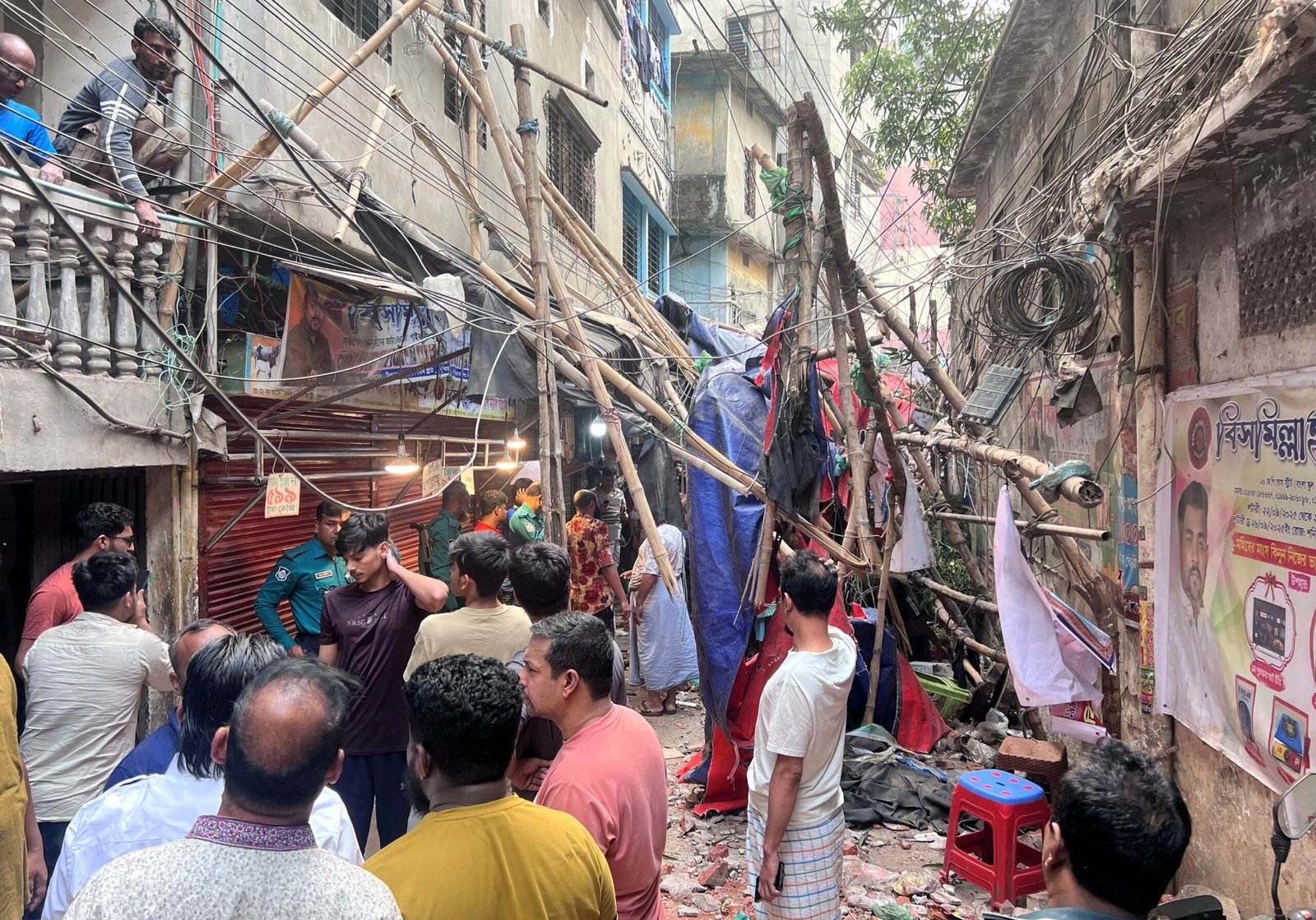
A powerful earthquake shook Bangladesh on Friday, causing widespread panic and claiming at least three lives, health officials confirmed. The tremor struck near the crowded capital of Dhaka, raising concerns about structural safety in one of the world’s most densely populated regions.
According to the United States Geological Survey (USGS), the earthquake registered a magnitude of 5.5 and struck at 10:38am local time (04:38 GMT) near Narsingdi, approximately 33 kilometers (16 miles) from Dhaka. The Bangladesh Meteorological Department recorded a slightly higher magnitude of 5.7, with the epicenter in Narsingdi’s Madhabdi district. Residents reported the shaking lasted around 26 seconds, long enough to terrify those inside homes and offices.
In Dhaka, the capital city home to more than 21 million people, the quake sparked immediate panic. Al Jazeera reporter Tanvir Chowdhury, reporting from Dhaka, described the scene: “It was one of the biggest earthquakes in recent history and was very close to the capital city. The entire city was in panic. Social media videos have shown buildings shaking.” AFP reporters on the ground noted people weeping in the streets, while others appeared frozen in shock.
Eyewitnesses described harrowing scenes as buildings swayed and objects fell. One resident said, “I’ve never felt an earthquake like this before, never in my life. I was sleeping, and all of a sudden, I felt the whole building shaking, and then we all came down.”

Health authorities confirmed that at least three people were killed, including a medical student. Dhaka-based DBC Television reported a higher death toll of six, citing three victims who died from collapsed building roofs and walls, and three pedestrians struck by falling railings. Injuries were reported across the city, though authorities have yet to release an official tally.
The earthquake struck on a public holiday, meaning many residents were at home. While this may have prevented larger casualties in offices and schools, it did not mitigate the risk posed by older buildings and unsafe structures. Videos circulated on social media showed significant shaking and minor structural damage in several neighborhoods of Dhaka, amplifying public anxiety.
Bangladesh lies in a seismically active region, at the confluence of the Indian and Eurasian tectonic plates. While earthquakes of this magnitude are not uncommon in the region, the proximity to densely populated urban areas heightens the risk of casualties and property damage. The USGS issued a warning about potential “significant casualties” and structural damage in the aftermath of the tremor.
This latest quake is a stark reminder of Bangladesh’s vulnerability to natural disasters, coming amid ongoing concerns over urban planning and building safety. In recent decades, rapid urbanization in Dhaka has led to construction that does not always meet earthquake-resistant standards, leaving residents exposed during seismic events.

Local authorities have mobilized emergency response teams to assess damage and provide assistance to affected families. Hospitals in Dhaka and surrounding districts have been placed on alert to handle injuries, while rescue teams are inspecting buildings for structural instability.
The psychological impact of the earthquake has also been significant. Residents across Dhaka reported feeling anxious and fearful, with many taking to the streets or open areas for safety. Social media has been flooded with videos capturing the shaking, fallen objects, and the panicked reactions of citizens.
Officials are urging the public to remain calm and follow safety guidelines in case of aftershocks. Typical safety measures include moving to open spaces away from buildings, avoiding elevators, and checking homes for structural damage before re-entering.
Bangladesh has a history of seismic events, though most are moderate in magnitude. However, the concentration of population in urban centers like Dhaka increases the potential for casualties, making preparedness and public awareness critical. Geologists have warned that the region remains at risk for further tremors, which could exacerbate damage to already weakened structures.
This earthquake underscores the challenges facing Bangladesh in terms of disaster preparedness, urban planning, and emergency response. Experts stress the importance of stricter building codes and community education to minimize future casualties during seismic events.

International observers and neighboring countries have expressed concern over the earthquake, offering support for any necessary emergency response efforts. Humanitarian organizations are closely monitoring the situation to provide assistance if needed.
As the aftermath continues to unfold, authorities are prioritizing the safety of residents, especially in vulnerable areas with older buildings. Early reports indicate that some homes and commercial properties have sustained minor to moderate damage, but no large-scale collapses have yet been confirmed.
For residents of Dhaka and surrounding districts, the earthquake is a chilling reminder of the unpredictable nature of natural disasters in densely populated regions. It also highlights the urgent need for long-term planning and structural resilience to mitigate the effects of future earthquakes.
While Friday’s quake resulted in the tragic loss of life and widespread fear, the rapid mobilization of emergency teams and public awareness measures have been key in preventing even greater casualties. The government and local authorities continue to monitor the situation closely, emphasizing the importance of vigilance and preparedness in the days ahead.
Related News:
 US Super-Rich Are Draining Planet’s Safe Climate Space
 UK Charters Emergency Flights to Evacuate Britons from Jamaica
 Mikie Sherrill Elected New Jersey’s Governor in Key Win
 Britain deploys RAF specialists to assist Belgium with drone threats
 US Senate Passes Funding Bill to End Historic Shutdown
 BBC’s Tim Davie to Address Staff Amid Trump $1bn Threat
 Thailand Suspends Cambodia Border Peace Deal Amid Tensions
 Six Dead as Super Typhoon Fung-wong Hits the Philippines
 Fog Aids Russian Forces in Deep Push into Pokrovsk
 Hitler’s DNA Confirms He Truly Had Only One Testicle
 Meny Godard Identified as Israeli Hostage Body Returned by Hamas
 US Justice Department Files Lawsuit Against California Over Partisan Voting Maps
 Switzerland Rolls Out Charm Offensive to Cut Trump’s 39% Tariffs
 Bataclan Anniversary: France Remembers but Jihadist Danger Lingers
 Israel Confirms Returned Hostage as Meny Godard
 December Run-Off in Chile as Election Produces No Winner
 Zelenskyy Signs Fighter Jet Deal Amid Russian Drone Attacks
 Orban Says Ukraine Has ‘No Chance’ as EU Support Continues
 UN Security Council Approves Trump’s Gaza Peace Plan
 Cardiff Nights Could Propel Wales to World Cup Glory
 Israeli Strike Kills 13 Near Palestinian Camp in Lebanon
 Zelensky Meets US Envoy in Turkey to Push Ukraine Peace Talks
 Congress Approves Release of Epstein Files, Trump Expected to Sign
 Cristiano Ronaldo Joins Trump, Bin Salman at State Dinner
 Shadow Fleet at Sea: Europe’s Battle Against Illicit Oil Shipping
 Haiti Qualifies for World Cup Despite Coach Never Visiting Country
 Bangladesh Families Call for Hasina’s Return and Execution
 Deadly Russian Strikes Hit Western Ukraine, 20 Killed in Ternopil
 Rama Rebukes Mahmood for Targeting Albanian Families
 Russian Vessel Used Lasers on RAF Pilots, UK Claims
 Scotland Fans Celebrate Historic World Cup Qualification
 Pentagon Officials in Ukraine to Discuss War End
 Ukraine Peace Plan: Zelensky Ready for Dialogue
 Vietnam Battles Deadly Floods as Rains Continue
 UPS Plane Engine Detaches Before Deadly Crash
 WhatsApp Messages Expose Nathan Gill’s Bribery
 South African Women Call Purple Protest Over Gender Violence
 Miss Mexico Wins Miss Universe After Walkout Drama
 Venezuela Threatens Nobel Winner Machado with Fugitive Status
 Texas Governor Faces Lawsuit From CAIR
 Israel Confirms Hamas Returned Dror Or’s Body
 Trump Envoy to Discuss Ukraine Peace at Kremlin
 Twenty-Four Nigerian Schoolgirls Freed After Abduction
 India, Pakistan to Clash in T20 World Cup 2026 Group Match
 US Suspends Afghan Immigration After White House Shooting
 Two National Guard Soldiers Critically Injured Near White House
 Pope Leo XIV Begins Historic Trip to Turkey and Lebanon
 Georgians Defy Government Crackdown After Year of Protests
 Mbappe Scores 4 as Real Madrid Edge Olympiakos
 Man City Lose, Champions League Risk
 Thousands Homeless After Massive Fire in Dhaka Shantytown
 Israel Expands Gaza Strikes Beyond Ceasefire Line
 Putin Intensifies Territorial Demands Before US Talks
 Sri Lanka Floods Leave 56 Dead, Dozens Missing
 India’s Labour Law Overhaul Sparks Fierce Debate
 Video shows Israeli troops kill Palestinians after surrender
 Trump to Recheck Green Cards from 19 Nations After DC Attack
 Chinese & Japanese Boats Clash Near Disputed Islands
 Putin Meets US Envoy Amid Key Ukraine Peace Talks
 UK Criticises Gaza Aid Delays as Tents Arrive After Year
 Kremlin Talks With US Yield No Ukraine Peace Breakthrough
 Indonesia to Repatriate Two Dutch Drug Convicts
 Macron Phones Trump Over Traffic Jam in New York
 Comey Indictment Deepens Fears of Political Retribution Under Trump
 “It Was Very Tough, But I Love Life”: Former Israeli Hostage Rebuilds Life After Family Killed by Hamas
 Chaos at Ibrox as Martin’s Rangers Era Comes to an End
 Trump Claims Modi Has Agreed to Halt Russian Oil Imports Amid Heightened US Pressure
 BBC to Apologise Over Edited Trump Speech Amid Backlash
 From Lego to Pokémon: How Adults Are Driving UK Toy Market Growth
 PM Condemns Leaks, Vows Loyalty to Ministers and Stability
 Saka Solidifies Role as Tuchel’s Key England Lieutenant
 Greene Pushes Epstein Files Amid Trump Fallout
 Stroke Patient Mistaken for Drunk, Care Delayed
 Tiny Curacao Makes History as Smallest Nation to Reach World Cup
 Snow and Ice Cause Travel Chaos in North Yorkshire
 Director Michael Caton-Jones Reflects on Career and Beginnings
 India’s COP30 Delay Raises Global Climate Concerns
 Vicki Fears Losing Motability Car
 Southern Lebanon reels as Israeli strikes shatter communities
 Jordan Bardella: France’s Young Presidential Contender