Published: 25 November 2025. The English Chronicle Desk. The English Chronicle Online
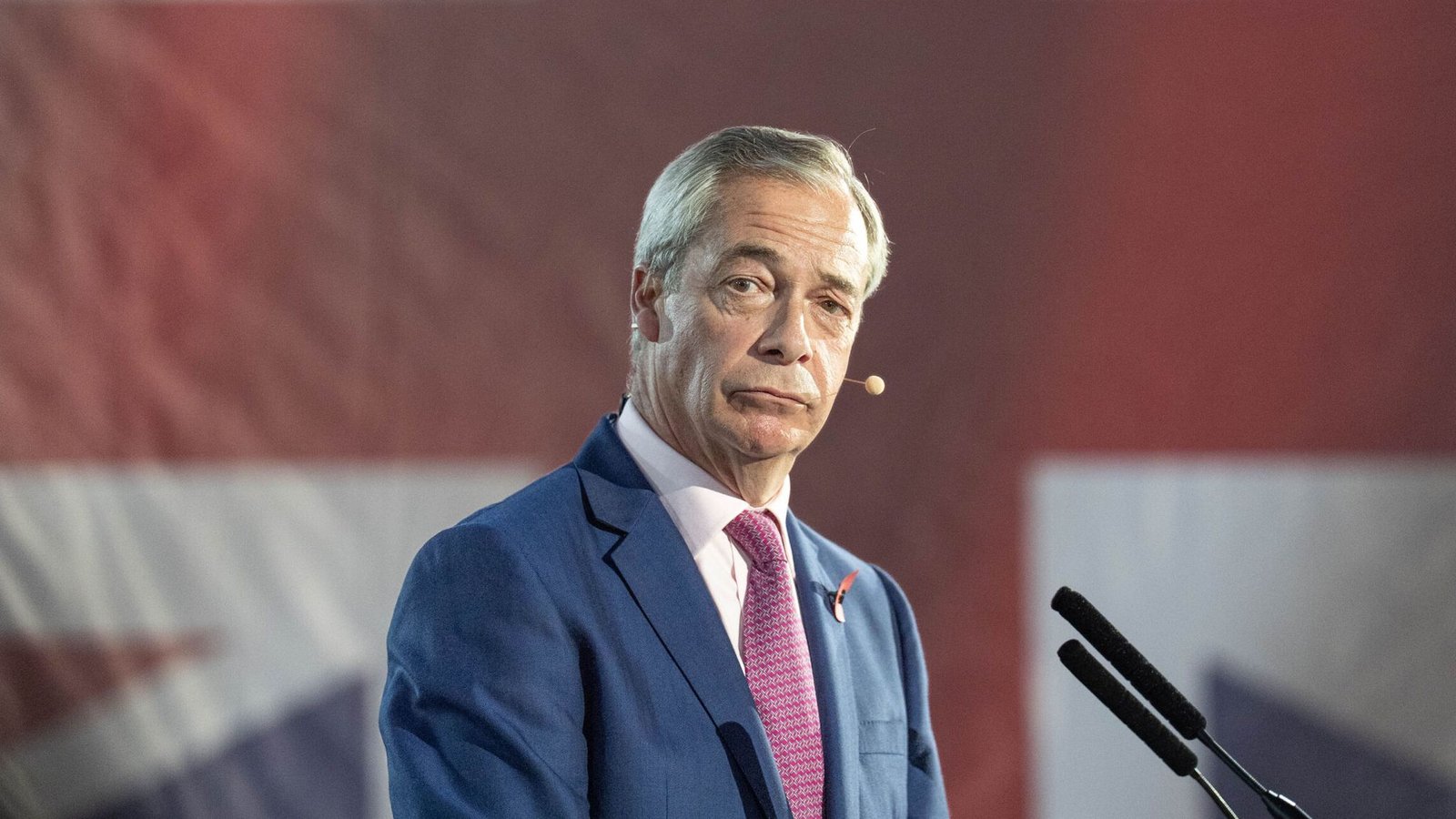
Nigel Farage has broken his silence nearly a week after accusations emerged that he engaged in racist and antisemitic behaviour as a teenager. Speaking in a broadcast interview, the Reform party leader said he “never directly, really tried to go and hurt anybody,” responding to claims made by around 20 of his former schoolmates.
The allegations, detailed in a Guardian investigation, depict repeated offensive incidents during Farage’s time at Dulwich College. Former classmates and contemporaries claimed he targeted minority ethnic pupils, sang offensive songs referencing the Holocaust, and engaged in abusive behaviour over several years until he was 18. Among the accusers is Peter Ettedgui, a Bafta and Emmy-winning director, who recalled being targeted personally by Farage during his early teens.

Farage’s aides have categorically denied the allegations, stating that “any suggestion that Mr Farage ever engaged in, condoned, or led racist or antisemitic behaviour is categorically denied.” However, in his interview, Farage offered a more nuanced account, emphasising that the events occurred nearly five decades ago. “No, this is 49 years ago by the way. Have I ever tried to take it out on any individual on the basis of where they’re from? No,” he said.
The interviewer pressed Farage on whether he categorically denied racially abusing anyone. Farage responded: “I would never, ever do it in a hurtful or insulting way. It’s 49 years ago. I had just entered my teens. Can I remember everything that happened at school? No. Have I ever been part of an extremist organisation or engaged in direct, unpleasant, personal abuse, genuine abuse, on that basis? No.”
Asked about the meaning of “not with intent,” Farage replied cryptically: “You wouldn’t. I have never directly, really tried to go and hurt anybody.”
Despite his statements, the allegations have attracted criticism from political figures. Labour leader Keir Starmer labelled Farage “spineless” for not addressing the claims publicly last week. Labour peer Mike Katz said Farage’s comments suggested a misunderstanding of the harm caused by racial abuse, insisting that it is impossible to racially abuse someone without causing insult or hurt.
Ettedgui criticised the Reform leader for failing to apologise directly, noting that a simple acknowledgment of past wrongdoing would have shown accountability. “The easiest thing for him to have said when these allegations first came up would have been: ‘Yes, I did say some extraordinarily upsetting things to people that were racist. And I unreservedly apologise to them for that,’” he said. “But he’s never said that.”

The Liberal Democrat president-elect, Josh Babarinde, echoed these concerns, calling Farage’s reluctance to deny the claims “unbecoming” for someone seeking high office. He stressed that the public deserves a direct and transparent response from any political leader.
The accusations have revived debate about the accountability of public figures for past behaviour, particularly when allegations surface decades later. Farage, now 61, has faced repeated scrutiny over his conduct and political rhetoric, but this marks one of the most detailed examinations of his teenage years.
Farage’s response highlights the tension between historical recollections and the public expectation for immediate clarity and accountability. Political commentators have noted that how he addresses these allegations could shape public perception ahead of future political campaigns, reinforcing scrutiny over character and leadership.
Related News:
 Green Party Faces Leadership Divide Over Direction and Strategy
 Polanski’s Rise Signals a Shift in British Political Landscape
 Bridget Phillipson and Lucy Powell Emerge as Main Contenders in Labour Deputy Leadership Race
 Lib Dems Urged to Focus on Policy Over Stunts, Survey Shows
 Katie Lam’s Rise Signals Conservative Party’s Rightward Turn on Migration
 Greens Gain Ground in London as Zack Polanski Eyes Labour’s Stronghold
 Lib Dems Likely to Outperform Tories in Seat Count, Warns Top Pollster
 Zarah Sultana and Jeremy Corbyn Reunite Amid New Party Plans
 Swinney cites 2011 precedent to push for indyref2
 Facing the Challenge of Islam in Britain Today
 Plaid Cymru Triumphs in Caerphilly, Ending Labour Century-Long Hold
 How the Royal Navy Can’t Stop the Channel Boats
 Boris Johnson: Tories Risk Election Loss if They ‘Bash the Green Agenda’
 Green Party Surges Past Labour in Latest UK Poll
 Celebrities and Charities Demand UK Government Act on Child Poverty
Boris Johnson accused of undermining BBC leadership
Celebrities and Charities Demand UK Government Act on Child Poverty
Boris Johnson accused of undermining BBC leadership
 Tim Davie resigns as BBC director general amid bias claims
 ‘Reckless’ cuts to victims’ services will cost more than they save
 Politics latest: Starmer ‘will fight any leadership coup’ as Streeting denies attempt to oust Labour PM
 Scottish Ministers Express Alarm Over UK Asylum Reforms
 Labour Faces Historic Decline in Wales
 MP Offers Seat to Help Burnham Challenge Starmer
 BBC to Expand Standards Panel and Create Deputy Director Role
 Most Tories Expect to Support a Farage-Led Government
 UK Must Act with Courage and Clarity on Israel-Palestine Conflict, Says Foreign Affairs Committee Report
 The Fight for Trans Safety Is a Fight for Everyone’s Safety — MPs Must Debate This Crucial Issue
 Brian Cox Slams Donald Trump’s Remarks on Scottish Independence and Voices Support for Kevin Spacey’s Return to Acting
 Chancellor Faces Mounting Pressure Amid “Impossible Trilemma” Over Tax Rises
 Radioactive Leak at UK’s Nuclear Warhead Base Sparks Outcry Over Safety and Secrecy
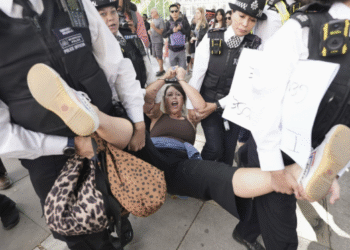 Mass Arrests in London as Protest Defies Ban on Palestine Action
 Mutual Inconvenience: Why Alaska Was Chosen for the Trump-Putin Summit on Ukraine
 UK Government Expands ‘Deport Now, Appeal Later’ Policy to 23 Countries
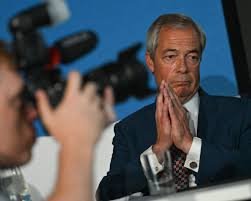 Farage Accuses PM of ‘Democratic Disparity’ in House of Lords Representation
 Chancellor Rachel Reeves Pushes for Sweeping Changes to Environmental Protections to Accelerate Development
 Larger Families Could Gain Thousands if Labour Ends Two-Child Benefit Cap
 Is the UK Ready to Put Boots on the Ground in Ukraine? Assessing Military Capacity and Challenges
 Palestine Action Ban Protesters Plan Tactic to Overwhelm Police at Next London Demonstration
 Police Scotland Spends £500,000 Compensating Officers Over Trump Visit
 Britain’s Migration Challenge: Rising Asylum Numbers and Hotel Pressures
 Elon Musk Sparks New Controversy by Backing Tommy Robinson Amid Farage Feud
 Urgent Action Needed on Windrush Compensation as Survivors Speak of “Waiting to Die”
 Tanni Grey-Thompson Faces Abuse Over Opposition to Assisted Dying Bill
 TfL Invites RMT to Resume Talks as London Tube Strikes End
 UK Rejoining EU ‘Unlikely in My Lifetime,’ Says Starmer’s Europe Reset Negotiator
 ‘Unite the Kingdom’ Rally Sparks Fears of Far-Right Normalisation Among Minority Britons
 Thousands Gather in London to Protest Donald Trump’s Second UK State Visit
 Zarah Sultana Seeks Legal Action After Bitter Clash with Jeremy Corbyn Over Party Membership Funds
 Nigel Farage Unveils Controversial Immigration and Welfare Plans at Reform UK Press Conference
 Top Andy Burnham Ally Launches Fierce Critique of Starmer Ahead of Labour Conference
 Mahmood Pledges Reform of Modern Slavery Laws After Court Blocks Deportation Appeal
 Ed Miliband Warns UK Government on X, Citing Elon Musk as a “Dangerous Influence”
 Ed Miliband Urges Labour to Confront Billionaire-Backed Opposition to Net Zero Goals
 A Third of EU Citizens in UK Report Discrimination by Public Bodies Post-Brexit
 Senior Tories Condemn Badenoch’s Vow to Repeal Climate Change Act as Catastrophic
 Digital ID Plans Ignite Debate Over £600m Treasury Tax Boost and Privacy Concerns
 Kemi Badenoch Unveils ‘Golden Rule’ to Halve Spending Cuts for Deficit Reduction at Tory Conference
Public Trust in SNP Hits Historic Low Amid NHS Concerns
Yvette Cooper Backs Digital ID Plan for UK Teens
Kemi Badenoch Unveils ‘Golden Rule’ to Halve Spending Cuts for Deficit Reduction at Tory Conference
Public Trust in SNP Hits Historic Low Amid NHS Concerns
Yvette Cooper Backs Digital ID Plan for UK Teens
 Johnson Suggests Mandelson Linked to China Spy Controversy
 UK border officers deployed to Balkans to tackle migrant smuggling
 Ministry of Justice fails to file £11bn in spending receipts
 UK MPs warn of repeat riots over online misinformation
 Rachel Reeves signals welfare reform ahead of key budget
 Reform UK candidate fined £19,000 after using AI-generated cases to challenge election
 William Steps Up Over Prince Andrew Palace Response
 Army Barracks to House Migrants as Hotels Phase Out
 Zarah Sultana Launches Party to Change Politics
 Trump’s UK Ambassador Urges North Sea Drilling to Strengthen US Ties
 French Taxi Driver Cleared in David Lammy Theft Case After Fare Dispute
 Millionaires group urge Reeves to introduce wealth tax to ‘lift kids out of poverty’
 Starmer Faces Growing Dissent as Labour MPs Weigh Leadership Challenge
 Mary Earps’s Manchester United Return Faces Mixed Reception
 Reeves rejects £1bn plea for NHS redundancy payouts
 PM Condemns Leaks, Vows Loyalty to Ministers and Stability
 Pressure Mounts on Starmer to Sack Chief of Staff Over Briefing Row
 Major Rent Reform Ends No-Fault Evictions in England
 Peers Flood Assisted Dying Bill with 942 Amendments
 Labour MP claims devolution bill is ‘blatant discrimination’ against Cornwall
 Millions Face Higher Taxes Under Reeves New Budget
 Peers Get Extra Time to Debate Assisted Dying Bill