Published: 27 November 2025 Thursday. The English Chronicle Desk. The English Chronicle Online.
The United States has temporarily suspended the processing of all immigration requests for Afghan nationals, following a review of “security and vetting protocols” in the wake of a shooting that critically injured two National Guard soldiers near the White House. The US Citizenship and Immigration Services (USCIS) announced the halt in processing on its official social media channels, emphasizing that “the protection and safety of our homeland and of the American people remains our singular focus and mission.”
The suspension follows an incident in which a 29-year-old Afghan national, Rahmanullah Lakanwal, allegedly opened fire near the White House, seriously injuring two National Guard personnel. The alleged gunman, who reportedly entered the United States in September 2021, was part of a wave of tens of thousands of Afghans who arrived under special immigration protections following the chaotic US military withdrawal from Afghanistan.
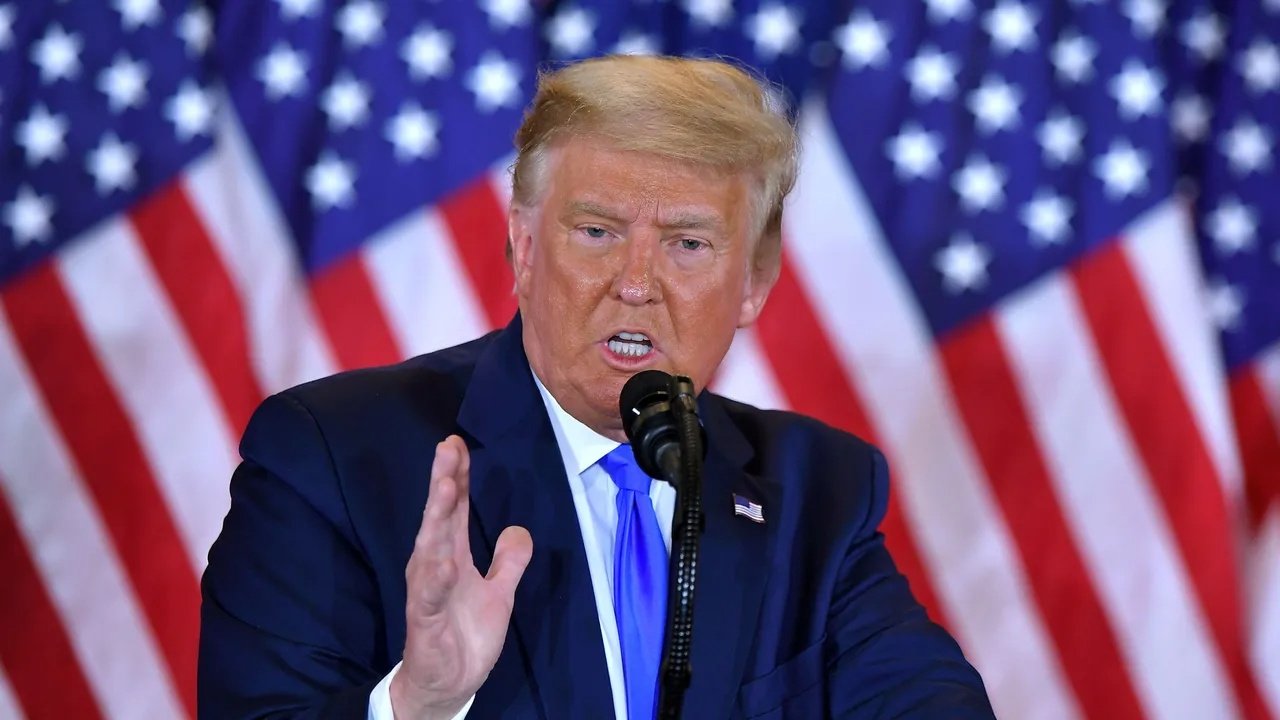
President Donald Trump described the attack as an “act of terror” and vowed to tighten immigration scrutiny, stating that the United States would take immediate steps to remove “foreigners from any country who do not belong here.” In a subsequent statement, Trump further explained that the US would now “reexamine every single alien who has entered our country from Afghanistan under Biden,” signaling a significant shift in immigration policy for Afghan nationals.
The suspension affects all Afghan nationals seeking visas, green cards, or other forms of legal immigration under existing programmes, including Special Immigration Visas (SIVs) that were granted to those who worked directly with the US military before the Taliban regained control of Afghanistan. Under previous programmes, SIV recipients were exempt from several travel and immigration bans and were allowed to settle in the US with work permits and other benefits.
This latest policy comes on top of a travel ban implemented earlier this year, which prohibited entry from Afghanistan and 11 other countries. While Afghan nationals were initially among the few exceptions under certain temporary protections, the recent shooting has prompted US authorities to reconsider the security implications of existing immigration arrangements.

Legal experts warn that the suspension could have long-lasting consequences for Afghan migrants who are already resettled or waiting for approval. Tens of thousands of individuals rely on SIVs and temporary protected status (TPS) for employment, housing, and access to basic services in the United States. The abrupt halt in processing has raised concerns among advocacy groups about the welfare and legal status of these communities.
Operation Allies Welcome, the programme responsible for the evacuation of Afghan nationals after the 2021 military withdrawal, facilitated the safe passage of thousands who had supported the US mission in Afghanistan. While the programme was designed to protect vulnerable individuals, critics argue that gaps in vetting processes may have allowed security risks to enter the country. In response, USCIS and other federal agencies are reviewing protocols to strengthen background checks and security screenings for current and future applicants.
Multiple law enforcement sources identified Rahmanullah Lakanwal as the alleged gunman. CBS News, a US media partner of the BBC, reported that Lakanwal entered the US in 2021 and had previously been granted temporary protections under Operation Allies Welcome. According to authorities, the suspect was apprehended without further incident, and investigations are ongoing to determine the motive and whether additional individuals may be involved.
The temporary suspension of Afghan immigration has sparked reactions from across the political spectrum. Supporters of stricter immigration controls have praised the move as necessary to safeguard national security, while critics have argued that it unfairly punishes thousands of law-abiding Afghan nationals who pose no threat. Human rights organisations have warned that the policy risks stranding vulnerable individuals who fled conflict and persecution in their home country.
Immigration advocacy groups have urged the US government to balance security concerns with humanitarian obligations. “We must ensure that national security is maintained, but this suspension should not become a blanket denial of rights for those who have risked their lives to work alongside the United States,” said one spokesperson from an Afghan refugee advocacy organisation. Many Afghan families have expressed fear and uncertainty about their legal status and access to essential services while the review continues.
The US government has also faced pressure to provide clarity and timelines for the review. Federal officials have indicated that they will assess current vetting procedures, security protocols, and potential vulnerabilities in immigration processes before resuming approvals. Meanwhile, individuals currently in the United States on temporary or protected status have been advised to maintain their records and await official guidance from USCIS.
Trump’s statements following the incident highlight the administration’s broader stance on immigration, particularly from countries with ongoing conflicts or perceived security risks. While the policy specifically targets Afghan nationals in this case, it reflects an increased scrutiny of immigration programmes that were initiated under previous administrations, particularly those designed to assist evacuees and refugees.

This decision underscores the complex intersection of national security, immigration policy, and humanitarian responsibilities. Afghan nationals who were initially resettled under Operation Allies Welcome or granted SIVs are now caught in the middle of heightened security measures, raising questions about the future of US refugee and asylum policies.
As investigations into the shooting near the White House continue, US officials have reiterated that the safety of American citizens remains paramount. Law enforcement agencies are working to determine whether additional security lapses occurred and to prevent any future incidents. Meanwhile, Afghan communities across the country are monitoring developments closely, with many expressing anxiety about travel, residency, and the potential impact on family reunification programmes.
The temporary suspension is expected to remain in effect until the federal review is complete. Authorities have not provided a specific timeline for when Afghan immigration requests will resume, leaving many applicants uncertain about their legal futures. The review will likely involve enhanced background checks, coordination between federal security agencies, and a reassessment of current vetting standards for all incoming Afghan nationals.
In conclusion, the US decision to suspend Afghan immigration following the National Guard shooting marks a significant moment in immigration policy, highlighting tensions between national security and humanitarian commitments. As the investigation unfolds, thousands of Afghan nationals and their families face uncertainty, awaiting the outcome of federal reviews that will determine their ability to remain, work, and integrate within the United States.
Related News:
 US Super-Rich Are Draining Planet’s Safe Climate Space
 UK Charters Emergency Flights to Evacuate Britons from Jamaica
 Mikie Sherrill Elected New Jersey’s Governor in Key Win
 Britain deploys RAF specialists to assist Belgium with drone threats
 US Senate Passes Funding Bill to End Historic Shutdown
 BBC’s Tim Davie to Address Staff Amid Trump $1bn Threat
 Thailand Suspends Cambodia Border Peace Deal Amid Tensions
 Six Dead as Super Typhoon Fung-wong Hits the Philippines
 Fog Aids Russian Forces in Deep Push into Pokrovsk
 Hitler’s DNA Confirms He Truly Had Only One Testicle
 Meny Godard Identified as Israeli Hostage Body Returned by Hamas
 US Justice Department Files Lawsuit Against California Over Partisan Voting Maps
 Switzerland Rolls Out Charm Offensive to Cut Trump’s 39% Tariffs
 Bataclan Anniversary: France Remembers but Jihadist Danger Lingers
 Israel Confirms Returned Hostage as Meny Godard
 December Run-Off in Chile as Election Produces No Winner
 Zelenskyy Signs Fighter Jet Deal Amid Russian Drone Attacks
 Orban Says Ukraine Has ‘No Chance’ as EU Support Continues
 UN Security Council Approves Trump’s Gaza Peace Plan
 Cardiff Nights Could Propel Wales to World Cup Glory
 Israeli Strike Kills 13 Near Palestinian Camp in Lebanon
 Zelensky Meets US Envoy in Turkey to Push Ukraine Peace Talks
 Congress Approves Release of Epstein Files, Trump Expected to Sign
 Cristiano Ronaldo Joins Trump, Bin Salman at State Dinner
 Shadow Fleet at Sea: Europe’s Battle Against Illicit Oil Shipping
 Haiti Qualifies for World Cup Despite Coach Never Visiting Country
 Deadly Russian Strikes Hit Western Ukraine, 20 Killed in Ternopil
 Rama Rebukes Mahmood for Targeting Albanian Families
 Russian Vessel Used Lasers on RAF Pilots, UK Claims
 Scotland Fans Celebrate Historic World Cup Qualification
 Pentagon Officials in Ukraine to Discuss War End
 Ukraine Peace Plan: Zelensky Ready for Dialogue
 Vietnam Battles Deadly Floods as Rains Continue
 UPS Plane Engine Detaches Before Deadly Crash
 WhatsApp Messages Expose Nathan Gill’s Bribery
 South African Women Call Purple Protest Over Gender Violence
 Miss Mexico Wins Miss Universe After Walkout Drama
 Venezuela Threatens Nobel Winner Machado with Fugitive Status
 At Least Three Dead in Bangladesh Earthquake
 Texas Governor Faces Lawsuit From CAIR
 Israel Confirms Hamas Returned Dror Or’s Body
 Trump Envoy to Discuss Ukraine Peace at Kremlin
 Twenty-Four Nigerian Schoolgirls Freed After Abduction
 India, Pakistan to Clash in T20 World Cup 2026 Group Match
 Two National Guard Soldiers Critically Injured Near White House
 Pope Leo XIV Begins Historic Trip to Turkey and Lebanon
 Georgians Defy Government Crackdown After Year of Protests
 Mbappe Scores 4 as Real Madrid Edge Olympiakos
 Man City Lose, Champions League Risk
 Israel Expands Gaza Strikes Beyond Ceasefire Line
 Putin Intensifies Territorial Demands Before US Talks
 Sri Lanka Floods Leave 56 Dead, Dozens Missing
 India’s Labour Law Overhaul Sparks Fierce Debate
 Video shows Israeli troops kill Palestinians after surrender
 Trump to Recheck Green Cards from 19 Nations After DC Attack
 Chinese & Japanese Boats Clash Near Disputed Islands
 Putin Meets US Envoy Amid Key Ukraine Peace Talks
 UK Criticises Gaza Aid Delays as Tents Arrive After Year
 Kremlin Talks With US Yield No Ukraine Peace Breakthrough
 Indonesia to Repatriate Two Dutch Drug Convicts
 Macron Phones Trump Over Traffic Jam in New York
 Comey Indictment Deepens Fears of Political Retribution Under Trump
 “It Was Very Tough, But I Love Life”: Former Israeli Hostage Rebuilds Life After Family Killed by Hamas
 Chaos at Ibrox as Martin’s Rangers Era Comes to an End
 Trump Claims Modi Has Agreed to Halt Russian Oil Imports Amid Heightened US Pressure
 BBC to Apologise Over Edited Trump Speech Amid Backlash
 Palace May Restore Hyphen to Andrew Mountbatten-Windsor’s Name
 From Lego to Pokémon: How Adults Are Driving UK Toy Market Growth
 PM Condemns Leaks, Vows Loyalty to Ministers and Stability
 Saka Solidifies Role as Tuchel’s Key England Lieutenant
 Greene Pushes Epstein Files Amid Trump Fallout
 Stroke Patient Mistaken for Drunk, Care Delayed
 Tiny Curacao Makes History as Smallest Nation to Reach World Cup
 Snow and Ice Cause Travel Chaos in North Yorkshire
 Director Michael Caton-Jones Reflects on Career and Beginnings
 India’s COP30 Delay Raises Global Climate Concerns
 Runaway Driver Caught by DNA Evidence
 Southern Lebanon reels as Israeli strikes shatter communities
 Jordan Bardella: France’s Young Presidential Contender
 Pavarotti statue frozen in Italian ice rink sparks backlash