Published: 27 November 2025 Thursday. The English Chronicle Desk. The English Chronicle Online.
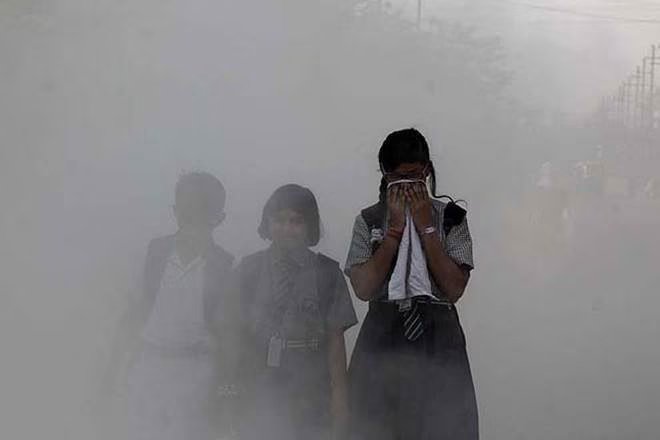
The toxic haze enveloping India’s capital, Delhi, is affecting millions, but it is the city’s children who are bearing the brunt of the escalating pollution crisis. Hospitals and clinics are reporting record numbers of young patients suffering from respiratory issues, leaving parents anxious and fearful for their children’s health.
In Noida, a suburb near Delhi, the BBC visited a paediatric clinic where a steady stream of children, many sneezing, coughing, or struggling to breathe, waited for consultations. Parents anxiously monitored their children, many of whom began showing symptoms in October when Delhi’s air quality plummeted to hazardous levels. Waiting times for appointments have been unusually long due to the surge in cases.
The recurring air pollution problem in Delhi and northern India stems from multiple factors: low wind speeds, industrial emissions, vehicle exhaust, dropping temperatures, and the seasonal burning of crop stubble in neighbouring states. The city’s Air Quality Index (AQI) has hovered between 300 and 400 in recent weeks — more than 20 times the limit recommended by the World Health Organization. Levels above 400 are dangerous even for healthy individuals and can severely affect those with pre-existing conditions, with children and the elderly most at risk.

Paediatricians report a significant increase in respiratory illnesses. Dr Shishir Bhatnagar, who runs the clinic in Noida, told the BBC: “These particles can affect the child’s immunity, especially because their system is still developing. Cases have increased tenfold in recent years. Normally 20-30% of patients present with such complaints; during pollution season, that shoots up to 50-70%.”
Each year, the Delhi government imposes emergency measures such as halting construction and banning polluting vehicles. Cloud seeding has also been attempted in an effort to induce rain. Yet these interventions have done little to alleviate the worsening smog that engulfs the city every winter, causing anxiety among residents, particularly parents of young children.
Khushboo Bharti, a 31-year-old mother, described the terrifying night she rushed her one-year-old daughter, Samaira, to the hospital on 13 November. “She woke up with a violent cough that made her vomit several times. She wouldn’t even lift her head. It was the worst moment of my life,” Ms Bharti said. The toddler required steroid nebulisation and oxygen support for two days before being diagnosed with pneumonia. Although Samaira has now recovered, Ms Bharti remains vigilant. “Even if she coughs a few times, I panic,” she admitted.
Other parents face similar fears. Gopal*, a father whose two-year-old daughter, Renu*, was taken to a government hospital with chest congestion, worries about long-term effects. Doctors have advised she might need inhalers for some time.
Research consistently shows that air pollution harms young children’s health, contributing to weaker immunity, stunted growth, and reduced cognitive development. A recent University of Cambridge study involving nearly 30 million people linked exposure to pollutants with higher risks of developing dementia, including Alzheimer’s disease.

For many families, the growing health risks in Delhi are prompting thoughts of relocation. “What is the point of living in a city where my daughter can’t breathe safely?” Ms Bharti said. “We can’t leave immediately because my husband’s business is in Delhi, but we’ll move when we get the chance.”
Health experts warn that unless long-term measures are implemented to curb pollution, the city’s youngest residents may continue to face severe health consequences. Parents, doctors, and advocacy groups are calling for urgent action to protect children from the toxic air that increasingly defines life in Delhi.
The ongoing crisis highlights a complex environmental challenge in a densely populated city with limited capacity to implement effective pollution control measures. While emergency interventions offer temporary relief, experts argue that comprehensive policies targeting industrial emissions, traffic, and crop-burning are essential to safeguard public health, particularly for vulnerable children.
As the winter smog lingers, parents in Delhi remain vigilant, hospitals report increasing cases, and children continue to bear the consequences of toxic air that threatens their immediate health and long-term development.
Related News:
 Delhi’s Toxic Air Drives Spike in Respiratory Illnesses
 Delhi Tightens Curbs as Citizens Protest Over Toxic Air
 UK Faces Arctic Blast as Polar Vortex Disruption Brings Heavy Snow
 Sri Lanka Floods Leave 56 Dead, Dozens Missing
 Families wait in agony for missing after Hong Kong tower blaze
 Southeast Asia floods claim 241 lives, rescue efforts continue
 UK Weather: Rain Expected Above Average This Autumn, but Drought Likely to Persist
 Mother dies after black market weight loss injection
 Young Woman Missed 13 Times by GPs Before Bowel Cancer Diagnosis
 Hospice Cuts Raise Alarm Across England Amid Funding Crisis
 UK Water Firms Ordered to Act Over ‘Forever Chemicals’ Threat
 Experts Warn on Home Birth Risks, Call for Skilled Midwives
 Prince William Plants Trees with Brazil’s Nature Heroes
 Experts Urge Legal Right to Timely Cancer Care
 Nicola Sturgeon Urges SNP to Oppose New Oil Fields
 NHS Takes Over Nuffield Hospital in ‘Windfall’ for London Care
 Jailed UK climate protesters face extremist-style restrictions
 North Sea oil workers must lose weight or face job loss
 Crisis charity to become landlord amid UK housing emergency
 No link found between paracetamol in pregnancy and autism
 NHS frontline staff forced to cover gaps as managers remain scarce
 Seven Conditions That Automatically Qualify You for a Free Bus Pass
 Understanding Missing Children: Facts vs. Myths
 UK Disability Pay Gap Means Millions Work for Free From Today
 Shouting Works Best to Deter Gulls, UK Study Finds
 Reeves rejects £1bn plea for NHS redundancy payouts
 NHS trust fined after woman takes life in mental health unit
 Leading doctors issue warning amid ‘bad’ flu season
 New Research Explains Severe Diabetes in Children
 South Korea’s College Exam Tests Perseverance of Blind Students
 New weather warning issued with risk of flooding
 Working-Class Men with Prostate Cancer Left Behind by NHS
 Senator John Fetterman Hospitalized After Fall from Heart Flare-Up, Keeps Sense of Humor
 Cold Snap Brings Snow Risk as Flood Recovery Continues
 New Campaign Trains Vets to Spot Farmers’ Health Risks
 107-Year-Old Veteran Credits Whiskey for Longevity
 Snow and Ice Warnings Affect Scotland and Northern England
 Thousands at Risk in Gaza Amid Winter Flooding
 Stop Phone Habits From Sabotaging Your Relationships
 Witnesses Recall Tragedy as Couple Die in Flood
 ‘Traumatic Wait’: Northern Ireland Women Face Breast Cancer Delays
 Commuters warned as yellow snow and ice alert hits Northern Ireland
 Arctic Blast Hits UK as Snow and Ice Warnings Trigger Travel Disruption
 West Councils Falling Behind on Climate Goals
 Africa Demands Climate Justice Linked to Colonial Past
 Healthy Habits in Your 30s That Boost Life in Your 70s
 Snow and Ice Cause Travel Chaos in North Yorkshire
 Woman Meets Boy Whose Life She Saved with Kidney
 Covid Doctor’s Emotional Farewell Letter to Family
 Turkey to Host COP31 After Breakthrough Deal with Australia
 UK Energy Bills to Rise Slightly in January
 Coffins Now Too Large to Cremate Amid Rising Obesity Crisis
 David Cameron Reveals Prostate Cancer Diagnosis, Advocates Screening
 Vicki Fears Losing Motability Car
 Australia Launches Major Environmental Law Reforms
 Five-Year-Old Dies After Rare Tonsil Surgery Complication
 Fibromyalgia Patients Struggle as NHS Fails to Provide Care
 Fury After Hong Kong’s Deadliest Fire in Decades
 Rare shark attack kills woman, injures man at remote NSW beach
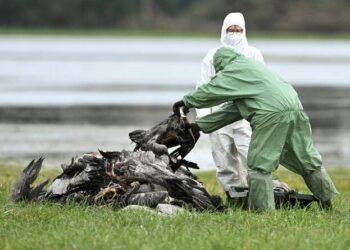 Europe, North America face early wave of bird flu
 Tokyo court rules Japan’s same-sex marriage ban constitutional
 Hong Kong Orders Probe Into Deadly 151-Death Fire
 More Patients Now Contacting GPs Online, Data Shows
 The Ketamine Crisis in the UK is a Silent Epidemic Leaving Users with Lifelong Pain
 One in Three GPs in England Do Not Work in NHS, Raising Concerns Over Access to Care
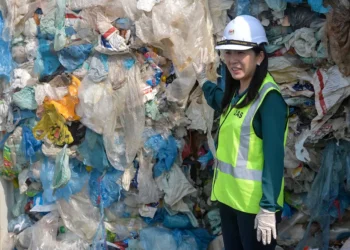 Scottish Teenager’s Petition on Single-Use Plastics Gains Parliamentary Support
 M&S and Morrisons Lead Christmas Supermarket Taste Test
 Army Officers Orders to Cut Ties with Men-Only Clubs
 Kent village told to remove flags before Christmas lights go up
 Patients to Test Health at Home to Ease NHS Winter Pressure
 From Lego to Pokémon: How Adults Are Driving UK Toy Market Growth
 Northern Lights may illuminate UK skies this week
 PM Condemns Leaks, Vows Loyalty to Ministers and Stability
 Stroke Patient Mistaken for Drunk, Care Delayed
 What Now for the Queen’s Childhood Playhouse After Andrew’s Eviction?
 Director Michael Caton-Jones Reflects on Career and Beginnings
 Inside the Helpline Protecting Missing Children in the UK
 Southern Lebanon reels as Israeli strikes shatter communities
 Virgin Media Fined £23.8m Over Telecare Safety Failures
 Pavarotti statue frozen in Italian ice rink sparks backlash