Published: 03 December 2025. The English Chronicle Desk. The English Chronicle Online
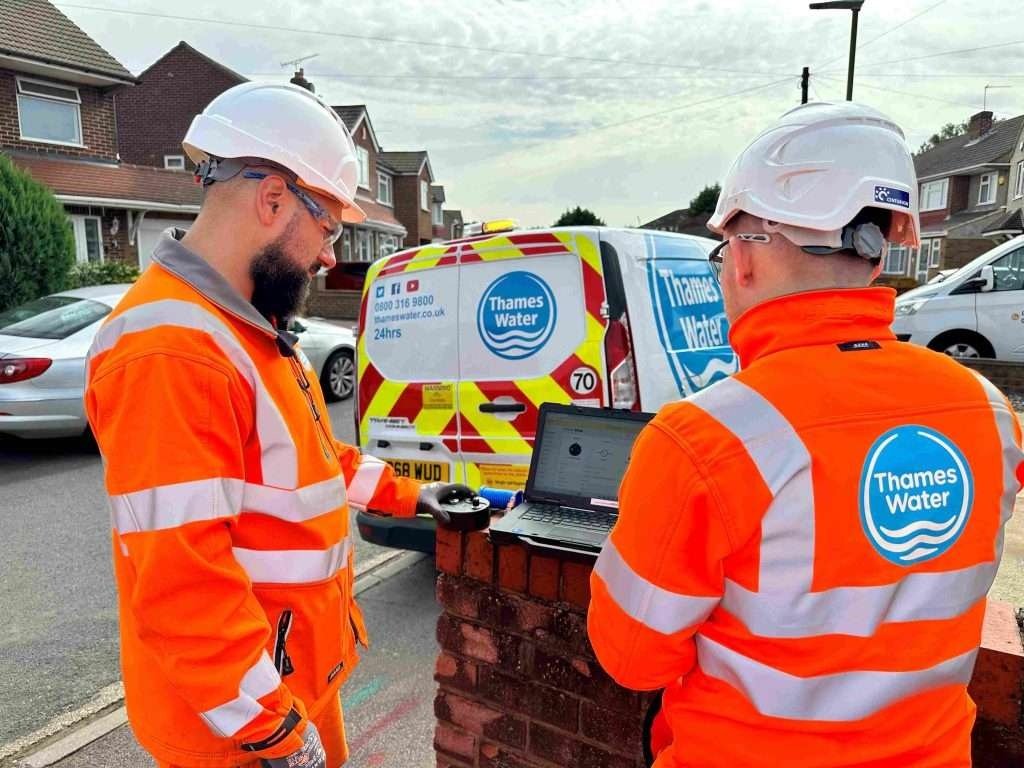
Thames Water, the UK’s largest water and wastewater provider, is edging ever closer to a critical deadline as it struggles to secure a major rescue deal needed to stabilise its finances. The company, burdened by nearly £20bn of debt, has warned that it has already spent £1.43bn of the £1.5bn emergency funding package it received, with the remaining amount expected to run out by January. Without a fresh agreement with its creditors, Thames could be forced into government-supervised administration—a drastic step not seen in the sector on this scale.
For now, the company has returned to profit following a substantial increase in customer bills introduced in April. That decision, deeply unpopular among households already facing economic pressures, lifted revenue enough to temporarily pull Thames Water back into the black. The company noted that it could request an additional £1.5bn from lenders, but such a lifeline hinges on reaching a binding rescue agreement. Thames acknowledged in its half-year financial results that discussions over a proposed restructuring plan—submitted by a consortium of its creditors—remain intense, particularly in talks with regulator Ofwat and the Department for Environment, Food and Rural Affairs.
Despite these ongoing negotiations, Thames issued a stark warning: there remains “material uncertainty” about whether a deal can be secured. If no agreement is reached in time, the company could face an intervention scenario in which government-appointed administrators assume control. The government has already selected administrators who stand ready to step in, should the financial situation deteriorate beyond repair. Authorities emphasise that regardless of what happens to the company’s ownership, water and wastewater services for millions of customers across London and the Thames Valley will continue uninterrupted.

Thames Water’s struggles have been building for years. The company has faced sustained criticism over its failure to adequately maintain infrastructure, tackle extensive leakage, prevent sewage spills and modernise its network. These issues have fuelled public frustration and regulatory scrutiny, culminating in a record £122.7m fine imposed by Ofwat in May for breaches related to sewage spills and unacceptable shareholder payouts. This financial penalty was the largest ever issued by the water regulator and reflected growing national anger over the state of England’s water industry.
Customer dissatisfaction has also intensified sharply. Complaints have almost doubled compared with last year, with many customers furious about April’s 40% rise in water bills. At a time when many households are grappling with rising living costs, such a significant increase has been difficult for thousands to absorb. Thames has expanded its social tariffs programme—financial support for customers in hardship—but this initiative has itself been funded by increasing charges for other customers, drawing further criticism.
To its credit, the company has piloted a new scheme in London aimed at better identifying customers in financial distress. Under this initiative, those who are struggling are automatically placed on social tariffs, even if they are unaware of their eligibility. This move has been welcomed by some consumer groups, though critics argue that it does not offset the broader financial burden placed on the wider customer base.
Chris Weston, Thames Water’s chief executive, acknowledged the challenges created by the bill hikes and the company’s intensifying financial problems. He stressed that “bill increases have been significant this year, and I recognise the difficulties this creates for many.” Weston continues to support a “market-led solution” as the best way forward for customers, taxpayers and the economy, arguing that external intervention or nationalisation would be more costly and less effective in the long term.

However, even with a rescue deal, the road ahead will be long and complex. Thames disclosed earlier this year that it would take at least a decade to fully turn around its operations, overhaul its ageing infrastructure and rebuild public trust. The company has repeatedly pointed to the scale of investment required to modernise its network, stop sewage spills and reduce leakages—issues that have increasingly become lightning rods for public anger and political scrutiny.
The government, while publicly insisting that it wants Thames to deliver a market-led recovery, has been quietly preparing for the worst. The selection of administrators underscores the seriousness of the situation and signals a readiness to intervene if negotiations collapse. Ministers fear that a disorderly failure could undermine confidence in the broader privatised water sector and create significant disruption, even if water services themselves remain stable.
As the countdown to January shortens, Thames Water now finds itself at a critical juncture. The next few weeks will determine whether it can secure the support it needs from lenders or whether the company will slide into special administration. With customers frustrated, regulators watching closely and creditors holding the key to its financial survival, Thames is under immense pressure to deliver a workable solution. Regardless of whether it succeeds, the story of Thames Water has already become emblematic of deeper questions about the future of the UK’s privatised utilities—and whether the current model is sustainable in the face of mounting debt, ageing infrastructure and public distrust.
Related News:
 UK Small Business Owner to Challenge L’Oréal in Tribunal
 Troubled drinks giant Diageo names former Tesco boss to lead turnaround push
 Shein UK Faces Allegations of Shifting Majority of Profits to Singapore to Reduce UK Tax
 Rachel Reeves Hosts Top UK and US Financial Executives as Trump’s State Visit Begins
 UK Inflation Holds Steady at 3.8% as Rising Fuel Costs Offset Falling Air Fares
 UK Borrowing Surges to £18bn in August, Exceeding Forecasts
 Richard Desmond Begins High Court Battle Over National Lottery Licence
 UK inflation update: New rate expected as Budget approaches
 Co-op Urged Staff to Promote Vapes After Cyber-Attack Hit Sales
 Rachel Reeves to lead UK trade push in Saudi Arabia amid rights debate
 Aston Martin cuts £300m investment as Trump tariffs and weak China demand hit profits.
 Court Hears Challenge Over Water Bills Funding Sewage Fixes
 Thinktanks Urge Rachel Reeves to Reform UK Tax System
 Gopichand Hinduja, UK’s Wealthiest Business Leader, Dies
 Tony Blair think tank warns Rachel Reeves must cut taxes if manifesto broken
MPs Press Rachel Reeves to Hike Gambling Taxes
Tony Blair think tank warns Rachel Reeves must cut taxes if manifesto broken
MPs Press Rachel Reeves to Hike Gambling Taxes
 Warning as Britons prepare to spend £4 billion this Black Friday
 Taylor Wimpey Sales Drop Amid Budget Uncertainty
 Global markets drop amid tech sell-off and China slowdown
 Eurotunnel Investment Halted as UK Rates Soar
 Mossmorran Plant Closure Hits Cowdenbeath Hard
 UK Energy Bills to Rise Slightly in January
 UK Government Borrowing Higher Than Expected
 Minister Denies Budget Leaks Have Harmed UK Economy
 Budget 2025: Reeves Drops Economic Growth Reference
 Expanded Version – Black Friday Shoppers Warned Over ‘Dud Deals’
 Black Friday Footfall Falls as UK Shoppers Hold Back Amid Economic Concerns
 Bank of England Poised to Cut Interest Rates Amid Rising Unemployment and Global Trade Pressures
 Non-Dom Tax Crackdown Risks Backfiring as Exodus Threatens UK Revenue and Investment
 UK Jobs Market Faces Strain as Employers Cut Bonuses and Hiring Amid Economic Slowdown
Inflation Latest: Cost of Living Expected to Rise Again in Key Figures Released Today
UK Jobs Market Faces Strain as Employers Cut Bonuses and Hiring Amid Economic Slowdown
Inflation Latest: Cost of Living Expected to Rise Again in Key Figures Released Today
 Energy Users Could Save £5bn Annually if Gas Power Plants Are Removed from Market
Retail Sales See Uptick Amid Errors and Delays as ONS Faces Scrutiny
Energy Users Could Save £5bn Annually if Gas Power Plants Are Removed from Market
Retail Sales See Uptick Amid Errors and Delays as ONS Faces Scrutiny
 UK House Prices Hit Record £299,331 as Market Shows Steady Growth
 UK Retail Sales Rise in August, but Tax Concerns Loom Over Festive Period
 Vodafone Faces Fourth Probe into Franchising Division Amid £120m Legal Battle
 John Lewis Partnership Posts £88m Loss as Costs and Restructuring Bite
 UK Economy Flatlines in July, Raising Pressure on Rachel Reeves Ahead of Autumn Budget
Business Rates Hike Could Threaten Hundreds of UK Retailers, Putting 100,000 Jobs at Risk
UK Economy Flatlines in July, Raising Pressure on Rachel Reeves Ahead of Autumn Budget
Business Rates Hike Could Threaten Hundreds of UK Retailers, Putting 100,000 Jobs at Risk
 UK Labour Market Shows Signs of Cooling as Wage Growth Slows and Redundancies Rise
 UK Wage Growth Remains High, But Cost of Living Pressures Bite
 Ben & Jerry’s Co-Founder Resigns, Accusing Unilever of Silencing Brand’s Social Mission
 Farage’s Reform UK Receives £100,000 from Design Firm with Past Tax Issues
Rachel Reeves Faces Criticism Over Appearance at Gambling Industry Event Amid Tax Review
Farage’s Reform UK Receives £100,000 from Design Firm with Past Tax Issues
Rachel Reeves Faces Criticism Over Appearance at Gambling Industry Event Amid Tax Review
 Dagenham Left in Limbo After Smithfield and Billingsgate Market Relocation Cancelled
 Vodafone Franchisees Sound Alarm: Mental Health Toll of Commission Cuts Revealed Years Before £120m Court Battle
 Public Skepticism Over AI Poses Challenge to UK’s Superpower Ambitions, Says Tony Blair Institute
 Gatwick Secures Approval for £2.2bn Second Runway Expansion
Resolution Foundation Urges Reeves to Rebalance Tax System with 2p NI Switch in Autumn Budget
Gatwick Secures Approval for £2.2bn Second Runway Expansion
Resolution Foundation Urges Reeves to Rebalance Tax System with 2p NI Switch in Autumn Budget
 GSK Chief Executive Emma Walmsley to Step Down After Eight Years at the Helm
 AstraZeneca to List on New York Stock Exchange While Retaining London Ties
 Retailers Warn Tax Rises Could Prolong Inflation as Shop Prices Climb
UK Housing Market Returns to Growth Amid Signs of Stability and Regional Variation
Retailers Warn Tax Rises Could Prolong Inflation as Shop Prices Climb
UK Housing Market Returns to Growth Amid Signs of Stability and Regional Variation
 Delivery Apps Could Double the Cost of Your Groceries, Warns Consumer Watchdog
 Jaguar Land Rover to Resume Production After Cyber-Attack, Launches Supplier Support Scheme
 Kemi Badenoch Unveils ‘Golden Rule’ to Halve Spending Cuts for Deficit Reduction at Tory Conference
 Gold Hits Historic $4,000 Amid Global Uncertainty
 UK GDP edges up 0.1% in August as Reeves faces budget pressure
 Rachel Reeves urged to consider welfare cuts to boost fiscal credibility
 Real living wage set to rise nearly 7% for UK workers in 2026
 Trump’s UK Ambassador Urges North Sea Drilling to Strengthen US Ties
 Ryanair Chief UK Economy ‘Doomed’ Under Labour
 Millions of Brits Adjust Lifestyle to Afford Essentials
Rachel Reeves Set to Break Labour Pledge and Raise Income Tax
Millions of Brits Adjust Lifestyle to Afford Essentials
Rachel Reeves Set to Break Labour Pledge and Raise Income Tax
 UPS Cargo Plane Crash in Kentucky Kills Seven
 M&S Profits More Than Halve After Cyber-Attack
 Labour Urged to Honour Tax Pledges Ahead of Budget
 Cuts to home insulation funding threaten UK climate goals
 US private equity set to acquire UK online retailer Very Group
 Millionaires group urge Reeves to introduce wealth tax to ‘lift kids out of poverty’
 Reeves’s Tax U-Turn Triggers Fresh Jitters in UK Markets
 PM Highlights UK Business at G20 in South Africa
 Netherlands Suspends Nexperia Takeover Amid China Talks
 Steel billionaire Lakshmi Mittal reportedly leaves UK
 Starmer Says Labour’s Economic Plan Needs Years to Deliver
 Prada buys Versace for $1.38bn, expanding luxury fashion empire
 China’s crackdown on civil servant perks sparks economic concerns
Reeves Faces Setback as Labour May Miss Homes Target
China’s crackdown on civil servant perks sparks economic concerns
Reeves Faces Setback as Labour May Miss Homes Target
 Virgin Trains Moves Closer to Challenging Eurostar Monopoly
 Green Party Surges Past Labour in Latest UK Poll