
Published: 04 December 2025. The English Chronicle Desk. The English Chronicle Online.
The government has initiated a significant clinical review after concerns emerged regarding rising mental health diagnoses.
Streeting believes the pattern requires urgent evaluation because benefit claims have increased at unprecedented rates.
Officials report that sickness claims linked to various mental health conditions have risen sharply since 2019.
This trend now influences welfare spending decisions and shapes the direction of future policy development significantly.
The Times reported that rising diagnoses for autism, ADHD and other conditions have intensified scrutiny.
Streeting feels obliged to act because millions now rely on sickness or incapacity support for survival.
Government departments acknowledge that working-age claimants now number approximately 4.4 million across Britain.
The figure represents an increase of 1.2 million compared with data recorded in 2019.
Many younger adults aged sixteen to thirty-four experience long-term sickness driven by mental health challenges.
Officials argue the demographic shift places greater pressure on employment systems and existing community support.
Streeting stated he understands these struggles personally because he has witnessed diagnostic delays and inadequate support.
He noted that many individuals seeking assessments for ADHD or autism wait excessively before receiving assistance.
He acknowledged clinicians increasingly report steep rises in diagnostic rates across numerous mental health categories.
Streeting emphasised the necessity of analysing this information through a strictly clinical and impartial perspective.
He believes a structured review will reveal what experts know and what remains insufficiently understood today.
The health secretary insists evidence must guide decisions because public systems require clarity before implementing reforms.
He maintains accurate diagnosis enables timely support, ensuring vulnerable individuals receive essential care without obstruction.
Streeting argues that only clinical rigour can reduce uncertainty surrounding these rising diagnostic patterns nationwide.
The forthcoming review seeks a balanced understanding reflecting research analysis, clinical expertise and lived experience testimony.
He expects the process will highlight genuine needs while identifying areas where over-pathologisation may exist.
Experts define over-pathologisation as interpreting everyday human emotions as symptoms requiring medical classification unnecessarily.
Streeting believes examining this dynamic carefully will protect individuals while preserving integrity within clinical assessment systems.
He maintains the objective is fairness because misclassification harms individuals while straining essential public services.
The review will therefore evaluate diagnostic frameworks while considering social, economic and medical influences shaping behaviours.
Streeting appointed Professor Peter Fonagy to lead the inquiry because of his established expertise.
 Fonagy specialises in child mental health and holds significant experience analysing complex behavioural and developmental conditions.
He previously contributed to national policy discussions and brings considerable academic standing to this investigation.
Sir Simon Wessely will serve as vice-chair, offering extensive knowledge from psychiatry and previous leadership roles.
Wessely’s experience ensures the review incorporates perspectives grounded in clinical history and contemporary psychiatric developments.
Fonagy expressed commitment to a careful assessment guided by research, frontline insights and personal testimonies.
He emphasised the importance of understanding rising demand through grounded analysis informed by multiple evidence sources.
The committee plans to review diagnostic practices nationwide while examining the capacity of mental health services.
Members intend to explore whether increased awareness influences diagnostic rates independently of genuine clinical prevalence.
They also expect to examine how cultural shifts shape language surrounding mental health and emotional experiences.
Experts will consider whether greater openness encourages more individuals to seek support that previously felt inaccessible.
They will also assess whether social media influences self-diagnosis or perceptions surrounding mental health conditions.
The review acknowledges that online platforms increasingly shape public understanding and influence health-related decision making.
Officials agree such factors require examination because digital trends have significant societal impact on behavioural patterns.
The inquiry will therefore address broader cultural forces contributing to rising claims and diagnostic numbers.
 Ministers consider this essential because welfare systems must adapt to evolving patterns within public health demands.
The government previously attempted reforms earlier this year but retreated following strong Labour backbench resistance.
Those proposals included disability benefit changes affecting individuals with a range of mental health conditions.
Political analysts believe renewed discussions reflect pressure created by rising costs within welfare support systems.
Streeting argues reforms require accurate evidence because assumptions risk harming individuals reliant on essential assistance.
Officials insist this review aims to strengthen services rather than restrict legitimate access to necessary benefits.
Government sources indicate policy adjustments will follow only after experts deliver comprehensive findings next year.
Prime Minister Starmer signalled a renewed welfare strategy earlier this week during discussions addressing parliamentary concerns.
He stated the welfare state currently traps many individuals in poverty and long-term unemployment cycles.
Starmer insisted reforms must confront uncomfortable realities while ensuring support systems remain fair and compassionate.
He argued change must protect vulnerable communities while encouraging pathways leading individuals toward sustained employment.
Analysts believe Starmer supports the review because evidence will guide long-term decisions affecting public expenditure.
Commentators note the government must balance compassion with financial responsibility during ongoing economic uncertainty.
Experts emphasise that any changes should recognise complex links between mental health and socioeconomic hardship.
They argue that structural challenges often intensify difficulties faced by individuals living with psychological or developmental conditions.
Campaigners highlight the importance of maintaining adequate support because diagnostic clarity often requires extended evaluations.
They stress that inconsistent service access frequently worsens outcomes for individuals needing specialist assessment pathways.
Advocates urge policymakers to avoid narratives implying personal weakness because such framing increases public stigma.
They insist reforms should emphasise empowerment, accessibility and early intervention delivered through fully resourced services.
Mental health organisations acknowledge rising diagnoses but caution against drawing conclusions without robust clinical evidence.
They argue demand increases because awareness expands and stigma declines, encouraging help-seeking across communities.
Clinicians also report service shortages, creating longer waiting lists and inflating visible demand within official records.
These pressures highlight systemic weaknesses requiring investment rather than assumptions about diagnostic inflation alone.
Experts believe improving service capacity will reduce uncertainties by enabling faster assessments and more accurate categorisations.
The review therefore addresses intertwined challenges involving clinical processes, public behaviour and resource limitations nationwide.
Supporters argue the inquiry represents a timely intervention because evidence-based policymaking strengthens welfare resilience.
Critics warn the review may unintentionally fuel suspicion surrounding legitimate mental health struggles requiring recognition.
Streeting maintains the objective is clarity, fairness and improved access across all essential mental health services.
He believes only evidence-driven analysis can create balanced conclusions benefitting both individuals and wider society.
The government expects public engagement throughout the process and encourages submissions from individuals with lived experience.
Officials hope inclusive participation strengthens understanding and ensures outcomes reflect a diverse range of perspectives.
They believe collaboration between experts and communities will support credible conclusions grounded in real-world complexity.
The final report will shape future policy direction as ministers balance wellbeing with sustainable welfare expenditure.
Public attention now focuses on the review’s launch, expected to occur on Thursday this week.
Analysts anticipate political debate will intensify as stakeholders prepare for likely policy adjustments ahead.
Related News:
 NHS Resident Doctors Vote for Strike Action Amid Escalating Pay Dispute
 Concerns Mount Over Accuracy of At-Home Health Tests as Study Calls for Stricter Regulation
 Ageless Energy: How Life After 40 Is Sparking a New Era of Vitality and Innovation
 Labour Faces Standoff as NHS Strike Exposes Deeper Crisis
 NHS Braces for New Wave of Disruption as Resident Doctors Begin Five-Day Strike Across England
 The Ketamine Crisis in the UK is a Silent Epidemic Leaving Users with Lifelong Pain
 Tiny Moves, Big Gains: The Micro-Exercises That Match a 20-Minute Walk in Impact
 Justin Timberlake Shares His Lyme Diagnosis and the Strain of Performing Through Illness
 ‘I’m Trying to Cut Down My Alcohol Intake and This 99p Low-Calorie Drink Converted Me’
 Woman Warned She Might Need Leg Amputation to Survive After Liquid Brazilian Butt Lift
 It’s Thanks to Gabby That I Caught My Prostate Cancer in Time’ – Kenny Logan Opens Up on His Battle and His Mission to Save Lives
 AI Tools Used by English Councils Found to Downplay Women’s Health Issues, Raising Concerns Over Gender Bias in Care
 Rugby Confronts Safety Concerns with Smart Mouthguards at Women’s World Cup
 Cats Develop Dementia Similarly to Humans, Study Finds
 Money Problem: ‘My husband is freelance and in hospital – how can I make sure we don’t lose our home?’
 Alarming rise in abusive teen relationships in the UK sparks urgent warnings
 Inquest Finds Agency Worker Failings Led to Unlawful Death of Vulnerable 14-Year-Old
 Shocking Rise in Children’s Exposure to Violent Online Pornography Raises Alarm
 Compulsory Period Education for Boys and Girls Urged by New Study
 Calls Grow for a Complete Ban on Smacking as Public Opinion Shifts
 Baby Food Manufacturers Given 18 Months to Improve Nutrition and Labelling
 Costa Blanca Holiday Horror as Food Poisoning Outbreak Hits Four-Star Hotel
 ‘REAL DANGER’: Stark Fresher’s Flu Warning After 23-Year-Old Student, Who Woke Up With Sore Throat, Loses All Four Limbs
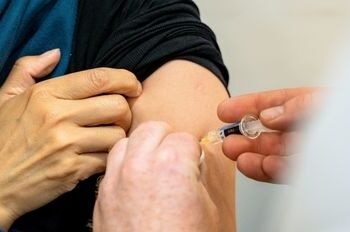 NHS Launches Free Flu Vaccine Drive as Millions Urged to Get Protected
 England Plans Ban on Energy Drinks for Under-16s Amid Health Concerns
 Why E-Bikes and E-Scooters Are Making Streets a ‘Nightmare’ for Blind People
 Millions in the UK at Higher Risk of Heart Failure and Stroke Due to Air Pollution, Study Warns
 Norfolk Hospital Ranked Worst in England as NHS League Tables Return
 More Than Half of UK Births Now Involve Medical Intervention
 British Pilot Joins Crew Training for Year-Long Mars Simulation Mission
 UK Graduates in Healthcare Report Highest Satisfaction with Degree Choices
 Labour Urged to Launch National Occupational Health Service to Tackle Worklessness
 Systemic Racism in Maternity Care Continues to Endanger Black Women in England, MPs Warn
 One in Three GPs in England Do Not Work in NHS, Raising Concerns Over Access to Care
 UK Doctors Guilty of Sexual Misconduct Continue Practising Amid Weak Sanctions, Research Finds
 Heavy Drinkers Lead Growth in Non-Alcoholic and Low-Alcohol Market
 Starmer Unveils Plan for NHS “Online Hospital” to Tackle Waiting Lists
 UK Health Officials Monitor New ‘Stratus’ Covid Variant Amid Rising Cases
 Questions Remain as Rugby Legend Lewis Moody Faces Motor Neurone Disease Diagnosis
 Eligibility Confusion Over COVID Vaccination Leaves Pharmacies Struggling Across the UK
 Women Challenge Meta Over Targeted Ads After Miscarriage
 Mum’s Final Wish: Donating Her Body to Science
 Genetic Tests May Predict Return of Blood Cancer
 Sir Michael Caine Urges Starmer to End Smacking in England
 £18 Prostate Cancer Test Could Save Thousands of Lives
 Pregnant Women in England Face Rising Risk of Severe Birth Injury
 One in 12 Secondary Pupils Sent to Isolation Weekly
 M&S and Morrisons Lead Christmas Supermarket Taste Test
New Prostate Cancer Drug Set to Halve Death Risk in England
M&S and Morrisons Lead Christmas Supermarket Taste Test
New Prostate Cancer Drug Set to Halve Death Risk in England
 UK Health Leaders Push for Urgent Tobacco & Vape Bill
 Hospice Cuts Raise Alarm Across England Amid Funding Crisis
 Celebrities and Charities Demand UK Government Act on Child Poverty
 Patients to Test Health at Home to Ease NHS Winter Pressure
 London’s Childlessness Crisis: Schools Closing as Families Shrink
 Shouting Works Best to Deter Gulls, UK Study Finds
 Reeves rejects £1bn plea for NHS redundancy payouts
 Working-Class Men with Prostate Cancer Left Behind by NHS
 Senator John Fetterman Hospitalized After Fall from Heart Flare-Up, Keeps Sense of Humor
 New AI tool could cut wasted efforts in organ transplants
 From Baby Teeth to Bioengineering: The Future of Self-Healing Teeth
 Stroke Patient Mistaken for Drunk, Care Delayed
 UK launches major AI drive to fight deadly superbugs
 ‘Traumatic Wait’: Northern Ireland Women Face Breast Cancer Delays
 Healthy Habits in Your 30s That Boost Life in Your 70s
 Woman Meets Boy Whose Life She Saved with Kidney
 Scottish Families Take Legal Action Over School CO Leak
 Coffins Now Too Large to Cremate Amid Rising Obesity Crisis
 Vicki Fears Losing Motability Car
 Delhi’s Toxic Air Crisis Leaves Children Sick and Vulnerable
 Five-Year-Old Dies After Rare Tonsil Surgery Complication
 Fibromyalgia Patients Struggle as NHS Fails to Provide Care
 “Enough is Enough”: Local MP Vows to Fight Rainham Quarry Plans
 More Patients Now Contacting GPs Online, Data Shows
 Breast Density Awareness May Cause Unnecessary Anxiety, Study Finds
 GPs Failing Frail Elderly: Only 1 in 6 Assessed – NAO
 Kenya Signs $2.5bn Health Deal with US Amid Data Concerns
 NHS braces for worst winter crisis amid rising flu cases
 Ministers to back regulation of England’s funeral industry
 Teen Nicotine Pouch Use Sparks Growing Health Alarm
 Resident Doctors Seek Fresh Talks to Prevent New NHS Strikes