Published: 12 December 2025. The English Chronicle Desk. The English Chronicle Online.
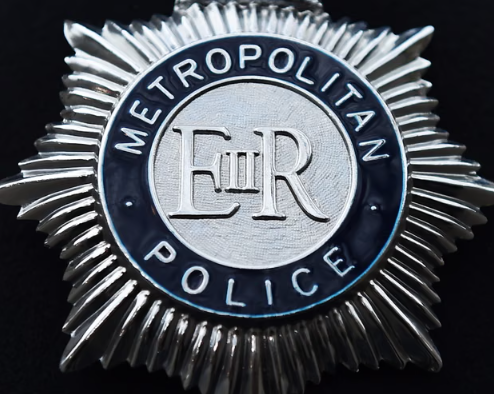
The decision requiring Metropolitan police officers to declare Freemason membership marks a significant and challenging moment for Britain’s largest force as it continues a long struggle to rebuild faith in its culture. The announcement arrives during a period of intense scrutiny around institutional practices that influence behaviour inside the organisation, with public confidence shaken by repeated scandals that exposed longstanding weaknesses. The force now faces renewed pressure to demonstrate transparency, and the move reflects a determined shift led by the current commissioner, who believes better disclosure can strengthen trust.

The new requirement focuses on officers or staff involved with organisations that expect loyalty among members and may influence decision making during operational duties. The guidance directs individuals to declare present or past involvement with Freemasons or comparable groups, responding to fears that hidden alliances could quietly influence internal processes. The Met argues that openness is essential because the public must believe the force works without undue influence or private commitments that undermine impartiality. Surveys within the organisation revealed strong support for greater transparency, confirming two thirds of respondents acknowledged that concealed membership harms public perception.
The commissioner introduced the policy as part of a wider campaign addressing cultural concerns inside the force, answering repeated warnings that unmonitored associations pose risks. He has stated frequently that officers must show the public clear evidence that integrity drives every decision. His leadership continues to emphasise fairness, professional responsibility, and community accountability as foundations for reform. Although the focus on Freemasonry has a long history in British policing, earlier commissioners resisted stricter disclosure rules because they believed the risks were overstated or feared the backlash would distract from other reforms.
The renewed urgency came partly from intelligence suggesting potential links between certain misconduct allegations and personal relationships formed through masonic membership. Investigators have examined these concerns for decades, but no firm conclusions emerged because evidence remained incomplete or circumstantial. Nonetheless, senior officers insisted that unexplained secrecy around membership created persistent doubts about decision making in sensitive operations. For them, the perception of hidden influence damages confidence even without proof of wrongdoing. The new policy therefore aims to remove ambiguity by ensuring every officer follows the same transparent standards.
The Met has faced criticism over the years for failing to address concerns raised by victims, campaigners, and independent investigators. Several major inquiries referenced Freemasonry connections among officers involved in controversial cases. One of the most significant was the inquiry into the 1987 murder of private investigator Daniel Morgan, which remains one of Britain’s most troubling unsolved killings. The inquiry found strong suspicion that overlapping relationships and undisclosed loyalties hindered the search for the killers. Investigators discovered that several officers involved in the case were Freemasons, which fuelled concerns that some individuals may have acted in ways that affected the investigation. However, the inquiry stated clearly that it found no evidence proving masonic networks were used to commit the crime or obstruct justice.
These findings reinforced the argument that the secrecy surrounding membership, rather than the organisation itself, created conditions that encouraged mistrust. Independent panels repeatedly stressed that cultural reform must focus on transparency, strong oversight, and consistent expectations across policing structures. The Met now frames the disclosure rule as a rational step addressing these recommendations. Senior figures argue that openly acknowledging membership prevents misunderstandings and protects officers from speculation about hidden motives.
Freemasonry organisations strongly objected to the new policy and described it as unfair and unnecessary. The United Grand Lodge of England argues that Freemasonry promotes ethical values, including integrity and respect, and denies any suggestion that membership encourages corruption. Representatives insist that the force should not treat masonic lodges differently from other community or social groups. They believe the policy singles out ordinary members, many of whom hold professional roles across the country. The organisation is considering possible legal action, arguing that the rule risks discrimination. They also emphasise that secrecy is often overstated, and many members openly discuss their involvement in public settings.
Debate about Freemasonry and policing has persisted for decades because of its structure and traditions. The organisation traces its origins to medieval stonemasons, with a recorded initiation in seventeenth century Warrington marking the beginning of documented membership practices. Lodges expanded throughout the eighteenth century, developing ritual traditions and a strong focus on personal development. Police lodges exist across Britain, including groups specifically created for Met officers or representatives of the Police Federation. These lodges foster fellowship, but critics worry that their private meetings and shared customs create perceptions of influence that conflict with the expectations of impartial service.
Some officers defended their membership and dismissed allegations that masonic involvement offers professional benefits. Retired Met officer John Tully, once a leader within the Police Federation, stated that his membership never accelerated his career. He argued that if the force requires disclosure of masonic involvement, it should apply similar rules to other clubs or associations. Critics of this view insist that secrecy and hierarchy distinguish Freemasonry from social clubs, creating an obligation to disclose connections that may influence decisions.
Former senior police figures have raised concerns that masonic networks affected progression and diversity within the ranks. Some believed informal support patterns inside certain lodges slowed reforms or created barriers for women and ethnic minority officers. These claims intensified calls for greater oversight. Reform advocates maintain that cultural renewal requires confronting every factor influencing internal power structures, and many saw undisclosed masonic membership as one of those concerns.
The new policy does not prevent officers from joining lodges, but it requires them to declare membership to ensure supervisors understand the full context of their associations. That transparency allows leaders to manage operational decisions appropriately and avoid potential conflicts of interest. Supporters believe the rule strengthens the integrity of policing by showing the public that the force recognises the need for openness and modern governance. Critics argue that the policy targets an organisation unfairly and may alienate officers who participate in lodges for tradition or personal fellowship.

This debate reflects the complex relationship between tradition, personal freedom, and public accountability within modern policing. The force must continually adapt to remain aligned with democratic expectations, social values, and community trust. Clear rules and open communication help officers operate with confidence, and the new disclosure requirement marks a strategic step toward rebuilding credibility after years of damaging scandals. Whether the policy brings lasting cultural change remains uncertain, but it demonstrates a willingness to address issues previously avoided or underestimated.
The controversy will likely continue because both sides believe the stakes are significant. Freemasonry groups fear unjust treatment and the erosion of long-standing traditions, while the Met prioritises restoring faith in a service that must reflect public expectations. As the force confronts these challenges, its leadership hopes that transparent practices will show a commitment to fairness and accountability. For now, the requirement stands as one of the most notable cultural reforms introduced during a pivotal moment for British policing.
Related News:
 UK Must Act with Courage and Clarity on Israel-Palestine Conflict, Says Foreign Affairs Committee Report
 Tasers Introduced in UK Prisons to Combat Rising Violence and Protect Staff
 Wethersfield Controversy Deepens as Asylum Seeker Numbers Set to Surge by 50%
 Chancellor Faces Mounting Pressure Amid “Impossible Trilemma” Over Tax Rises
 Radioactive Leak at UK’s Nuclear Warhead Base Sparks Outcry Over Safety and Secrecy
 Mass Arrests in London as Protest Defies Ban on Palestine Action
 Mutual Inconvenience: Why Alaska Was Chosen for the Trump-Putin Summit on Ukraine
 Russell T Davies Warns of Declining UK Gay Rights Amid Rise of Reform UK and Trump Influence
 UK Government Expands ‘Deport Now, Appeal Later’ Policy to 23 Countries
 Farage Accuses PM of ‘Democratic Disparity’ in House of Lords Representation
 Chancellor Rachel Reeves Pushes for Sweeping Changes to Environmental Protections to Accelerate Development
 Larger Families Could Gain Thousands if Labour Ends Two-Child Benefit Cap
 Is the UK Ready to Put Boots on the Ground in Ukraine? Assessing Military Capacity and Challenges
 Ory Councils Urged to Challenge Asylum Hotels After Epping Ruling
 Palestine Action Ban Protesters Plan Tactic to Overwhelm Police at Next London Demonstration
 Police Scotland Spends £500,000 Compensating Officers Over Trump Visit
 Britain’s Migration Challenge: Rising Asylum Numbers and Hotel Pressures
 Elon Musk Sparks New Controversy by Backing Tommy Robinson Amid Farage Feud
 Polanski’s Rise Signals a Shift in British Political Landscape
 Urgent Action Needed on Windrush Compensation as Survivors Speak of “Waiting to Die”
 Tanni Grey-Thompson Faces Abuse Over Opposition to Assisted Dying Bill
 Protests Expected as Israeli Arms Firms Join Global Defence Trade Fair in London
 Are Britain’s Unions Turning Against the Workers They Once Represented?
 TfL Invites RMT to Resume Talks as London Tube Strikes End
 UK Rejoining EU ‘Unlikely in My Lifetime,’ Says Starmer’s Europe Reset Negotiator
 UK Urged to Collaborate with NATO on Missile Defence Amid Russian Drone Threat
 ‘Unite the Kingdom’ Rally Sparks Fears of Far-Right Normalisation Among Minority Britons
 France Proposes Ceiling on UK Role in €150bn EU Defence Fund
 Thousands Gather in London to Protest Donald Trump’s Second UK State Visit
 Tragedy in Hackney: Man Killed and Woman Injured in East London Park Shooting
 Zarah Sultana Seeks Legal Action After Bitter Clash with Jeremy Corbyn Over Party Membership Funds
 Nigel Farage Unveils Controversial Immigration and Welfare Plans at Reform UK Press Conference
 Top Andy Burnham Ally Launches Fierce Critique of Starmer Ahead of Labour Conference
 Mahmood Pledges Reform of Modern Slavery Laws After Court Blocks Deportation Appeal
 It Changed My View’: Campaign Encourages Pupils in Deprived Areas to Consider University
 UK Fighter Jet Purchase Could Breach Nuclear Treaty, Warns CND
 Ed Miliband Warns UK Government on X, Citing Elon Musk as a “Dangerous Influence”
 Migrants in UK May Need to Contribute or Face Removal, Home Secretary Signals
 Ed Miliband Urges Labour to Confront Billionaire-Backed Opposition to Net Zero Goals
 A Third of EU Citizens in UK Report Discrimination by Public Bodies Post-Brexit
 Senior Tories Condemn Badenoch’s Vow to Repeal Climate Change Act as Catastrophic
 Home Secretary condemns Gaza protests after Manchester synagogue attack as “un-British”
 Digital ID Plans Ignite Debate Over £600m Treasury Tax Boost and Privacy Concerns
 Robert Jenrick Reiterates Controversial Comments on Birmingham’s Integration as Backlash Grows
 Kemi Badenoch Unveils ‘Golden Rule’ to Halve Spending Cuts for Deficit Reduction at Tory Conference
 Public Trust in SNP Hits Historic Low Amid NHS Concerns
 Yvette Cooper Backs Digital ID Plan for UK Teens
 Starmer Faces Backlash Over Downing Street Shake-Up and Progressive Exodus
 Johnson Suggests Mandelson Linked to China Spy Controversy
 UK border officers deployed to Balkans to tackle migrant smuggling
 Ministry of Justice fails to file £11bn in spending receipts
 UK MPs warn of repeat riots over online misinformation
 Rachel Reeves signals welfare reform ahead of key budget
 Reform UK candidate fined £19,000 after using AI-generated cases to challenge election
 The debate over England’s compulsory reading test for 13-year-olds
 Kosovo agrees to host Britain’s refused asylum seekers
 William Steps Up Over Prince Andrew Palace Response
 UK Health Leaders Push for Urgent Tobacco & Vape Bill
 Army Barracks to House Migrants as Hotels Phase Out
 How the Royal Navy Can’t Stop the Channel Boats
 Johnson Approved China’s London ‘Super-Embassy’ in 2018
 Green Party Surges Past Labour in Latest UK Poll
 Celebrities and Charities Demand UK Government Act on Child Poverty
 Zarah Sultana Launches Party to Change Politics
 Trump’s UK Ambassador Urges North Sea Drilling to Strengthen US Ties
 FBI Director Kash Patel Defends Girlfriend Amid Government Jet Claims
 French Taxi Driver Cleared in David Lammy Theft Case After Fare Dispute
 ‘Reckless’ cuts to victims’ services will cost more than they save
 Millionaires group urge Reeves to introduce wealth tax to ‘lift kids out of poverty’
 Starmer Faces Growing Dissent as Labour MPs Weigh Leadership Challenge
 Reeves rejects £1bn plea for NHS redundancy payouts
 PM Condemns Leaks, Vows Loyalty to Ministers and Stability
 Pressure Mounts on Starmer to Sack Chief of Staff Over Briefing Row
 Major Rent Reform Ends No-Fault Evictions in England
 Peers Flood Assisted Dying Bill with 942 Amendments
 Most Tories Expect to Support a Farage-Led Government
 Labour MP claims devolution bill is ‘blatant discrimination’ against Cornwall
 Millions Face Higher Taxes Under Reeves New Budget
 Starmer Says Labour’s Economic Plan Needs Years to Deliver
 England delays four mayoral elections amid criticism