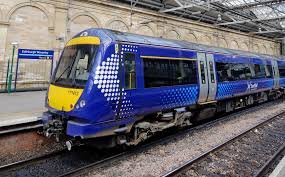
Published: 24 December 2025. The English Chronicle Desk. The English Chronicle Online.
Train companies have faced warnings after misleading claims on ticketing websites were banned by regulators.
The Advertising Standards Authority (ASA) ruled that claims by ScotRail, Greater Anglia, and third-party site My Train Ticket were not substantiated. All three websites had suggested that customers could obtain the lowest fares or “best prices” when booking online.
ScotRail’s website stated customers could “get cheapest tickets,” “book direct for the best price,” and enjoy prices that were “unbeatable.” Greater Anglia’s site promoted “book direct for lowest prices.” In each instance, the ASA found the companies could not prove that these claims were consistently true.
The ASA emphasised that operators must provide clear evidence to show that customers would always receive lower prices through their platforms, rather than merely matching competitors’ fares. According to industry rules, train operators cannot create or sell their own fares independently, limiting the accuracy of such claims.
In some cases, the ASA found that Greater Anglia fares could be undercut through split ticketing, where separate tickets are purchased for segments of a journey. This further demonstrated that the “best price” claims were potentially misleading for customers.

The rulings follow a similar verdict against Trainline in August, where the ASA concluded the company breached advertising standards by promising fares unavailable elsewhere.
Claire Dickie, ScotRail’s commercial director, said the company regrets that website messages did not fully meet ASA requirements. She assured that ScotRail would review processes to maintain compliance and continue offering value for money, including removing peak fares and providing clear booking options.
My Train Ticket welcomed the ASA decision, stating that the company continually updates its website to ensure accurate, impartial, and clear information for users.
George Eckton, a rail commuter and campaigner for fare transparency, highlighted the importance of the ruling. He said it demonstrates that passengers cannot rely on unverified “best price” claims and stressed that Great British Railways should act to make pricing information clearer and more reliable.
Greater Anglia has declined to comment but updated its website wording after the ruling to remove misleading claims. The government plans to simplify fare structures and establish a national ticketing website under the new Great British Railways framework.
The ASA’s intervention has raised awareness of the need for greater transparency in train ticket pricing, ensuring passengers are not misled by claims that cannot be substantiated. The case underscores ongoing challenges in a market where fare structures are complex and operators cannot guarantee exclusive lower prices.
ScotRail and Greater Anglia, two of the UK’s largest operators, must now balance promotional messaging with factual accuracy to comply with regulatory standards. Meanwhile, consumer advocacy groups continue to press for simpler, more transparent fare systems that prevent confusion over ticket pricing.
In a sector where online booking is increasingly dominant, the ASA rulings serve as a reminder that advertising language must be precise. Misleading claims can create distrust among passengers, prompting regulatory scrutiny and reputational risks for operators.
The focus on evidence-based pricing claims is also expected to influence other ticketing platforms, which may need to review how they communicate fares online. This could encourage industry-wide improvements in clarity and transparency, benefiting customers navigating complicated journey options and fare structures.
Government plans to create a single national ticketing website aim to reduce inconsistencies and give passengers a reliable point of reference for comparing prices. Such a platform would address long-standing issues related to split ticketing, regional fare variations, and promotional claims, creating a more user-friendly experience.

Regulatory interventions like the ASA rulings highlight the critical role of oversight in maintaining trust in public transport. Without enforceable standards, passengers risk paying more than necessary or being misled by ambiguous language on commercial websites.
Operators must ensure that all future advertising clearly reflects what customers can realistically expect when booking tickets online. By doing so, they will not only comply with ASA regulations but also foster greater confidence in digital ticketing services.
As the UK rail sector prepares for structural changes under Great British Railways, this case illustrates the importance of transparency and accountability. Accurate fare representation is essential to protect passengers, enhance competition, and support a fair, navigable rail system for all users.
Passengers are encouraged to check multiple sources and consider alternative booking strategies, including split tickets, to ensure they obtain the best possible price. Regulatory guidance will likely continue shaping how operators present ticket information, promoting fairness and reducing potential consumer confusion.
Related News:
 Concerns Mount Over Accuracy of At-Home Health Tests as Study Calls for Stricter Regulation
 UK Must Act with Courage and Clarity on Israel-Palestine Conflict, Says Foreign Affairs Committee Report
 The Ketamine Crisis in the UK is a Silent Epidemic Leaving Users with Lifelong Pain
 London Set to Honour Euro 2025 Champions as Lionesses Take Victory Parade Through the Capital
 Targeted Attack in Bury Sparks Murder Investigation as Community Awaits Justice
 Chancellor Faces Mounting Pressure Amid “Impossible Trilemma” Over Tax Rises
 Princess of Wales Launches Animated Video Series to Support Early Childhood Development
 Heartbreak in the New Forest as Shetland Ponies Vanish, Community on Edge
 Radioactive Leak at UK’s Nuclear Warhead Base Sparks Outcry Over Safety and Secrecy
 Mutual Inconvenience: Why Alaska Was Chosen for the Trump-Putin Summit on Ukraine
 Fire Contained at Edinburgh’s Arthur’s Seat After Overnight Battle by Firefighters
 Premier League Supercomputer Predicts Tough Season for Man Utd Amid Three-Team Title Battle
 Mystery Wallaby Spotted on Norfolk-Suffolk Border Sparks Police Appeal
 UK Weather: Heat Alerts Extended as Temperatures Set to Reach 30°C This Weekend
 Terence Stamp, ’60s British Film Legend and Star of Superman, Dies at 87
 Chancellor Rachel Reeves Pushes for Sweeping Changes to Environmental Protections to Accelerate Development
 Merseyside Police Helicopter Crew Cleared After Low-Altitude Pursuit of Suspect
 Is the UK Ready to Put Boots on the Ground in Ukraine? Assessing Military Capacity and Challenges
 Education Leaders Call for End to Compulsory GCSE Resits in English and Maths
 Police Scotland Spends £500,000 Compensating Officers Over Trump Visit
 Thousands of New School Nursery Places to Be Rolled Out Across England
 Urgent Action Needed on Windrush Compensation as Survivors Speak of “Waiting to Die”
 Tanni Grey-Thompson Faces Abuse Over Opposition to Assisted Dying Bill
 Rising Food Bank Dependence Highlights Deepening Hardship Across the UK
 Birmingham Bin Strike Enters Sixth Month as Negotiations Stall
 TfL Invites RMT to Resume Talks as London Tube Strikes End
 Over 40% of Private Renters Forced to Ration Energy to Afford Bills, Study Reveals
 Systemic Racism in Maternity Care Continues to Endanger Black Women in England, MPs Warn
 One in Three GPs in England Do Not Work in NHS, Raising Concerns Over Access to Care
 Northern Ireland Faces Fears of Prolonged Race Riot “Permacrisis”
 Nigel Farage Unveils Controversial Immigration and Welfare Plans at Reform UK Press Conference
 Great Britain’s Energy Operator Commits to Strengthening Grid to Prevent Blackouts
 Scottish Teenager’s Petition on Single-Use Plastics Gains Parliamentary Support
 White Low-Income Pupils in England Show Lowest Levels of School Engagement, Study Finds
 Ed Miliband Warns UK Government on X, Citing Elon Musk as a “Dangerous Influence”
 No Evidence Found to Substantiate Alleged Rape in Oxfordshire Churchyard, Police Confirm
 UK House Price Growth Slows as Buyers Exercise Caution Ahead of Autumn Budget
 Kemi Badenoch Unveils ‘Golden Rule’ to Halve Spending Cuts for Deficit Reduction at Tory Conference
 Massive London Poundland Fire Engulfs High Street
 Sussexes Warn on Children’s Phone Use Echoing Princess of Wales
 Paedophile Singer Ian Watkins Dies After Prison Attack
 Prince Andrew told Epstein “we are in this together”
 Former Premier League Referee David Coote Pleads Guilty to Child Image Offence
 UK border officers deployed to Balkans to tackle migrant smuggling
 UK MPs warn of repeat riots over online misinformation
 New V-Level qualification to transform post-16 education
Giuffre’s bombshell memoir names Prince Andrew 88 times in shocking revelations
New V-Level qualification to transform post-16 education
Giuffre’s bombshell memoir names Prince Andrew 88 times in shocking revelations
 Real living wage set to rise nearly 7% for UK workers in 2026
 M&S and Morrisons Lead Christmas Supermarket Taste Test
 New Prostate Cancer Drug Set to Halve Death Risk in England
 Army Barracks to House Migrants as Hotels Phase Out
 Reeves Faces Setback as Labour May Miss Homes Target
 Kate Winslet to Narrate Film Highlighting King’s Environmental Mission
 Trump’s UK Ambassador Urges North Sea Drilling to Strengthen US Ties
 UK Bans Fake Numbers: Scammers Lose Their Trick
 M&S Profits More Than Halve After Cyber-Attack
 Patients to Test Health at Home to Ease NHS Winter Pressure
 Millionaires group urge Reeves to introduce wealth tax to ‘lift kids out of poverty’
 Reeves rejects £1bn plea for NHS redundancy payouts
 Northern Lights may illuminate UK skies this week
 PM Condemns Leaks, Vows Loyalty to Ministers and Stability
 Major Rent Reform Ends No-Fault Evictions in England
 Criminal Gangs Pose as Truckers to Hijack UK Supply Chains
 Stroke Patient Mistaken for Drunk, Care Delayed
 Van Dwellers Face Eviction After Park Misuse Sparks Outcry
 Royal Navy Shadows Russian Warships Entering the Channel
 Inside the Helpline Protecting Missing Children in the UK
 Boots Showstopper Beauty Bundle Outshines Many Advent Calendars This Holiday Season
 Labour’s ‘blinkered’ drive to build risks pushing wildlife to point of no return, nature experts warn
 PlayStation PS5 Deals Hit Lowest Prices Ahead of Black Friday
 Five-Year-Old Dies After Rare Tonsil Surgery Complication
 Starmer Says Labour’s Economic Plan Needs Years to Deliver
 More Patients Now Contacting GPs Online, Data Shows
 England delays four mayoral elections amid criticism
 Zelenskyy in London: Peace Push Intensifies
 Drax eyes digital future with bold North Yorkshire datacentre plan
 UK unemployment rises to four-year high of 5.1% before budget
 Wiltshire Police Use Lasso to Catch Rampaging Village Goat
 First Asylum Seekers to Arrive at East Sussex Military Camp
 Historic £100-Weekly Pension Boost Brings Relief for UK Mineworkers