Published: 18 January 2026. The English Chronicle Desk. The English Chronicle Online
A series of deadly avalanches across the Austrian Alps has claimed the lives of eight people in a single day, highlighting the extreme dangers currently facing winter sports enthusiasts despite repeated and urgent safety warnings from rescue authorities. The fatalities, which occurred on Saturday in different regions of Austria, have once again drawn attention to the worsening avalanche conditions gripping much of the Alpine region following days of heavy snowfall.
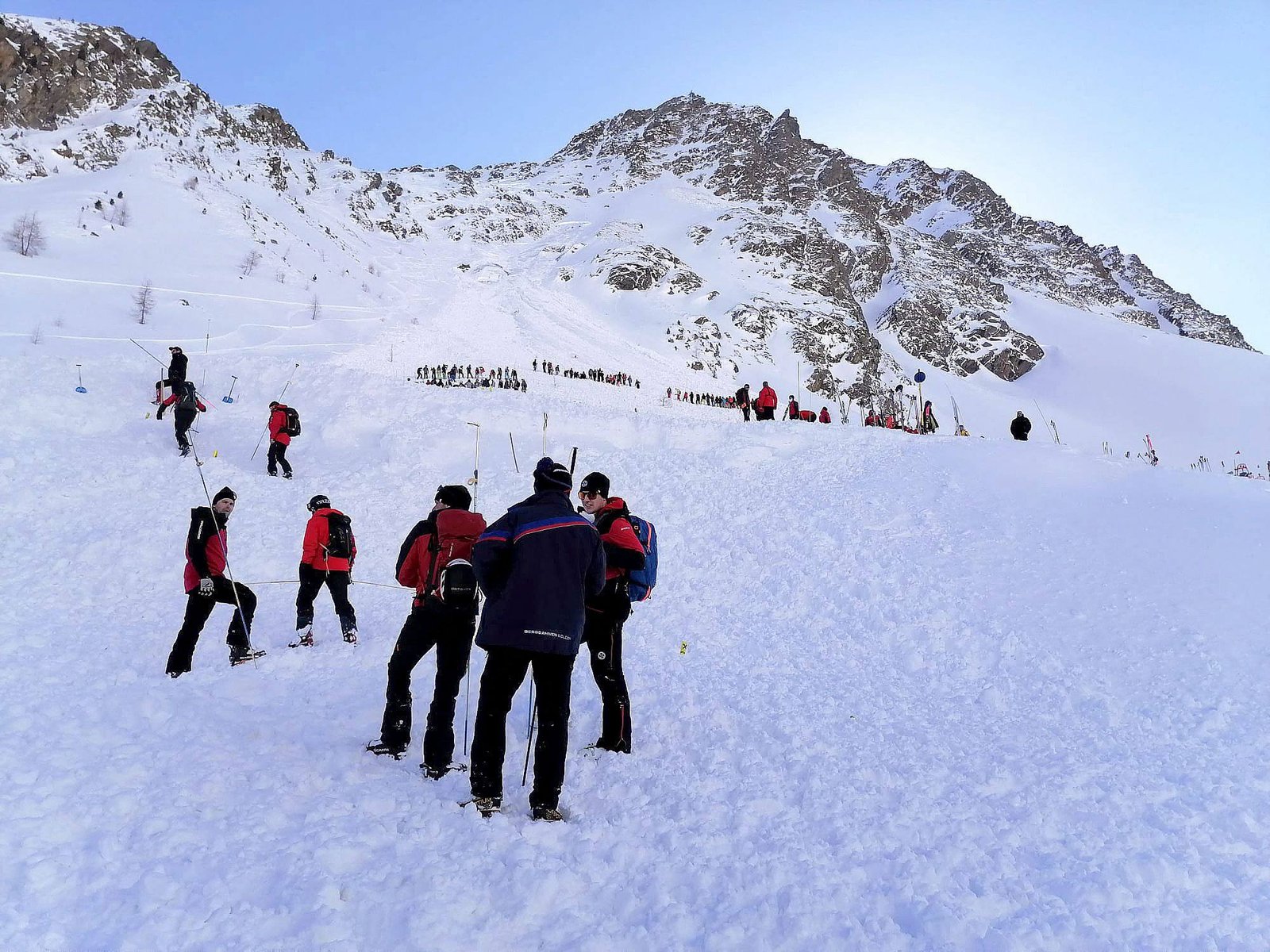
The most recent incident occurred in central Austria’s Styria province, where an avalanche struck a group of Czech ski tourers in the Murtal district. According to a statement released by Austrian police, three members of a seven-person group were swept away by a sudden mass of snow while ski touring in mountainous terrain. The avalanche buried the skiers completely, leaving them trapped beneath deep layers of snow.

Emergency services were alerted almost immediately, prompting a rapid response involving mountain rescue teams and specialised avalanche search units. Despite swift action, rescuers were only able to locate and partially dig out the victims after crucial time had passed. Police confirmed that all three individuals were found dead at the scene. The remaining members of the group survived, though officials said they were deeply traumatised by the incident.
Earlier the same day, another fatal avalanche occurred in the Pongau region near Salzburg, compounding the tragedy. In this incident, a group of seven off-piste skiers was hit by a powerful avalanche while descending outside marked and secured ski runs. Local media, citing mountain rescue authorities, reported that four people were killed instantly, while another skier sustained serious injuries and was transported to hospital in critical condition.
Rescuers described the avalanche as fast-moving and highly destructive, leaving little chance for escape. The injured skier was rescued after an intensive operation involving helicopters, search dogs, and specialised equipment designed to detect people buried under snow. Despite these efforts, the high number of fatalities underscored the severity of the conditions.
Adding to the grim toll, another off-piste skier was swept away by an avalanche in the same Pongau area earlier on Saturday. While details of that incident remain limited, authorities confirmed it was part of the same pattern of dangerous snow instability affecting the region.
Gerhard Kremser, the head of the Pongau mountain rescue service, issued a stark warning following the incidents. He expressed frustration and sorrow over the repeated tragedies, emphasising that clear and repeated avalanche warnings had been issued in the days leading up to the accidents. Speaking to local media, Kremser said the events of Saturday painfully demonstrated how serious the current avalanche situation had become. He stressed that despite official alerts and public safety messages, many skiers and tourers continued to venture into high-risk areas.
Avalanche experts have attributed the heightened danger to recent heavy snowfall combined with fluctuating temperatures, which have created unstable layers within the snowpack. Such conditions significantly increase the likelihood of avalanches, particularly in steep, ungroomed terrain popular with experienced skiers seeking fresh powder away from crowded pistes.
The deadly events of Saturday were not isolated incidents but part of a broader and deeply concerning pattern unfolding across the Alps in recent weeks. Since last week, avalanches have claimed multiple victims across Austria and neighbouring countries, as winter storms dumped large amounts of snow across the region.
Earlier in the week, on Tuesday, a tragic accident claimed the life of a 13-year-old Czech skier in the renowned Austrian Alpine resort of Bad Gastein. The teenager had been skiing off-piste when an avalanche struck, burying him under snow. Despite rescue efforts, the young skier could not be saved. The incident shocked both local communities and international visitors, serving as a sombre reminder that avalanche danger affects skiers of all ages.
Just days before that, last Sunday, a 58-year-old ski tourer lost his life in an avalanche at the Tyrolean resort of Weerberg in western Austria. Authorities reported that the man had been touring alone when he was caught by a sudden slide, leaving no immediate witnesses to raise the alarm. His body was recovered later by rescue teams.
The avalanche crisis has not been confined to Austria alone. In neighbouring Switzerland, a German national was killed on Friday while cross-country skiing when an avalanche struck the area he was traversing. Four other people were injured in the same incident, according to Swiss authorities. Rescue teams described challenging conditions as they worked to evacuate the injured and secure the area against further snow slides.
France has also witnessed a devastating series of avalanche-related deaths. Last weekend, six skiers were killed after being caught in avalanches across several Alpine resorts, including popular destinations frequented by international tourists. French rescue services reported that many of the victims were skiing outside designated areas, despite avalanche risk levels being rated as high.
Experts warn that off-piste skiing, while appealing to thrill-seekers and experienced athletes, carries inherent dangers that are often underestimated. Unlike groomed slopes, off-piste areas are not controlled or secured by ski resort authorities, leaving skiers exposed to natural hazards such as avalanches, hidden crevasses, and sudden weather changes.
Mountain rescue organisations across Europe have repeatedly urged skiers and snowboarders to respect avalanche forecasts, carry proper safety equipment, and avoid risky terrain during periods of elevated danger. Standard avalanche safety gear typically includes transceivers, probes, and shovels, which can significantly improve survival chances if used correctly. However, experts stress that even with equipment, prevention remains the most effective protection.
The recent fatalities have prompted renewed calls for stricter adherence to safety guidelines and better public awareness. Authorities have emphasised that avalanche warnings are based on scientific assessments of snow stability and weather conditions and should never be ignored.
Local officials in Austria have expressed condolences to the families of the victims and reaffirmed their commitment to public safety. However, they also acknowledged the limitations of rescue operations when individuals place themselves in extremely dangerous situations. “Once an avalanche is triggered, survival often depends on luck and seconds,” one rescue official noted.

As climate patterns shift and extreme weather events become more frequent, experts warn that avalanche risks may become increasingly unpredictable. Warmer temperatures followed by sudden cold snaps can weaken snow layers, creating conditions ripe for avalanches even in areas traditionally considered safer.
For now, rescue services across the Alps remain on high alert, closely monitoring conditions and responding to emergencies as they arise. Authorities continue to urge skiers, snowboarders, and hikers to stay informed, heed warnings, and prioritise safety over adventure.
The tragedies in Austria and across the Alpine region serve as a stark reminder of nature’s power and the consequences of underestimating it. As winter sports enthusiasts flock to the mountains, the hope among rescuers and officials is that heightened awareness and caution will prevent further loss of life in the days and weeks ahead.
Related News:
 BBC to Apologise Over Edited Trump Speech Amid Backlash
 Britain deploys RAF specialists to assist Belgium with drone threats
 Greene Pushes Epstein Files Amid Trump Fallout
 December Run-Off in Chile as Election Produces No Winner
 Zelenskyy Signs Fighter Jet Deal Amid Russian Drone Attacks
 Canada Passes Carney’s First Budget in Tight Parliamentary Vote
 Shadow Fleet at Sea: Europe’s Battle Against Illicit Oil Shipping
 Tiny Curacao Makes History as Smallest Nation to Reach World Cup
 Deadly Russian Strikes Hit Western Ukraine, 20 Killed in Ternopil
 Ukraine Peace Plan: Zelensky Ready for Dialogue
 Royal Navy Shadows Russian Warships Entering the Channel
 US Suspends Afghan Immigration After White House Shooting
 Georgians Defy Government Crackdown After Year of Protests
 Tokyo court rules Japan’s same-sex marriage ban constitutional
 ‘Extinct’ Antelope Returns to Sahara, Bringing Hope
 American Mother Extradited From UK to U.S. on Murder Charges
 Irish Beach Tragedy: Irish Drown at Whitehaven Beach in Australia
 Sanctioned oil tankers sail Channel amid Russia scrutiny
 US and UK Withdraw Personnel as Middle East Tensions Rise
 ‘Black Tax’: Burden, Pride and Survival for African Workers
 Thousands Protest ICE Operations in Nationwide US Day of Action
 Starmer Condemns ‘Depraved’ Russian Strikes on Ukraine
 Herzog visit sparks protests across Australian cities
 Tarique Rahman’s Rise Toward Bangladesh’s Top Job
 AFP Reviews Pauline Hanson Comments
 Duterte ICC Hearing Begins Amid Defiance
 Trump Tariffs Threat Spark UK and EU Alarm
 Australian Women in Syrian Camp Offer Separation Deal
 The Dangerous Rise of Remigration Across Modern Europe
 US to offer passport services in West Bank settlements
 Seeking Truth: The Vital Battle for Honest Journalism
 Iranian Australian community divided after vigils
 UK Rescue Flight Delayed Amid Middle East War
 Seventh US Service Member Killed in Iran Conflict Identified
 Iran Defiance Grows Amid US-Israel War Pressure
 US Missile Strike on Iran School Sparks Global Shock
 Canada Plasma Deaths Raise Safety Concerns After Two Donors Die
 US Attack on IRIS Dena Shocks Indian Ocean Security
 Australian Petrol Crisis Deepens as Local Stations Run Dry
 Gulf Tensions Rise as Iran Alleges Covert Support
 Oil Slides, Stocks Jump on Trump Peace Signals
 Danish Election Deadlock Shakes Frederiksen’s Grip
 Bondi terror attack linked to global rise in IS plots
 Pope Rebukes Leaders for War as Middle East Tensions Rise
 Army Probes Apache Flyover at Kid Rock’s Nashville Estate
 Iran Drone Strike Hits Kuwaiti Oil Tanker in Dubai Port
 Artemis II: Humanity Returns to the Moon After Decades
 Nuns of Schloss Goldenstein Move Closer to Staying Home
 Italian Town Buys Mussolini Villa to Keep Away Fascist Fans
 Report Says Pezzullo Acted ‘Recklessly’ in Dealings
 Trump and Tehran Find Common Ground in Landmark Ceasefire
 Trump Employs Nixon’s Madman Theory Amid Iran Crisis
 Singapore Pledges Stable Fuel Supply for Australia
 Suspected Plot Targets Pipeline Before Hungary Vote
 Reeves Slams Trump Over Iran War Lack Of Exit Plan
 Learner Driver Charged After Expo Tragedy
 Coalition pushes fossil fuel phaseout plan
 Trump approval plunges amid Iran war fears
 US ‘Narco Boat’ Strikes Draw Global Outcry
 FIFA Confirms Global Ban for Benfica Star Prestianni
 US and Mexico Face Heatwave as Floods Batter South Africa
 Putin Signals War End as Russian Momentum Stalls
 Australia Welcomes the Iconic Michelin Guide
 Scepticism and tight security as Beijing braces for Trump
 Philippine Senator Flees After Days Under Senate Siege
 Tensions Flare as Israeli Nationalists March in Jerusalem
 High Street Crisis: Fears Grow Over Post Office Closures
 Xi Hosts Putin for Talks Right After Trump Visit
 Fragile Truce Shattered as Violence Escapes Diplomatic Control
 Oil Markets Face ‘Red Zone’ Threat Amid Iran Crisis
 Pope Meets Families in Italy Toxic Waste Zone
 Discontent grows around Putin amid war strain
 US Strikes Iranian Sites Amid Shaky Ceasefire Talks
 Starmer Leadership Under Pressure After Setbacks
 Papal Visit Offers Political Lifeline to Spanish Premier
 Aukus Deal Facing Fierce Backing and Historic Criticism
 Thai Princess Bajrakitiyabha Passes Away at 47
 Le Pen to Run for President Despite Embezzlement Conviction
 Ukraine Creates Long-Range Strike Command
 Houthis Strike Saudi Arabia as Middle East Tensions Rise