Published: 24 January 2026. The English Chronicle Desk. The English Chronicle Online
The United States is preparing for a significant recalibration of its security role on the Korean Peninsula, according to a new Pentagon policy document that suggests South Korea should take primary responsibility for deterring North Korea, with the US playing a more limited supporting role. The shift, outlined in the National Defense Strategy released on Friday, is already stirring debate in Seoul and among regional security analysts, who see it as a potentially consequential moment for the long-standing US–South Korea alliance.
For decades, the US military presence in South Korea has been the backbone of deterrence against North Korea’s conventional and nuclear threats. Around 28,500 US troops are stationed in the country, integrated with South Korean forces under a combined command structure designed to respond rapidly to any aggression from the North. The new strategy document, however, frames the future differently, stating that South Korea is now capable of assuming the lead role in deterring Pyongyang.
“South Korea is capable of taking primary responsibility for deterring North Korea with critical but more limited US support,” the document says. It adds that this “shift in the balance of responsibility” aligns with America’s broader interest in updating its force posture on the Korean Peninsula, reflecting changes in both regional dynamics and South Korea’s own military capabilities.

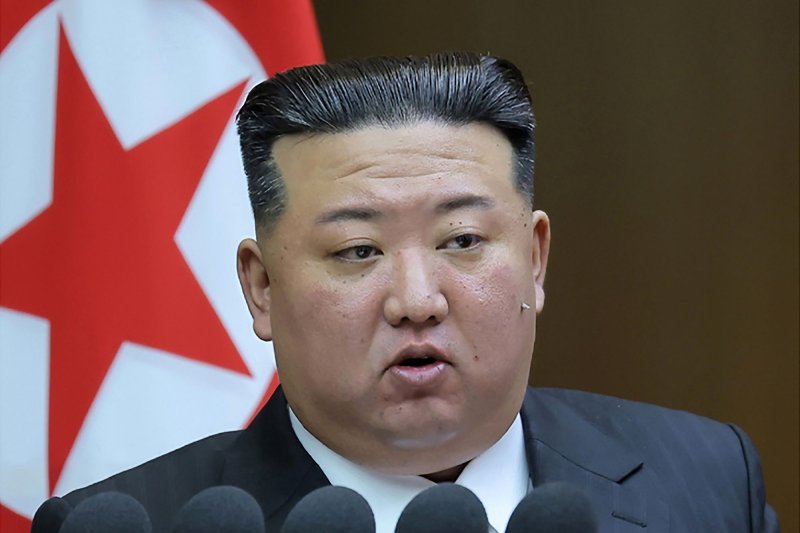
The timing of the announcement is sensitive. North Korea has continued to expand and refine its missile and nuclear programmes, conducting frequent weapons tests and issuing increasingly aggressive rhetoric toward both Seoul and Washington. At the same time, South Korea has been steadily increasing its defence spending, raising its budget by 7.5% this year as part of a long-term effort to modernise its armed forces and reduce reliance on external protection.
Washington’s new stance appears rooted in the Pentagon’s growing emphasis on defending the US homeland and preparing for competition with major powers, particularly China. In recent years, US defence officials have argued that American forces overseas must be more flexible and capable of responding to a wider range of contingencies, from a crisis in Taiwan to challenges posed by China’s expanding military reach across the Indo-Pacific.
Within this framework, US troops stationed in South Korea are increasingly viewed not only as a deterrent to North Korea but also as assets that could be redeployed or used more flexibly beyond the peninsula. The National Defense Strategy does not spell out specific troop reductions or redeployments, but its language suggests a gradual evolution rather than an abrupt withdrawal.
South Korea’s response has been cautious but measured. In a statement issued on Saturday, the country’s defence ministry stressed that US Forces in Korea remain central to the alliance and will continue to deter North Korean aggression. Officials emphasised that the alliance is adapting to new realities through what Washington calls “alliance modernisation,” not weakening.
President Lee Jae Myung, who took office with a pledge to strengthen South Korea’s strategic autonomy, has previously expressed support for a more self-reliant defence posture. In September, he criticised what he described as a “submissive mindset that self-reliant defence is impossible without foreign troops,” signalling a desire for Seoul to play a more assertive role in its own security. Even so, South Korean leaders remain acutely aware of the symbolic and practical importance of the US military presence as a deterrent to Pyongyang.
South Korea today fields a formidable military of its own, with around 450,000 active-duty troops and advanced capabilities in air defence, naval power and missile technology. Over the past two decades, it has invested heavily in indigenous defence industries, producing everything from fighter jets to ballistic missile defence systems. The country is also moving toward assuming wartime operational control of combined forces, a transition long discussed but repeatedly delayed due to regional tensions.
Despite these advances, many in Seoul worry that any perception of reduced US commitment could embolden North Korea. Analysts note that deterrence is as much about perception as it is about raw capability. “Even a subtle shift in language from Washington can have outsized psychological effects in Pyongyang,” said one South Korean security expert. “North Korea closely watches these signals and may interpret them as an opportunity to test the alliance.”
The Pentagon document also marks a notable shift in how Washington frames its objectives regarding North Korea’s nuclear programme. For the second major strategy paper in a row, it omits explicit reference to the “complete and verifiable denuclearisation” of the Korean Peninsula, language that featured prominently in earlier US policy statements, including the Biden administration’s 2022 strategy.
This omission has fuelled speculation that Washington may be quietly adjusting its expectations, moving from the long-stated goal of denuclearisation toward a strategy of managing and containing North Korea’s nuclear arsenal. Such an approach would acknowledge the reality that Pyongyang is unlikely to relinquish its weapons voluntarily, while focusing instead on deterrence, arms control and crisis management.
The broader National Defense Strategy underscores that the Pentagon’s top priority is defending the US homeland. In the Indo-Pacific, the document says, the primary focus is ensuring that China cannot dominate the region or threaten US allies. It frames the challenge posed by Beijing not as an existential struggle but as a competition that can be managed through a “decent peace” on terms favourable to Americans and acceptable to China.
Although Taiwan is not mentioned by name in the roughly 25-page document, the implications are clear. China claims the democratically governed island as its own territory and has not ruled out the use of force to take control of it. Taiwan rejects Beijing’s claims, insisting that only its people can decide their future. The Pentagon’s emphasis on flexibility and alliance burden-sharing is widely seen as part of preparations for potential contingencies related to Taiwan.

For Seoul, the challenge will be balancing greater defence autonomy with the reassurance that the US security guarantee remains firm. South Korea has historically resisted any significant change in the role of US troops on its soil, fearing that a diminished American presence could destabilise the delicate balance with the North. At the same time, South Korean leaders recognise that their country’s growing economic and military strength brings with it greater responsibility.
Public opinion in South Korea is also divided. Some see the Pentagon’s new stance as a natural evolution of an alliance between two advanced democracies, reflecting South Korea’s maturity as a military power. Others worry that it could be the first step toward a gradual US disengagement from the peninsula.
In Washington, officials insist that the alliance remains “ironclad.” The Pentagon document does not call for troop withdrawals or a reduction in commitments, but rather a rebalancing of roles. Supporters argue that empowering allies like South Korea ultimately strengthens deterrence by making it more resilient and less dependent on a single actor.
As North Korea continues to test missiles and refine its nuclear capabilities, the credibility of deterrence will remain under scrutiny. Whether South Korea can successfully take on a primary role while maintaining close coordination with the US will be a defining question for regional security in the years ahead.
For now, the Pentagon’s message is clear: the US remains committed to its allies, but it expects them to shoulder more responsibility in an increasingly complex and contested global security environment. How that message is received in Seoul—and how it is interpreted in Pyongyang—may shape the future of the Korean Peninsula.
Related News:
 British Woman in Iran ‘Losing Hope’ Amid Ongoing Detention
 BBC to Apologise Over Edited Trump Speech Amid Backlash
 Britain deploys RAF specialists to assist Belgium with drone threats
 US Justice Department Files Lawsuit Against California Over Partisan Voting Maps
 Greene Pushes Epstein Files Amid Trump Fallout
 Trump Deploys DHS to Charlotte in Major Arrest Operation
 December Run-Off in Chile as Election Produces No Winner
 Canada Passes Carney’s First Budget in Tight Parliamentary Vote
 Shadow Fleet at Sea: Europe’s Battle Against Illicit Oil Shipping
 Pentagon Officials in Ukraine to Discuss War End
 Venezuela Threatens Nobel Winner Machado with Fugitive Status
 Georgians Defy Government Crackdown After Year of Protests
 India’s Labour Law Overhaul Sparks Fierce Debate
 EU plans $105bn Ukraine aid using frozen Russian assets
 Global campaign launched to free Palestinian leader Barghouti
 Trump Policies Boost China’s Global Rise, Survey Finds
 Iran unrest slows under brutal crackdown and global tensions
 Thousands Protest ICE Operations in Nationwide US Day of Action
 Epstein Files Reveal Trump Officials’ Emails with Financier
 Thousands Protest ICE in New York Against Trump Deportation Campaign
 Starmer Condemns ‘Depraved’ Russian Strikes on Ukraine
 Herzog visit sparks protests across Australian cities
 Sydney Protest Escalates and Elderly Woman Suffers Severe Injury
 Tarique Rahman’s Rise Toward Bangladesh’s Top Job
 Glass Cliff Debate After Ley’s Ouster
 Japan Seizes Chinese Boat Amid Rising Tensions
 AFP Reviews Pauline Hanson Comments
 Duterte ICC Hearing Begins Amid Defiance
 Trump Tariffs Threat Spark UK and EU Alarm
 Difficult Grace Tame Label Ignites Fury and Debate Down Under
 The Dangerous Rise of Remigration Across Modern Europe
 Trump’s Marathon Speech Fails to Mask a Growing National Disconnect
 US to offer passport services in West Bank settlements
 Clinton Testimony Erupts in Fiery Exchange
 Health Funding Row Rocks US‑Africa Relations
 New UK-EU Reset Faces Criticism from Parliament
 Cuba charges six exiles for terrorism after speedboat raid
 US and Ecuadorian Forces Strike Drug Cartels Together
 Mojtaba Khamenei Chosen as Iran’s New Supreme Leader
 Mojtaba Khamenei Supporters Rally as Iranians Fear Repression
 Iran Defiance Grows Amid US-Israel War Pressure
 US Strikes on Iran Set for Most Intense Day Yet
 Iran Nuclear Stockpile Sparks US Special Forces Debate
 China’s Ethnic Unity Law Set to Reshape Minority Schools
 Moscow Internet Blackouts Raise Censorship Fears
 Republicans Rebuke FCC Threat Over Iran War Coverage
 Oil Prices Surge as IEA Weighs Emergency Release
 Danish Election Deadlock Shakes Frederiksen’s Grip
 Trump to Visit China in May After Iran War Delay
 Pope Rebukes Leaders for War as Middle East Tensions Rise
 Trump to Deploy “God Squad” Over Gulf Wildlife Protections
 Army Probes Apache Flyover at Kid Rock’s Nashville Estate
 Italian Town Buys Mussolini Villa to Keep Away Fascist Fans
 Report Says Pezzullo Acted ‘Recklessly’ in Dealings
 Trump Employs Nixon’s Madman Theory Amid Iran Crisis
 Trump Voices Frustration Over Nato Role in Iran Conflict
 Hungary election: Orbán faces biggest test amid scandal
 Suspected Plot Targets Pipeline Before Hungary Vote
 Trump Slams UK Ties and Threatens To Rewrite Trade Deal
 Southeast Asia Turns to Russia Amid Energy Crisis
 Capitalism ‘Suicidal’, Warns Petro at Climate Summit
 Judge halts deportation of Yemeni refugees in US
 Activists allege abuse after Gaza flotilla seizure
 Trump approval plunges amid Iran war fears
 Ohio’s Battle for Trust: Democrats Vying to Flip the Buckeye State
 US ‘Narco Boat’ Strikes Draw Global Outcry
 Ohio Primaries Set Stage for Crucial Midterms
 Afghan Families Left in Limbo Face Risk of Deportation
 Tensions Emerge in Netanyahu-Trump Alliance
 US Awaits Iran Reply on New Ceasefire Proposal
 Hormuz Talks Near Critical Stage
 Discontent grows around Putin amid war strain
 Starmer Leadership Under Pressure After Setbacks
 House Curbs Trump’s War Powers in Rare Rebellion
 Germany Summons Chinese Envoy Over Russian Troop Training
 New South Wales Premier Chris Minns Signals Tough Road Ahead for Labor
 Le Pen to Run for President Despite Embezzlement Conviction
 Ukraine Creates Long-Range Strike Command
 Le Pen’s Popularity Holds Despite Conviction
 Houthis Strike Saudi Arabia as Middle East Tensions Rise