Publishing Date: 10 February 2026
Desk: Business & Trade Desk
The United States has announced it will exempt certain Bangladeshi clothing exports from tariffs, a move that could provide a welcome boost to the South Asian country’s struggling garment sector. The decision, aimed at easing trade tensions and supporting economic recovery, has been hailed by industry groups in Bangladesh as a step toward sustaining jobs and improving competitiveness in the global apparel market.
Analysts say the exemption will also strengthen bilateral trade relations, encouraging further investment and potentially opening doors for additional concessions in the future. With the US exempting Bangladeshi clothes from tariffs, exporters are optimistic about a revival in shipments to one of the largest consumer markets in the world.

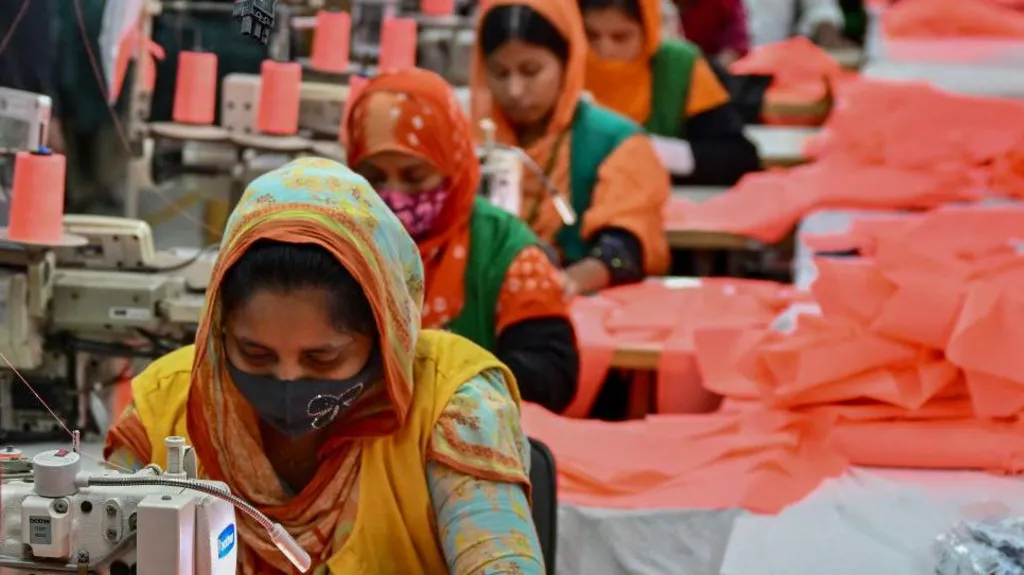
Bangladesh’s textile and garment industry is the backbone of the nation’s economy, accounting for over 80% of its export earnings and employing millions of workers. However, rising global tariffs, inflationary pressures, and supply chain disruptions have created serious challenges.
The recent US tariffs, initially imposed under trade policies targeting overseas producers, had threatened to reduce competitiveness and cut into profit margins. Smaller manufacturers, in particular, were feeling the strain, with some warning of layoffs and delayed production schedules.
According to officials, the tariff exemption applies to selected categories of clothing, primarily basic apparel and items produced under certain certification programs. Luxury garments and products sourced from third countries that undergo processing in Bangladesh are not included.
The exemption will allow Bangladeshi exporters to price goods more competitively in the US market, potentially increasing order volumes and sustaining production lines that have been under pressure due to higher costs.
Trade associations in Bangladesh have welcomed the news, calling it a “lifeline” for factories struggling to keep workers employed amid global uncertainty.
“This exemption provides breathing room for our industry, allowing us to maintain jobs and stay competitive in the world’s largest apparel market,” said a spokesperson from the Bangladesh Garment Manufacturers and Exporters Association (BGMEA).
Exporters anticipate a rise in US orders over the next quarter, which could have a knock-on effect on supply chains, textile suppliers, and logistics companies.
Economists suggest that tariff relief will support both short-term cash flow and long-term investment in the sector. The exemption could lead to renewed factory expansions, higher wages for workers, and improved compliance with international safety and environmental standards.
Analysts also note that the move may help Bangladesh strengthen its position as a reliable supplier amid competition from Vietnam, India, and other low-cost manufacturing hubs.
The decision to exempt Bangladeshi apparel comes at a time when the US is seeking to balance trade policies and diplomatic engagement across South Asia. By easing tariffs selectively, Washington signals an interest in fostering stronger economic ties without undermining domestic industry protections.
Trade experts believe that the exemption could pave the way for negotiations on broader trade agreements, technology sharing, and sustainable manufacturing partnerships.
In Bangladesh, workers in garment hubs like Dhaka and Chittagong have expressed cautious optimism. While the exemption will not immediately resolve all challenges, it reassures employees and management that the US market remains accessible.
Community advocates hope that the tariff relief will translate into job security, improved workplace conditions, and better compliance with labour standards — issues that have drawn international attention in recent years.
Despite the positive news, challenges persist. Global demand for clothing is sensitive to economic conditions, and competition from other countries remains fierce. Additionally, exporters must ensure that products meet stringent US import requirements, including safety, labeling, and ethical standards.
Analysts caution that while the exemption is a positive step, sustained growth will depend on continued trade facilitation, infrastructure improvements, and investment in technology and workforce skills.
Industry insiders remain hopeful that this policy change will lead to long-term benefits, including increased foreign investment and stronger bilateral ties. The exemption is expected to stabilise the sector and encourage other trading partners to consider similar measures.
“While it’s a selective exemption, the signal it sends is significant: Bangladesh remains a key player in global apparel supply chains,” said a trade economist familiar with the sector.

The US decision to exempt some Bangladeshi clothes from tariffs is a critical boost to the nation’s garment industry, supporting jobs, exports, and economic stability. While challenges remain, the move reinforces Bangladesh’s role as a major global apparel supplier and strengthens trade relations between Dhaka and Washington.
With careful management, adherence to quality standards, and strategic investment, the exemption could provide both immediate relief and a foundation for sustained growth in Bangladesh’s garment sector.
Related News:
 Uber Faces Sexual Assault Trial in Arizona, Safety Record Scrutinised
 German Supermarket Aldi to Open 180 US Stores This Year
 Top Senate Republican Says Federal Probe of Powell Could Challenge Fed Nominees
 Trump Administration Probe of Fed’s Powell Draws Pushback
 Trading Day: Trump Crosses Fed Rubicon, Market Shrugs
 Government Unveils Northern Powerhouse Rail Plans
 China Halts Nvidia H200 Chips Despite US Export Approval
 Trump Fed bid heads to Supreme Court
 Post Office Scandal Compensation Tops £1 Billion as Victims Finally See Justice
 Tensions Unfold in Market Harborough as Asylum Seeker Hotel Sparks Divisive Protests
 How to Exit Your Broadband Contract Without Paying Exit Fees
 Diageo Faces Profit Slump and Tariff Blow Amid Leadership Crisis
 China’s crackdown on civil servant perks sparks economic concerns
 Chancellor Rachel Reeves Pushes for Sweeping Changes to Environmental Protections to Accelerate Development
 Inflation Latest: Cost of Living Expected to Rise Again in Key Figures Released Today
 Retail Sales See Uptick Amid Errors and Delays as ONS Faces Scrutiny
Shein UK Faces Allegations of Shifting Majority of Profits to Singapore to Reduce UK Tax
Retail Sales See Uptick Amid Errors and Delays as ONS Faces Scrutiny
Shein UK Faces Allegations of Shifting Majority of Profits to Singapore to Reduce UK Tax
 UK Retail Sales Rise in August, but Tax Concerns Loom Over Festive Period
 Big Pharma Investment Freeze Puts UK Life Sciences Sector Under Strain
 Jaguar Land Rover Extends Production Halt Following Cyber-Attack
 UK Labour Market Shows Signs of Cooling as Wage Growth Slows and Redundancies Rise
 Great Britain’s Energy Operator Commits to Strengthening Grid to Prevent Blackouts
 UK Government Backs Return of International Rail Travel to Kent Stations
 GSK Chief Executive Emma Walmsley to Step Down After Eight Years at the Helm
 Senior Tories Condemn Badenoch’s Vow to Repeal Climate Change Act as Catastrophic
 Wetherspoon vows to keep prices low amid soaring energy and tax costs
 UK House Price Growth Slows as Buyers Exercise Caution Ahead of Autumn Budget
 Kemi Badenoch Unveils ‘Golden Rule’ to Halve Spending Cuts for Deficit Reduction at Tory Conference
 New V-Level qualification to transform post-16 education
 Real living wage set to rise nearly 7% for UK workers in 2026
 Reeves Faces Setback as Labour May Miss Homes Target
 Virgin Trains Moves Closer to Challenging Eurostar Monopoly
 Trump’s UK Ambassador Urges North Sea Drilling to Strengthen US Ties
 Ryanair Chief UK Economy ‘Doomed’ Under Labour
 M&S Profits More Than Halve After Cyber-Attack
 Tony Blair think tank warns Rachel Reeves must cut taxes if manifesto broken
 Earl of Yarmouth Faces £1.3m Legal Bill Over Family Estate
 Millionaires group urge Reeves to introduce wealth tax to ‘lift kids out of poverty’
 From Lego to Pokémon: How Adults Are Driving UK Toy Market Growth
 New laws to bolster UK’s defences against cyber attacks on NHS, transport and energy
 Skims Eyes Global Expansion After Reaching $5 Billion Value
 Global markets drop amid tech sell-off and China slowdown
 Canada Passes Carney’s First Budget in Tight Parliamentary Vote
 Two National Guard Soldiers Critically Injured Near White House
 US National Guard Member Killed in DC Shooting
 Starmer Says Labour’s Economic Plan Needs Years to Deliver
 Virgin Media Fined £23.8m Over Telecare Safety Failures
 Rising Water Bills Lift Troubled Thames Back to Profit
 Anglo American Scraps Bosses’ £8.5m Bonus Plan After Investor Fury
 Historic £100-Weekly Pension Boost Brings Relief for UK Mineworkers
 American Mother Extradited From UK to U.S. on Murder Charges
 ACCA Ends Remote Exams Over AI Cheating Surge
 Russia losses Ukraine war peace talks intensify amid rising deaths
 FTSE 100 Hits 10,000: UK Market Celebrates Record Year
 UK House Prices Fall Sharply at Year-End, Nationwide Reports
 US Cities Erupt in Protests Against Trump’s Venezuela Military Action
 Trump Escalates Minnesota Immigration Surge Amid Rising Tensions
 Wessex Water chiefs receive £50,000 extra despite government bonus ban
 Homeland security agents deployed amid Minneapolis protests
 Trump Weighs Response to Iran Crackdown as Tehran Says Communication Open With US
 Metals and Mining Stocks Lift FTSE 100 to Record Close
 Minnesota Sues Trump Administration Over ICE Surge
 Trump targets Iran trade with 25% tariff warning
 US Clears Nvidia AI Chip Sales to China in Policy Shift
 Trump Threatens Strong Action If Iran Executes Protesters
 Portland man pleads not guilty after Border Patrol shooting
 Canada-China trade gains momentum in new strategic partnership
 European Leaders Condemn Trump Tariff Threat Over Greenland
MPs warn AI financial risks threaten UK stability
European Leaders Condemn Trump Tariff Threat Over Greenland
MPs warn AI financial risks threaten UK stability
 EU Says US Ties Have Suffered ‘Big Blow’ After Greenland Crisis
 US Dollar Hits Four-Year Low Amid Market Turmoil
 Amazon mistakenly signals new global layoffs to employees
 Households in England Face Rising Water Bills in April
 Videos reveal earlier clash before Alex Pretti shooting
 UK New Car Discounts Near £6,000 as Prices Are Slashed
 ‘We Are Ready to Talk’: US News Anchor Savannah Guthrie Pleads for Return of Her Abducted Mother
 Fears of New Arms Race as US-Russia Nuclear Weapons Treaty Expires
 Headline: Measles Alert: Dr Oz Urges Americans to Vaccinate
 Pound Sinks and Borrowing Costs Rise as Starmer Fights for Job
 London Loses Its Grip on Ambitious Young Workers