Published: 23 February 2026 . The English Chronicle Desk. The English Chronicle Online
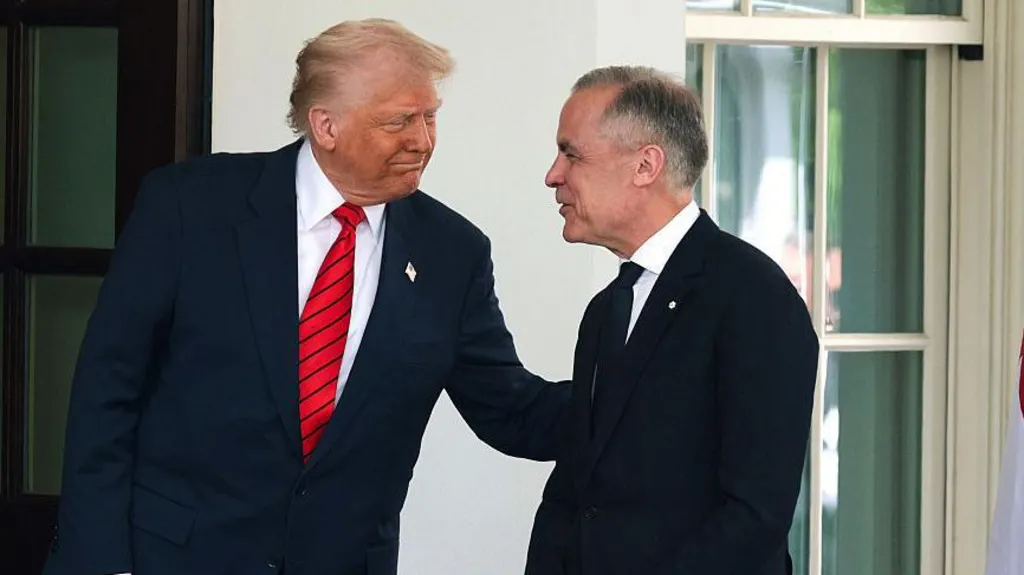
Canada is preparing to engage in renewed trade discussions following a landmark decision by the U.S. Supreme Court to invalidate several of former President Donald Trump’s global tariffs. The ruling is being hailed by Canadian officials as an opportunity to stabilize cross-border trade and rebuild confidence in North American markets.

The tariffs, originally imposed on a wide range of imported goods including steel, aluminum, and consumer products, had sparked tension between Canada and the United States, prompting concerns over retaliatory measures and higher costs for businesses and consumers alike. With the Supreme Court ruling nullifying these duties, Canadian officials are eager to enter talks to ensure a smooth transition and minimize economic disruption.
Maryam Patel, a senior trade adviser in Ottawa, described the ruling as “a positive step for bilateral relations and the broader North American economy.” She added that Canada will focus on negotiating clear frameworks for trade that protect domestic industries while maintaining a strong partnership with the United States.
Canadian businesses, particularly manufacturers and exporters, have expressed cautious optimism. Many faced rising costs due to the tariffs, which affected supply chains and limited competitiveness in international markets. David Liang, CEO of a Toronto-based steel company, said: “This is welcome news. While uncertainty remains, removing the tariffs levels the playing field and gives us room to plan for growth.”
Economists caution that while the ruling offers immediate relief, the broader trade landscape remains complex. Factors such as fluctuating commodity prices, global supply chain disruptions, and potential future political changes in the United States could still impact Canadian exporters. Nevertheless, the removal of the tariffs provides breathing space for businesses to adapt and strategize.
Officials also stress the importance of strategic diplomacy. Canadian trade negotiators are expected to meet with U.S. counterparts in the coming weeks to discuss long-term agreements, including protections for key industries such as automotive manufacturing, agriculture, and energy. Clear communication will be essential to prevent misunderstandings and ensure that both sides benefit from renewed collaboration.
The Supreme Court decision marks a turning point in a period of uncertainty that has spanned several years. For Canadian consumers, it could mean more stable prices on imported goods, while companies gain relief from the added costs and regulatory burdens associated with the tariffs.

As Ottawa prepares for these trade talks, government officials emphasize that the focus will be on sustainable trade policies, economic resilience, and continued cooperation with the United States. For Canadian businesses and citizens, the ruling offers hope that cross-border commerce can proceed on fair and predictable terms.
Related News:
 Live Markets Bet on Spring Rate Cut as Inflation Falls
 Uncertainties Loom for Businesses and Consumers After Trump’s Tariff Changes
 Trump Announces Global Tariffs to Rise to 15%
 ‘Hard to Keep Lights On’: Business Owners Cautiously Welcome Tariff Ruling
 Uber Faces Sexual Assault Trial in Arizona, Safety Record Scrutinised
 German Supermarket Aldi to Open 180 US Stores This Year
 Top Senate Republican Says Federal Probe of Powell Could Challenge Fed Nominees
 Trump Administration Probe of Fed’s Powell Draws Pushback
 Trading Day: Trump Crosses Fed Rubicon, Market Shrugs
 Government Unveils Northern Powerhouse Rail Plans
 China Halts Nvidia H200 Chips Despite US Export Approval
 Trump Fed bid heads to Supreme Court
 US to Exempt Some Bangladeshi Clothes from Tariffs
 Historic trade deals put India on global stage – but challenges remain
 City Bets on Rate Cuts as Unemployment Soars
 Sanders Condemns Billionaire ‘Greed’ in California Tax Debate
 US and Indonesia Finalise Deal to Cut Tariffs to 19%
 The Two Farms in Senegal That Supply Many of the UK’s Vegetables
 ‘We’re Still on Edge’: Toy Firms Look to US Supreme Court as Tariffs Hit Profits
 How Budget Fast Fashion Is Taking Small‑Town India by Storm
 Post Office Scandal Compensation Tops £1 Billion as Victims Finally See Justice
 Tensions Unfold in Market Harborough as Asylum Seeker Hotel Sparks Divisive Protests
 China’s crackdown on civil servant perks sparks economic concerns
 Chancellor Rachel Reeves Pushes for Sweeping Changes to Environmental Protections to Accelerate Development
 Inflation Latest: Cost of Living Expected to Rise Again in Key Figures Released Today
 Shein UK Faces Allegations of Shifting Majority of Profits to Singapore to Reduce UK Tax
 Big Pharma Investment Freeze Puts UK Life Sciences Sector Under Strain
 Jaguar Land Rover Extends Production Halt Following Cyber-Attack
 Great Britain’s Energy Operator Commits to Strengthening Grid to Prevent Blackouts
 UK House Price Growth Slows as Buyers Exercise Caution Ahead of Autumn Budget
 Kemi Badenoch Unveils ‘Golden Rule’ to Halve Spending Cuts for Deficit Reduction at Tory Conference
 New V-Level qualification to transform post-16 education
 Real living wage set to rise nearly 7% for UK workers in 2026
 Reeves Faces Setback as Labour May Miss Homes Target
 Virgin Trains Moves Closer to Challenging Eurostar Monopoly
 Trump’s UK Ambassador Urges North Sea Drilling to Strengthen US Ties
 Ryanair Chief UK Economy ‘Doomed’ Under Labour
 M&S Profits More Than Halve After Cyber-Attack
 Millionaires group urge Reeves to introduce wealth tax to ‘lift kids out of poverty’
 From Lego to Pokémon: How Adults Are Driving UK Toy Market Growth
 Canada Passes Carney’s First Budget in Tight Parliamentary Vote
 Two National Guard Soldiers Critically Injured Near White House
 US National Guard Member Killed in DC Shooting
 Starmer Says Labour’s Economic Plan Needs Years to Deliver
 Virgin Media Fined £23.8m Over Telecare Safety Failures
 Historic £100-Weekly Pension Boost Brings Relief for UK Mineworkers
 American Mother Extradited From UK to U.S. on Murder Charges
 Russia losses Ukraine war peace talks intensify amid rising deaths
 FTSE 100 Hits 10,000: UK Market Celebrates Record Year
 US Cities Erupt in Protests Against Trump’s Venezuela Military Action
 Trump Escalates Minnesota Immigration Surge Amid Rising Tensions
 Homeland security agents deployed amid Minneapolis protests
 Trump Weighs Response to Iran Crackdown as Tehran Says Communication Open With US
 Minnesota Sues Trump Administration Over ICE Surge
 Trump targets Iran trade with 25% tariff warning
 US Clears Nvidia AI Chip Sales to China in Policy Shift
 Portland man pleads not guilty after Border Patrol shooting
 EU Says US Ties Have Suffered ‘Big Blow’ After Greenland Crisis
 US Dollar Hits Four-Year Low Amid Market Turmoil
 Amazon mistakenly signals new global layoffs to employees
 Videos reveal earlier clash before Alex Pretti shooting
 UK New Car Discounts Near £6,000 as Prices Are Slashed
 ‘We Are Ready to Talk’: US News Anchor Savannah Guthrie Pleads for Return of Her Abducted Mother
 Headline: Measles Alert: Dr Oz Urges Americans to Vaccinate
 Pound Sinks and Borrowing Costs Rise as Starmer Fights for Job
 Major UK Clothing Firm Collapses into Administration — 109 Jobs at Risk
 Telstra AI jobs cuts as automation drive expands
 BT Names New Openreach Chief Amid Major Fibre Expansion
 Nurses’ families fear breakup under UK immigration crackdown
 Is Dining Out Dying Out?
 ‘Trump Will Be Gone in Three Years,’ Top Democrats Tell Europe
 Could Manchester Lead the UK’s Economic Revival?
 US Civil Rights Leader Jesse Jackson Dies Aged 84
 Iran Says ‘Guiding Principles’ Agreed With US at Nuclear Talks
 Lloyds Boss Accepts Concern Over Use of Staff Data in Pay Talks
 Eight Skiers Found Dead After California Avalanche
 Trans Youth Care Crisis: NY Hospital Ends Gender‑Affirming Treatment
 Live Nation Sees Strong Ticket Sales as Monopoly Lawsuit Looms
 AI Coding Firm’s ‘Pride’ at Business Award Win
 UK Job Vacancies Hit Five-Year Pandemic Low