Published: 3 March 2026 . The English Chronicle Desk.
The English Chronicle Online
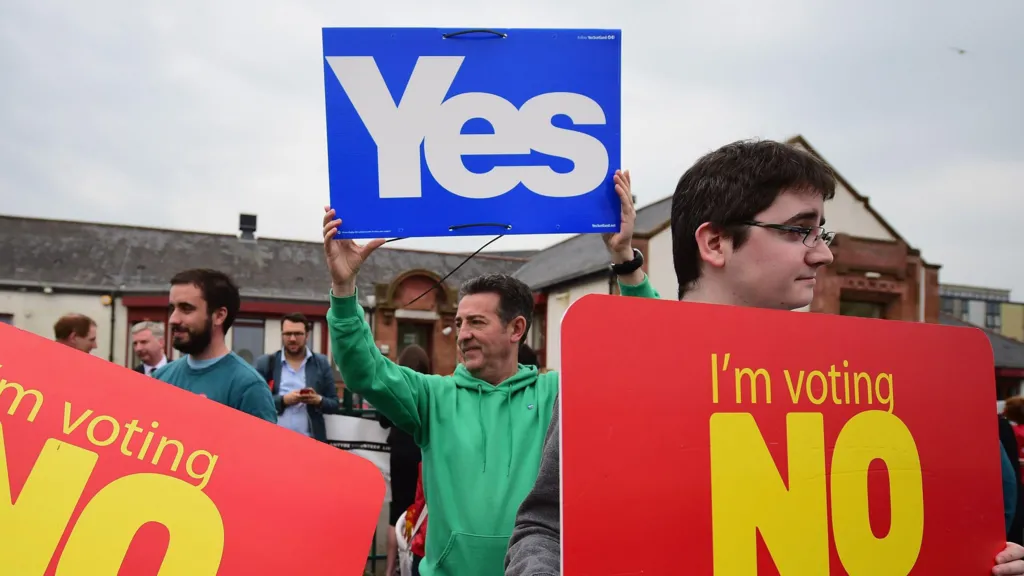
Scotland’s constitutional future remains one of the most enduring and divisive issues in British politics. Nearly two decades after the 2014 independence referendum — and with increasing political, economic and cultural pressures shaping public debate — the question of Scottish independence continues to divide voters, political parties and civil society. Understanding why independence remains a central and unresolved fault line requires looking at a complex mix of historical identity, governance frustrations, economic concerns and shifting party politics.

At the heart of the debate lies national identity. Many Scots see themselves primarily as Scottish rather than British, viewing Scotland’s distinct legal system, education policy and social values as evidence of a separate political community. For supporters of independence, these differences lend legitimacy to claims that Scotland should be a sovereign state capable of making its own decisions on taxation, welfare, international relations and defence. Polling over the past decade has consistently shown that identity influences voting behaviour, with those who identify first as Scottish more likely to back independence than those who describe themselves as British.
The issue was thrust into sharp focus by the 2014 referendum, when 55 per cent voted to remain in the United Kingdom. Although independence supporters lost that vote, the campaign deepened political engagement on constitutional questions and gave rise to a sustained independence movement. Since then, Brexit has intensified the debate. Scotland voted strongly to remain in the European Union in the 2016 referendum, and independence advocates argue that the union with the rest of the UK has left Scotland on a different political trajectory from its preferences on key issues such as EU membership and trade policy. For many Scots, Brexit crystallised a sense of political divergence from Westminster’s direction.
The Scottish National Party (SNP) has been the dominant political force advocating independence for more than a decade. Its electoral success at both Holyrood and Westminster has kept independence at the centre of political discourse. SNP leaders argue that a second referendum is a democratic necessity given the changed political landscape since 2014. Opponents, including the UK government and unionist parties such as the Scottish Conservatives and Liberal Democrats, contend that the 2014 vote settles the question for a generation and that other issues — healthcare, education and cost of living — should take priority.
Economic arguments also shape the divide. Independence supporters assert that Scotland could thrive economically on its own, particularly through sectors such as renewable energy, technology and international services. They believe that policy autonomy would allow tailored economic strategies more responsive to Scottish priorities. Critics counter that economic risks — including currency choice, fiscal deficits and trade barriers with the rest of the UK — pose significant uncertainties. These debates over fiscal capacity, public services funding and economic resilience are central to both sides’ messaging.
Governance frustrations have reinforced the divide. Many Scots feel that decisions made in Westminster on matters ranging from social policy to foreign affairs do not reflect Scottish preferences, especially given the devolution settlement that reserves key areas like defence and immigration to the UK Parliament. Independence backers argue that constitutional change is the only way to align Scotland’s political power with its citizens’ values. Conversely, unionists emphasise the benefits of shared institutions, pooled resources and collective influence on the global stage.
Demographic and generational dynamics further influence the debate. Younger voters in Scotland tend to be more favourable toward independence than older cohorts, reflecting broader shifts in political identity and attitudes toward national sovereignty. These generational variations suggest that constitutional preferences may evolve over time, keeping independence at the forefront of political discussion.
The issue has also been shaped by practical political events. The SNP’s internal challenges, leadership changes and competition from other pro-independence parties such as the Scottish Greens have complicated the independence movement’s coherence. On the unionist side, tactical alignments and campaigning strategies have responded to shifting public opinion and electoral pressures. These dynamics illustrate how constitutional politics in Scotland is not static but responsive to broader political currents.
Constitutional law adds another layer of complexity. The UK government maintains that a second independence referendum requires Westminster’s consent, citing the 2014 Referendum Act and its legal framework. Scottish leaders argue that Scotland has the right to self-determination and that Holyrood should be able to legislate for a new vote given significant changes in political circumstances. This legal dispute reinforces the sense that independence is not merely a policy preference but a constitutional contest over authority and democratic legitimacy.
Cultural factors also play a role. Symbols, media narratives and public rhetoric around independence reflect deeper questions about history, belonging and Scotland’s place in the world. Cultural institutions, arts communities and civic organisations often engage with the independence debate in ways that extend beyond formal politics, shaping how individuals understand their national identity.

Ultimately, Scotland’s independence question persists because it touches on deeply held beliefs about identity, governance, economic strategy and democratic legitimacy. It is not an issue that can be resolved solely through short-term political compromise, but one that is embedded in the evolving relationship between Scotland and the rest of the United Kingdom.
As political leaders prepare for future elections and potential constitutional contests, the debate over independence is likely to remain a defining theme of Scottish public life — a reflection of ongoing discussions about who makes decisions, whose interests are served and how nations define themselves in an increasingly interconnected world.
Related News:
 Police Assessing Stansted Airport Private Flights Over Epstein Ties
 ‘Just Push Us Into the Sea’: The Frustration of an Area Failed by Politics
 Last‑ditch Call to Save Police Front Counters in London
 Britain’s Special Needs Spending Crisis Will Be Labour’s Ruin
 Fury as Jobless-Migrant Households Receive Benefits Worth £10bn – ‘We Need to End This’
 Schools in England to Get Budget for Children with Special Needs as Part of SEND Overhaul
 UK Must Act with Courage and Clarity on Israel-Palestine Conflict, Says Foreign Affairs Committee Report
 Chancellor Faces Mounting Pressure Amid “Impossible Trilemma” Over Tax Rises
 Radioactive Leak at UK’s Nuclear Warhead Base Sparks Outcry Over Safety and Secrecy
 Mutual Inconvenience: Why Alaska Was Chosen for the Trump-Putin Summit on Ukraine
 UK Government Expands ‘Deport Now, Appeal Later’ Policy to 23 Countries
 Chancellor Rachel Reeves Pushes for Sweeping Changes to Environmental Protections to Accelerate Development
 Larger Families Could Gain Thousands if Labour Ends Two-Child Benefit Cap
 Is the UK Ready to Put Boots on the Ground in Ukraine? Assessing Military Capacity and Challenges
 Palestine Action Ban Protesters Plan Tactic to Overwhelm Police at Next London Demonstration
 Police Scotland Spends £500,000 Compensating Officers Over Trump Visit
 Britain’s Migration Challenge: Rising Asylum Numbers and Hotel Pressures
 Elon Musk Sparks New Controversy by Backing Tommy Robinson Amid Farage Feud
 Urgent Action Needed on Windrush Compensation as Survivors Speak of “Waiting to Die”
 Tanni Grey-Thompson Faces Abuse Over Opposition to Assisted Dying Bill
 TfL Invites RMT to Resume Talks as London Tube Strikes End
 Zarah Sultana Seeks Legal Action After Bitter Clash with Jeremy Corbyn Over Party Membership Funds
 Nigel Farage Unveils Controversial Immigration and Welfare Plans at Reform UK Press Conference
 Mahmood Pledges Reform of Modern Slavery Laws After Court Blocks Deportation Appeal
 Ed Miliband Warns UK Government on X, Citing Elon Musk as a “Dangerous Influence”
 Ed Miliband Urges Labour to Confront Billionaire-Backed Opposition to Net Zero Goals
 Digital ID Plans Ignite Debate Over £600m Treasury Tax Boost and Privacy Concerns
 Kemi Badenoch Unveils ‘Golden Rule’ to Halve Spending Cuts for Deficit Reduction at Tory Conference
 Public Trust in SNP Hits Historic Low Amid NHS Concerns
 Johnson Suggests Mandelson Linked to China Spy Controversy
 UK border officers deployed to Balkans to tackle migrant smuggling
 Ministry of Justice fails to file £11bn in spending receipts
 UK MPs warn of repeat riots over online misinformation
 Rachel Reeves signals welfare reform ahead of key budget
 Reform UK candidate fined £19,000 after using AI-generated cases to challenge election
 William Steps Up Over Prince Andrew Palace Response
 Army Barracks to House Migrants as Hotels Phase Out
 Green Party Surges Past Labour in Latest UK Poll
 Zarah Sultana Launches Party to Change Politics
 Trump’s UK Ambassador Urges North Sea Drilling to Strengthen US Ties
 French Taxi Driver Cleared in David Lammy Theft Case After Fare Dispute
 Millionaires group urge Reeves to introduce wealth tax to ‘lift kids out of poverty’
 Starmer Faces Growing Dissent as Labour MPs Weigh Leadership Challenge
 Reeves rejects £1bn plea for NHS redundancy payouts
 PM Condemns Leaks, Vows Loyalty to Ministers and Stability
 Major Rent Reform Ends No-Fault Evictions in England
 Peers Flood Assisted Dying Bill with 942 Amendments
 Most Tories Expect to Support a Farage-Led Government
 Starmer Says Labour’s Economic Plan Needs Years to Deliver
 England delays four mayoral elections amid criticism
 Culture secretary to review Telegraph takeover by Daily Mail owner
 Reform Candidate Sparks Fury Over Loyalty Comments
 Right Must Unite After Jenrick Defection, Urges Rees-Mogg
 UK Ministers Drop Foreign Student Targets for Global Education Push
 No Gas Boiler Ban as UK Warm Homes Plan Backs Heat Pumps
 Shinzo Abe’s killer receives life sentence in Japan
 Police response times face strict new national limits
 Labour policing overhaul sparks fears over growing central control
 Starmer warns of toxic division politics in Reform challenge
 Labour Utterly Humiliated by Straight-Talking Mum Who Cut Through Keir Starmer’s Insanity
 Palantir contracts face UK halt calls over transparency
 Diane Abbott Slams Applause for Keir Starmer as PM Vows to Stay On After Mandelson-Epstein Row
 Cabinet Secretary Shake-Up Triggers Due Diligence Warning
 Renters Furious as Decent Homes Standard Delayed Until 2035
 Could Manchester Lead the UK’s Economic Revival?
 Starmer Weighs Fast-Tracking Defence Boost
 Motorists Could Face ‘Mandatory’ Driving Ban for Road Offences Under Tougher Laws
 US Civil Rights Leader Jesse Jackson Dies Aged 84
 Farage to Name Jenrick as Reform Chancellor Pick
 Snow and Rain Warnings as Cold Snap Continues in the UK
 Civil Service Pay: Union Urges Ministers to End ‘Barking Mad’ Limits
 Antonia Romeo appointment sparks criticism
 ‘Don’t Make Us Security Guards,’ Says Teacher Stabbed by Pupil
 Australian PM Says Former Prince Andrew Has Suffered ‘Extraordinary Fall’ but That Won’t Prompt Republic Referendum
 Farage Chagos Islands Row Sparks Fury
 Lord Mandelson Released on Bail After Arrest on Suspicion of Misconduct in Public Office
 Reform UK targets workers’ rights repeal
 Russian Trade Routed Through British Islands Exposed
 Mandelson Arrest: Met Apologises to Hoyle
 No 10 Will Have No Say on Which Mandelson Papers Are Released