Published: March 5, 2026
The English Chronicle Desk
The English Chronicle Online
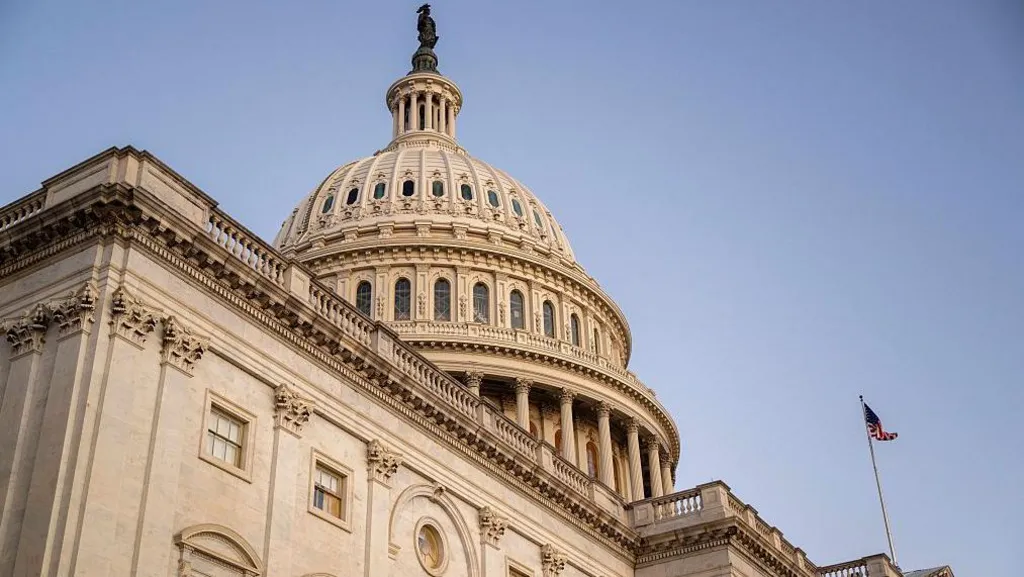
The United States Senate has dealt a significant setback to efforts by congressional critics to limit President Donald Trump’s ability to continue military operations against Iran, rejecting a war powers resolution aimed at requiring explicit congressional authorization for further hostilities. In a procedural vote on March 4, the Senate voted 53–47 against advancing the measure, a largely partisan division that underscored deep disagreement over the constitutional balance of war-making authority between Congress and the Executive Branch.

The resolution was introduced by Senator Tim Kaine, a Democrat, and had bipartisan co‑sponsorship including Republican Senator Rand Paul. Its proponents argued that the Constitution grants Congress the authority to declare war and that Trump had exceeded that mandate by directing military strikes against Iran without prior legislative approval. Critics of the president’s actions contend that unchecked executive power could entangle the United States in a prolonged and unauthorized conflict with grave human and political costs.
Despite those arguments, a majority of Republican senators voted against the resolution, with GOP leaders asserting that the president acted within his authority as commander‑in‑chief to respond to threats posed by Iran. Senate Majority Leader John Thune and other Republican lawmakers emphasised national security concerns and defended Trump’s decisions, framing the vote as support for military personnel and strategic flexibility in an active theatre of conflict. Only one Republican, Sen. Paul of Kentucky, joined Democrats in favour of the measure, while one Democrat, Sen. John Fetterman, broke with his party in voting against it.
The failed vote represents Congress’s first major attempt to check the Trump administration’s military campaign against Iran following an escalation of hostilities that has drawn American forces and regional allies into broader engagement. Critics have repeatedly highlighted that Trump bypassed usual congressional deliberations before launching air strikes and defensive operations, prompting legal and political challenges from lawmakers who see the war powers issue as central to maintaining constitutional oversight of military action.
Supporters of the resolution acknowledged that even if it had passed the Senate, it faced steep obstacles. A similar vote would be required in the Republican‑controlled House of Representatives, and any successful passage through both chambers would still be subject to a likely presidential veto. Overriding a veto necessitates a two‑thirds majority in both the House and Senate, a threshold that would be difficult to achieve given current party divisions.
The broader regional context has heightened the urgency of the debate. The United States and allied forces have been engaged in military actions against Iranian targets following a sequence of escalatory incidents that include cross‑border strikes and the deaths of service members. Public opinion in the United States appears divided, with some Americans expressing concern about an open‑ended conflict and others supporting the administration’s posture against Iranian activities.

With the Senate vote concluded, congressional leaders on both sides of the aisle have signalled that future war powers efforts will continue. Some lawmakers propose alternative resolutions intended to force more formal authorisations for military involvement, while others suggest oversight hearings aimed at assessing executive decision‑making and strategy. For now, however, the failure to rein in war powers marks a political endorsement of the Trump administration’s unilateral approach to the conflict, at least in the Senate chamber.
Related News:
 Thousands Protest ICE Operations in Nationwide US Day of Action
 Inside Kyiv’s resolve as conflict nears five‑year mark
 US Partially Evacuates Beirut Embassy Amid Rising Iran Tensions
 Trump Administration Dismisses 17 Immigration Judges, Sparking Debate Over Judicial Independence
 Ministers Accused of Defamation Over Palestine Action Ban and Mass Arrests
 Father’s Tip Leads to Arrest in Charlie Kirk Murder Case
 Jailed Georgian Opposition Leaders Warn UK of Iranian Links to Ruling Party
 UK Extradition Law Change Sparks Fears Among Hong Kong Dissidents
 Shabana Mahmood Warns Border Failings Are Eroding Trust in States
 Johnson Approved China’s London ‘Super-Embassy’ in 2018
 China-critical UK academics face ‘extremely heavy’ pressure from Beijing
 Trump Urges Herzog to Grant Netanyahu Full Pardon
 US Justice Department Files Lawsuit Against California Over Partisan Voting Maps
 Trump Deploys DHS to Charlotte in Major Arrest Operation
 Congress Approves Release of Epstein Files, Trump Expected to Sign
 Texas Governor Faces Lawsuit From CAIR
 Putin Intensifies Territorial Demands Before US Talks
 US National Guard Member Killed in DC Shooting
 Trump to Recheck Green Cards from 19 Nations After DC Attack
 Trump to pause migration from ‘third-world countries’
 Chinese & Japanese Boats Clash Near Disputed Islands
 Putin Meets US Envoy Amid Key Ukraine Peace Talks
 US Defence Chief on Drug Boat Strike: “Did Not See Survivors”
 Franklin Turtle, Sabrina Carpenter Slam US Social Media Use
 Russia losses Ukraine war peace talks intensify amid rising deaths
 Trump Escalates Minnesota Immigration Surge Amid Rising Tensions
 Trump: US Stands Ready to Help Iran Find Freedom Amid Widespread Unrest
 US Conducts Large-Scale Strikes Against ISIS Targets Across Syria
 Trump Says US Will Act on Greenland ‘Whether They Like It or Not’
 Trump Administration Probe of Fed’s Powell Draws Pushback
 US Senator Mark Kelly Sues Pentagon Chief Hegseth Over Demotion Threats
 Greenland Faces Pivotal Summit Over Arctic Power Struggle
 Trump Threatens Strong Action If Iran Executes Protesters
 Trump Receives Machado’s Nobel Medal in White House Meeting
 Greenland Crisis Forces Europe to Draw a Line With Trump
 Guterres Warns Global Cooperation Under Threat at UN’s 80th Year
 Iran Cannot Be Bombed Into Democracy, Only Helped There
 South Korea Jails Ex-President in Martial Law Ruling
 Historic Abu Dhabi Talks Bring US, Ukraine and Russia Together
 Trump Pulls Canada from His Controversial ‘Board of Peace’ Plan
 EU Says US Ties Have Suffered ‘Big Blow’ After Greenland Crisis
 Trump officials continue false claims after Alex Pretti shooting
 UK and EU Signal Fresh Push for Defence Cooperation Talks
 Emails Show Epstein Funded Mandelson’s Husband After Jail
 Partial US Government Shutdown Hits Homeland Security Funding
 Epstein Files Reveal Trump Officials’ Emails with Financier
 Thousands Protest ICE in New York Against Trump Deportation Campaign
 Trump Praises ‘Terrific’ Petro After White House Talks
 Starmer to Release Mandelson Files
 Fears of New Arms Race as US-Russia Nuclear Weapons Treaty Expires
 US Military Says Two Killed in Strike on Alleged Drug Boat in Eastern Pacific
 Sydney Protest Clash Triggers Police Probe
 New Nuclear Talks Between US and Iran Begin in Geneva
 ‘He Did It for Us’: US Soldier Recalls Jesse Jackson’s Efforts to Free Him and Two Other POWs
 Under Pressure From Trump, Venezuela’s New President Has Aces Up Her Sleeve
 Stephen Colbert Says CBS Spiked Interview With Democrat Over FCC Fears
 Suspect in Rhode Island Ice Hockey Shooting Killed Ex‑Wife and Son
 Nine Arrested in France Over Death of Far‑Right Student
 US Urges Iran to Make Deal as Military Presence Rises
 Desperate Hunt for Breakthrough in Nancy Guthrie Case Turns to Mexico
 How Much Could Andrew’s Arrest Hurt the Royal Family?
 Trump’s Foreign Policy Dilemma Laid Bare by Iran Tensions
 Billionaire Les Wexner Tells US Lawmakers He Was ‘Naive’ and ‘Conned’ by Epstein
 Ex‑Philippine President Duterte on Trial for Crimes Against Humanity: What You Need to Know
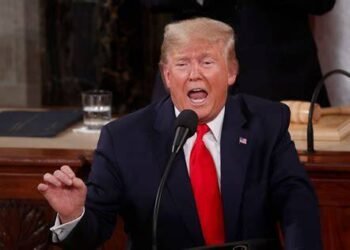 What to Watch for During Trump’s State of the Union Address
 Family Offers $1M Reward to Bring Home Missing Mother
 US ‘Suitcase Murderer’ Deported From Bali After 11 Years in Jail
 Clinton Testimony Erupts in Fiery Exchange
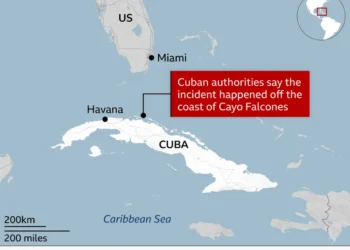 American Citizen Killed in Cuba Boat Shooting, U.S. Officials Say
 Hillary Clinton Tells House Panel She Had No Idea of Epstein’s Crimes
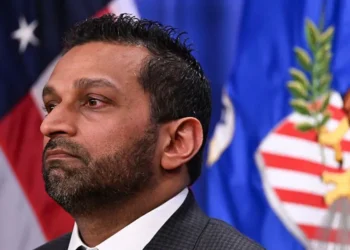 At Least 10 FBI Agents Who Worked on Trump Investigation Fired
 Hillary Clinton Tells House Panel She ‘Had No Idea’ of Epstein’s Crimes
 Hopes and Fears as US Iranians Take to Streets After Toppling of Supreme Leader
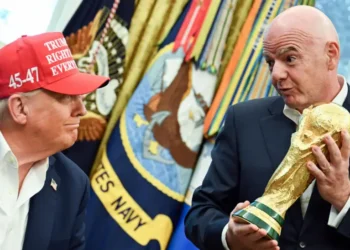 Iran, the US, and a World Cup That Starts in Three Months
 Britain’s Position and Trump Vows to Press On in Iran Conflict
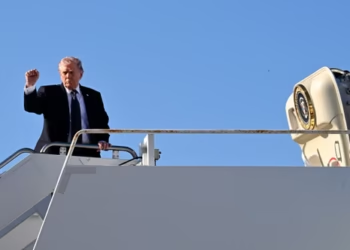 Trump Faces Questions Over Iran Conflict Plan
 Trump’s Iran Endgame Unclear After Mixed Messaging on War Aims
 Rubio Responds to Reported Strike on Iranian School
 US Senate Backs Trump War Powers Amid Iran Missile Barrage
 Six US Soldiers Killed in Iran-Linked Kuwait Strike