Published: March 6, 2026
The English Chronicle Desk
The English Chronicle Online — delivering comprehensive, up-to-date global reporting.
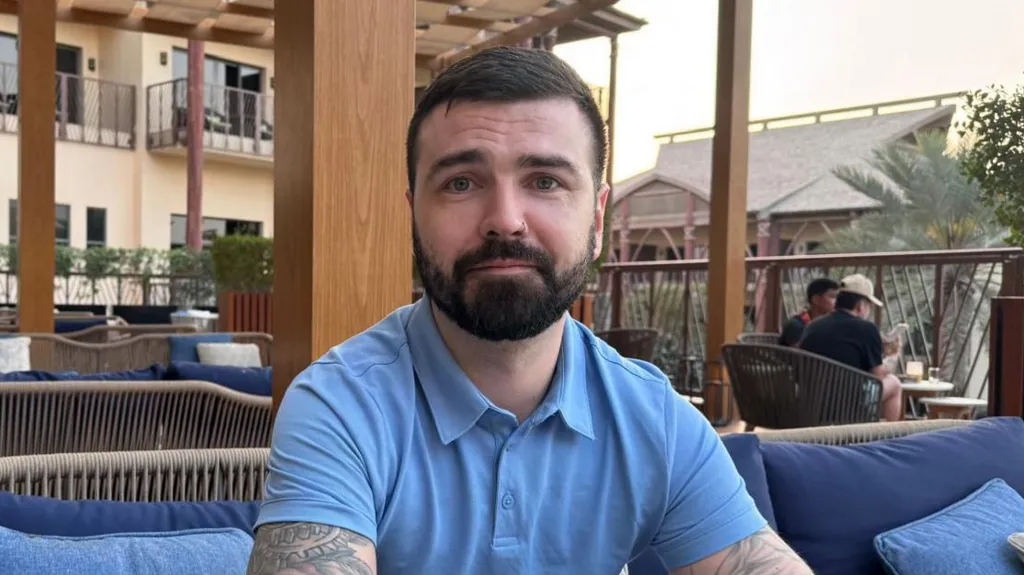
A routine flight transfer turned into a harrowing ordeal for travellers this week as a one-hour layover spiralled into ten days stranded in a city experiencing active conflict. Passengers recount experiences of fear, uncertainty, and logistical chaos as they navigated airports, hotels, and streets in a city under attack.
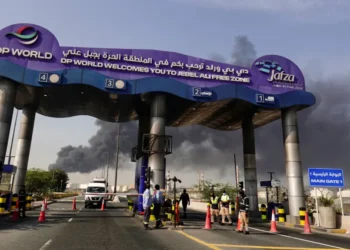
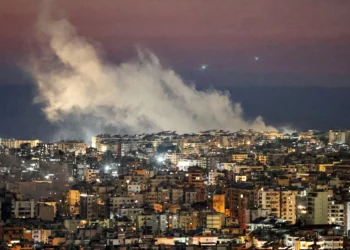
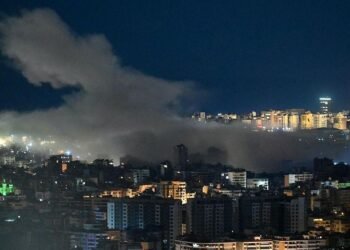
The ordeal began when the initial connecting flight was delayed, causing a missed transfer and leaving hundreds of travellers stuck at an international airport. Those affected soon discovered that the city was in the midst of escalating hostilities, with reports of airstrikes, military checkpoints, and frequent curfews.

“I thought it was just a delay,” one passenger said. “I never imagined I’d be trapped here for ten days, trying to find safe passage while hearing air raid sirens and seeing explosions in the distance.” Many travellers described improvised shelters at hotels, with limited access to basic supplies due to disrupted transport and commerce.
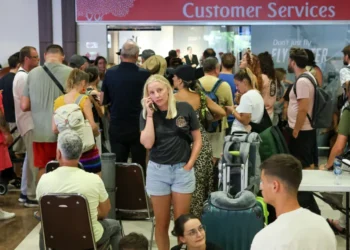
Airline and airport staff faced immense pressure to manage the situation, often providing minimal information as government-imposed restrictions and security measures complicated evacuation efforts. Passengers noted long queues, uncertain rescheduling, and a lack of communication regarding the safety of onward travel.
Humanitarian and travel experts emphasised the challenges faced by civilians and tourists caught in conflict zones, highlighting that missed flights can quickly escalate into life-threatening situations when combined with political instability or military activity. The combination of air travel logistics and security risks created a situation in which ordinary travellers were forced to improvise and rely on limited official guidance.
Authorities in the city implemented emergency measures to protect residents and stranded travellers, including curfews, restricted movement, and security patrols. However, for many international visitors, these measures were difficult to navigate without reliable local contacts or emergency assistance from consulates.
Social media platforms became a critical tool for stranded passengers, providing real-time updates on flight schedules, road closures, and safe zones. Many shared experiences of fear and resilience, offering advice on finding food, water, and shelter in an environment where normal infrastructure had been disrupted.
The experience has prompted renewed calls for travel advisories and improved contingency planning for airlines and governments in conflict-prone regions. Experts argue that both passengers and operators must be better equipped to respond to unexpected crises that combine logistical delays with heightened security risks.

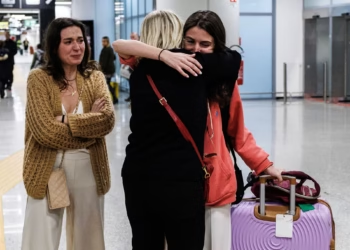
By the tenth day, the stranded travellers were finally able to secure flights out of the city after coordinated efforts involving airlines, embassies, and international aid organisations. Passengers expressed relief at finally leaving the conflict zone but warned that the experience would leave lasting psychological and emotional impacts.
The episode underscores how even minor travel disruptions can escalate dramatically under extraordinary circumstances, demonstrating the importance of contingency planning, real-time communication, and awareness of geopolitical risks when travelling internationally.
Related News:
 Inland Australia Town Turns Streets into a Beach for Volleyball Contest
 Passengers on Dubai‑Dublin Flight ‘Never So Happy to Be Home’
 Boy, 12, Home After Being Stranded in Middle East
 ‘Holiday From Hell’ Leaves UK Couple Stranded in Thailand
 South Africa’s Garden Route Gem Faces Looming Water Crisis
 Hindu Man’s Stand Sparks Hope in India
 Two Britons Among Three Dead in French Alps Avalanche
 Cuban Cigar Festival Cancelled Amid US-Linked Energy Crisis
 What Happened to Bathroom Doors in Hotels?
 Five Young People Die in Spain Apartment Block Fire
 ‘Staggeringly Stupid’ Man Jailed After Tattooing Children
 Police Assessing Stansted Airport Private Flights Over Epstein Ties
 Snow and Rain Warnings as Cold Snap Continues in the UK
 TfL Advert Banned for Harmful Racial Stereotype
 Jet2 Hands Passengers Life Ban After Mid‑Air Brawl
 Dual Nationals Face Scramble for UK Passports as New Rules Come Into Force
 Suspect in Rhode Island Ice Hockey Shooting Killed Ex‑Wife and Son
 Singapore Offers to Set Up Single Americans with ‘Epic’ First Dates – There’s Just One Catch
 The Russian Village That Lost Its Men to War
 Revealed: The Billions Given to Charity by Ordinary Indians Every Year
 Epstein Eyed Record Label Investment to Access Women, Files Suggest
 Break from Wintry Weather as UK Temperatures to Climb to 14 °C
 Abandoned UK Village Being Reclaimed by Nature is ‘Vast, Wild and Fascinating’
 UK-Bound Jet2 Flight from Spain Declares Mid-Air Emergency Over English Channel
 Australian Presenter Apologises for Drinking Before Slurred Olympics Report
 What’s Next for Andrew Mountbatten-Windsor’s Ex-Wife, Sarah Ferguson?
 Asos Co-Founder Dies After Thailand Balcony Fall
 Austrian Climber Found Guilty After Girlfriend Froze to Death on Mountain
 Gold Fever Hits South Africa After Lucky Find in Cattle Pen
 Germany’s Fairy Tale Route: The Real Places Behind the Grimm Stories
Major 7.1 Earthquake Strikes Off Malaysian Tourist Coast
Germany’s Fairy Tale Route: The Real Places Behind the Grimm Stories
Major 7.1 Earthquake Strikes Off Malaysian Tourist Coast
 Brit Killed in Horror Bus Crash as 18 Others Die and 25 Injured
 Storm Hernando: Edinburgh Airport Flights Cancelled in US Travel Chaos
Storm Hernando: Edinburgh Airport Flights Cancelled in US Travel Chaos
Storm Hernando: Edinburgh Airport Flights Cancelled in US Travel Chaos
 ‘Burned and Destroyed’: Locals and Tourists Describe Mexico Unrest
 Probe After Illness Kills 72 Tigers in Thailand
 ‘We Pray for Peace’: Indian Filmmaker From Troubled State Who Won a BAFTA
 Exciting’ or ‘Frustrating’? East Coast Reacts to Record Snow
 More Than 5,000 Flights Cancelled as US East Coast Digs Out of Record Snow
 Inside Kyiv’s resolve as conflict nears five‑year mark
 What to Watch for During Trump’s State of the Union Address
 US Partially Evacuates Beirut Embassy Amid Rising Iran Tensions
 UK’s New Travel System: What It Is and How Dual Nationals Are Impacted

 ‘I Want to Find the Man Who Saved Us from Drowning’
 Middle East Airspace Crisis Strands Thousands
 ‘It’s Eerie’ – Dubai on Edge as City Comes Under Attack
 Flights Cancelled and New Travel Warnings Issued After Iran Strikes
 Islanders Advised on Travel to Middle East Amid Escalation
 Australian GP Confident Amid Travel Disruption
 Limited Flights Leave UAE But Disruption Continues Amid Iran Strikes
 The Little‑Known ‘Serengeti of South America’ Revealed
 U.S. Tells Citizens to Leave Israel Now as Regional Conflict Escalates
 Muslim Group Wants Mosques to Be Used as Polling Stations Ahead of UK Elections
 First Wave of Europeans Stranded by Iran Conflict Return Home, With Hundreds of Thousands Still Left in Region
 Travellers’ Mobile Home Burnt Down Overnight in Suspected Arson Attack
 UK Government’s First Repatriation Flight to Leave Middle East, More Planned
 Why Aren’t Our Dirtiest Roads Getting Cleaned?
 Israel and Iran Launch New Strikes as First UK Flight Bringing Citizens Home Is Delayed
 ‘Every Day Feels Like a Month’: Iranians Describe Life Under ‘Constant’ US‑Israeli Strikes
 Murdered Student ‘Algasim’ Was ‘the Most Special Person’, Friends Say
 The Rewilding Cash Grab Driving Farmers Off the Land
 Manchester Students Mourn Ayatollah Amid Protest
 Baba Vanga’s Chilling World War 3 Prediction and Russia’s New Leader
 Tears and Cheers as Controversial Long‑Running Australian Breakfast Radio Show Implodes
 Yvette Cooper Signals Global Momentum Towards Gaza Peace Deal Amid Humanitarian Crisis
 Chaos at Ibrox as Martin’s Rangers Era Comes to an End
 Russia’s Latest Push to Win US Favors Shows Deep Desperation
 Australian Families Leave Syrian Camp for Home
 Motorists Could Face ‘Mandatory’ Driving Ban for Road Offences Under Tougher Laws
 ‘I Would Scream in My Sleep’: Alawite Women from Syria Tell of Kidnap and Rape
 How Do You Modernise Mango Farming? India’s Growers Urged to Innovate as Climate Change Hits
 Ukraine Negotiator Reveals What It Feels Like Facing Russia
 Drugs, Denial, Stigma: Fiji’s HIV Crisis Hits Children
 Hilary Knight speaks out on Trump’s recent hockey remarks
 American Citizen Killed in Cuba Boat Shooting, U.S. Officials Say
 Iran’s Regime Still Intact — Coming Days Will Test Its Survival
 In Maps: Strikes Across Iran and the Middle East
 Brit ‘in Good Spirits’ Amid Dubai Missile Attacks, Stranded but Safe
 Civilian Deaths in Iran Pass 700 Amid Fear of Bombs and Regime Clampdown