Published: 09 March 2026. The English Chronicle Desk. The English Chronicle Online.
The cancer death rate in Britain has fallen by almost a third since the 1980s, research shows. This milestone highlights significant advances in prevention, early diagnosis, and life-saving treatments over the past four decades. According to Cancer Research UK (CRUK), approximately 247 people per 100,000 die from cancer each year, down from a peak of 355 per 100,000 in 1989. The figures reveal a steady decline, although cancer remains the leading cause of death in the UK.
Over the last decade, overall cancer mortality fell by 11%, reflecting improvements in targeted therapies and screening programmes. Deaths from ovarian cancer dropped by 19% between 2012-2014 and 2022-2024, stomach cancer by 34%, and lung cancer by 22%. Bowel cancer deaths decreased by 6%, breast cancer by 14%, cervical cancer by 11%, and leukaemia by 9%. Oesophageal cancer mortality also fell by 12% during this period, demonstrating broad progress across multiple cancer types.

Despite these reductions, some cancers showed rising mortality rates over the past ten years. Kidney cancer deaths increased by 5%, liver cancer by 14%, eye cancer by 26%, and gallbladder cancer by 29%. Other cancers, including thyroid, pancreatic, and melanoma, remained largely stable. These mixed trends highlight the ongoing need for innovation and investment in treatments.
Dr Sam Godfrey, science engagement lead at CRUK, said, “These figures represent decades of crucial scientific breakthroughs, from vaccines that prevent cancer to kinder, more targeted treatments. Thousands more people today can make memories, reach milestones, and spend precious time with their loved ones.”
The UK has been a global leader in cancer research, Godfrey noted, but he stressed that future progress is not guaranteed. “It’s essential that the government makes it easier and faster to set up clinical trials, as well as providing NHS staff with the time and space to carry out life-saving research.”
Last year, the Guardian reported that British cancer patients were being denied access to life-saving drugs, and trials for revolutionary treatments were being hampered by post-Brexit bureaucracy. The UK’s departure from the EU has affected doctors’ ability to deliver new drugs through international clinical trials, according to the most comprehensive report of its kind.
CRUK attributed falling cancer deaths to multiple factors, including smoking bans and the widespread adoption of screening programmes for breast, bowel, and cervical cancers. Cervical cancer mortality has dropped by 75% since the 1970s, largely due to the NHS cervical screening programme. The introduction of the human papillomavirus (HPV) vaccine in 2008 has also been pivotal, with around 6.5 million people in the UK vaccinated to date, further reducing cervical cancer risk.

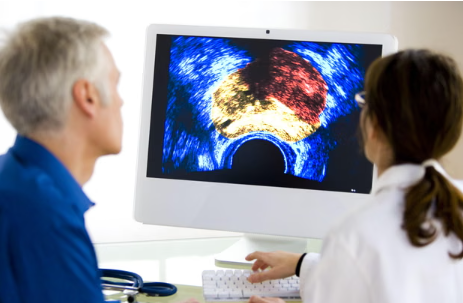
Prostate cancer deaths also fell by 11% over the last decade, helped by improved treatments. The drug Abiraterone, developed by CRUK scientists, blocks testosterone from fuelling prostate cancer, offering patients a more effective therapy option.
Nevertheless, the rising and ageing population means more people are being diagnosed with cancer, with one new case every 75 seconds in the UK. Consequently, the absolute number of cancer deaths continues to rise, even as age-standardised mortality falls. This dual trend underscores the scale of the ongoing public health challenge.
A Guardian analysis last year found that three-quarters of NHS hospital trusts are failing cancer patients, prompting medical experts to declare a national emergency. In response, the government pledged £2 billion last month to transform cancer services, promising faster diagnoses, quicker treatment, and additional support to help patients live well.
Some NHS cancer performance targets have been missed since 2015. Under the current national cancer plan, ministers have committed to meeting all three waiting time standards by 2029, reflecting a long-term effort to improve patient care and outcomes.
These achievements demonstrate the transformative power of science, early detection, and public health measures in reducing cancer mortality. While challenges remain, including rising cases in certain cancer types, the UK’s sustained research and clinical efforts offer hope for continued progress in combating the disease.
Related News:
 How Bringing Forests Into Preschools Boosts Children’s Health
 Experts Urge Legal Right to Timely Cancer Care
 Patients to Test Health at Home to Ease NHS Winter Pressure
 North Sea oil workers must lose weight or face job loss
 No link found between paracetamol in pregnancy and autism
 Coffins Now Too Large to Cremate Amid Rising Obesity Crisis
 Thinktank Urges Smaller Hospitals to End NHS ‘Permacrisis’
 NHS paediatric leave parents waiting months for answers
 UK to Expand Prostate Cancer Trials for Black Men
 NHS Approves Landmark Ovarian Cancer Drug
 AI Tools Used by English Councils Found to Downplay Women’s Health Issues, Raising Concerns Over Gender Bias in Care
 Shocking Rise in Children’s Exposure to Violent Online Pornography Raises Alarm
 Eligibility Confusion Over COVID Vaccination Leaves Pharmacies Struggling Across the UK
 Majority of UK Men Would Opt for Prostate Cancer Screening, Survey Finds
 Genetic Tests May Predict Return of Blood Cancer
 Hospice Cuts Raise Alarm Across England Amid Funding Crisis
 Celebrities and Charities Demand UK Government Act on Child Poverty
 UK Bans Fake Numbers: Scammers Lose Their Trick
 London’s Childlessness Crisis: Schools Closing as Families Shrink
 Shouting Works Best to Deter Gulls, UK Study Finds
 Reeves rejects £1bn plea for NHS redundancy payouts
 Northern Lights may illuminate UK skies this week
 Working-Class Men with Prostate Cancer Left Behind by NHS
 New AI tool could cut wasted efforts in organ transplants
 From Baby Teeth to Bioengineering: The Future of Self-Healing Teeth
 Stroke Patient Mistaken for Drunk, Care Delayed
 UK launches major AI drive to fight deadly superbugs
 ‘Traumatic Wait’: Northern Ireland Women Face Breast Cancer Delays
 Healthy Habits in Your 30s That Boost Life in Your 70s
 Five-Year-Old Dies After Rare Tonsil Surgery Complication
 Fibromyalgia Patients Struggle as NHS Fails to Provide Care
 More Patients Now Contacting GPs Online, Data Shows
 Children to Receive Home Vaccines as England Acts
 UK Enforces Junk Food Ad Ban Before 9pm
 Patients Collapsing in NHS Corridors, Watchdog Warns
 Google Removes Some AI Health Summaries Over Safety Concerns
 UK Threatens Action Against X Over Sexualised AI Images
 NHS corridor care crisis sparks fears over patient safety
 AI job losses UK: Britain faces sharper employment shock
 Small risk warning raised over weight-loss jabs in UK review
 Streeting moves on doctor pay to end strike dispute
 Autistic Girls Often Missed in Childhood Diagnoses, Study Finds
 UK reports baby formula toxin poisoning cases across the country
 Most Statin Side-Effects Are Not Caused by Drugs, Study Confirms
 Childnet Censorship Row Over Teen Safety Speeches
 Placenta Accreta Warning as Hunt Urges Action
 Half of Britons Avoid GP When Ill, Survey Reveals Growing Concern
 Facial Recognition Error Leads to Wrongful Arrest in Milton Keynes
 NHS Maternity Units Cover Up Harmful Childbirth Errors
 Weight-loss drugs may transform heart attack recovery
 Zorevunersen Breakthrough for Dravet Syndrome
 Taking Multivitamins Daily Could Slightly Slow Ageing, Study Finds
 Social Media Giant Trial Reaches Final Jury Decision
 UK Biobank Health Data Leaks Raise Privacy Concerns
 NHS Plans to Cut Overseas Workers Labeled Overambitious
 Scientists Unveil Heavier Proton at CERN LHC
 Sperm Struggles in the Final Frontier of Space
 Traffic: The Science Behind Why Slower Cars Always Catch Up
 Wes Streeting Accuses Doctors of Torpedoing Pay Deal
 Private Profits From NHS Contracts Spark Urgent National Debate
 Gene Therapy Wins Major Prize for Restoring Vision
 New Scan Offers Hope for Faster Endometriosis Diagnosis
 New AI Tool To Target Obesity Risk And Transform NHS Care
 WHO approves first malaria drug for babies
 Cambridge South Signals New Era for British Rail Travel
 NHS Drug Deal Faces Legal Threat Over US Trade Agreement
 NHS Staffing Crisis Reaches Dangerous Levels
 Empowering the Elderly or Shifting the Blame to Individuals?
 Record Spending Highlights Growing Crisis In National Health Service
 British Paralympian Set to Make History in Earth Orbit
 Stolen Mobiles Could Soon Become Useless Bricks
 Clean Air Initiatives Spark Major Fall in London Hospital Admissions
 UK Ministers Lobby Trump Over Under-16s Social Media Ban
 The Hidden Revival of a Fatal Infection on British Soil
 NHS Urges Investigation For Irregular Periods
 Deadly H5 Bird Flu Reaches Australia’s East Coast
 Trump Immigration Cuts Threaten US Caregiver Stability
 UK Schools Struggle as Classrooms Top 40C
 London Tube Heat Reaches Dangerous Levels
 Weight-Loss Drugs Offer Food Savings Mainly to High Earners