Published: 10 March 2026
The English Chronicle Desk
The English Chronicle Online — World News
China’s ruling Communist Party is preparing to pass a sweeping new law that will formalise decades of assimilationist policies toward ethnic minorities, raising alarm among human rights groups and exiled communities. The legislation, officially titled the Law for Promoting Ethnic Unity and Progress, is expected to be rubber‑stamped during the annual session of the National People’s Congress later this week.

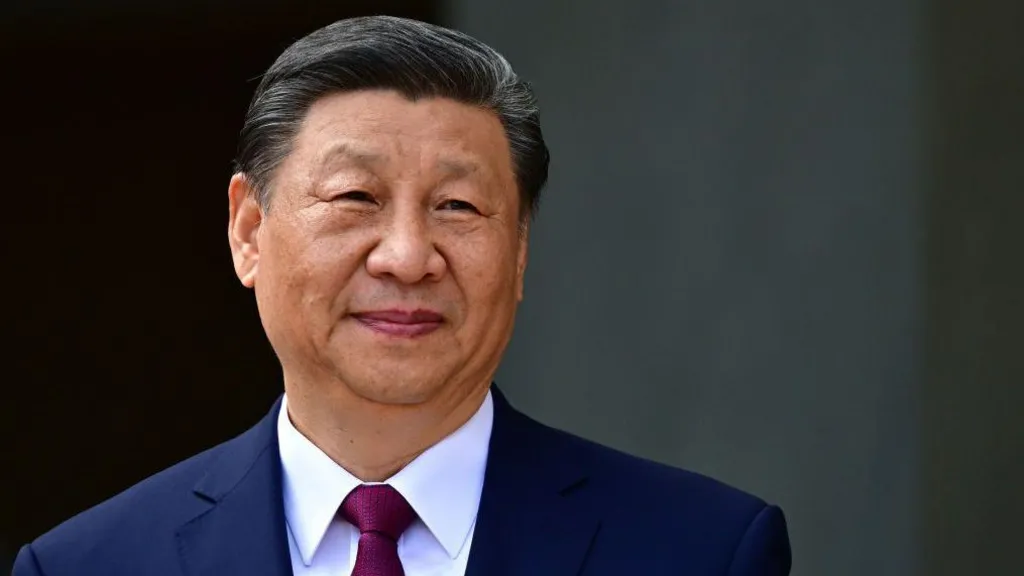
Supporters within Beijing frame the law as essential for “modernisation through greater unity.” Critics, however, see it as the latest stage in President Xi Jinping’s campaign to accelerate the “Sinicisation” of religion and culture, forcing minority groups to conform to Han Chinese norms.
The draft legislation contains several provisions that directly impact minority rights:
Language: Mandarin Chinese will be further elevated at the expense of minority languages, restricting their use in schools and universities.
Marriage: The law prohibits any interference in inter‑ethnic marriages, effectively encouraging unions between Han Chinese and minority groups.
Education: Parents are required to “educate and guide minors to love the Chinese Communist Party.”
Religion and Culture: Any acts deemed damaging to “ethnic unity” are prohibited, giving authorities broad discretion to suppress minority practices.
Analysts say the law codifies policies already in place, but elevates them to the level of basic law, making enforcement easier and more uniform across provinces.
Xi Jinping has repeatedly called for the “Sinicisation of religion,” demanding that faiths such as Islam and Tibetan Buddhism conform to Party‑approved values. The new law entrenches this approach, signalling that assimilation is not just policy but now a legal imperative.
Aaron Glasserman of the University of Pennsylvania told the BBC: “Whether it is the promotion of Mandarin or the restrictions on expression of ethnic minority identity, religious practices and so forth, the regime is saying that all that stuff we did is correct, and we are so confident in that, that we are going to now elevate what was previously just sort of policy to the level of basic law.”
China officially recognises 55 ethnic minorities, ranging from small groups of tens of thousands to millions. But the government has long focused on regions it considers politically sensitive:
- Xinjiang: Home to Uyghurs and other Turkic Muslims, where UN investigators say more than a million people have been detained in “re‑education” camps.
- Tibet: Monasteries are tightly controlled, children must learn Mandarin in state schools, and Buddhist education for minors is banned.
- Inner Mongolia: Authorities have restricted Mongolian language teaching, sparking protests.
- Ningxia: Hui Muslim mosques have been demolished under government orders.
The law is seen as a tool to consolidate control over these regions, which are rich in resources and strategically located along China’s borders.
China’s ethnic minorities have a long history of resistance.
- In 2008, Tibetan monks led an uprising in Lhasa, crushed by security forces.
- In 2009, deadly clashes between Uyghurs and Han Chinese in Urumqi left nearly 200 dead.
- In 2013, Uyghur separatists attempted a car bombing near Tiananmen Square.
- In 2014, Uyghurs attacked passersby at a train station in Yunnan Province.
Beijing argues that its heavy‑handed crackdowns are justified by such violence. Rights groups counter that repression fuels unrest rather than preventing it.
For years, Beijing has offered financial incentives for Han Chinese to move to minority regions, changing the demographic balance in cities like Lhasa and Urumqi. It has also encouraged inter‑ethnic marriages, sometimes with subsidies, to dilute minority identities.
The new law touches on this by outlawing interference in marriages based on ethnicity or religion. Critics say this is another way of eroding cultural boundaries and promoting assimilation.
Exiled communities and advocacy groups have condemned the legislation. The Campaign for Uyghurs warned that restricting minority language education will force Uyghurs, Tibetans, and Mongolians to abandon their native tongues in favour of Mandarin.
Phayul, a Tibetan exile website, described the law as “the latest phase of an accelerated ‘Sinicisation’ campaign under Xi’s leadership.”
Human Rights Watch researcher Yalkun Uluyol said the law “formalises an ideological framework related to a ‘common consciousness of the Chinese nation’ across education, religion, history, culture, tourism, mass media and the internet.”
Analysts believe Beijing wants to standardise responses among local officials, some of whom have been overly zealous in enforcing assimilation. Past incidents included forcing Muslims to eat pork or ignoring halal requirements in factories. The law provides clearer guidance from above, reducing the risk of local missteps while tightening central control.

It also comes at a time when China is seeking stability in border regions critical to its Belt and Road Initiative, which relies on secure trade routes through Central Asia.
The ethnic unity law represents a turning point in China’s governance of minority groups. By elevating assimilationist policies to the level of national law, Beijing is signalling that diversity will be tolerated only within strict Party‑defined boundaries.
For Uyghurs, Tibetans, Mongolians, and other minorities, the legislation threatens to further erode their languages, religions, and cultural practices. For Xi Jinping, it is another step in consolidating power and shaping a “common consciousness” under Han Chinese dominance.
Whether the law brings stability or fuels further unrest remains to be seen. But one thing is clear: China’s minorities face an increasingly narrow space for cultural survival.
Related News:
 Britain Demands Israel Reverse Ban on Aid Groups
 Iran Leader Blames Protesters, Says They Serve Trump
 Emails Show Epstein Funded Mandelson’s Husband After Jail
 Thousands Protest ICE in New York Against Trump Deportation Campaign
 After the Landslide: Can India Reset Ties with BNP Bangladesh?
 China Strikes at Japan’s Core — Will PM Takaichi Back Down?
 The Martin Luther King Protégé Who Helped Reshape America
 Japan Braces as Takaichi Begins New Term with Huge Mandate for Low‑Tax, Ultra‑Conservative Agenda
 South Korea’s Ex-President Faces Death Penalty in Insurrection Trial
 Kim Jong Un Reappointed as Ruling Party Chief
 The Taekwondo Teacher Tasked With Healing India’s Troubled State
 ‘Anyone who runs is shot’: Russian soldiers describe killings of troops who refuse orders
 Japan to Deploy Missiles on Island Near Taiwan by 2031
 Nine Killed in Karachi Consulate Protest
 Could Kim’s Teen Daughter Become North Korea’s Next Leader?
 Rap Star May Beat Ex‑PM — What This Says About Nepal’s Gen Z
 Nepal Leaders Call on Voters to Ensure Success of ‘Historic’ Election
 Nepal Holds First General Election Since Gen Z Protests Toppled Government
 Nepal Election 2026: When Will We Get the Results?
 Iran Drones Hit Azerbaijan Airport as War Widens
 Sri Lanka Takes Control of Second Iranian Vessel a Day After US Sub Attack
 Nepal election 2026: Rapper Balendra Shah on track to be next PM as his party heads for landslide
 Australia Urged to Shield Iranian Team After Anthem Protest
 UK Must Act with Courage and Clarity on Israel-Palestine Conflict, Says Foreign Affairs Committee Report
 Radioactive Leak at UK’s Nuclear Warhead Base Sparks Outcry Over Safety and Secrecy
 Mutual Inconvenience: Why Alaska Was Chosen for the Trump-Putin Summit on Ukraine
 Hong Kong Summons UK and Australian Envoys Following Asylum Grants to Democracy Activists
 Is the UK Ready to Put Boots on the Ground in Ukraine? Assessing Military Capacity and Challenges
 Conservative Influencer Charlie Kirk Fatally Shot During University Debate
 Channel Crossings Surge: Over 1,000 People Arrive in the UK in Small Boats in a Single Day
 Widow of Charlie Kirk Forgives Killer at Emotional Memorial Service
 Yvette Cooper Signals Global Momentum Towards Gaza Peace Deal Amid Humanitarian Crisis
 Public Trust in SNP Hits Historic Low Amid NHS Concerns
 Johnson Suggests Mandelson Linked to China Spy Controversy
 Rachel Reeves signals welfare reform ahead of key budget
 Russia’s Latest Push to Win US Favors Shows Deep Desperation
 BBC to Apologise Over Edited Trump Speech Amid Backlash
 Britain deploys RAF specialists to assist Belgium with drone threats
 Trump Urges Herzog to Grant Netanyahu Full Pardon
 Indian authorities demolish Kashmir home linked to Red Fort blast
 Greene Pushes Epstein Files Amid Trump Fallout
 Trump Deploys DHS to Charlotte in Major Arrest Operation
 December Run-Off in Chile as Election Produces No Winner
 Canada Passes Carney’s First Budget in Tight Parliamentary Vote
 Shadow Fleet at Sea: Europe’s Battle Against Illicit Oil Shipping
 India’s COP30 Delay Raises Global Climate Concerns
 Georgians Defy Government Crackdown After Year of Protests
 Russia losses Ukraine war peace talks intensify amid rising deaths
 Albanese Opens Door to Bondi Royal Commission Amid Rising Pressure
 Trump Escalates Minnesota Immigration Surge Amid Rising Tensions
 EU weighs response amid Greenland tariff crisis with Trump
 EU Says US Ties Have Suffered ‘Big Blow’ After Greenland Crisis
 Israel Moves to Bar MSF From Gaza Operations
 Australian Families Leave Syrian Camp for Home
 Starmer Weighs Fast-Tracking Defence Boost
 Japan’s Lost “Tigers” Were Actually Lions, Study Reveals
 ‘I Would Scream in My Sleep’: Alawite Women from Syria Tell of Kidnap and Rape
 Nine Arrested in France Over Death of Far‑Right Student
 Andrew Arrest Sparks Republic Debate in Australia
 Australian PM Says Former Prince Andrew Has Suffered ‘Extraordinary Fall’ but That Won’t Prompt Republic Referendum
 Musk Cuts Starlink Access for Russian Forces – Giving Ukraine an Edge at the Front
 Farage Chagos Islands Row Sparks Fury
 Duterte Refuses to Attend ICC Pre-Trial Hearing Over ‘Drug War’ Case
 Ukraine Negotiator Reveals What It Feels Like Facing Russia
 Chad Shuts Border With Sudan in Bid to Stop Conflict Spreading
 French Minister Moves to Block US Envoy Kushner from Government Access
 Has Europe truly learned from the failures of 2022?
 American Citizen Killed in Cuba Boat Shooting, U.S. Officials Say
 Iran’s Regime Still Intact — Coming Days Will Test Its Survival
 Allies of US in the Gulf Bear Brunt of Iran Attacks
 Trump Faces Questions Over Iran Conflict Plan
 Israel Launches Ground Invasion of Lebanon Amid Widening Middle East War
 Herzog Asio meeting sparks security storm
 How Depleted Weapons Stockpiles Could Affect the Iran Conflict
 Macron Finds ‘Freedom Fries’ Redemption in Iran Crisis
 Finland Plans to Lift Decades‑Old Ban on Hosting Nuclear Weapons
 Minister Meets Crews Who Will ‘Take Out’ Iranian Drones
 UK–US Tensions Ease as Starmer and Trump Hold First Call Since Iran Row
 Nine Days of Strikes Reshape the Middle East
 Trump Pressures Congress Over Save America Act