Published: March 10, 2026
The English Chronicle Desk
The English Chronicle Online
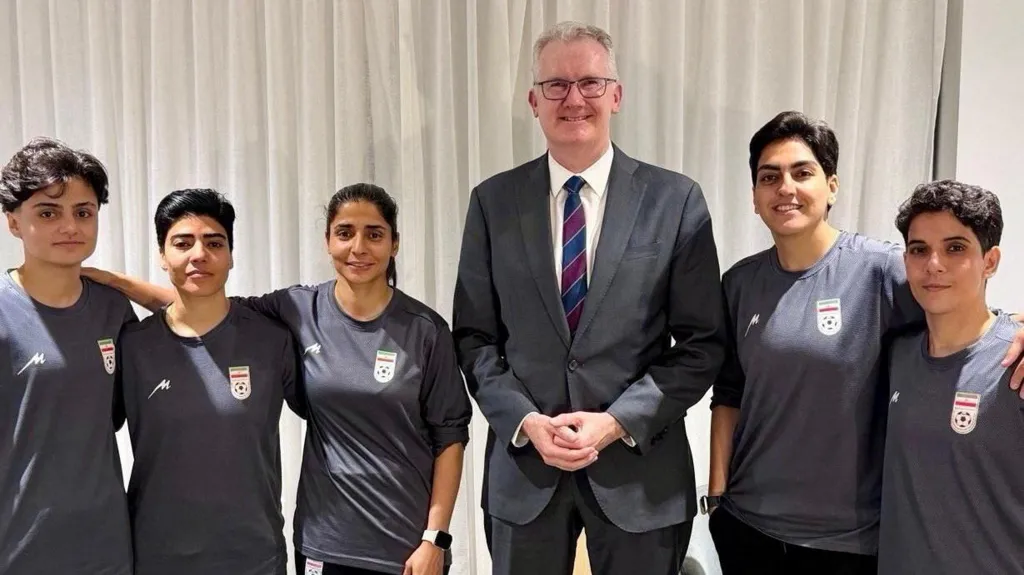
Five Iranian footballers who faced disciplinary action after refusing to sing their national anthem before an international match have been granted visas to enter Australia, in a development that has drawn international attention to the intersection of sport and political expression.
The players, who had been under investigation by Iranian football authorities after their protest, were cleared to travel after Australian officials approved their visa applications earlier this week. Their arrival is expected ahead of upcoming football commitments and training activities in the country.

The controversy began during a recent international match when the group of players stood silently during the playing of Iran’s national anthem. The moment quickly circulated across social media platforms, drawing widespread reaction both within Iran and internationally. Supporters described the act as a form of peaceful protest, while critics argued that national sporting representatives have a responsibility to respect national symbols.
According to Iranian media reports, football officials initially opened disciplinary proceedings against the players following the incident. The investigation focused on whether the protest violated national sporting regulations or internal team codes of conduct. However, no immediate suspensions were issued.
The Australian government’s decision to grant visas has been interpreted by many observers as a signal that the players will be allowed to continue their professional careers abroad without restriction. Immigration authorities in Australia confirmed that the visas were approved following standard review procedures, though officials declined to comment on the political implications surrounding the case.
Human rights advocates have welcomed the decision, arguing that athletes should not face punishment for peaceful expressions of personal belief. They note that sports figures have historically played a visible role in political and social movements, using their platforms to highlight issues beyond the playing field.
Iranian football has previously been a stage for such symbolic gestures. During international competitions in recent years, several players have used moments such as the national anthem or pre-match ceremonies to signal solidarity with protest movements inside the country. These gestures have often placed athletes under intense scrutiny from authorities and national sporting bodies.
The five footballers involved in the latest incident are reported to be active players in Iran’s domestic leagues and have represented the country at various levels of international competition. Their identities have circulated widely online, though officials have not released an official list in public statements regarding the visa decision.
Analysts say the incident illustrates how global sport has increasingly become intertwined with political developments. Athletes today operate within a highly visible international environment where gestures made during matches can rapidly reach global audiences.
The episode has also highlighted the role that international mobility plays in modern professional sports. Footballers frequently travel across borders for competitions, training camps and club transfers, making visa decisions a key factor in determining whether players can continue their careers internationally.
Australian sporting organisations have not confirmed whether the players will join specific clubs or training programs during their stay. However, sources within football circles suggest that several teams had expressed interest in offering opportunities if the visa applications were approved.
Within Iran, reactions to the anthem protest have been mixed. Some commentators have criticised the players for what they view as a politicisation of sport, arguing that national team members should maintain neutrality during international competitions. Others have defended the athletes, describing their actions as an example of individual conscience in a highly charged political environment.
International football governing bodies have generally maintained that players are entitled to certain forms of expression, although they also encourage respect for national traditions during official ceremonies. The balance between those principles has often proven difficult to maintain in politically sensitive contexts.
Sports historians note that anthem-related protests have appeared repeatedly in modern sport. Athletes in various countries have used pre-match ceremonies to draw attention to political or social issues, creating moments that resonate far beyond stadiums.

For the five Iranian footballers, the granting of visas may provide an opportunity to continue their professional development while remaining outside the immediate reach of domestic disciplinary proceedings. Whether the episode will affect their long-term international careers remains uncertain.
What is clear is that the incident has once again demonstrated how a brief moment during a football match can quickly become part of a much wider global conversation about politics, freedom of expression and the responsibilities of athletes on the international stage.
Related News:
 Police Assessing Stansted Airport Private Flights Over Epstein Ties
 Inland Australia Town Turns Streets into a Beach for Volleyball Contest
 Austrian Climber Found Guilty After Girlfriend Froze to Death on Mountain
 Inside Kyiv’s resolve as conflict nears five‑year mark
 What to Watch for During Trump’s State of the Union Address
 US Partially Evacuates Beirut Embassy Amid Rising Iran Tensions
 ‘It’s Eerie’ – Dubai on Edge as City Comes Under Attack
 Iran, the US, and a World Cup That Starts in Three Months
 Muslim Group Wants Mosques to Be Used as Polling Stations Ahead of UK Elections
 Watershed Moment as Russia’s Sporting Exile Ends
 Manchester Students Mourn Ayatollah Amid Protest
 Baba Vanga’s Chilling World War 3 Prediction and Russia’s New Leader
 UK Must Act with Courage and Clarity on Israel-Palestine Conflict, Says Foreign Affairs Committee Report
 Tottenham Takes On Newcastle
 Radioactive Leak at UK’s Nuclear Warhead Base Sparks Outcry Over Safety and Secrecy
 Mutual Inconvenience: Why Alaska Was Chosen for the Trump-Putin Summit on Ukraine
 Hong Kong Summons UK and Australian Envoys Following Asylum Grants to Democracy Activists
 Is the UK Ready to Put Boots on the Ground in Ukraine? Assessing Military Capacity and Challenges
 Conservative Influencer Charlie Kirk Fatally Shot During University Debate
 Channel Crossings Surge: Over 1,000 People Arrive in the UK in Small Boats in a Single Day
 Widow of Charlie Kirk Forgives Killer at Emotional Memorial Service
 Yvette Cooper Signals Global Momentum Towards Gaza Peace Deal Amid Humanitarian Crisis
 Chaos at Ibrox as Martin’s Rangers Era Comes to an End
 Arsenal Showcase Depth and Flexibility as Arteta Eyes Title Challenge
 Public Trust in SNP Hits Historic Low Amid NHS Concerns
 Johnson Suggests Mandelson Linked to China Spy Controversy
 Rachel Reeves signals welfare reform ahead of key budget
 Russia’s Latest Push to Win US Favors Shows Deep Desperation
 BBC to Apologise Over Edited Trump Speech Amid Backlash
 Britain deploys RAF specialists to assist Belgium with drone threats
 Trump Urges Herzog to Grant Netanyahu Full Pardon
 Indian authorities demolish Kashmir home linked to Red Fort blast
 Greene Pushes Epstein Files Amid Trump Fallout
 Trump Deploys DHS to Charlotte in Major Arrest Operation
 December Run-Off in Chile as Election Produces No Winner
 Canada Passes Carney’s First Budget in Tight Parliamentary Vote
 Shadow Fleet at Sea: Europe’s Battle Against Illicit Oil Shipping
 Tiny Curacao Makes History as Smallest Nation to Reach World Cup
 India’s COP30 Delay Raises Global Climate Concerns
 Georgians Defy Government Crackdown After Year of Protests
 Russia losses Ukraine war peace talks intensify amid rising deaths
 Albanese Opens Door to Bondi Royal Commission Amid Rising Pressure
 EU weighs response amid Greenland tariff crisis with Trump
 EU Says US Ties Have Suffered ‘Big Blow’ After Greenland Crisis
 Israel Moves to Bar MSF From Gaza Operations
 Australian Families Leave Syrian Camp for Home
 Starmer Weighs Fast-Tracking Defence Boost
 US Civil Rights Leader Jesse Jackson Dies Aged 84
 Snow and Rain Warnings as Cold Snap Continues in the UK
 Nine Arrested in France Over Death of Far‑Right Student
 Andrew Arrest Sparks Republic Debate in Australia
 Epstein Eyed Record Label Investment to Access Women, Files Suggest
 Australian PM Says Former Prince Andrew Has Suffered ‘Extraordinary Fall’ but That Won’t Prompt Republic Referendum
 Musk Cuts Starlink Access for Russian Forces – Giving Ukraine an Edge at the Front
 Farage Chagos Islands Row Sparks Fury
 Ukraine Negotiator Reveals What It Feels Like Facing Russia
 ‘We Pray for Peace’: Indian Filmmaker From Troubled State Who Won a BAFTA
 Chad Shuts Border With Sudan in Bid to Stop Conflict Spreading
 French Minister Moves to Block US Envoy Kushner from Government Access
 Hilary Knight speaks out on Trump’s recent hockey remarks
 Has Europe truly learned from the failures of 2022?
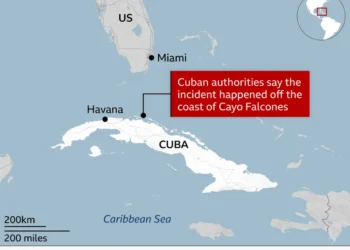 American Citizen Killed in Cuba Boat Shooting, U.S. Officials Say
 Iran’s Regime Still Intact — Coming Days Will Test Its Survival
 Allies of US in the Gulf Bear Brunt of Iran Attacks
 Trump Faces Questions Over Iran Conflict Plan
 Israel Launches Ground Invasion of Lebanon Amid Widening Middle East War
 Herzog Asio meeting sparks security storm
 Nepal Holds First General Election Since Gen Z Protests Toppled Government
 ‘Every Day Feels Like a Month’: Iranians Describe Life Under ‘Constant’ US‑Israeli Strikes
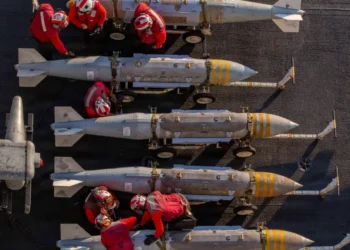 How Depleted Weapons Stockpiles Could Affect the Iran Conflict
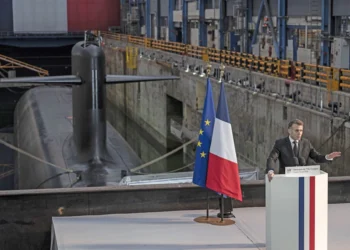 Macron Finds ‘Freedom Fries’ Redemption in Iran Crisis
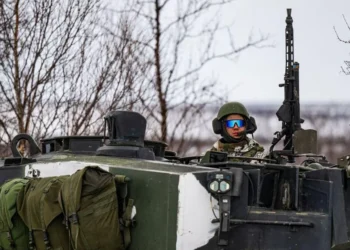 Finland Plans to Lift Decades‑Old Ban on Hosting Nuclear Weapons
 Tears and Cheers as Controversial Long‑Running Australian Breakfast Radio Show Implodes
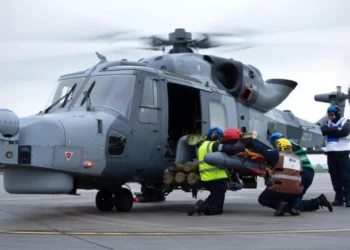 Minister Meets Crews Who Will ‘Take Out’ Iranian Drones
 India T20 World Cup Triumph Seals Historic Title Defence
 UK–US Tensions Ease as Starmer and Trump Hold First Call Since Iran Row
 Nine Days of Strikes Reshape the Middle East
 Trump Pressures Congress Over Save America Act
 Iran War Puts Trump at Political Risk Amid Rising Prices
 Iran’s New Leader Faces Existential Test