Published: March 11, 2026
The English Chronicle Desk. The English Chronicle Online
What began as a quiet evening inside a resort hotel on Australia’s Gold Coast turned into a dramatic moment in international sport and politics when several members of the Iranian women’s national football team quietly slipped away from their delegation and sought asylum in Australia.
The first sign that something unusual was unfolding appeared in the hotel lobby late Monday afternoon. A small group of Iranian players could be seen speaking with several members of the local Iranian community. At least three footballers were present, wearing grey team shirts and black headscarves. They stood in conversation with four people who, at the time, were assumed to be supporters from the Iranian diaspora living in Queensland.

What struck observers immediately was the relaxed tone of the exchange. The women smiled, laughed, and spoke casually. For a team believed to be under close supervision by officials accompanying them from Iran, the scene seemed unusual. Reports circulating during the Asian Cup had suggested that players had limited communication with the outside world, restricted internet access, and constant monitoring by team minders. Yet in that moment, the players appeared comfortable and at ease.
The Iranian women’s team had already been under intense international scrutiny throughout the AFC Women’s Asian Cup tournament. The controversy began when the players declined to sing Iran’s national anthem before their opening match. Shortly afterward, a presenter on Iranian state television publicly branded the team “traitors” and suggested they should face punishment for their actions.
The incident immediately raised concerns among activists and observers abroad, many of whom feared the athletes could face repercussions upon their return home. The tension grew when, during the team’s following two matches, the players did sing the anthem. Some commentators suggested this change indicated pressure—direct or indirect—from officials connected to the Iranian authorities.
After the team was eliminated from the tournament on Sunday, attention shifted to what might happen next. Many observers worried about the potential consequences awaiting the players in Iran, including pressure on their families. At the same time, members of the Iranian diaspora in Australia began quietly exploring ways to communicate with the team and offer support if any player wished to remain in the country.
Among those involved was Iranian human rights activist Hesam Orouji, who had traveled to the Gold Coast to show support for the players. He later explained that members of the local community felt a responsibility to ensure the athletes knew they were not alone.
“Our community in Queensland did whatever we could,” he said in interviews after the events unfolded.
Orouji was one of the four people seen speaking with players in the hotel lobby around 5:30 pm that evening. Earlier in the day, members of the team had moved around the resort grounds, occasionally walking through the hotel’s gardens and football training pitches. They largely kept to themselves, which observers expected. The conversation in the lobby therefore appeared out of the ordinary.
A hotel security guard briefly joined the group before the conversation ended. The players and their supporters then walked toward the lobby’s automatic doors. Outside stood several officers from the Australian Federal Police. Their presence did not appear unusual at the time, as police had been stationed near the hotel throughout the day.
Initially, it seemed the group was simply stepping outside for fresh air, as other players had done earlier.
But events soon shifted dramatically.
Less than thirty minutes later, two members of the Iranian delegation suddenly rushed across the lobby toward a stairwell leading to the underground parking area. They were soon followed by a player and a coach. Their hurried movements were striking inside what had been a calm and quiet hotel environment.
When they reached the door at the bottom of the stairs, they found it locked. The officials appeared visibly anxious and quickly turned back toward the lobby.
By that point, several players were already gone.
It later emerged that five Iranian footballers had quietly left the hotel and sought assistance from Australian authorities. The moment occurred just as sunset approached, coinciding with the time the team would normally gather for iftar, the evening meal that breaks the daily fast during Ramadan. Their absence during the gathering may have been the moment their disappearance was first noticed.
Within hours, the five athletes—Fatemeh Pasandideh, Zahra Ghanbari, Zahra Sarbali, Atefeh Ramazanzadeh, and Mona Hamoudi—had been granted humanitarian visas by the Australian government.
Shortly afterward, two additional members of the delegation indicated they also wished to remain in Australia. Player Mohaddeseh Zolfi and support staff member Zahra Soltan Meshkeh Kar were separated from the rest of the squad and taken to a secure police facility near Brisbane Airport. They were reunited with the first five players after confirming their intention to seek protection.
Australian immigration officials moved quickly. Authorities confirmed that the individuals would be allowed to stay permanently in the country if they chose to continue with their asylum claims.
However, the situation remained fluid. One of the seven women later reconsidered her decision and opted not to remain in Australia. Immigration Minister Tony Burke told parliament that Australian law allows individuals to reconsider asylum decisions without pressure.
“In Australia people are able to change their mind,” Burke said. “We respect the context in which she had made that decision.”
Behind the scenes, activists and migration experts had spent several days attempting to reach the players. Communication was often difficult because many members of the team did not have reliable internet access during the tournament.
According to Orouji, members of the Iranian community attempted to contact players through social media, messaging applications, and mutual acquaintances. Messages would sometimes remain unread for hours or days until a player briefly connected to the internet.
“We send a message, and sometimes we wait to see the two blue ticks on WhatsApp,” he explained.
A migration agent based in Australia, Melody Naghmeh Danai, also played a key role in explaining the players’ legal options. She attended matches during the tournament to show support and later met with several athletes at the hotel.
Danai said the players faced an extremely difficult decision. Many were worried not only about their own safety but also about possible consequences for their families and property back in Iran.
“They were under a lot of stress,” she said in a later interview. “They didn’t know what to do.”
Australian authorities had also begun preparing for the possibility that some players might request asylum. Immigration officials reportedly arranged meetings at the team’s hotel and coordinated closely with federal police to ensure that any player wishing to seek protection could do so safely.
Although some reports had suggested the players were confined to their rooms and closely watched, government officials later said that was not entirely accurate. At certain times, players were able to move freely within the hotel and speak privately with officials.

Those conversations continued late into Sunday night after the team’s elimination from the tournament.
By Tuesday evening, the remaining members of the Iranian delegation prepared to depart Australia. At Sydney Airport, authorities ensured players could speak privately with immigration officers and interpreters if they wished.
Ultimately, most of the squad boarded a flight to Kuala Lumpur, beginning their journey back to Iran.
For those who chose to remain in Australia, the decision marked the beginning of a new and uncertain chapter in their lives. For the teammates they left behind, the tournament ended in a far different way than anyone expected—transforming a sporting event into a global story about politics, personal risk, and the difficult choices faced by athletes caught between national loyalty and personal freedom.
Related News:
 Britain Demands Israel Reverse Ban on Aid Groups
 Iran Leader Blames Protesters, Says They Serve Trump
 Emails Show Epstein Funded Mandelson’s Husband After Jail
 Thousands Protest ICE in New York Against Trump Deportation Campaign
 The Martin Luther King Protégé Who Helped Reshape America
 ‘Anyone who runs is shot’: Russian soldiers describe killings of troops who refuse orders
 Iran, the US, and a World Cup That Starts in Three Months
 Watershed Moment as Russia’s Sporting Exile Ends
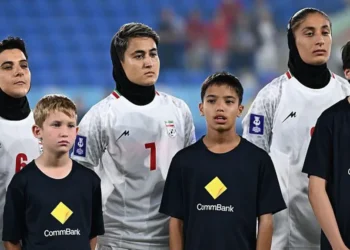 Australia Urged to Shield Iranian Team After Anthem Protest
 China Moves to Enshrine ‘Ethnic Unity’ Law
 Istanbul Mayor Faces Corruption Trial Amid Political Storm
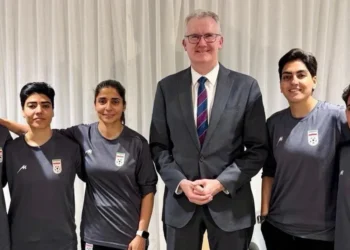 Iranian Players Get Australian Visas After Anthem Protest
 Kinnock’s Rebuke Echoes Loudly as Corbyn Allies Launch Left-Wing Breakaway: “A Gift to Farage”
 Trump Administration Dismisses 17 Immigration Judges, Sparking Debate Over Judicial Independence
 England’s Euro Odyssey: A Tale of Grit, Glory and the Lionesses’ Miraculous March to the Final
 UK Must Act with Courage and Clarity on Israel-Palestine Conflict, Says Foreign Affairs Committee Report
 Tottenham Takes On Newcastle
 Trump Threatens 100% Tariff on Nations Importing Russian Oil Amid India Standoff Over Ukraine War
 Radioactive Leak at UK’s Nuclear Warhead Base Sparks Outcry Over Safety and Secrecy
 Mutual Inconvenience: Why Alaska Was Chosen for the Trump-Putin Summit on Ukraine
 Hong Kong Summons UK and Australian Envoys Following Asylum Grants to Democracy Activists
 Is the UK Ready to Put Boots on the Ground in Ukraine? Assessing Military Capacity and Challenges
 Conservative Influencer Charlie Kirk Fatally Shot During University Debate
 Channel Crossings Surge: Over 1,000 People Arrive in the UK in Small Boats in a Single Day
 Widow of Charlie Kirk Forgives Killer at Emotional Memorial Service
 Yvette Cooper Signals Global Momentum Towards Gaza Peace Deal Amid Humanitarian Crisis
 Chaos at Ibrox as Martin’s Rangers Era Comes to an End
 Arsenal Showcase Depth and Flexibility as Arteta Eyes Title Challenge
 Public Trust in SNP Hits Historic Low Amid NHS Concerns
 Johnson Suggests Mandelson Linked to China Spy Controversy
 Rachel Reeves signals welfare reform ahead of key budget
 Russia’s Latest Push to Win US Favors Shows Deep Desperation
 BBC to Apologise Over Edited Trump Speech Amid Backlash
 Britain deploys RAF specialists to assist Belgium with drone threats
 Trump Urges Herzog to Grant Netanyahu Full Pardon
 Indian authorities demolish Kashmir home linked to Red Fort blast
 Greene Pushes Epstein Files Amid Trump Fallout
 December Run-Off in Chile as Election Produces No Winner
 Canada Passes Carney’s First Budget in Tight Parliamentary Vote
 Shadow Fleet at Sea: Europe’s Battle Against Illicit Oil Shipping
 Tiny Curacao Makes History as Smallest Nation to Reach World Cup
 India’s COP30 Delay Raises Global Climate Concerns
 Georgians Defy Government Crackdown After Year of Protests
 Russia losses Ukraine war peace talks intensify amid rising deaths
 Albanese Opens Door to Bondi Royal Commission Amid Rising Pressure
 Trump Escalates Minnesota Immigration Surge Amid Rising Tensions
 Iran Protesters Defy Crackdown as Violent Clashes Intensify
 EU weighs response amid Greenland tariff crisis with Trump
 EU Says US Ties Have Suffered ‘Big Blow’ After Greenland Crisis
 Israel Moves to Bar MSF From Gaza Operations
 After the Landslide: Can India Reset Ties with BNP Bangladesh?
 Australian Families Leave Syrian Camp for Home
 Starmer Weighs Fast-Tracking Defence Boost
 Trump Attacks UK-California Energy Pact
 ‘I Would Scream in My Sleep’: Alawite Women from Syria Tell of Kidnap and Rape
 Nine Arrested in France Over Death of Far‑Right Student
 Andrew Arrest Sparks Republic Debate in Australia
 Australian PM Says Former Prince Andrew Has Suffered ‘Extraordinary Fall’ but That Won’t Prompt Republic Referendum
 Musk Cuts Starlink Access for Russian Forces – Giving Ukraine an Edge at the Front
 Farage Chagos Islands Row Sparks Fury
 Ukraine Negotiator Reveals What It Feels Like Facing Russia
 Chad Shuts Border With Sudan in Bid to Stop Conflict Spreading
 French Minister Moves to Block US Envoy Kushner from Government Access
 Hilary Knight speaks out on Trump’s recent hockey remarks
 Has Europe truly learned from the failures of 2022?
 American Citizen Killed in Cuba Boat Shooting, U.S. Officials Say
 Iran’s Regime Still Intact — Coming Days Will Test Its Survival
 Allies of US in the Gulf Bear Brunt of Iran Attacks
 Trump Faces Questions Over Iran Conflict Plan
 Israel Launches Ground Invasion of Lebanon Amid Widening Middle East War
 Herzog Asio meeting sparks security storm
 Nepal Holds First General Election Since Gen Z Protests Toppled Government
 How Depleted Weapons Stockpiles Could Affect the Iran Conflict
 Macron Finds ‘Freedom Fries’ Redemption in Iran Crisis
 Finland Plans to Lift Decades‑Old Ban on Hosting Nuclear Weapons
 Minister Meets Crews Who Will ‘Take Out’ Iranian Drones
 India T20 World Cup Triumph Seals Historic Title Defence
 Nine Days of Strikes Reshape the Middle East
 Trump Pressures Congress Over Save America Act
 Iran War Puts Trump at Political Risk Amid Rising Prices