Published: March 11, 2026
The English Chronicle Desk. The English Chronicle Online
A major escalation in the growing Middle East conflict unfolded this week after the United States confirmed that its military forces destroyed sixteen Iranian naval vessels suspected of laying mines in the strategically critical Strait of Hormuz. The operation came amid a wider wave of military activity across the region, as Iran launched retaliatory strikes and tensions spread far beyond the waters of the Gulf.
According to officials from the United States Central Command, American forces carried out targeted strikes against multiple Iranian vessels on Tuesday after intelligence reports indicated that Tehran was preparing to deploy naval mines in the narrow waterway that links the Persian Gulf with the Gulf of Oman. The Pentagon said the vessels were capable of laying explosive mines intended to disrupt international shipping and energy supplies. ()

The Strait of Hormuz is one of the most strategically sensitive maritime passages in the world. Roughly one-fifth of the world’s oil consumption travels through the narrow channel every day, making it a vital artery for global energy markets. Any disruption in the strait has the potential to send shockwaves through international trade, shipping routes and fuel prices across multiple continents. ()
U.S. President Donald Trump confirmed the strikes in a statement, saying American forces had taken pre-emptive action after reports suggested Iran had begun positioning mines in the waterway. Initially, Trump said ten vessels had been destroyed in the first wave of strikes. Shortly afterwards, U.S. Central Command reported that the number had risen to sixteen vessels targeted and eliminated near the Strait of Hormuz. ()
The U.S. military released video footage of the operation showing precision munitions striking several vessels. Many of the boats appeared to be stationary or docked when they were hit, suggesting the strikes were designed to neutralize potential threats before mines could be fully deployed. ()
Washington has warned Tehran that any attempt to block the flow of oil through the strait would trigger a severe military response. American officials described the operation as a defensive move aimed at safeguarding international shipping lanes and protecting the global energy supply chain.
The strikes took place during the eleventh day of an increasingly volatile conflict involving the United States, Israel and Iran. Over the past week, American and Israeli forces have launched sustained attacks on Iranian military infrastructure, missile sites and command centers. Iranian leaders have responded with missile and drone strikes targeting Israel and several Gulf states that host U.S. military bases. ()
Across the Middle East, sirens and air defence systems were activated in multiple countries as Iranian missiles and drones were reportedly launched toward regional targets. Gulf states including Saudi Arabia, the United Arab Emirates, Qatar and Kuwait have reported attempted attacks or heightened security alerts as the confrontation spreads across the region. ()
Iranian officials have repeatedly threatened to shut down the Strait of Hormuz entirely if military pressure continues. Commanders from the Islamic Revolutionary Guard Corps warned that Iran would not allow “even a single litre of oil” to pass through the region to its adversaries if the conflict escalates further. ()
The potential mining of the strait has alarmed maritime authorities and global energy agencies. Analysts warn that naval mines can remain active for months or even years, requiring complex operations to detect and remove them safely. A prolonged closure of the waterway could disrupt oil shipments worldwide and drive significant volatility in energy markets.
In recent days oil prices have fluctuated sharply amid fears that the strait could become a major battlefield. Energy companies and shipping operators have begun rerouting tankers or delaying shipments until the security situation becomes clearer.
Military analysts say Iran possesses thousands of naval mines and numerous small vessels capable of deploying them quickly across the narrow strait. Such tactics are part of Iran’s long-standing strategy of asymmetric warfare at sea, designed to offset the technological superiority of larger naval powers.
The United Nations and several international shipping organizations have expressed concern about the growing instability in the region. Disruptions to maritime traffic through the Strait of Hormuz could also affect global shipments of liquefied natural gas, fertilizers and other critical commodities that pass through the corridor each day. ()
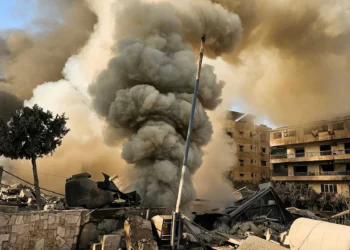
Meanwhile, Israeli forces have intensified operations against Iranian-linked targets in Lebanon and other parts of the region. Air strikes reported in southern Lebanon this week have caused casualties and further heightened fears that the conflict could spread into a broader regional war. ()

Despite the escalation, U.S. military leaders say Iran’s ability to sustain large-scale operations has been weakened by ongoing air strikes targeting missile facilities, naval infrastructure and weapons storage sites. However, they also warn that Tehran retains significant capabilities to launch drone attacks and missile barrages.
Diplomatic efforts to calm the situation remain limited. Iranian officials have ruled out negotiations with Washington for the time being, citing what they describe as a lack of trust after years of tensions and previous failed talks.
With attacks continuing across several fronts and key shipping lanes under threat, international observers warn that the situation could rapidly deteriorate if further retaliation occurs. The destruction of the mine-laying vessels may have prevented an immediate blockade of the Strait of Hormuz, but it has also underscored how close the region is to a wider confrontation with global consequences.
Related News:
 Modi’s London Visit Seals Historic UK-India Trade Pact Amid Global Tensions
 Rubio Calls Russian Oil Imports a Strain on India-US Relations
 Rachel Reeves to lead UK trade push in Saudi Arabia amid rights debate
 Canada Passes Carney’s First Budget in Tight Parliamentary Vote
 India’s Labour Law Overhaul Sparks Fierce Debate
 Carney’s Alberta Pipeline Deal Sparks Immediate Pushback
 Austrian Airlines Halts Tehran Flights Amid Political Unrest
 Trump Administration Probe of Fed’s Powell Draws Pushback
 Mark Carney Walks Diplomatic Tightrope on China Visit
 ‘Repatriate the Gold’: Germany Debates Bringing Reserves Home
 Japan Braces as Takaichi Begins New Term with Huge Mandate for Low‑Tax, Ultra‑Conservative Agenda
 US Trade Deficit Hits Fresh High Despite Trump’s Tariffs
 What Now for Asia After Trump’s Tariffs Were Struck Down?
 Gulf Oil Shock Sends Global Economic Ripples
 Iran Rejects Ceasefire, Warns Trump With Chilling Message
 UK Must Act with Courage and Clarity on Israel-Palestine Conflict, Says Foreign Affairs Committee Report
 Radioactive Leak at UK’s Nuclear Warhead Base Sparks Outcry Over Safety and Secrecy
 Mutual Inconvenience: Why Alaska Was Chosen for the Trump-Putin Summit on Ukraine
 China’s crackdown on civil servant perks sparks economic concerns
 Chancellor Rachel Reeves Pushes for Sweeping Changes to Environmental Protections to Accelerate Development
 Hong Kong Summons UK and Australian Envoys Following Asylum Grants to Democracy Activists
 Is the UK Ready to Put Boots on the Ground in Ukraine? Assessing Military Capacity and Challenges
 Shein UK Faces Allegations of Shifting Majority of Profits to Singapore to Reduce UK Tax
 Channel Crossings Surge: Over 1,000 People Arrive in the UK in Small Boats in a Single Day
 Widow of Charlie Kirk Forgives Killer at Emotional Memorial Service
 Yvette Cooper Signals Global Momentum Towards Gaza Peace Deal Amid Humanitarian Crisis
 Kemi Badenoch Unveils ‘Golden Rule’ to Halve Spending Cuts for Deficit Reduction at Tory Conference
 Public Trust in SNP Hits Historic Low Amid NHS Concerns
 Johnson Suggests Mandelson Linked to China Spy Controversy
 Rachel Reeves signals welfare reform ahead of key budget
 Russia’s Latest Push to Win US Favors Shows Deep Desperation
 Trump’s UK Ambassador Urges North Sea Drilling to Strengthen US Ties
BBC to Apologise Over Edited Trump Speech Amid Backlash
Trump’s UK Ambassador Urges North Sea Drilling to Strengthen US Ties
BBC to Apologise Over Edited Trump Speech Amid Backlash
 Britain deploys RAF specialists to assist Belgium with drone threats
 Millionaires group urge Reeves to introduce wealth tax to ‘lift kids out of poverty’
 Trump Urges Herzog to Grant Netanyahu Full Pardon
 Indian authorities demolish Kashmir home linked to Red Fort blast
 Greene Pushes Epstein Files Amid Trump Fallout
 Trump Deploys DHS to Charlotte in Major Arrest Operation
 December Run-Off in Chile as Election Produces No Winner
 Shadow Fleet at Sea: Europe’s Battle Against Illicit Oil Shipping
 India’s COP30 Delay Raises Global Climate Concerns
 Georgians Defy Government Crackdown After Year of Protests
 Starmer Says Labour’s Economic Plan Needs Years to Deliver
 Albanese Opens Door to Bondi Royal Commission Amid Rising Pressure
 EU weighs response amid Greenland tariff crisis with Trump
 EU Says US Ties Have Suffered ‘Big Blow’ After Greenland Crisis
 UK New Car Discounts Near £6,000 as Prices Are Slashed
 Israel Moves to Bar MSF From Gaza Operations
 Could Manchester Lead the UK’s Economic Revival?
 Australian Families Leave Syrian Camp for Home
 Starmer Weighs Fast-Tracking Defence Boost
 Nine Arrested in France Over Death of Far‑Right Student
 Andrew Arrest Sparks Republic Debate in Australia
 Australian PM Says Former Prince Andrew Has Suffered ‘Extraordinary Fall’ but That Won’t Prompt Republic Referendum
 Musk Cuts Starlink Access for Russian Forces – Giving Ukraine an Edge at the Front
 Farage Chagos Islands Row Sparks Fury
 Ukraine Negotiator Reveals What It Feels Like Facing Russia
 Chad Shuts Border With Sudan in Bid to Stop Conflict Spreading
 French Minister Moves to Block US Envoy Kushner from Government Access
 Bill Gates ‘Took Responsibility’ Over Epstein Ties in Staff Meeting, Foundation Says
 Has Europe truly learned from the failures of 2022?
 American Citizen Killed in Cuba Boat Shooting, U.S. Officials Say
 Iran’s Regime Still Intact — Coming Days Will Test Its Survival
 Allies of US in the Gulf Bear Brunt of Iran Attacks
 Trump Faces Questions Over Iran Conflict Plan
 Israel Launches Ground Invasion of Lebanon Amid Widening Middle East War
 Herzog Asio meeting sparks security storm
 Nepal Holds First General Election Since Gen Z Protests Toppled Government
 How Depleted Weapons Stockpiles Could Affect the Iran Conflict
 Macron Finds ‘Freedom Fries’ Redemption in Iran Crisis
 Finland Plans to Lift Decades‑Old Ban on Hosting Nuclear Weapons
 Minister Meets Crews Who Will ‘Take Out’ Iranian Drones
 Oil Prices Surge Above $100 Amid Iran War
 UK–US Tensions Ease as Starmer and Trump Hold First Call Since Iran Row
 Nine Days of Strikes Reshape the Middle East
 Trump Pressures Congress Over Save America Act
 Iran War Puts Trump at Political Risk Amid Rising Prices
 Iran’s New Leader Faces Existential Test
 Iranian Footballers Escape Team Hotel to Seek Asylum