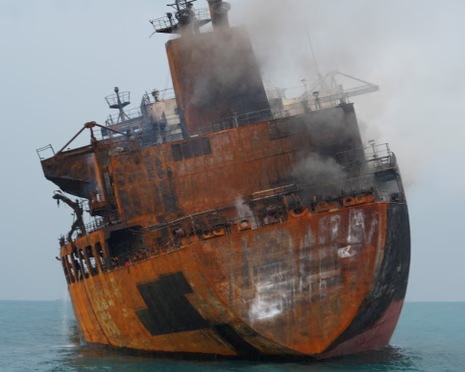
Published: 13 March 2026. The English Chronicle Desk. The English Chronicle Online.
The global economy faces a deepening crisis as a historic oil supply disruption shakes markets worldwide. Analysts warn the conflict in the Middle East is threatening energy flows at an unprecedented scale. Tankers remain unable to pass through the vital maritime corridor linking Gulf producers with global markets. The situation has already triggered a rapid surge in oil prices and mounting anxiety among governments.
According to the International Energy Agency, the conflict has triggered the largest oil supply disruption ever recorded. Officials believe the crisis may surpass previous energy shocks that reshaped global markets decades earlier. Millions of barrels of crude remain stranded daily as hostilities continue around the Strait of Hormuz. This narrow channel normally carries roughly one fifth of the world’s traded oil supplies.
The crisis intensified after statements attributed to Mojtaba Khamenei appeared to endorse keeping the strait closed. That declaration dealt a major blow to hopes for swift diplomatic negotiations or reopening routes. Tanker traffic through the region has dropped sharply, forcing companies to halt shipments indefinitely. Shipping insurers have also raised premiums dramatically, discouraging vessels from entering increasingly dangerous waters.
Energy traders responded immediately as benchmark crude prices surged above one hundred dollars per barrel. The renewed rally highlights how the ongoing oil supply disruption is shaking global confidence. Market volatility now reflects fears that the conflict could escalate further across energy infrastructure. Several production facilities throughout the region have already reported damage from missile and drone attacks.

The International Energy Agency attempted to calm markets by ordering a historic release of emergency reserves. Its thirty two member countries agreed unanimously to release four hundred million barrels of oil. The decision marks the largest coordinated emergency release since the agency was created in 1974. Officials hope the additional supply will soften price increases and maintain stability during escalating tensions.
The United States quickly followed with its own extraordinary move to protect domestic consumers. Washington announced plans to release 172 million barrels from the nation’s strategic petroleum reserve. The decision represents the most aggressive intervention yet by the administration of Donald Trump. Officials argue the step will help reduce fuel costs while global supply chains remain severely disrupted.
Despite these interventions, oil markets have continued to react nervously to unfolding geopolitical developments. Brent crude briefly climbed above one hundred dollars before fluctuating amid conflicting signals. Traders remain focused on the potential duration and severity of the current oil supply disruption. Many fear the crisis could extend for months if military operations intensify across the region.
Financial markets have also reacted sharply to the growing instability across energy producing territories. The Dow Jones Industrial Average and the S&P 500 both closed lower as investors reassessed economic risks. European markets followed a similar trend, with London’s FTSE 100 slipping modestly during volatile trading. Asian markets also retreated, including Japan’s Nikkei 225, reflecting widespread investor caution.
Energy analysts note that coordinated emergency releases have historically followed major global disruptions. Similar actions occurred during the 1991 conflict known as Operation Desert Storm. Strategic reserves were also released after the devastation caused by Hurricane Katrina in 2005. Additional releases followed international intervention during the Libyan Civil War in 2011. The most recent coordinated action occurred after Russia launched its invasion of Ukraine in 2022.
However, energy experts say the present circumstances differ dramatically from previous crises. Earlier disruptions involved limited regional outages or temporary declines in production. Today’s conflict threatens a prolonged shutdown of one of the world’s most important shipping lanes. That possibility explains why the current oil supply disruption has sparked such intense global concern.
Several oil producers across the Middle East have already slowed or halted production operations. Storage facilities throughout the region are filling rapidly as exports remain blocked by insecurity. Without reliable tanker access, companies cannot transport crude to international refineries and trading hubs. The backlog continues growing daily as military tensions escalate across strategic maritime corridors.
The International Energy Agency estimates the region may lose at least ten million barrels daily. That reduction alone represents a dramatic share of total global oil production capacity. Even with increased output from other nations, overall supply could still drop significantly this year. Analysts predict global output may decline by nearly eight million barrels per day.
At the same time, demand for oil is also expected to fall in several regions. Air travel across the Middle East has declined sharply as airlines reroute flights away from conflict zones. Refineries in affected countries have reduced operations due to safety concerns and logistical challenges. These changes may partially offset the immediate effects of the oil supply disruption.
Yet economists warn that rising energy costs could still weaken global economic growth significantly. Higher fuel prices often increase transportation and manufacturing costs across multiple industries worldwide. Consumers may reduce spending as household budgets tighten under higher energy bills. Such pressures could trigger slower growth in major economies over the coming months.
Military developments also continue influencing expectations within energy markets each day. Iranian forces have reportedly targeted energy infrastructure and merchant shipping around the strait. Several commercial vessels sustained damage during recent attacks in surrounding waters. The escalating confrontation increases fears that the conflict may expand further across the Gulf.
The United States has discussed possible naval escorts for tankers attempting to pass through the strait. Energy Secretary Chris Wright recently acknowledged such measures were not yet ready for deployment. However, he indicated that protection missions could begin later this month if conditions deteriorate further. Naval escorts would represent a significant escalation in international involvement around the corridor.

Meanwhile political rhetoric from both sides continues raising tensions across global markets. Iranian officials warned that oil prices could eventually reach two hundred dollars per barrel. They argued regional security conditions ultimately determine energy stability across international markets. Such statements underline how political messaging increasingly shapes perceptions of the crisis.
President Donald Trump has taken a different tone when addressing rising energy prices. He suggested that higher oil prices could benefit American energy exporters in global markets. Critics argue those remarks overlook the financial pressure faced by ordinary drivers and businesses. Fuel prices at petrol stations have already climbed noticeably across several countries.
The coming weeks will likely determine how severe the oil supply disruption becomes worldwide. Diplomatic efforts continue quietly among regional and international actors seeking de escalation. Energy companies are also exploring alternative shipping routes and logistical adjustments where possible. However, no clear solution currently exists for reopening the Strait of Hormuz safely.
Until shipping lanes reopen fully, global energy markets may remain volatile and unpredictable. Governments are closely monitoring reserves while considering additional emergency interventions if necessary. Consumers across many countries are already bracing for higher fuel costs and economic uncertainty. For now the world watches anxiously as events unfold around a critical artery of global trade.
Related News:
 British Woman in Iran ‘Losing Hope’ Amid Ongoing Detention
 BBC to Apologise Over Edited Trump Speech Amid Backlash
 Britain deploys RAF specialists to assist Belgium with drone threats
 US Justice Department Files Lawsuit Against California Over Partisan Voting Maps
 Greene Pushes Epstein Files Amid Trump Fallout
 Trump Deploys DHS to Charlotte in Major Arrest Operation
 December Run-Off in Chile as Election Produces No Winner
 Canada Passes Carney’s First Budget in Tight Parliamentary Vote
 Shadow Fleet at Sea: Europe’s Battle Against Illicit Oil Shipping
 Pentagon Officials in Ukraine to Discuss War End
 Venezuela Threatens Nobel Winner Machado with Fugitive Status
 Georgians Defy Government Crackdown After Year of Protests
 India’s Labour Law Overhaul Sparks Fierce Debate
 EU plans $105bn Ukraine aid using frozen Russian assets
 Global campaign launched to free Palestinian leader Barghouti
 Trump Policies Boost China’s Global Rise, Survey Finds
 Iran unrest slows under brutal crackdown and global tensions
 Pentagon Signals Reduced Role in Deterring North Korea
 Thousands Protest ICE Operations in Nationwide US Day of Action
 Epstein Files Reveal Trump Officials’ Emails with Financier
 Starmer Condemns ‘Depraved’ Russian Strikes on Ukraine
 Herzog visit sparks protests across Australian cities
 UK and US Drop in Global Corruption Index Rankings
 Sydney Protest Escalates and Elderly Woman Suffers Severe Injury
 Tarique Rahman’s Rise Toward Bangladesh’s Top Job
 Glass Cliff Debate After Ley’s Ouster
 Canberra Poster Seizure Sparks Free Speech Row
 Evo Morales Returns After Mysterious Absence
 AFP Reviews Pauline Hanson Comments
 Duterte ICC Hearing Begins Amid Defiance
 Trump Tariffs Threat Spark UK and EU Alarm
 The Dangerous Rise of Remigration Across Modern Europe
 Trump’s Marathon Speech Fails to Mask a Growing National Disconnect
 Jacinda Ardern Moves To Australia Following Her US Fellowships
 US to offer passport services in West Bank settlements
 Jacinda Ardern Move Sparks Kiwi Reflection
 Health Funding Row Rocks US‑Africa Relations
 Nick Greiner Warns Over Election Review Fallout
 New UK-EU Reset Faces Criticism from Parliament
 Cuba charges six exiles for terrorism after speedboat raid
 Iran Defiance Grows Amid US-Israel War Pressure
 US Strikes on Iran Set for Most Intense Day Yet
 Injured Mojtaba Khamenei Elevated as Iran Leader
 Gordon Brown urges court for crimes against children
 Moscow Internet Blackouts Raise Censorship Fears
 Republicans Rebuke FCC Threat Over Iran War Coverage
 Oil Prices Surge as IEA Weighs Emergency Release
 Danish Election Deadlock Shakes Frederiksen’s Grip
 Trump to Visit China in May After Iran War Delay
 Pope Rebukes Leaders for War as Middle East Tensions Rise
 Trump to Deploy “God Squad” Over Gulf Wildlife Protections
 Army Probes Apache Flyover at Kid Rock’s Nashville Estate
 Italian Town Buys Mussolini Villa to Keep Away Fascist Fans
 Report Says Pezzullo Acted ‘Recklessly’ in Dealings
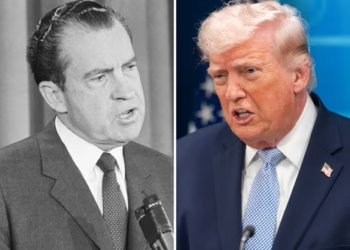 Trump Employs Nixon’s Madman Theory Amid Iran Crisis
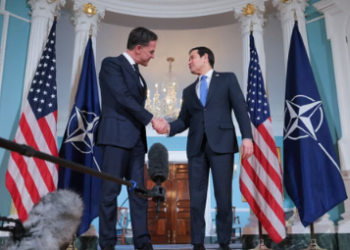 Trump Voices Frustration Over Nato Role in Iran Conflict
 Hungary election: Orbán faces biggest test amid scandal
 Suspected Plot Targets Pipeline Before Hungary Vote
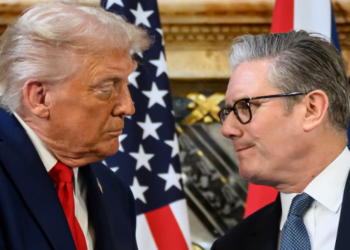 Trump Slams UK Ties and Threatens To Rewrite Trade Deal
 Southeast Asia Turns to Russia Amid Energy Crisis
 Capitalism ‘Suicidal’, Warns Petro at Climate Summit
 Judge halts deportation of Yemeni refugees in US
 Activists allege abuse after Gaza flotilla seizure
 Trump approval plunges amid Iran war fears
 Ohio’s Battle for Trust: Democrats Vying to Flip the Buckeye State
 US ‘Narco Boat’ Strikes Draw Global Outcry
 Ohio Primaries Set Stage for Crucial Midterms
 Afghan Families Left in Limbo Face Risk of Deportation
 Tensions Emerge in Netanyahu-Trump Alliance
 US Awaits Iran Reply on New Ceasefire Proposal
 Hormuz Talks Near Critical Stage
 Discontent grows around Putin amid war strain
 Starmer Leadership Under Pressure After Setbacks
 House Curbs Trump’s War Powers in Rare Rebellion
 Germany Summons Chinese Envoy Over Russian Troop Training
 New South Wales Premier Chris Minns Signals Tough Road Ahead for Labor
 Le Pen to Run for President Despite Embezzlement Conviction
 Ukraine Creates Long-Range Strike Command
 Le Pen’s Popularity Holds Despite Conviction
 Houthis Strike Saudi Arabia as Middle East Tensions Rise