Published: 17 March 2026. The English Chronicle Desk. The English Chronicle Online
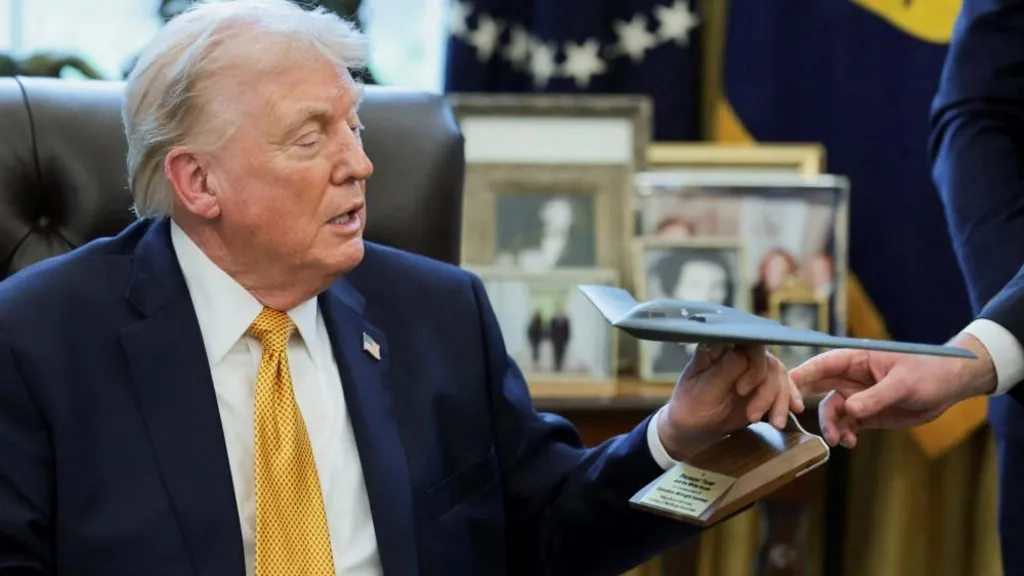
As tensions with Iran intensify, Donald Trump has projected unwavering confidence in the United States’ military and strategic position. Yet behind the assertive rhetoric, analysts warn that every available course of action carries significant geopolitical, military and economic risks.
In recent days, Trump has publicly downplayed Iran’s capabilities, even referring to the country as a “paper tiger” while claiming that US strikes have “obliterated” key military targets. At the same time, he has suggested that further military action remains an option, signalling a willingness to escalate if necessary.

However, developments on the ground suggest a far more complex reality. Intelligence assessments indicate that Iran has retained its core power structure despite sustained attacks, with the Islamic Revolutionary Guard Corps consolidating control and maintaining influence across the region. This resilience complicates any expectation of a quick or decisive resolution.
The strategic dilemma facing Washington is stark. Limited strikes — such as those targeting infrastructure like Kharg Island — can weaken Iran’s operational capacity but risk provoking retaliation without fundamentally altering the balance of power. Broader escalation, including sustained bombing campaigns or even ground operations, would significantly raise the stakes, potentially drawing the United States into a prolonged conflict in a volatile region.
Retaliation has already emerged as a central concern. Intelligence officials had reportedly warned that Iran could strike US allies across the Gulf or disrupt global oil flows by targeting the Strait of Hormuz — a scenario that has partially materialised, sending energy markets into turmoil. Such actions highlight Iran’s ability to impose indirect but substantial costs on the global economy, even when under military pressure.
Diplomacy, meanwhile, remains an uncertain path. Trump has alternated between signalling openness to negotiations and issuing threats of further military action, creating ambiguity about US objectives. Analysts argue that this dual approach may reduce the likelihood of meaningful talks, as Iranian leadership interprets mixed signals as strategic unpredictability rather than leverage.
Economic consequences further complicate decision-making. Oil prices have already surged amid fears of supply disruption, reflecting the central role of the Middle East in global energy markets. Any escalation risks amplifying inflationary pressures worldwide and destabilising economies far beyond the immediate conflict zone.
The core issue is not whether the United States has options — it clearly does — but whether any of them can achieve strategic goals without triggering unintended consequences. Limited action risks ineffectiveness, while decisive escalation risks entanglement in a broader regional war.

For now, Trump’s posture remains defined by confidence and assertiveness. But as the situation evolves, the constraints imposed by geopolitical realities suggest that every option — military, diplomatic or economic — carries its own set of trade-offs. The coming weeks will determine whether that confidence translates into a sustainable strategy or deepens an already volatile crisis.
Related News:
 Hopes and Fears as US Iranians Take to Streets After Toppling of Supreme Leader
 Iran, the US, and a World Cup That Starts in Three Months
 Trump’s Iran Endgame Unclear After Mixed Messaging on War Aims
 Rubio Responds to Reported Strike on Iranian School
 US Senate Backs Trump War Powers Amid Iran Missile Barrage
 UK Prepares Aircraft Carrier for Middle East Crisis
 Trump to Recheck Green Cards from 19 Nations After DC Attack
 Russia losses Ukraine war peace talks intensify amid rising deaths
 Trump Escalates Minnesota Immigration Surge Amid Rising Tensions
 Trump: US Stands Ready to Help Iran Find Freedom Amid Widespread Unrest
 Trump Administration Probe of Fed’s Powell Draws Pushback
 Trump Threatens Strong Action If Iran Executes Protesters
 Trump Receives Machado’s Nobel Medal in White House Meeting
 Greenland Crisis Forces Europe to Draw a Line With Trump
 Iran Cannot Be Bombed Into Democracy, Only Helped There
 Historic Abu Dhabi Talks Bring US, Ukraine and Russia Together
 Trump Pulls Canada from His Controversial ‘Board of Peace’ Plan
 EU Says US Ties Have Suffered ‘Big Blow’ After Greenland Crisis
 Thousands Protest ICE Operations in Nationwide US Day of Action
 Epstein Files Reveal Trump Officials’ Emails with Financier
 Trump Praises ‘Terrific’ Petro After White House Talks
 Fears of New Arms Race as US-Russia Nuclear Weapons Treaty Expires
 New Nuclear Talks Between US and Iran Begin in Geneva
 ‘He Did It for Us’: US Soldier Recalls Jesse Jackson’s Efforts to Free Him and Two Other POWs
 Stephen Colbert Says CBS Spiked Interview With Democrat Over FCC Fears
 US Urges Iran to Make Deal as Military Presence Rises
 Billionaire Les Wexner Tells US Lawmakers He Was ‘Naive’ and ‘Conned’ by Epstein
 Ukraine Negotiator Reveals What It Feels Like Facing Russia
 Mandelson Arrested Amid Political Turmoil as Ukraine Marks Four Years of Conflict
 Inside Kyiv’s resolve as conflict nears five‑year mark
 What to Watch for During Trump’s State of the Union Address
 ‘Anyone who runs is shot’: Russian soldiers describe killings of troops who refuse orders
 Ukraine remembers its dead as war enters a fifth year
 Clinton Testimony Erupts in Fiery Exchange
 American Citizen Killed in Cuba Boat Shooting, U.S. Officials Say
 Hillary Clinton Tells House Panel She ‘Had No Idea’ of Epstein’s Crimes
 Iran’s Regime Still Intact — Coming Days Will Test Its Survival
 Allies of US in the Gulf Bear Brunt of Iran Attacks
 Retaliations Continue on Day Two of US-Israel Attacks on Iran
 At Least 153 Dead After Reported Strike on School, Iran Says
 At Least 153 Dead After Reported Strike on School, Iran Says
 ‘It’s Eerie’ – Dubai on Edge as City Comes Under Attack
 BBC Reports from Beit Shemesh After Deadly Iranian Missile Strike
 Britain’s Position and Trump Vows to Press On in Iran Conflict
 Trump Faces Questions Over Iran Conflict Plan
 UK Will Allow US to Use Bases to Strike Iranian Missile Sites, PM Says
 Cooper: Joining US Strikes on Iran ‘Not in Britain’s Interest’
 Did Trump Declare War and Did Congress Approve Iran Attacks? What to Know
 Why the US and Israel attacked Iran
 Israel Launches Fresh Strikes on Tehran & Beirut; US Warns “Hardest Hits” Ahead
 Three Days In, This War’s End Is Still Unclear
 US Has ‘Enough Weapons for Forever War,’ Trump Says
 Israel Strikes Lebanon After Hezbollah Rocket Fire as Iran Conflict Widens
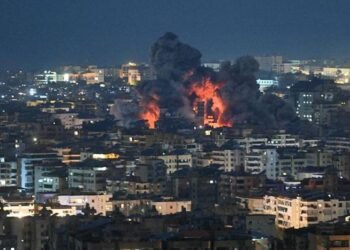 Israel’s New Airstrikes on Tehran & Beirut After US Embassy in Riyadh Is Hit
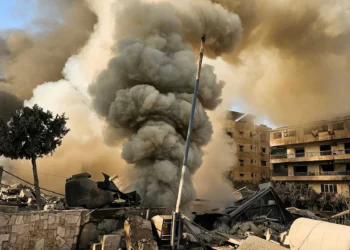 Israel Launches Ground Invasion of Lebanon Amid Widening Middle East War
 Iranian Rockets Are Testing the Resolve of Dubai’s Instagram Stars
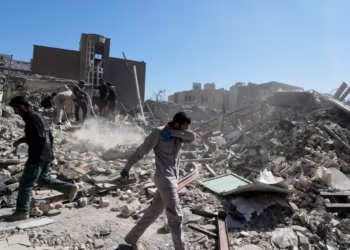 US Embassy in Riyadh Hit by Iranian Drones as Israeli Troops Enter Southern Lebanon
 US Strikes on Iran Triggered by Israel’s Plan to Launch Attack, Rubio Says
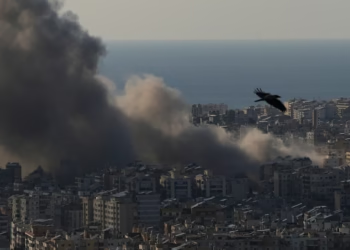 Sixth American Service Member Killed in Iran Operation as Conflict Intensifies
 Six US Soldiers Killed in Iran-Linked Kuwait Strike
 US Senate Vote Fails to Rein in Trump War Powers on Iran
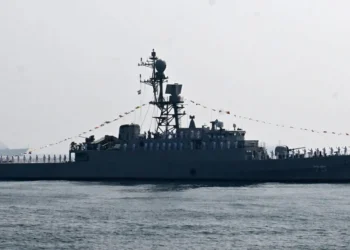 US Submarine Sinks Iranian Warship in Indian Ocean, Hegseth Says
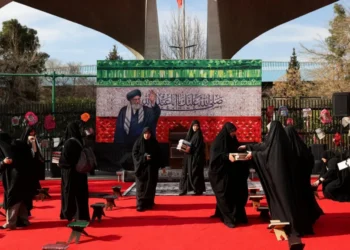 Iran Postpones Khamenei Funeral as US‑Israeli Bombardment Continues
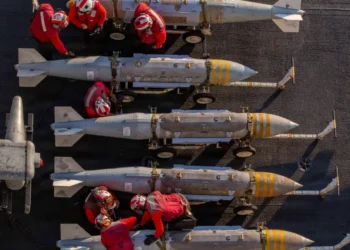 How Depleted Weapons Stockpiles Could Affect the Iran Conflict
 Iran Drones Hit Azerbaijan Airport as War Widens
 Trump Removes Kristi Noem From Homeland Security Role
 US and Venezuela Agree to Resume Diplomatic Ties After Maduro Capture
 Thousands Protest Iran Strikes Outside US Embassy London
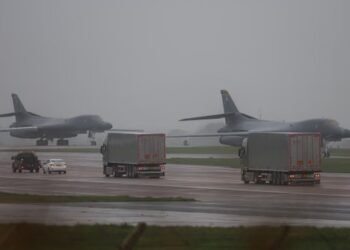 US Bombers Arrive at RAF Base Amid Rising Iran Tensions
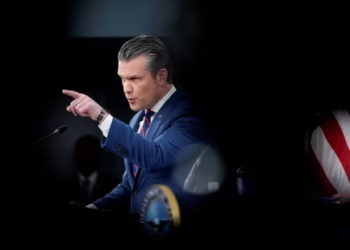 Pete Hegseth Iran War Remarks Spark Alarm
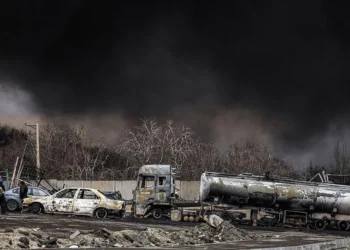 Nine Days of Strikes Reshape the Middle East
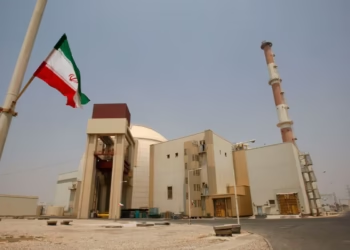 Putin Orders Evacuation at Iran Nuclear Plant Amid ‘Catastrophe’ Fears
 Iran War Puts Trump at Political Risk Amid Rising Prices
 Video Analysis Suggests US Missile Hit Base Near Iran School
 Iran Rejects Ceasefire, Warns Trump With Chilling Message
 Georgia Race to Replace Greene Heads to Runoff
 Middle East crisis live: Supreme leader ‘safe’, Iran and Israel escalate conflict
 Ukraine War Becomes Flashpoint in Hungarian Election
 Trump’s Call for an Iran Uprising Draws Historical Warning Over Iraq 1991
 Anti-Regime Iranians Turn Anger Toward Trump