Published: April 7, 2026. The English Chronicle Desk.
The English Chronicle Online — Global security and geopolitical flashpoints.
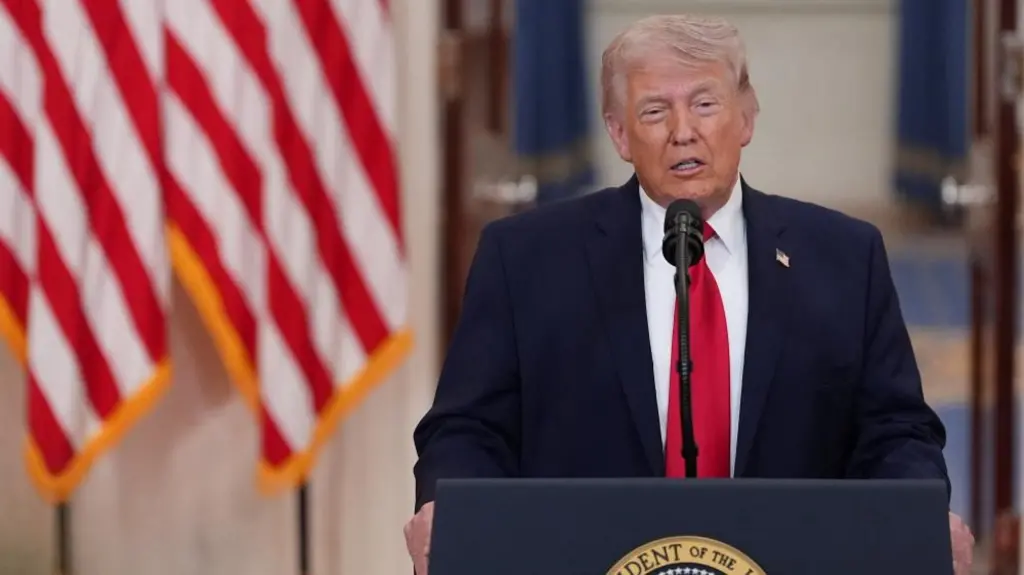
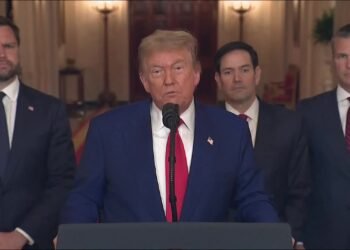
The specter of total regional war looms over the Middle East as U.S. President Donald Trump issued his most severe ultimatum to date, warning that the entire nation of Iran could be “taken out in one night” if a deal to reopen the Strait of Hormuz is not reached by Tuesday’s final deadline. Speaking from a crowded White House press conference on Monday afternoon, the President confirmed that the 8:00 p.m. ET deadline is non-negotiable, marking the end of a series of extensions that have kept the world on edge for weeks. The President’s rhetoric has shifted from targeted military objectives to a broader threat against the country’s entire civil and energy infrastructure, a move that has sent global oil prices soaring to $111 per barrel.

The current crisis, which escalated into open conflict between the U.S.-Israeli coalition and Iran in late February, has seen the “Operation Epic Fury” campaign dismantle much of Iran’s naval and missile capabilities. However, the President is now threatening a “complete demolition” of non-military targets, including every major power plant and bridge across the Islamic Republic. “We have a plan where every power plant in Iran will be out of business, burning, exploding, and never to be used again,” Trump told reporters, standing alongside Secretary of War Pete Hegseth and Chairman of the Joint Chiefs of Staff General Dan Caine. The administration argues that such a strike is necessary to break the “shipping blockade” in the Gulf, which has caused a 40% spike in American gasoline prices in just over a month.
Diplomatic efforts, largely mediated through Pakistan, Egypt, and Turkey, appear to be at a critical impasse. While President Trump acknowledged that Tehran had submitted a “significant proposal,” he dismissed the 10-point plan as “not good enough” because it demanded a permanent end to hostilities and the removal of all sanctions rather than the immediate, temporary ceasefire the U.S. is demanding. Iranian officials have remained defiant, with Foreign Ministry spokesperson Esmaeil Baghaei stating that peace negotiations are “incompatible with ultimatums and threats to commit war crimes.” Despite this, Trump maintains that certain elements within the Iranian leadership are “negotiating in good faith,” suggesting a deep rift may be forming within the regime’s own halls of power.
The humanitarian and legal implications of the President’s “one night” threat have sparked international outcry. United Nations officials and human rights organizations have warned that targeting civilian power grids and transport networks constitutes a violation of the Geneva Conventions, potentially leading to “excessive incidental civilian harm.” When questioned about these legalities, the President dismissed the concerns, characterizing the Iranian government as “animals” and suggesting that the Iranian people are “willing to suffer” the destruction of their infrastructure if it leads to the eventual collapse of the current regime. Secretary Hegseth reinforced this stance, promising that Tuesday’s planned barrage would be the largest since the conflict began.

As the 8:00 p.m. deadline approaches, the global community is bracing for the potential fallout of a massive escalation. Markets remain extremely volatile, and U.S. allies in Europe and the Pacific have expressed growing unease with the unilateral nature of the American ultimatum. For the 93 million residents of Iran, the next 24 hours represent a terrifying precipice between a fragile, negotiated peace and a night of unprecedented fire. Whether the President’s deadline is a final coercive tactic or the prelude to a total “demolition” of the Iranian state remains the most pressing question of the year.
Related News:
 Ukraine Negotiator Reveals What It Feels Like Facing Russia
 Mandelson Arrested Amid Political Turmoil as Ukraine Marks Four Years of Conflict
 ‘Anyone who runs is shot’: Russian soldiers describe killings of troops who refuse orders
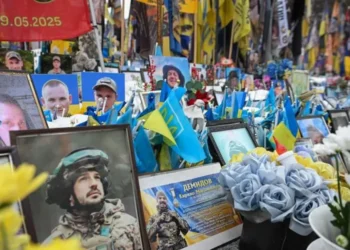 Ukraine remembers its dead as war enters a fifth year
 Israel and Hezbollah Exchange Fire as Conflict Worsens
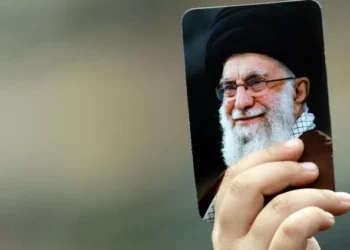 Iran’s Regime Still Intact — Coming Days Will Test Its Survival
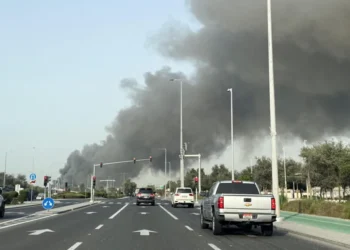 Allies of US in the Gulf Bear Brunt of Iran Attacks
 Hopes and Fears as US Iranians Take to Streets After Toppling of Supreme Leader
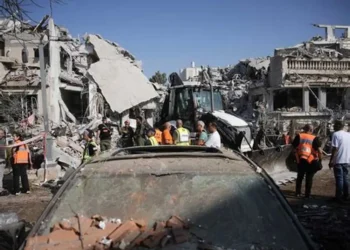 Retaliations Continue on Day Two of US-Israel Attacks on Iran
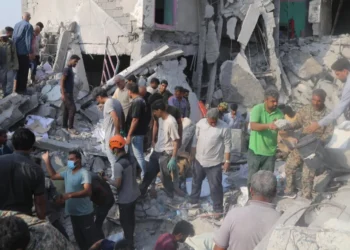 At Least 153 Dead After Reported Strike on School, Iran Says
 At Least 153 Dead After Reported Strike on School, Iran Says
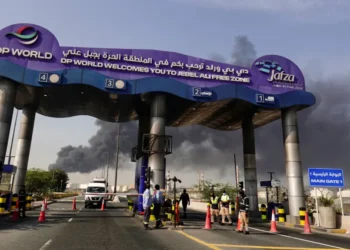 ‘It’s Eerie’ – Dubai on Edge as City Comes Under Attack
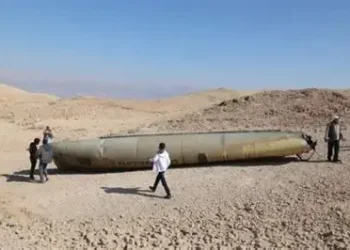 BBC Reports from Beit Shemesh After Deadly Iranian Missile Strike
 Iran, the US, and a World Cup That Starts in Three Months
 UK Will Allow US to Use Bases to Strike Iranian Missile Sites, PM Says
 Cooper: Joining US Strikes on Iran ‘Not in Britain’s Interest’
 Trump’s Iran Endgame Unclear After Mixed Messaging on War Aims
 Rubio Responds to Reported Strike on Iranian School
 Scots Caught Up in Middle East Crisis ‘Just Waiting for the Next Explosion’
 Why the US and Israel attacked Iran
 Israel Launches Fresh Strikes on Tehran & Beirut; US Warns “Hardest Hits” Ahead
 Three Days In, This War’s End Is Still Unclear
 US Has ‘Enough Weapons for Forever War,’ Trump Says
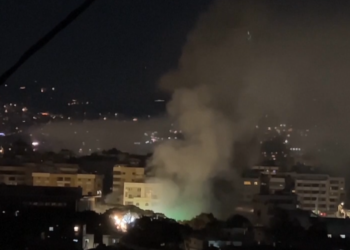 Israel Strikes Lebanon After Hezbollah Rocket Fire as Iran Conflict Widens
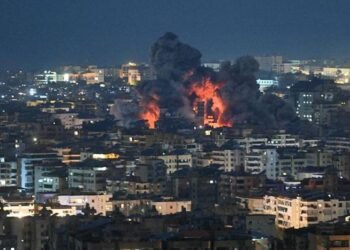 Israel’s New Airstrikes on Tehran & Beirut After US Embassy in Riyadh Is Hit
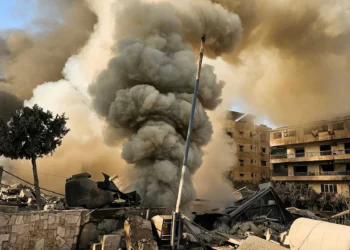 Israel Launches Ground Invasion of Lebanon Amid Widening Middle East War
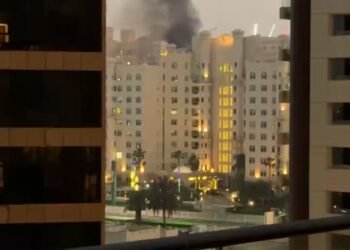 Iranian Rockets Are Testing the Resolve of Dubai’s Instagram Stars
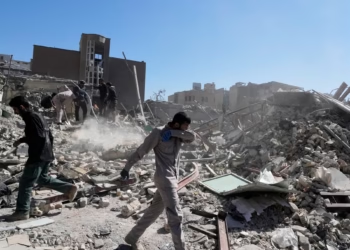 US Embassy in Riyadh Hit by Iranian Drones as Israeli Troops Enter Southern Lebanon
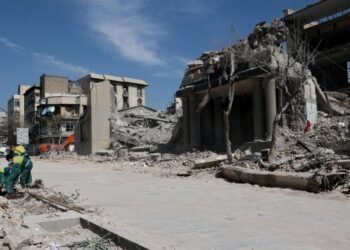 US Senate Backs Trump War Powers Amid Iran Missile Barrage
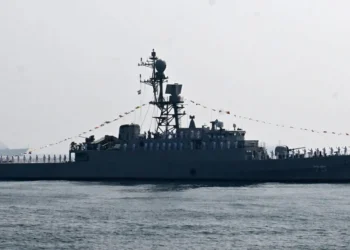 US Submarine Sinks Iranian Warship in Indian Ocean, Hegseth Says
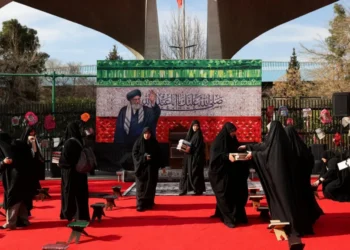 Iran Postpones Khamenei Funeral as US‑Israeli Bombardment Continues
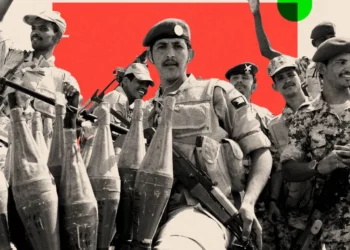 The Devastating Conflict Where Both Sides Have Reasons to Keep Fighting
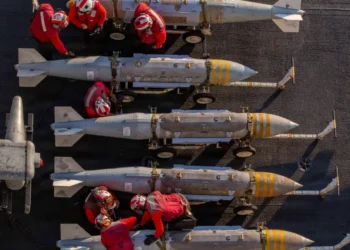 How Depleted Weapons Stockpiles Could Affect the Iran Conflict
 Iran Drones Hit Azerbaijan Airport as War Widens
 UK Prepares Aircraft Carrier for Middle East Crisis
 Nine Days of Strikes Reshape the Middle East
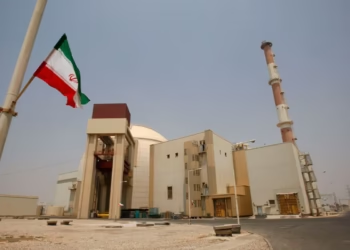 Putin Orders Evacuation at Iran Nuclear Plant Amid ‘Catastrophe’ Fears
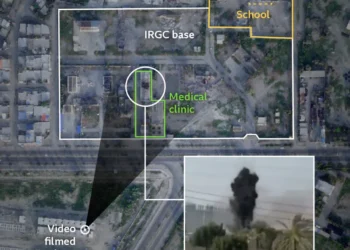 Video Analysis Suggests US Missile Hit Base Near Iran School
 Middle East crisis live: Supreme leader ‘safe’, Iran and Israel escalate conflict
 Ukraine War Becomes Flashpoint in Hungarian Election
 Trump’s Call for an Iran Uprising Draws Historical Warning Over Iraq 1991
 Anti-Regime Iranians Turn Anger Toward Trump
 Pakistan Denies Air Strike on Afghanistan Hospital That ‘Killed 400 People’
 Trump’s Confidence Undimmed — But Every Iran Option Carries Risk
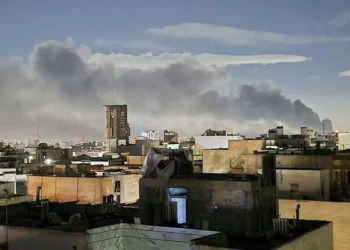 Iran Says Intelligence Chief Killed in US-Israeli Strike as Trump Threatens ‘Hell’ Without Deal
 UK Must Act with Courage and Clarity on Israel-Palestine Conflict, Says Foreign Affairs Committee Report
 Radioactive Leak at UK’s Nuclear Warhead Base Sparks Outcry Over Safety and Secrecy
 Yvette Cooper Signals Global Momentum Towards Gaza Peace Deal Amid Humanitarian Crisis
 Russia’s Latest Push to Win US Favors Shows Deep Desperation
 BBC to Apologise Over Edited Trump Speech Amid Backlash
 Britain deploys RAF specialists to assist Belgium with drone threats
 Trump Urges Herzog to Grant Netanyahu Full Pardon
 Indian authorities demolish Kashmir home linked to Red Fort blast
 Greene Pushes Epstein Files Amid Trump Fallout
 December Run-Off in Chile as Election Produces No Winner
 Shadow Fleet at Sea: Europe’s Battle Against Illicit Oil Shipping
 India’s COP30 Delay Raises Global Climate Concerns
 Georgians Defy Government Crackdown After Year of Protests
 EU Says US Ties Have Suffered ‘Big Blow’ After Greenland Crisis
 Australian Families Leave Syrian Camp for Home
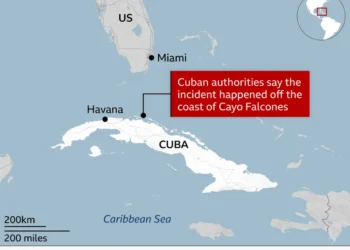 American Citizen Killed in Cuba Boat Shooting, U.S. Officials Say
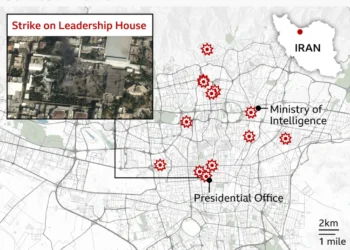 In Maps: Strikes Across Iran and the Middle East
 The Third Day of the US‑Israeli War With Iran
 Herzog Asio meeting sparks security storm
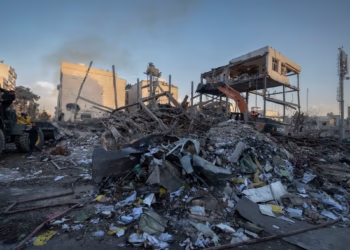 Civilian Deaths in Iran Pass 700 Amid Fear of Bombs and Regime Clampdown
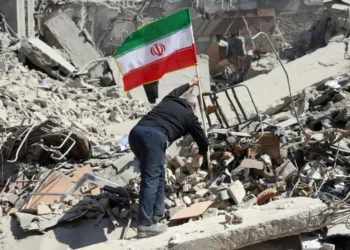 ‘Every Day Feels Like a Month’: Iranians Describe Life Under ‘Constant’ US‑Israeli Strikes
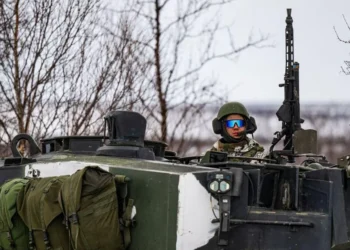 Finland Plans to Lift Decades‑Old Ban on Hosting Nuclear Weapons
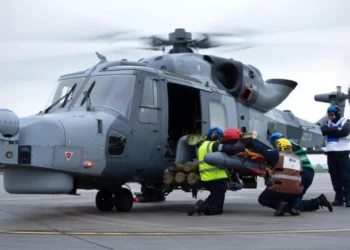 Minister Meets Crews Who Will ‘Take Out’ Iranian Drones
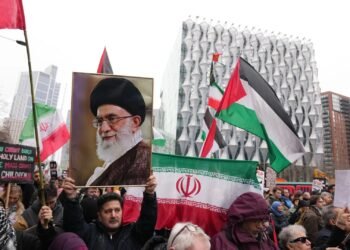 Thousands Protest Iran Strikes Outside US Embassy London
 Trump Pressures Congress Over Save America Act
 Iran War Puts Trump at Political Risk Amid Rising Prices
 Queensland Protest Laws Spark Free Speech Backlash
 Trump Nato threats expose Iran strategy vacuum
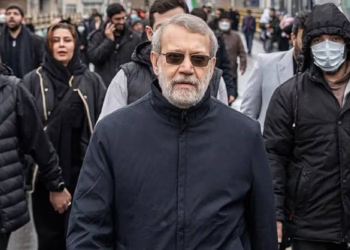 Israel Says Iran Security Chief Larijani ‘Killed’
 Trump Facing Backlash from Epstein Survivors Over Files
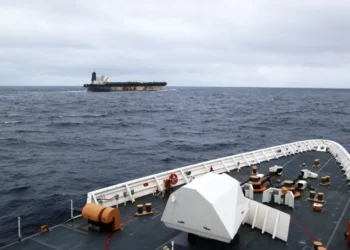 UK Forces Ready to Seize Russian Shadow Fleet Vessels
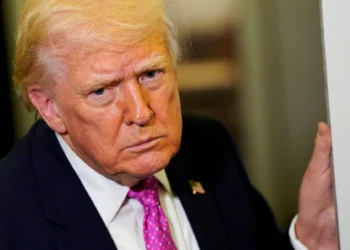 Trump Considers Military Operation to Seize Iran’s Uranium
 Report Says Pezzullo Acted ‘Recklessly’ in Dealings
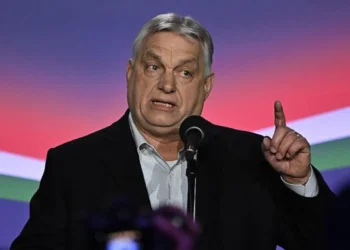 Hungary Claims Plot to Target Gas Pipeline Pre-Vote
 Oil and Diplomacy: Russian Refineries Burn as Zelenskyy Secures Middle East Shield