Published: 07 April 2026. The English Chronicle Desk. The English Chronicle Online.
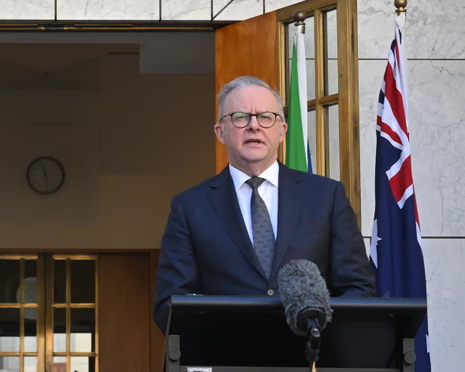
The Australian Prime Minister Anthony Albanese has officially decided to bring forward his vital diplomatic visit to Singapore. This strategic move aims to protect the nation from the rising threat of global fuel shortages. Singapore remains the single largest source of petrol for the entire Australian continent at this time. The government is currently mounting an urgent international bid to keep local fuel prices from climbing. Recent data shows that diesel is getting more expensive again across most major Australian cities. Furthermore, petrol prices have completely stopped falling despite the federal government cutting the fuel excise. This trip represents a critical attempt to stabilize a very volatile energy market for citizens.
It has not been confirmed if the visit will directly secure additional fuel supplies. However, the Prime Minister stated that energy security would be the primary agenda items. The government is currently scouring the global market for extra shipments of diesel and petrol. Albanese emphasized that these discussions are essential for securing ongoing trade in vital energy resources. He noted that the timing of the trip was shifted to address immediate regional concerns. This decision follows a joint statement made last month with his Singaporean counterpart Lawrence Wong. Both nations have committed to keeping fuel flowing between their respective borders during this crisis. They are also working together to strengthen the resilience of the global energy supply chain.

The Prime Minister highlighted the deep strategic trust that exists between Australia and Singapore. He expressed shared concern over the escalating situation currently unfolding in the Middle East region. These geopolitical tensions have significant consequences for the economic stability of both of these nations. Albanese argued that Australia does not need to wait for this crisis to end. Instead, the government must build more resilience into the domestic energy system starting right now. He reassured the public that the nation is currently in a very secure position. Engaging with international partners remains a vital part of keeping the local fuel supply flowing. These diplomatic efforts are intended to prevent a total shutdown of the transport industry.
Fuel shipment prices have remained at historic highs in the five largest Australian capital cities. Wholesale unleaded prices finally stopped their downward trend on Tuesday morning according to recent reports. This follows a period where prices dropped by about forty cents per litre since March. The government previously implemented a thirty-two cent cut to the federal fuel excise last week. Retailers had initially passed on these savings to motorists at the pump in late March. However, flat wholesale prices will now make further price falls almost impossible for most retailers. Many fuel companies would have to sacrifice their profit margins to lower the prices further. This economic reality is causing significant stress for households and small businesses across the country.
Diesel prices have unfortunately risen for both fuel companies and everyday Australian motorists this week. Terminal prices are now ten cents a litre higher after a very brief reprieve. This increase comes as global tensions continue to put pressure on the refined oil market. US President Donald Trump recently reiterated threats to target various pieces of Iranian civilian infrastructure. These targets include essential bridges and power stations if current ceasefire negotiations fail to progress. There is also a major focus on reopening the strategic Strait of Hormuz very soon. This waterway is considered a key global oil shipping route for many developed Western nations. Any disruption there could lead to a catastrophic spike in global energy prices worldwide.
President Trump also repeated his criticisms of various international organizations including the powerful Nato alliance. He specifically singled out Australia and several other nations for their lack of direct support. The President claimed that these countries have not helped the United States at all recently. He also mentioned South Korea and Japan as nations that have supposedly failed to assist. These comments add another layer of complexity to the already strained international diplomatic landscape today. Australia must navigate these political waters while also securing its own physical energy requirements abroad. The Prime Minister is facing pressure to maintain strong ties with both Washington and Singapore. This balancing act is becoming increasingly difficult as the global situation continues to deteriorate.
Federal Energy Minister Chris Bowen provided an update on the current state of petrol stations. He noted that only a small percentage of outlets have actually run out of diesel. Roughly three percent of stations nationwide reported being empty as of late Tuesday afternoon. New South Wales has seen the most significant impact with over one hundred outlets affected. Other states like Victoria and Queensland are also reporting smaller numbers of fuel supply outages. There were deep fears that the busy Easter holiday period would lead to chaos. Increased demand from holiday travellers could have easily broken the fragile domestic supply chain. However, the government believes that its recent public appeals have helped to manage demand.
Prime Minister Albanese recently gave a televised address asking Australians to consider their fuel usage. He suggested that people should take public transport where possible to save on national stocks. The Prime Minister expressed his sincere gratitude to the public for their cooperation over Easter. He recognized the efforts of citizens to conserve fuel while still getting on with life. Very few cancellations were reported during the long weekend which was a very positive sign. This collective effort has allowed the government more time to secure new international shipping deals. The Prime Minister believes that this spirit of cooperation is essential for national security right now. Australians have shown they can adapt when faced with these kinds of global challenges.
Minister Bowen also announced that Australia’s fuel stock levels have remained relatively static this week. The nation currently holds thirty-nine days of petrol and thirty days of refined jet fuel. There is also a twenty-nine day supply of diesel currently held in national strategic stockpiles. Despite these reserves, the government is actively looking to secure even further supplies very quickly. The ongoing conflict in the Middle East makes these stockpiles seem quite vulnerable to experts. Any prolonged disruption to shipping routes could exhaust these reserves faster than many people realize. Therefore, the mission to Singapore is seen as a proactive step to prevent disaster. The government wants to ensure that the country is prepared for the worst-case scenario.
Opposition Leader Angus Taylor has demanded that the government provide more transparency regarding supply chains. He wants daily information on ships arriving in Australia and domestic production levels published regularly. Taylor also called for a commitment to drilling for more oil within Australian territory immediately. He believes that the country must make the most of its own natural resources. A longer-term plan is needed to ensure that this kind of crisis never happens again. The opposition argues that domestic drilling is the only way to achieve true energy independence. They believe the current reliance on international shipments is a major strategic weakness for Australia. This debate over domestic versus imported fuel is likely to intensify in coming months.

The Prime Minister’s statement with Lawrence Wong reaffirmed the strong energy trade between their nations. Singapore is a vital partner, accounting for over half of all Australian petrol imports. It also provides a significant portion of the country’s diesel and jet fuel every year. There is a growing concern that nations may soon prioritize their own domestic consumption. Malaysia has already indicated that its government will prioritize its own internal energy needs first. Such protectionist policies could lead to a massive shortage in the wider Asia-Pacific region soon. This is why securing a firm commitment from Singapore is so important for Albanese. He needs to ensure that Australia remains a priority customer for refined fuel products.
Minister Bowen confirmed that fuel companies have supply contracts that last well into the month. He also noted that the government is using new powers to underwrite fuel shipments. Deals are currently being made to bring more tankers to Australian shores as quickly possible. More announcements regarding these shipments are expected to be made in the coming few days. The government remains hopeful that these measures will prevent any major fuel shortages this winter. Motorists are encouraged to stay informed and continue using fuel as efficiently as they can. The upcoming trip to Singapore will be a defining moment for this administration’s energy policy. Success abroad could mean stability at home for millions of working Australian families today.
Related News:
 Canada-China trade gains momentum in new strategic partnership
 India-EU Free Trade Deal Marks Historic Economic Shift
 Keir Starmer meets Xi to strengthen UK-China economic relations
 UK Experts Raise Alarm Over Machinery Export to Armenian Firm
 Caffè Nero Warns Coffee Prices May Rise Again
 Abramovich Chelsea Sale Cash Faces Jersey Probe
 Stocks rise as Trump offers Iran peace plan
 US Military Weighs Perilous Moves to Reopen Hormuz
 IMF Predicts Global Economic Crisis Due to Gulf Unrest
 Manila Transport Crisis: Fuel Costs Hit Breaking Point
 Trump Slams Europe as Transatlantic Tensions Boil Over
 Trump Issues Stark Warning After Strike On Iran’s Largest Bridge
 Middle East Conflict Sparks Global Food Price Surge
 US and Iran Agree to Two-Week Provisional Ceasefire
 Norwegian Group Eyes South Yorkshire Steel Revival
 Ian Katz to Step Down as Channel 4 Content Chief
 Middle East Conflict Risks UK Food Supply Chains This Summer
 Cost of Conflict: UN Warns of Lost Lives in Iran War
 BP Profits Surge Amidst Middle East Conflict Crisis
 Ukraine Urges UK to Seize Russian Oil Tankers
 US Calls Australia Media Law “Foreign Extortion”
 Oil Prices Surge Above $120 Amid Iran Blockade Fears
 Europe’s AI Sector Faces Sovereignty Crisis Over US Deals
 Trump Offers EU Independence Day Deadline For Trade Deal
 US Cities See 42% Drop in Canadian Visits Under Trump 2.0
 High Stakes in Beijing as Trump and Xi Meet Amid Global Turmoil
 Trump and Xi Convene in Beijing for Historic High-Stakes Summit
 Big Tobacco Under Fire Over Controversial New Ad Campaign
 Rubles and Resilience: How Russia-China Border Towns Thrive
 UK Urged to Build EU Rejoin Consensus, Says Miliband
 Cash Registers Stall Japan’s Promised Food Tax Relief
 Trump Floats Fresh Tariffs on 60 Nations Over Forced Labour
 The Exploding Australian Black Market For Nicotine
 Japan Suffers Plastic Shortage Due to Middle East Crisis
 Steel Tensions Rise Between United Kingdom and European Union
 New York Consumer Watchdog Tackles Corporate Lawbreaking
 Levi’s Sues Globe Over Infringing Pocket Tabs
 BYD Aims for Global Car Supremacy Within Five Years
 Trump Signs Historic Iran Peace Plan to Avert Depression
 Gas Prices Fall Below $4 Following US-Iran Peace Deal
 Remote Mine Sites Face Deep Culture Crisis
 EU Slashes Steel Quotas But Grants UK Favourable Rates
 Inflation Eases to 3.5% Amid Fragile US-Iran Tensions
 Reeves Faces Setback as Labour May Miss Homes Target
 Trump’s UK Ambassador Urges North Sea Drilling to Strengthen US Ties
 Millionaires group urge Reeves to introduce wealth tax to ‘lift kids out of poverty’
 Starmer Says Labour’s Economic Plan Needs Years to Deliver
 Starmer Faces Parliamentary Battles Over UK-EU ‘Reset’ Plan
 Friedman Uninvited From 2024 Adelaide Writers’ Week
 ScottishPower Tops List of Worst UK Energy Suppliers
 UK Unemployment Rate Climbs to 5.2% Peak
 New Zealand Covid Response Praised Despite Lingering Scars
 Rising Costs Force Families to Rethink Days Out
 Reform UK Pledges To Halt Visas Over Reparations Demands
 Trump and Tehran Find Common Ground in Landmark Ceasefire
 Own an Entire Australian Town for the Price of a UK Flat
 Melania Trump Denies Ties to Epstein and Ghislaine Maxwell
 Stefano Gabbana Resigns as Chair of Italian Luxury Giant
 Rolls-Royce SMR Secures £600m Boost for Nuclear Future
 Kyiv and Odesa Mourn After Deadly Wave of Russian Strikes
 US Forces Seize Iranian Ship Near Hormuz Blockade
 Investigation: Offshore Loans and Sanctions
 Cross-Border Crisis Shatters Fragile Afghan Peace
 Tough Fiscal Realities Await Next Scottish Government
 The Burning Lens: An Iranian Artist’s Visual Resistance
 One Nation Candidate’s Surprising Ties to Independents
 Aramco Surges as East-West Pipeline Counters Gulf Tensions
 Scepticism and tight security as Beijing braces for Trump
 UK Firms Freeze Spending as Iran Conflict Bites
 Reeves to Fast-Track Clean Energy Amid Iran Crisis
 Tony Abbott Returns as New Liberal Party President
 Tube Strike Brings Capital to a Standstill Over Shift Disputes
 Teaching Machines Right From Wrong in the Digital Age
 Trump Urged to Condemn UFC Fighter Over Obama Slurs
 US Military Pacific Boat Strike Kills Three People
 Sainsbury’s Boss Optimistic As Grocery Inflation Eases
 Trump’s Mount Rushmore Speech: A Divisive Anniversary
 Trump Swaps Planes Amid Iran Tensions
 Yemen Accuses Iran of Violating National Sovereignty
 Houthis Strike Saudi Arabia as Middle East Tensions Rise