Published: April 9, 2026. The English Chronicle Desk.
The English Chronicle Online — Documenting the frontline of the agricultural cost-of-living crisis.
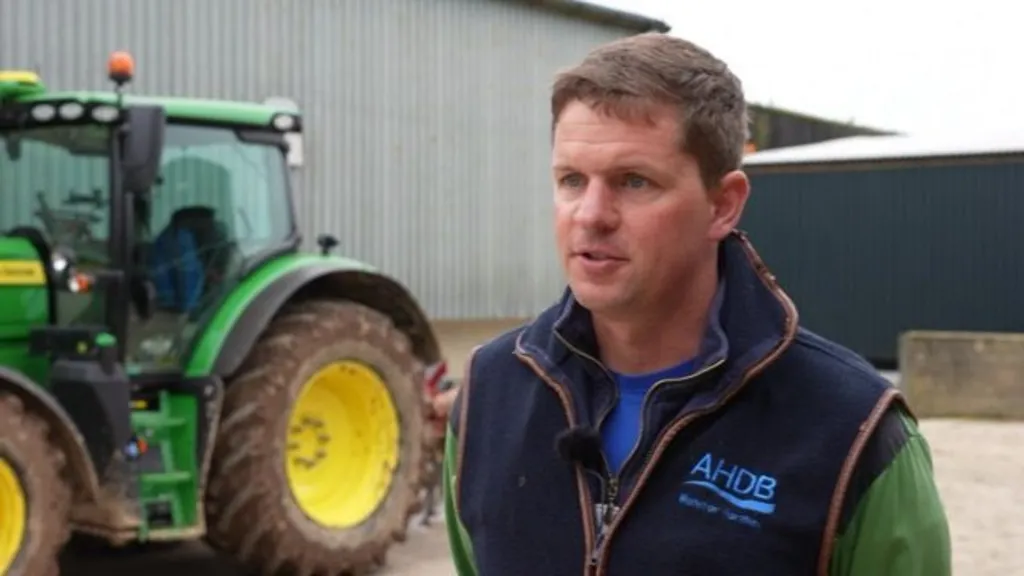
DUBLIN / LONDON / ARKANSAS — The rhythm of the rural world has been replaced by the roar of diesel engines as “stressed and struggling” farmers across the UK, Ireland, and the US Midwest launch a coordinated wave of protests. From tractor convoys paralyzing Dublin’s O’Connell Street to calls for federal moratoriums in the United States, the message to governments is “unfiltered”: the 2026 energy spike triggered by the Iran War has pushed the agricultural sector to a “seismic” breaking point. Farmers are now demanding immediate, radical cuts to fuel taxes and carbon levies, warning that without a “system update” to agricultural support, the “market shock” on supermarket shelves will be permanent.

In Ireland, the protests have entered their third day, with “green diesel” being described by farm leaders as the “blood of the economy” currently being “strangled” by taxation. In the UK, while the government has extended a temporary 5p-per-liter fuel duty cut until August 2026, the National Farmers’ Union (NFU) argues this is a “bum note” that fails to address the 60% spike in red diesel prices—which skyrocketed from 67p to over 135p per liter in just one month.
For the “Iron Horse” of the farm—the tractor—fuel isn’t a luxury; it’s a non-negotiable input.
-
The Price Surge: In the UK, red diesel (rebated fuel for off-road use) has seen a “tectonic” price increase due to tight supplies and the Middle East conflict. Because the tax on red diesel is already low (roughly 10p), the wholesale price makes up a larger portion of the retail cost, making farmers more vulnerable to “seismic” market swings.
-
The ‘Road-Use’ Penalty: In the US, Arkansas Senator Tom Cotton has urged a moratorium on “on-road” penalties for red diesel. Currently, farmers using tax-exempt fuel in their fields face massive fines the moment they drive onto a public road to haul grain—a “logistical friction” that critics say is “kneeling on the throats” of family farms.
-
Input Imbalance: The gap between what it costs to grow a crop and the price received at market hit a 10-year high in early 2026. Row crop producers are reportedly losing “hundreds of dollars per acre” as fuel and fertilizer costs outpace inflation.
The “human-centered” cost of the crisis is perhaps the most concerning. Mental health charities in rural areas have reported a “seismic” increase in calls from farmers who feel “trapped” by debt and rising costs.
-
The ‘Family Farm Tax’ Anxiety: In the UK, the battle over fuel is overlapping with a “holding pattern” of anger over inheritance tax reforms (the “Family Farm Tax”). Although the government raised the threshold to £2.5m in a December climbdown, the cumulative pressure of taxes has created a sense of “institutional betrayal.“
-
Food Security vs. Net Zero: A “friction” point has emerged between environmental goals and food security. Farmers are calling for a suspension of carbon taxes on agricultural fuel, arguing that “a nation that cannot feed itself cannot defend itself.“

While Taoiseach Micheál Martin and UK ministers have held “high-level” meetings to discuss the challenges, the “unprecedented” nature of the global oil chokepoint means there are no easy fixes. Farmers have warned that if the 14-day ceasefire in the Middle East doesn’t lead to a “toll-free” reopening of the Strait of Hormuz, the “seismic” protests will only escalate.
“We are the backbone of this country,” said one farmer on the Dublin picket line. “But even a backbone can snap under enough weight.” As the 2026 spring planting season begins, the world is watching to see if governments will offer a “life-raft” of tax cuts or if the “Life & Society” of the countryside will face a permanent “de-industrialization.“
Related News:
 David Lammy Faces Possible Legal Challenge Over Foreign Office Secondment Scheme
 Grant Shapps Cleared to Join Defence Startup Despite Ethical Concerns
 Chancellor Rachel Reeves Pushes for Sweeping Changes to Environmental Protections to Accelerate Development
 Scotland Bans Arms Firms Supplying IDF from Receiving Financial Support
 Starmer Urged to Champion Workers’ Rights Amid Low Public Awareness
 Rachel Reeves Hosts Top UK and US Financial Executives as Trump’s State Visit Begins
 Donald Trump’s UK State Visit Kicks Off Amid Major Tech Investments and Business Engagements
 Farage’s Reform UK Receives £100,000 from Design Firm with Past Tax Issues
 King Charles Earns Over £1 Million from Duchy Land Linked to Scrapped HS2 Project
 Gatwick Secures Approval for £2.2bn Second Runway Expansion
 Senior Tories Condemn Badenoch’s Vow to Repeal Climate Change Act as Catastrophic
 Labour Faces Budget Dilemma as Reeves Urged to Break Manifesto Promises
 Kemi Badenoch Unveils ‘Golden Rule’ to Halve Spending Cuts for Deficit Reduction at Tory Conference
 Richard Tice’s Business Record Contrasts with His ‘Net Stupid Zero’ Criticism
 UK Labour Market Shows Signs of Stabilising After Job Losses
Rachel Reeves urged to consider welfare cuts to boost fiscal credibility
UK Labour Market Shows Signs of Stabilising After Job Losses
Rachel Reeves urged to consider welfare cuts to boost fiscal credibility
 Lucy Powell urged ministers to reconsider costly legal case for Labour donor’s firm
 Miliband Promises New Nuclear Stations if SNP Ousted
 Rachel Reeves to lead UK trade push in Saudi Arabia amid rights debate
 Trump’s UK Ambassador Urges North Sea Drilling to Strengthen US Ties
 Rachel Reeves Set to Break Labour Pledge and Raise Income Tax
 Thinktanks Urge Rachel Reeves to Reform UK Tax System
 Company linked to Michelle Mone owes £39m in tax
MPs Press Rachel Reeves to Hike Gambling Taxes
Company linked to Michelle Mone owes £39m in tax
MPs Press Rachel Reeves to Hike Gambling Taxes
 Cuts to home insulation funding threaten UK climate goals
 Millionaires group urge Reeves to introduce wealth tax to ‘lift kids out of poverty’
 PM Highlights UK Business at G20 in South Africa
 English Mayors Set to Introduce Tourist Taxes
 Starmer Says Labour’s Economic Plan Needs Years to Deliver
 Top Senate Republican Says Federal Probe of Powell Could Challenge Fed Nominees
 Trump Administration Probe of Fed’s Powell Draws Pushback
 Government Unveils Northern Powerhouse Rail Plans
 China Dependence Threatens UK Energy Supply Chains and Jobs
 MPs warn AI financial risks threaten UK stability
 MPs warn AI financial risks threaten UK stability
 Trump Fed bid heads to Supreme Court
 UK Government Borrowing Drops to £11.6bn in December
 Trump Pulls Canada from His Controversial ‘Board of Peace’ Plan
 Labour Must Revive High Streets to Avoid Election Collapse
 Barclays drops Global Counsel after Mandelson link scrutiny
 Could Manchester Lead the UK’s Economic Revival?
 Robert Jenrick to Be Unveiled as Reform UK’s Treasury Spokesman, Reports Say
 UK shelves £110m border project amid trade strain
 Reform Plans to Keep UK’s Budget Watchdog in Office
 Tories Call for Rethink of Parliament Revamp Plans
 Jenrick: I’ll Back OBR but There’ll Be No More Cosy Consensus
 Another U-turn Ahead as Labour Reconsiders Youth Minimum Wage
 Sanders Condemns Billionaire ‘Greed’ in California Tax Debate
 UK Sees Record £30.4bn Budget Surplus, Boosting Reeves’ Position
 Fury as Jobless-Migrant Households Receive Benefits Worth £10bn – ‘We Need to End This’
 California Democrats Vow Trump Reckoning
 US Will Not Back Out of Tariff Deals with UK and Others, Says Trump Trade Representative
 SNP Charging £750 per Ticket for Business Event Featuring ‘Beer and Blether’ with Stephen Flynn
 Ministers Urged to Ban Crypto Political Donations
 Reeves Must Back Defence Plan or Face Dismissal, Says Unite Chief
 OBR Reform Row Deepens Before Spring Forecast
 Britain’s Position and Trump Vows to Press On in Iran Conflict
 Labour’s Employment Shake‑Up ‘Makes Britain Worse Than France’
 Minister Visits Leonardo After £1bn Deal Secured
 Thousands Protest Iran Strikes Outside US Embassy London
 US Bombers Arrive at RAF Base Amid Rising Iran Tensions
 UK Prepares Aircraft Carrier for Middle East Crisis
 Reeves Faces Triple Threat as Markets Reel From Global Turmoil
 Cost of Living Crisis Returns to Centre Stage
 Iran Rejects Ceasefire, Warns Trump With Chilling Message
 UK Fuel Tax Hike Plan to Be Kept Under Review Over Iran Conflict
 Fox News Cut In Over Trump King Charles Claim
 UK Doubles Steel Tariffs to 50% to Protect Domestic Plants
 Starmer Adviser Urges New Profit Cap on Energy Firms
 Trump Faces New Warning Signs as Iran War Hits Home
 Starmer Launches Labour Local Election Campaign Under Shadow of ‘Bloodbath’ Predictions
 The 8 Million Dilemma: Why Britain’s Disability Safety Net is Facing a ‘2026 Reckoning’
 The ‘Peterborough Windfall’: Council Calculator Finds £84,800 in Unclaimed Support
 Can Congress Stop US Sports Teams From Moving Cities?
 Fuel Duty Relief Plea Amid Middle East Oil Crisis
 Can King Charles Calm Trump on Key US Visit?
 ‘A Hammer to the Strategic Heart’: Manufacturers Face £940m Surge in Business Rates
 Diplomatic Sprint: Starmer Heads to the Gulf as 14-Day Truce Holds
 Tectonic Tension: Trump Blasts NATO Costs as Rutte Admits to ‘Very Frank’ Exchange
 Global Commerce Crisis: Cooper Demands Immediate, Toll-Free Access to Hormuz