Published: 09 August 2025. The English Chronicle Desk
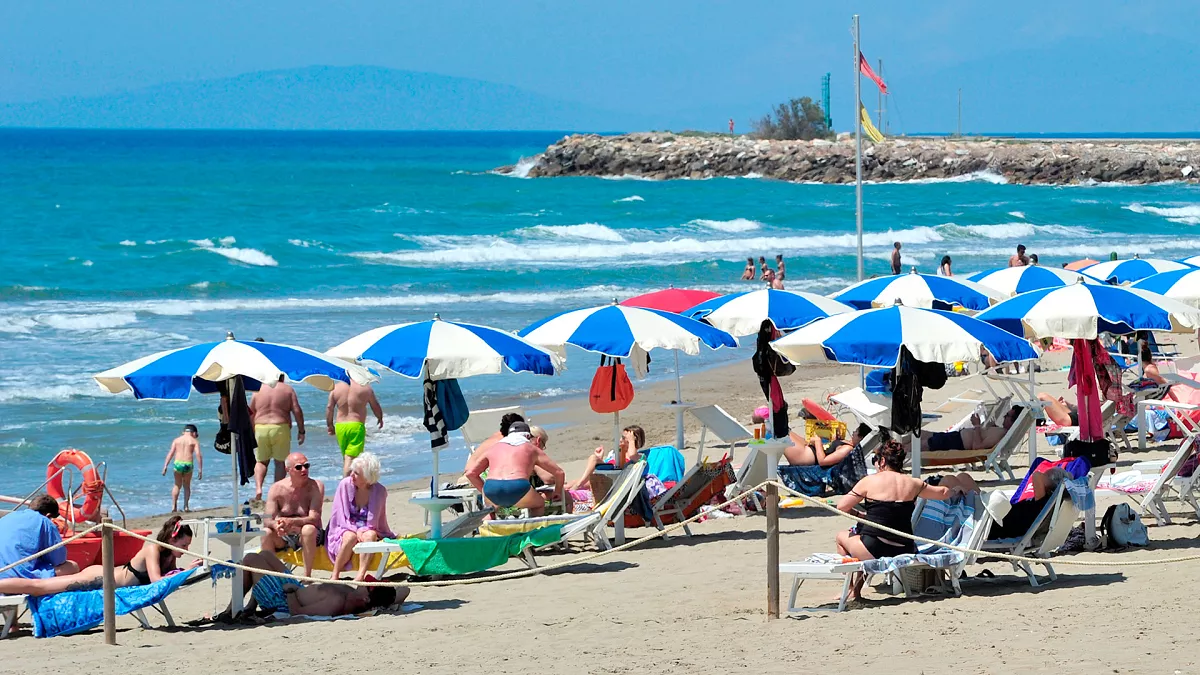
This summer, a notable shift is underway in Italy’s long-standing beach culture as many Italians are increasingly steering away from private beaches amid mounting concerns over soaring prices and economic hardship. Traditionally, Italians have embraced the custom of spending their holidays on the coast, renting cabins, loungers, and parasols at private beach resorts. However, the 2025 season has seen a marked decline in beach attendance, especially during weekdays, as many are reconsidering their leisure choices in the face of financial constraints and rising costs.
Data from the country’s coastal regions reveal that private beach resorts experienced a 15% to 25% drop in visitors in June and July compared to the previous year. This decline is not just attributed to weekend crowding—which remains prevalent near urban centers like Rome—but rather to an overall hesitation among Italians to spend on recreational outings during the week. Moreover, those who do visit are reported to be cutting back on additional expenses such as food and drinks.

Fabrizio Licordari, president of Assobalneari Italia—the association representing private beach clubs—cited the broader economic environment as a significant factor. “Even with two salaries, many families struggle to reach the end of the month,” Licordari told Ansa news agency. “In such circumstances, it’s natural that the first expenses to be cut are those for leisure, entertainment and holidays.” This economic strain has coincided with growing public unease over the dominance of private beach concessions, which critics argue have limited access to free public beaches and pushed prices to prohibitive levels.
The cost of renting a sun lounger has become a focal point in the debate. Figures from consumer group Altroconsumo reveal that the average price for sun loungers has risen by 17% compared to four years ago. In popular regions such as Lazio, renting two loungers and an umbrella rarely costs less than €30 per day, while in sought-after holiday spots like Gallipoli in Puglia, the price can soar to around €90 daily.
The rising prices have not gone unnoticed by public figures. Actor Alessandro Gassmann fueled the discussion after posting an image of empty loungers on Instagram, remarking, “I read that the season is not going well. Maybe it’s because the prices are exaggerated and the country’s economic situation is forcing Italians to choose free beaches? Lower the prices and maybe things will get better.”
While some industry leaders dispute claims of drastic price hikes, Maurizio Rustignoli, president of Fiba—the federation of Italian beach resorts—characterized reports of soaring prices as “misleading,” suggesting that where increases occurred, they were modest. Rustignoli highlighted the added value offered to visitors, including security measures and lifeguard supervision.

Conversely, the consumers’ association Codacons criticized the situation, labeling visits to private beaches as a “drain” on household finances and accusing concession owners of feigning concern.
Amid the decline in beach attendance, Italy’s mountainous regions, especially the Dolomites, are witnessing a surge in visitors. This trend is partly attributed to Italians seeking respite from increasingly hot summers exacerbated by the climate crisis. Reports indicate concerns about overtourism in some mountain areas, underscoring a broader shift in holiday preferences.
This evolving landscape signals a potential transformation in Italy’s summer traditions, shaped by economic realities and environmental challenges, as Italians weigh the costs and benefits of their cherished seaside escapes.
Related News:
 British teen mistakenly takes wrong flight from Menorca airport and lands in Italy
 Lisbon’s Historic Funicular Turns to Tragedy: The Elevador da Glória Derailment
 Sycamore Gap Tree Confirmed to Be Over a Century Old, Scientists Reveal
 UK launches search for first-ever ‘town of culture’ to highlight overlooked areas
 The Lowry Hotel: Manchester’s Iconic Five-Star Retreat
 World Whisky Tour: 9 Global Gems
 Shouting Works Best to Deter Gulls, UK Study Finds
 Snow and Ice Warnings Affect Scotland and Northern England
 Seven Countries, One Winner: Europe’s Best Christmas Market
 Arctic Blast Hits UK as Snow and Ice Warnings Trigger Travel Disruption
 Scotland Gains 33 New Towns – Life in Growing Communities
 A Colourful Cultural Escape in Mexico’s Querétaro
 Search underway for British man overboard off Tenerife
 7 Travel Trends Set to Shape 2026 Adventures
 Post Office Scandal Compensation Tops £1 Billion as Victims Finally See Justice
 The Ketamine Crisis in the UK is a Silent Epidemic Leaving Users with Lifelong Pain
 The Fight for Trans Safety Is a Fight for Everyone’s Safety — MPs Must Debate This Crucial Issue
 My Husband Won’t Stop Playing with Lego and It’s Driving Me Nuts
 Heartbreak in the New Forest as Shetland Ponies Vanish, Community on Edge
 Russell T Davies Warns of Declining UK Gay Rights Amid Rise of Reform UK and Trump Influence
 Alarming rise in abusive teen relationships in the UK sparks urgent warnings
 Manchester Airport Faces Delays After EasyJet Planes’ Wings ‘Clip’ on Runway
 Inquest Finds Agency Worker Failings Led to Unlawful Death of Vulnerable 14-Year-Old
 Access to Iconic Cornish Beach Cut Off by National Trust Amid Safety Concerns
 Shocking Rise in Children’s Exposure to Violent Online Pornography Raises Alarm
 Calls Grow for a Complete Ban on Smacking as Public Opinion Shifts
 Human Remains Discovered in Lancashire May Be Those of Children, Police Say
 Akinwale Arobieke Found Dead at Liverpool Home
 Tragedy Strikes Britain’s Richest Divorcee as Boyfriend Dies Just Four Years After £350m Breakup
 Vietnam Unveils £9.5 Billion Mega Airport, Set to Rival Global Hubs
 Why E-Bikes and E-Scooters Are Making Streets a ‘Nightmare’ for Blind People
 UK Warned It’s on Course to Fail in Efforts to Wipe Out Bovine TB
 UK Retail Sales Rise in August, but Tax Concerns Loom Over Festive Period
 Weatherwatch: From Astrology to Modern Meteorology
 UK Doctors Guilty of Sexual Misconduct Continue Practising Amid Weak Sanctions, Research Finds
 Zarah Sultana Seeks Legal Action After Bitter Clash with Jeremy Corbyn Over Party Membership Funds
 Canadian Officials Find TikTok Fails to Adequately Protect Children’s Data
 Starmer Unveils Plan for NHS “Online Hospital” to Tackle Waiting Lists
 A Third of EU Citizens in UK Report Discrimination by Public Bodies Post-Brexit
 Beloved Actress Dame Patricia Routledge Dies Aged 96
 UK households brace for October benefit payments and rising energy costs amid cost-of-living pressures
 Jilly Cooper: The Bonkbuster Queen Who Redefined Romantic Fiction
 Celebrity Traitors First Look: A Star-Studded Highland Adventure That Hooks from the Start
 Women Challenge Meta Over Targeted Ads After Miscarriage
 £18 Prostate Cancer Test Could Save Thousands of Lives
 Pregnant Women in England Face Rising Risk of Severe Birth Injury
 King urges faster action on climate change initiatives
 One in 12 Secondary Pupils Sent to Isolation Weekly
 WW2 Pilot’s Long-Lost Crash Site Unearthed in Essex
 UK Health Leaders Push for Urgent Tobacco & Vape Bill
 Hospice Cuts Raise Alarm Across England Amid Funding Crisis
 Tragedy on Lizard Island: Cruise Passenger Dies
 UK Woman Loses Child Benefit After Booking Flight She Never Took
 Mass Stabbing on Doncaster to London Train Leaves Ten Injured
 Children to Learn Local History in Major Curriculum Overhaul
 Prince William Plants Trees with Brazil’s Nature Heroes
 Greta Thunberg Backs Student Facing UK Visa Revocation
 Earl of Yarmouth Faces £1.3m Legal Bill Over Family Estate
 How to get help when a child goes missing – call 999 urgently
 ‘Reckless’ cuts to victims’ services will cost more than they save
 UK Faces Arctic Blast as Polar Vortex Disruption Brings Heavy Snow
 WASPI Women May Get Second Chance at Pension Redress
 Politics latest: Starmer ‘will fight any leadership coup’ as Streeting denies attempt to oust Labour PM
 Son Reveals UK Couple in Iran Resort to Hunger Strike for Help
 New weather warning issued with risk of flooding
 Working-Class Men with Prostate Cancer Left Behind by NHS
 Mum Calls for New Licence Rules After Teen Road Death
 Mother Watches in Horror as Teen Daughter Dies on Tracks
 Agency Workers Vote to Join Picket Lines Amid Dispute
 ‘Traumatic Wait’: Northern Ireland Women Face Breast Cancer Delays
 Commuters warned as yellow snow and ice alert hits Northern Ireland
 Healthy Habits in Your 30s That Boost Life in Your 70s
 Coffins Now Too Large to Cremate Amid Rising Obesity Crisis
 Labour MP claims devolution bill is ‘blatant discrimination’ against Cornwall
 Vicki Fears Losing Motability Car
 Delhi’s Toxic Air Crisis Leaves Children Sick and Vulnerable
 Fibromyalgia Patients Struggle as NHS Fails to Provide Care
 Virgin Media Fined £23.8m Over Telecare Safety Failures
 Top Hotels in Edinburgh for an Unforgettable Stay
 Pavarotti statue frozen in Italian ice rink sparks backlash