Published: 17 April 2026. The English Chronicle Desk. The English Chronicle Online
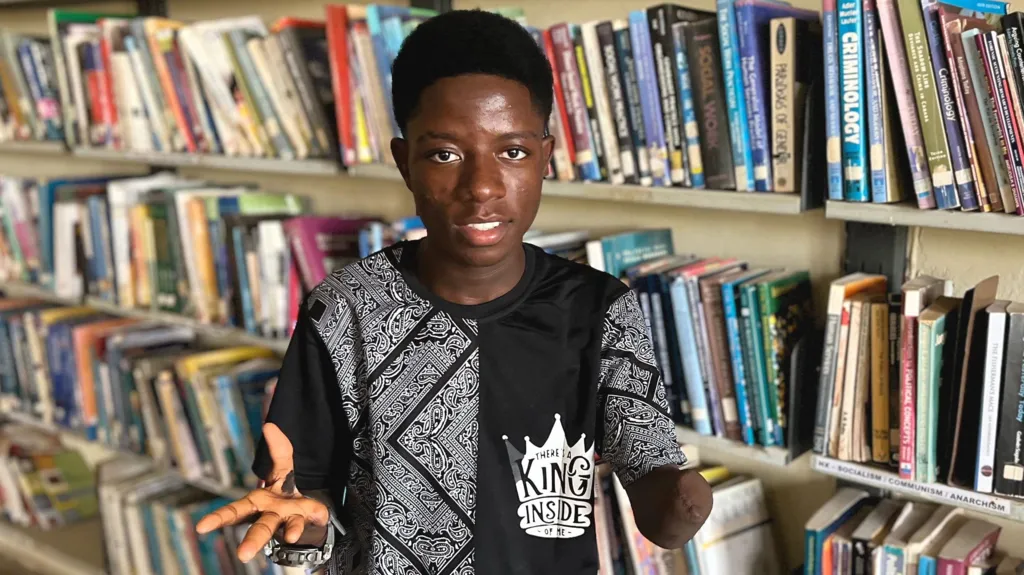
In the dusty outskirts of Maiduguri, 19-year-old Musa (not his real name) sits in a makeshift classroom, his left sleeve pinned back where his hand should be. As Pope Leo XIV prepares to arrive in Nigeria tomorrow as part of his “Sovereign Dignity” tour, Musa’s story has emerged as a harrowing symbol of the “educational apartheid” facing northern Nigeria. For Musa, the simple act of pursuing a Western education wasn’t just a challenge—it was a death-defying gamble that cost him his limb and nearly his life during a brutal kidnapping by insurgents three years ago.

Musa’s ordeal began in 2023 when he was one of 40 students abducted from a secondary school in Borno State. During six months of captivity, he was subjected to systematic torture designed to “break his will” and force him to renounce his studies. “They told me that the pen was a weapon of the infidels,” Musa told reporters through a translator. When he refused to stop practicing his English lessons in the sand, his captors used a machete to sever his left hand—his writing hand—as a “permanent lesson” to others. “I didn’t just lose my hand,” he says, staring at the scarred stump. “I lost the ability to hold my dreams.”
The student’s struggle is a microcosm of a deepening crisis in Nigerian education. Despite government promises of “Safe Schools,” UNICEF reports that over 1,500 schools across the north remain closed or destroyed due to the decade-long insurgency and the more recent wave of “banditry” fueled by the regional economic collapse. For those who remain in school, the fear is constant. The “ransom economy” has made students a lucrative commodity, with families often forced to sell their homes or land to pay for the release of their children, only for the traumatized youth to return to a system that lacks even basic psychological support.

To bypass the threat of kidnapping, many students like Musa have turned to “shadow schools”—unregistered, mobile learning centers that operate in the early hours of the morning or late at night in private homes.
| Category | Impact of Conflict (2023-2026) |
| School Closures | Over 1,200 institutions in Borno and Yobe states. |
| Out-of-School Children | Estimated 18.5 million (highest in the world). |
| Teacher Shortage | 35% decrease in active staff due to targeted killings. |
| Student Abductions | 2,400+ documented cases in 36 months. |
Against all odds, Musa has taught himself to write with his right hand. His progress is slow, and the phantom pains often make it difficult to concentrate, but he remains one of the top students in his informal cohort. His ambition is to study law, a choice driven by a desire to hold his tormentors—and the state that failed to protect him—accountable. “Every word I write now is an act of war against the people who took my hand,” he says.
As Pope Leo XIV prepares to meet with survivors of violence in Abuja this weekend, Musa’s story is being used by human rights groups to demand a “Global Education Marshall Plan” for West Africa. The Pope is expected to address the “cruel paradox” of a nation with vast oil wealth that cannot guarantee the safety of its youngest citizens. For Musa, the high-level visits provide a fleeting sense of visibility, but his daily reality remains a grueling uphill battle. In the classrooms of northern Nigeria, the pen may be mightier than the sword, but for many, the price of that victory is written in blood.
Related News:
 Pope Leo Urges Peace in First Easter Mass Address
 Pontifical Poise: Pope Francis ‘Has No Fear’ of Trump Following Scathing Rhetorical Exchange
 Italian PM Condemns Ally Trump Over ‘Unacceptable’ Pope Criticism
 Weekly Quiz: When the White House Met the Vatican
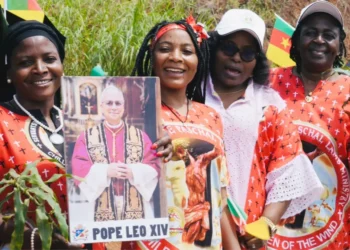 ‘Hands Off Africa!’: Pope Leo XIV Delivers Scathing Indictment of ‘New Colonialism’
 Kinnock’s Rebuke Echoes Loudly as Corbyn Allies Launch Left-Wing Breakaway: “A Gift to Farage”
 Trump Administration Dismisses 17 Immigration Judges, Sparking Debate Over Judicial Independence
 UK Must Act with Courage and Clarity on Israel-Palestine Conflict, Says Foreign Affairs Committee Report
 Trump Threatens 100% Tariff on Nations Importing Russian Oil Amid India Standoff Over Ukraine War
 Radioactive Leak at UK’s Nuclear Warhead Base Sparks Outcry Over Safety and Secrecy
 Mutual Inconvenience: Why Alaska Was Chosen for the Trump-Putin Summit on Ukraine
 Hong Kong Summons UK and Australian Envoys Following Asylum Grants to Democracy Activists
 Is the UK Ready to Put Boots on the Ground in Ukraine? Assessing Military Capacity and Challenges
 Conservative Influencer Charlie Kirk Fatally Shot During University Debate
 Channel Crossings Surge: Over 1,000 People Arrive in the UK in Small Boats in a Single Day
 Widow of Charlie Kirk Forgives Killer at Emotional Memorial Service
 Yvette Cooper Signals Global Momentum Towards Gaza Peace Deal Amid Humanitarian Crisis
 Public Trust in SNP Hits Historic Low Amid NHS Concerns
 Johnson Suggests Mandelson Linked to China Spy Controversy
 Russia’s Latest Push to Win US Favors Shows Deep Desperation
 BBC to Apologise Over Edited Trump Speech Amid Backlash
 Britain deploys RAF specialists to assist Belgium with drone threats
 Trump Urges Herzog to Grant Netanyahu Full Pardon
 Indian authorities demolish Kashmir home linked to Red Fort blast
 Greene Pushes Epstein Files Amid Trump Fallout
 December Run-Off in Chile as Election Produces No Winner
 Canada Passes Carney’s First Budget in Tight Parliamentary Vote
 Shadow Fleet at Sea: Europe’s Battle Against Illicit Oil Shipping
 India’s COP30 Delay Raises Global Climate Concerns
 Georgians Defy Government Crackdown After Year of Protests
 Russia losses Ukraine war peace talks intensify amid rising deaths
 Albanese Opens Door to Bondi Royal Commission Amid Rising Pressure
 Trump Escalates Minnesota Immigration Surge Amid Rising Tensions
 Iran Protesters Defy Crackdown as Violent Clashes Intensify
 EU weighs response amid Greenland tariff crisis with Trump
 EU Says US Ties Have Suffered ‘Big Blow’ After Greenland Crisis
 Israel Moves to Bar MSF From Gaza Operations
 After the Landslide: Can India Reset Ties with BNP Bangladesh?
 Australian Families Leave Syrian Camp for Home
 Starmer Weighs Fast-Tracking Defence Boost
 Trump Attacks UK-California Energy Pact
 Nine Arrested in France Over Death of Far‑Right Student
 Andrew Arrest Sparks Republic Debate in Australia
 Australian PM Says Former Prince Andrew Has Suffered ‘Extraordinary Fall’ but That Won’t Prompt Republic Referendum
 Musk Cuts Starlink Access for Russian Forces – Giving Ukraine an Edge at the Front
 Farage Chagos Islands Row Sparks Fury
 Ukraine Negotiator Reveals What It Feels Like Facing Russia
 Chad Shuts Border With Sudan in Bid to Stop Conflict Spreading
 French Minister Moves to Block US Envoy Kushner from Government Access
 Has Europe truly learned from the failures of 2022?
 American Citizen Killed in Cuba Boat Shooting, U.S. Officials Say
 Iran’s Regime Still Intact — Coming Days Will Test Its Survival
 Trump Faces Questions Over Iran Conflict Plan
 Herzog Asio meeting sparks security storm
 Finland Plans to Lift Decades‑Old Ban on Hosting Nuclear Weapons
 Minister Meets Crews Who Will ‘Take Out’ Iranian Drones
 Nine Days of Strikes Reshape the Middle East
 Trump Pressures Congress Over Save America Act
 Iran War Puts Trump at Political Risk Amid Rising Prices
 Iranian Football Squad Asylum Drama Shocks Australia
 Ukraine War Becomes Flashpoint in Hungarian Election
 Queensland Protest Laws Spark Free Speech Backlash
 Yvette Cooper: UK Must Follow Principles, Not US Pressure
 Trump Nato threats expose Iran strategy vacuum
 Trump’s Confidence Undimmed — But Every Iran Option Carries Risk
 Israel Says Iran Security Chief Larijani ‘Killed’
 Philippines energy emergency sparks coal power surge
 Trump Facing Backlash from Epstein Survivors Over Files
 UK Forces Ready to Seize Russian Shadow Fleet Vessels
 Trump Considers Military Operation to Seize Iran’s Uranium
 Trump Signals US Exit From Iran as Tehran Eyes Peace
 Report Says Pezzullo Acted ‘Recklessly’ in Dealings
 Hungary Claims Plot to Target Gas Pipeline Pre-Vote
 Oil and Diplomacy: Russian Refineries Burn as Zelenskyy Secures Middle East Shield
 ‘The Soul of Spain’: Politicians Clash Over Renewed Push to Move Picasso’s Guernica
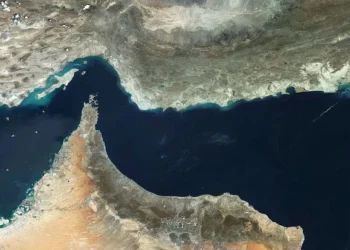 The Great Chokehold: Why the Strait of Hormuz is the Epicenter of the 2026 Crisis
 Moldova River Crisis Exposes War’s Hidden Cost
 The Frozen Frontier: Why Frostbite is the Least of Concerns for Canada’s Arctic Forces
 Diplomatic Deadlock: Lebanon Enters High-Stakes Border Talks with ‘No Cards to Play’
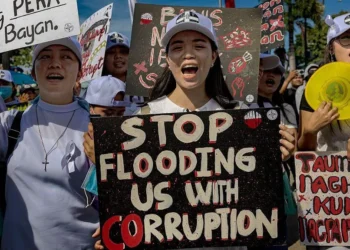 The ‘Big Fish’ Lands: Marcos Confirms Arrest of Key Figure in Flood-Control Scandal