Published: 23 April 2026. The English Chronicle Desk. The English Chronicle Online
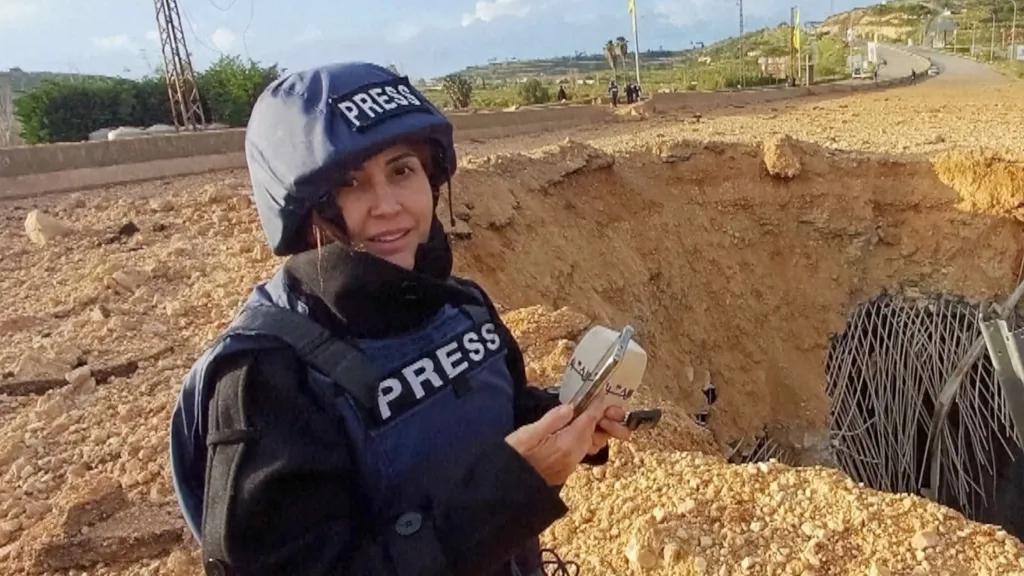
Lebanese Prime Minister Nawaf Salam has formally accused Israel of committing “war crimes” following a series of air strikes in southern Lebanon that killed a prominent journalist and wounded several others. The victim, identified as Amal Khalil, 43, a reporter for the Lebanese daily Al-Akhbar, was killed on Wednesday near the town of at-Tiri. The incident, which occurred during a fragile 10-day ceasefire, has sparked international outrage and intensified scrutiny over the safety of media workers in the escalating regional conflict.

According to witnesses and the Lebanese Health Ministry, Khalil and freelance photographer Zeinab Faraj were traveling to the site of an earlier drone strike when the vehicle directly in front of them was hit. Seeking safety, the two journalists fled into a nearby residential building. Minutes later, that building was also targeted by an Israeli air strike. While Faraj was rescued from the rubble with a serious head wound, Khalil was trapped beneath the debris. Lebanese officials further accused the Israel Defense Forces (IDF) of obstructing rescue efforts, alleging that a sound grenade and live ammunition were fired at an approaching Red Cross ambulance, delaying life-saving intervention for several hours.
The IDF’s Arabic-language spokesperson, Ella Waweya, stated that the military had identified “two vehicles leaving a military building used by Hezbollah” and that the individuals approached Israeli forces “in a manner constituting an immediate threat.” While the IDF confirmed its aircraft struck the vehicle and a building where individuals had sought refuge, it maintained that it “does not target journalists” and that the incident is currently under review. This justification has been met with fierce skepticism in Beirut, where officials pointed out that Khalil was a veteran journalist clearly identifiable as a member of the press.
The death of Amal Khalil marks the fourth media worker killed by Israeli strikes in Lebanon since March, joining a growing list that includes Ghada Dayekh, Suzan Khalil, and Ali Shoeib. Prime Minister Salam emphasized that the “deliberate targeting of journalists and the obstruction of relief efforts” would be pursued before relevant international bodies. Human rights advocates have echoed these sentiments, noting that Wednesday was the deadliest day in Lebanon since the ceasefire was announced on April 16, with a total of five people killed in various strikes across the south.

As the body of Amal Khalil was recovered from the ruins of at-Tiri and transported to her hometown for burial, the incident has cast a dark shadow over the prospects for a lasting peace. For the Lebanese press corps, the loss of a colleague under such circumstances is a chilling reminder of the risks faced by those attempting to document the conflict. “This is not an accident; it is a pattern,” said Elsy Moufarrej, head of the Union of Journalists in Lebanon. With the ceasefire now teetering on the edge of collapse, the “blatant crime” in at-Tiri has become a rallying point for those demanding greater international protection for civilians caught in the crossfire of the Middle East’s widening war.
Related News:
 Trump Administration Dismisses 17 Immigration Judges, Sparking Debate Over Judicial Independence
 Ministers Accused of Defamation Over Palestine Action Ban and Mass Arrests
 Father’s Tip Leads to Arrest in Charlie Kirk Murder Case
 Charlie Kirk Killing Used to Mobilise UK’s Largest Far-Right Rally in Decades
 Jailed Georgian Opposition Leaders Warn UK of Iranian Links to Ruling Party
 UK Extradition Law Change Sparks Fears Among Hong Kong Dissidents
 Shabana Mahmood Warns Border Failings Are Eroding Trust in States
 Johnson Approved China’s London ‘Super-Embassy’ in 2018
 China-critical UK academics face ‘extremely heavy’ pressure from Beijing
 Trump Urges Herzog to Grant Netanyahu Full Pardon
 US Justice Department Files Lawsuit Against California Over Partisan Voting Maps
 Trump Deploys DHS to Charlotte in Major Arrest Operation
 Congress Approves Release of Epstein Files, Trump Expected to Sign
 Texas Governor Faces Lawsuit From CAIR
 Chinese & Japanese Boats Clash Near Disputed Islands
 Putin Meets US Envoy Amid Key Ukraine Peace Talks
 Guterres Warns Global Cooperation Under Threat at UN’s 80th Year
 South Korea Jails Ex-President in Martial Law Ruling
 UK and EU Signal Fresh Push for Defence Cooperation Talks
 Emails Show Epstein Funded Mandelson’s Husband After Jail
 Thousands Protest ICE Operations in Nationwide US Day of Action
 Sydney Protest Clash Triggers Police Probe
 Nine Arrested in France Over Death of Far‑Right Student
 How Much Could Andrew’s Arrest Hurt the Royal Family?
 Ex‑Philippine President Duterte on Trial for Crimes Against Humanity: What You Need to Know
 Inside Kyiv’s resolve as conflict nears five‑year mark
 US Partially Evacuates Beirut Embassy Amid Rising Iran Tensions
 US Senate Vote Fails to Rein in Trump War Powers on Iran
 Trump Removes Kristi Noem From Homeland Security Role
 UK Must Obey International Law Over Iran, Says Thornberry
 Queensland Protest Laws Spark Free Speech Backlash
 China Approves ‘Ethnic Unity’ Law Requiring Minorities to Learn Mandarin
 Ecuador Deploys 75,000 Forces in Anti-Gang Drive
 Belarus Leader Gifts Rifle to Kim Jong Un

 Russia Expels British Diplomat for ‘Spying’ Amid Shadow Fleet Crackdown
 AfD Demands Full US Troop Withdrawal as ‘Project Veto’ Tensions Flare
 Israel Enacts Death Penalty Law for Palestinians Following 12-Hour Debate
 Report Says Pezzullo Acted ‘Recklessly’ in Dealings
 National Icon in Custody: Ben Roberts-Smith Arrested Over Alleged War Crimes in Afghanistan
 Transatlantic Alliance: Vice President JD Vance Arrives in Budapest to Bolster Orbán’s Re-election Campaign
 ‘Seismic Change’: How Nationalist Wins in Celtic Nations Could Reshape the UK
 ‘Power Plant Day and Bridge Day’: Israel Warns Iranians Off Trains as Trump Ultimatum Looms
 The $100 Billion Peace: Trump’s ‘Grand Bargain’ Ends Iran Conflict at a Staggering Cost
 ‘A Double-Sided Ceasefire’: Inside the 14-Day Truce Between the US and Iran
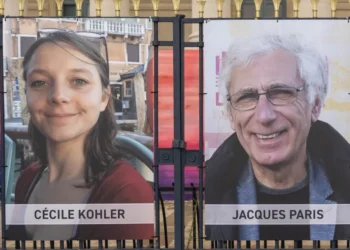 ‘Free at Last’: French Teachers Released as Iran Exchanges ‘State Hostages’ for Legal Concessions
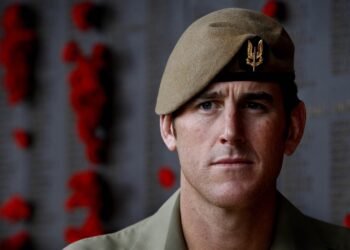 Justice in Limbo: Top Australian Soldier to Remain on Remand for War Crimes
 The Prediction Prohibition: White House Staff Barred from Betting on Political Markets
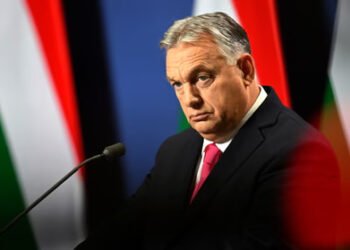 Hungary election: Orbán faces biggest test amid scandal
 Suspected Plot Targets Pipeline Before Hungary Vote
 The Vance Verdict: How the Vice President Navigated the Islamabad “Pressure Cooker”
 The Blockade Gambit: Trump’s High-Stakes Threat Leaves Middle East Predicaments Unchanged
 The Liberal Gamble: Carney’s Majority Quest Hits the ‘Poilievre Wall’
 The Frozen Frontier: Why Frostbite is the Least of Concerns for Canada’s Arctic Forces
 Exit Stage Left: Eric Swalwell Abandons California Governor Bid Amid Misconduct Allegations
 The Atlantic Rift: Starmer Pledges UK Neutrality in Iran Port Blockade
 The Disenfranchised Frontier: Political Turmoil Grips Border State as Nine Million Lose Voting Rights
 Political Aftershock: Democrats Scramble in Sacramento as Swalwell Withdrawal Upends 2026 Race
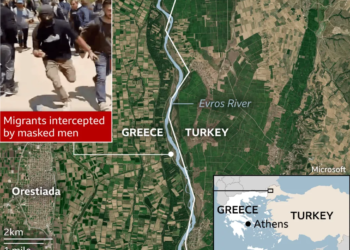 The Masked Frontier: Allegations of Greek Police Using Proxies for ‘Seismic’ Border Pushbacks
 Wins and Challenges: Zohran Mamdani’s First 100 Days in Office
 ‘Diplomatic Turbulence’: Taiwan President Cancels Landmark Africa Tour Amid Airspace Lockout
 ‘I Get it in Writing’: Trump Extends Iran Ceasefire Amid Frantic Islamabad Push
 Russia’s Latest Push to Win US Favors Shows Deep Desperation
 BBC to Apologise Over Edited Trump Speech Amid Backlash
 Greene Pushes Epstein Files Amid Trump Fallout
 Shadow Fleet at Sea: Europe’s Battle Against Illicit Oil Shipping
 American Citizen Killed in Cuba Boat Shooting, U.S. Officials Say
 Iran’s Regime Still Intact — Coming Days Will Test Its Survival
 Finland Plans to Lift Decades‑Old Ban on Hosting Nuclear Weapons
 Trump Pressures Congress Over Save America Act
 Iran War Puts Trump at Political Risk Amid Rising Prices
 Trump Nato threats expose Iran strategy vacuum
 Trump Facing Backlash from Epstein Survivors Over Files
 UK Forces Ready to Seize Russian Shadow Fleet Vessels
 US Lawmaker Demands Testimony Over Sarah Ferguson’s ‘Close Epstein Ties’
 Trump Considers Military Operation to Seize Iran’s Uranium
 “It Ends With Trial”: Judge Tosses Blake Lively’s Sexual Harassment Claims Against Justin Baldoni
 Oil and Diplomacy: Russian Refineries Burn as Zelenskyy Secures Middle East Shield
 The Great Chokehold: Why the Strait of Hormuz is the Epicenter of the 2026 Crisis
 Moldova River Crisis Exposes War’s Hidden Cost