Published: 27 April 2026. The English Chronicle Desk. The English Chronicle Online
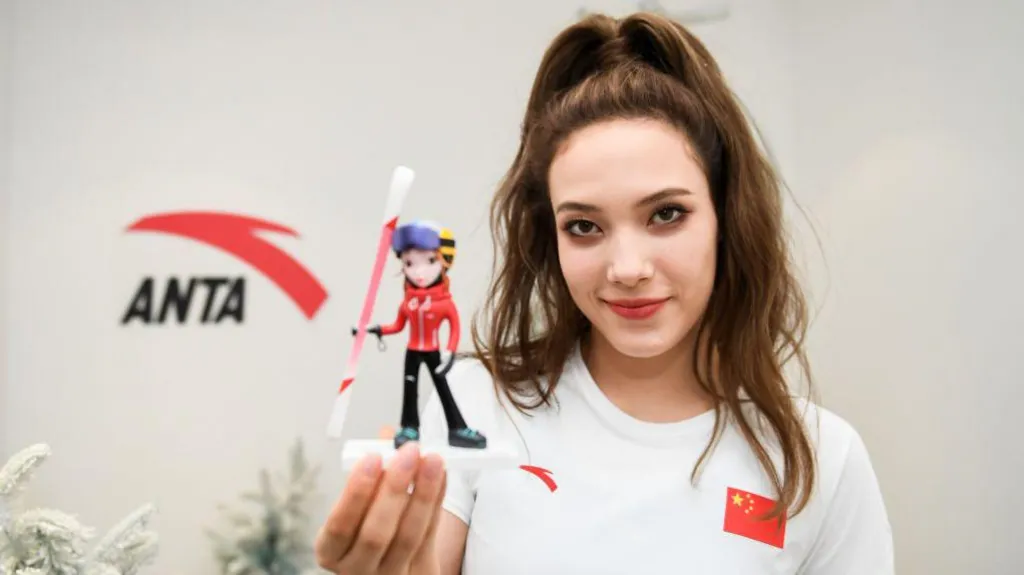
The global hierarchy of sportswear has officially been disrupted. Anta Sports, the Fujian-based powerhouse once dismissed as a budget local player, has cemented its position as the world’s third-largest sportswear company by revenue, trailing only Nike and Adidas. Following a strategic 2026 expansion that saw the group acquire a dominant 29% stake in Puma for €1.5 billion, Anta has effectively outpaced the German giant to claim the bronze medal on the global stage.

The rise of Anta and its rival Li-Ning (the “Purist” of Chinese sportswear) signals a fundamental shift in consumer loyalty. As Western brands like Nike struggle with a “middle-market slump” in China, homegrown firms are leveraging a combination of “China Chic” (Guochao) aesthetics and a ruthless “multi-brand strategy” to dominate both domestic and international shelves.
While Nike and Adidas rely on the strength of a single, massive brand identity, Anta’s success is built on its role as a “brand conglomerate.” By acquiring high-end Western labels, Anta has bypassed the “Made in China” perception hurdle.
The Premium Portfolio: Through its majority stake in Amer Sports, Anta now controls “Gorpcore” darlings Arc’teryx and Salomon, alongside the iconic American brand Wilson (the official ball of the NBA).
The Puma Power-Move: In January 2026, Anta became the largest shareholder in Puma, a move intended to consolidate its grip on the European and Chinese markets while helping the struggling German firm pivot back to growth.
Direct-to-Consumer Dominance: According to recent 2026 data, Anta’s direct-to-consumer (DTC) sales now account for a staggering 92% of its revenue—far exceeding Nike’s 42% and Adidas’ 40%.
If Anta is the “Acquirer,” Li-Ning is the “Purist.” Founded by the Olympic gymnastics legend of the same name, the brand has doubled down on a single-brand strategy, blending high-performance tech with traditional Chinese motifs.
The Outdoor Pivot: In early 2026, Li-Ning launched its “Counterflow” standalone outdoor stores, aiming to challenge Arc’teryx and The North Face in the lucrative hiking and “urban outdoor” sectors.
Running Supremacy: Running is now Li-Ning’s largest category, accounting for 31% of its sales in 2025. With over 26 million pairs of professional running shoes sold annually, the brand is successfully peeling elite athletes away from traditional Western choices.
Industry analysts point to a “K-shaped” recovery in 2026 that has uniquely benefited Chinese brands.
“The middle of the market hasn’t disappeared; it’s just moved sideways,” explains market analyst Wei Kan. “A consumer who used to spend 700 RMB on a lower-end Nike sneaker is now buying a specialized 361° running shoe or a Kolon performance product. Nike didn’t move with the middle; the Chinese brands did.”
Despite their domestic dominance—where Anta now holds a 21.8% share of the Chinese market—global perception remains the final frontier. While Anta has signed NBA superstars like Kyrie Irving and Klay Thompson to multi-million dollar deals through 2026, it still lacks the “cultural default” status held by the Nike Swoosh in Western cities.

However, with Anta operating over 12,000 shops and rapidly expanding its “gateway” Western brands, the message to Beaverton and Herzogenaurach is clear: the era of the duopoly is over. In the 2026 sports landscape, the most formidable competitor isn’t just one brand—it’s a multi-headed conglomerate from Fujian that is slowly, but surely, buying the competition.
Related News:
 British AI Startup Outshines Human Forecasters in Global Prediction Contest
 UK New Car Discounts Near £6,000 as Prices Are Slashed
 The Chinese AI App Sending Hollywood Into a Panic
 Etsy Sells Second‑Hand Fashion App Depop to eBay for $1.2bn
 Brady Tkachuk Denies AI Video Claims After Olympic Gold
 ABC Staff Strike Over Pay and AI Concerns
 Jim Ratcliffe’s £3.5bn Chemical Plant Delayed with Parts Stranded in the Gulf
 Baltic Blackout: Satellite Images Reveal Scorched Russian Oil Hubs After Ukraine Strikes
 The $11k Ticket: High Stakes and Dynamic Pricing in FIFA’s First Open Sale
 Apple at 50: Three Products That Changed How We Live
 Electric Shock: Australians Buy Record Number of New EVs as Fuel Crisis Bites
 War, Windfalls, and the Carbon Trap: The Iran Conflict’s Brutal Energy Math
 The ‘Heavy’ Shift: Gulf Coast Refineries Ramp Up Venezuelan Crude Intake
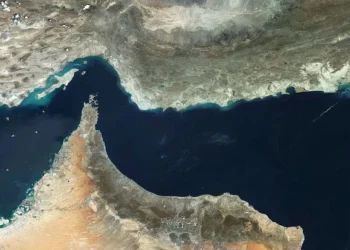 The Great Chokehold: Why the Strait of Hormuz is the Epicenter of the 2026 Crisis
 Hot in the City: Energy Crisis Tests Singapore’s Air-Con ‘Addiction’
 Space Odyssey ‘Bum Note’: UK Band Linked to Artemis II’s ‘Toilet Trouble’
 Market Shock: Oil Surges Past $100 as US Initiates Naval Blockade
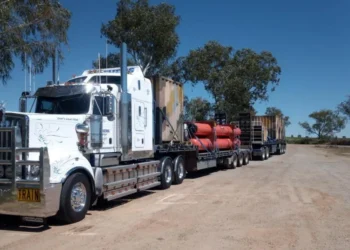 The Outback Squeeze: ‘Out of Control’ Diesel Prices Threaten Australia’s Freight Arteries
 The Mythos Crisis: Global Finance Chiefs Sound Alarm Over ‘Predatory’ AI
 ‘The End of the Quiet Era’: Japan Relaxes Arms Export Rules in Historic Pivot From Pacifism
 Rations and Rides: Global Responses to the 2026 Fuel Crisis
 The “King of Drones”: Ukraine’s Unmanned Commander Targets the Arteries of the Russian War Machine
 England’s Euro Odyssey: A Tale of Grit, Glory and the Lionesses’ Miraculous March to the Final
 Tottenham Takes On Newcastle
 China’s crackdown on civil servant perks sparks economic concerns
 Shein UK Faces Allegations of Shifting Majority of Profits to Singapore to Reduce UK Tax
 Big Pharma Investment Freeze Puts UK Life Sciences Sector Under Strain
 Jaguar Land Rover Extends Production Halt Following Cyber-Attack
 Google at 27: The Untold Story of Ruth Kedar, the Woman Behind the Iconic Logo
 Chaos at Ibrox as Martin’s Rangers Era Comes to an End
 Arsenal Showcase Depth and Flexibility as Arteta Eyes Title Challenge
 Experts Warn Russia’s Burevestnik Missile Could Destabilise Arms Control
 Virgin Trains Moves Closer to Challenging Eurostar Monopoly
 Britain deploys RAF specialists to assist Belgium with drone threats
 New laws to bolster UK’s defences against cyber attacks on NHS, transport and energy
 Pokémon to open world’s first theme park in Japan next year
 Canada Passes Carney’s First Budget in Tight Parliamentary Vote
 Tiny Curacao Makes History as Smallest Nation to Reach World Cup
 Haiti Qualifies for World Cup Despite Coach Never Visiting Country
 US Clears Nvidia AI Chip Sales to China in Policy Shift
 Amazon mistakenly signals new global layoffs to employees
 BT Names New Openreach Chief Amid Major Fibre Expansion
 Indian University Kicked Out of AI Summit for Claiming Chinese Robot Dog as Its Own Invention
 How Do You Modernise Mango Farming? India’s Growers Urged to Innovate as Climate Change Hits
 Live Nation Sees Strong Ticket Sales as Monopoly Lawsuit Looms
 Musk Cuts Starlink Access for Russian Forces – Giving Ukraine an Edge at the Front
 AI Coding Firm’s ‘Pride’ at Business Award Win
 Bill Gates ‘Took Responsibility’ Over Epstein Ties in Staff Meeting, Foundation Says
 Hilary Knight speaks out on Trump’s recent hockey remarks
 Social Media Trial: Woman Says Addiction Began at Six
 Instagram Investigating AI Profiles ‘Fetishising’ Disabled People
 Limited Flights Leave UAE But Disruption Continues Amid Iran Strikes
 The US Now Has the Medicine for Cheap Swarming Drone Attacks
 We Have More Privacy Controls Yet Less Privacy Than Ever — The Paradox of Digital Life
 Study Says Only Two Nations May Survive Nuclear War
 Oil Prices Surge Above $100 Amid Iran War
 India T20 World Cup Triumph Seals Historic Title Defence
 Abramovich Chelsea Sale Cash Faces Jersey Probe
 Oil Price Jumps Despite Deal to Release Record Amount of Reserves
 Iranian Captain Departs Australia Amid Asylum Tension
 Iran World Cup Move Talks Raise Global Concerns
 India’s $300bn Outsourcing Industry Faces AI Test
 One Ant for $220: The New Frontier of Wildlife Trafficking
 Trump Considers Military Operation to Seize Iran’s Uranium
 English Football’s Managerial Merry-Go-Round Has Become a Circus
 Russia: The Unforeseen Winner of the Iran Conflict
 Can Congress Stop US Sports Teams From Moving Cities?
 Oil and Diplomacy: Russian Refineries Burn as Zelenskyy Secures Middle East Shield
 Voices of the Vanguard: ‘Audio Time Capsule’ of Disability Rights Pioneers Discovered
 Moldova River Crisis Exposes War’s Hidden Cost
 California fireworks blast: murder charges filed in case
 The Frozen Frontier: Why Frostbite is the Least of Concerns for Canada’s Arctic Forces
 Diplomatic Deadlock: Lebanon Enters High-Stakes Border Talks with ‘No Cards to Play’
 Blockbuster Resurrection: Avengers Reassemble and Top Gun Returns as Studios Tease 2026 Slate
 The Fog of War and the Ticker Tape: Suspicious Trades Rile Washington
 Brinkmanship in Islamabad: Tehran Vows ‘New Battlefield Cards’ as Ceasefire Wanes
 ‘The £100,000 Hammer’: War in Iran Forces UK Businesses to Absorb Historic Fuel Hikes
 ‘A Fragile Calm’: Oil Prices Dip as Trump Extends Iran Ceasefire, But Blockade Holds Firm
 ‘Maritime Drones and Steel’: £50m Defence Deals Set to Spark Job Boom in Plymouth and South Yorkshire
 “Industrial-Scale Extraction”: White House Memo Accuses China of Mass AI Theft