Published: 29 April 2026. The English Chronicle Desk. The English Chronicle Online
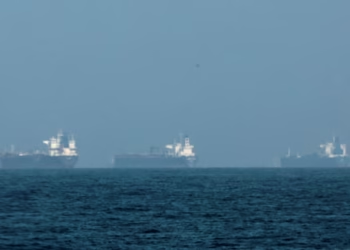
Humanitarian agencies have warned of a rapidly deepening global aid crisis as escalating conflict involving Iran, the United States and Israel continues to disrupt one of the world’s most critical maritime chokepoints, the Strait of Hormuz. Aid groups are now urgently calling for the creation of a protected “humanitarian corridor” through the strait, arguing that soaring oil prices and shipping blockades are directly preventing food, fuel and medical supplies from reaching millions of vulnerable people worldwide.
The Strait of Hormuz, a narrow yet strategically vital waterway linking the Persian Gulf with the Arabian Sea, has long been a key route for global energy and trade. However, recent instability has turned it into a flashpoint with far-reaching consequences. According to aid officials, restrictions and disruptions in the region have caused dramatic increases in transportation costs, severely affecting humanitarian logistics systems that depend on predictable and affordable shipping routes.
Bob Kitchen, vice president for emergencies at the International Rescue Committee, has urged governments to initiate immediate discussions on establishing safe passage for humanitarian cargo. He warned that essential supplies are currently stranded in regional hubs such as Dubai, unable to reach crisis zones in Africa and Asia due to rising fuel costs and shipping delays. In some cases, medical equipment and relief goods destined for tens of thousands of people have been left in warehouses, unable to be transported to their final destinations.

Aid organisations say the consequences are already visible on the ground. In parts of sub-Saharan Africa, including Nigeria and Ethiopia, humanitarian clinics are struggling to maintain basic operations as fuel shortages force them to ration electricity. Hospitals that rely on generators are reportedly scaling back services, prioritising only the most critical functions as fuel becomes increasingly expensive and difficult to source.
Cecile Terraz of the International Federation of Red Cross and Red Crescent Societies has described the situation as unavoidable, stating that rising global oil prices are directly affecting both humanitarian operations and the lives of those dependent on aid. Since the conflict began earlier this year, oil prices have experienced extreme volatility, at one point reaching nearly $120 per barrel before stabilising at lower but still elevated levels. Analysts say the fluctuations have been driven by uncertainty over access to the Strait of Hormuz and repeated disruptions in maritime traffic.
Humanitarian agencies, many of which were already facing financial strain due to reductions in international aid budgets, are now under additional pressure. Organisations such as Save the Children report that even modest increases in oil prices result in significant additional monthly costs, forcing them to scale back deliveries of food and medical supplies. According to internal estimates, every rise of five dollars per barrel can translate into hundreds of thousands of dollars in additional logistical expenses, money that would otherwise be used to support children in crisis regions.
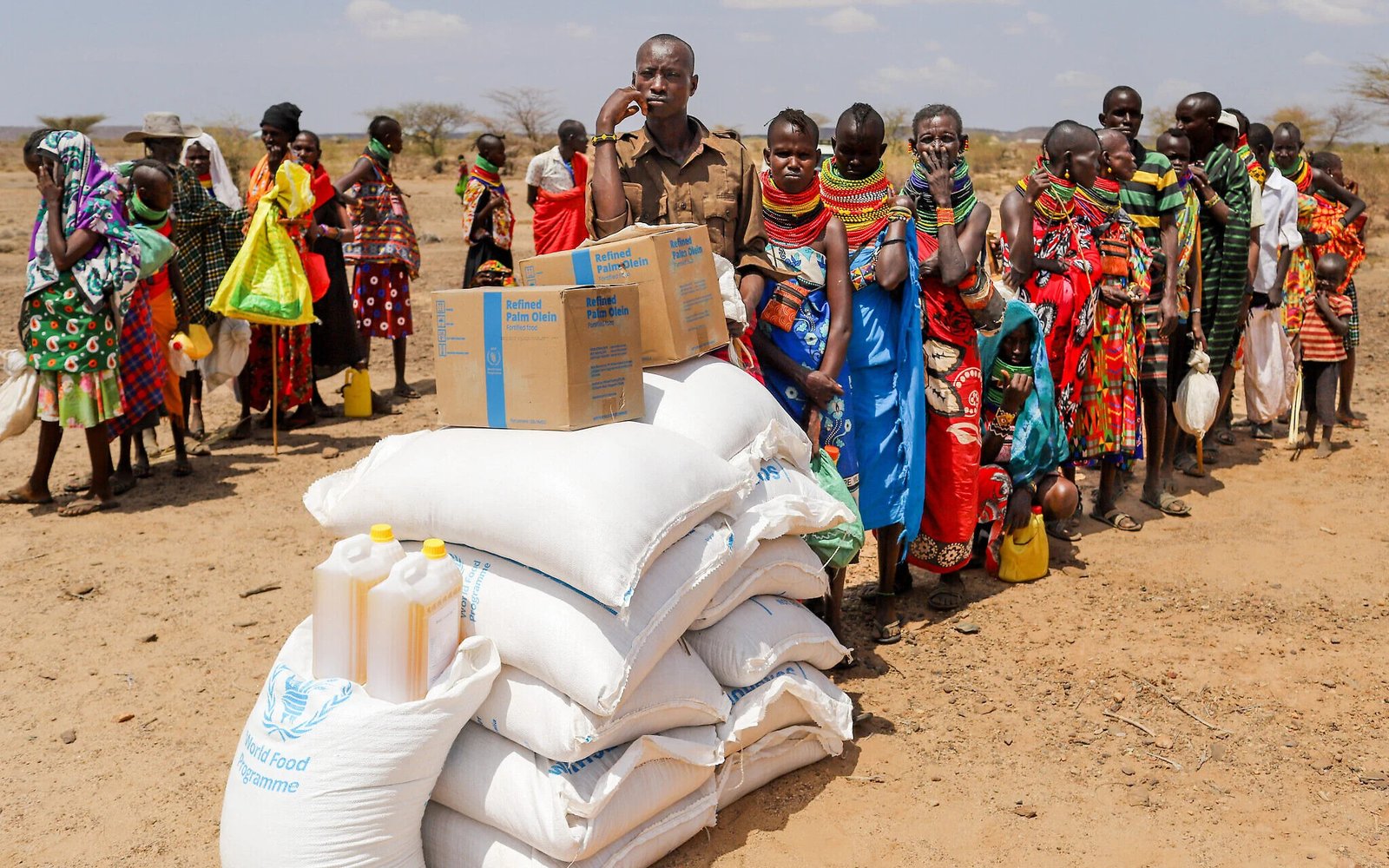
The World Food Programme has warned that the ripple effects of the crisis could leave tens of millions more people at risk of hunger. Even before the current escalation, global food insecurity levels were already extremely high, with hundreds of millions of people facing acute shortages. The ongoing disruption has now worsened the outlook, with agencies estimating that millions may lose access to vital food aid in the coming months.
The impact is being felt across multiple continents. In Yemen, where conflict and economic collapse have already left large parts of the population dependent on aid, food and shipping costs have risen sharply, making basic supplies harder to deliver. In Somalia, the cost of importing essential medicines for treating malnutrition in children has reportedly tripled since the crisis began, leading to fears that fewer children will receive life-saving treatment.
In Afghanistan, logistical challenges have become particularly severe. Aid shipments that once took a matter of weeks are now taking significantly longer routes to avoid the Strait of Hormuz entirely. Supplies are being redirected through alternative maritime paths, adding thousands of kilometres to journeys and increasing delivery times by several weeks. Humanitarian workers warn that such delays are already having a direct impact on vulnerable populations, including children suffering from acute malnutrition.
The situation has been further complicated by global reductions in foreign aid budgets. Several major donor countries have cut back their humanitarian spending in recent years, including the United States and the United Kingdom, leaving aid organisations with fewer resources to absorb rising operational costs. This has created what aid workers describe as a “double pressure” scenario, where funding is shrinking while expenses are rising sharply.
Experts also warn of long-term consequences beyond immediate food shortages. Disruptions in fuel and fertiliser supply chains are expected to impact agricultural production in several developing countries during upcoming planting seasons. Reduced access to fertiliser could significantly lower crop yields, potentially worsening food insecurity and triggering further economic instability in already fragile regions.
The World Food Programme has highlighted that a large proportion of global food and agricultural supply chains depend on stable access through the Strait of Hormuz. Any prolonged disruption, they caution, could have cascading effects on global food prices, migration patterns and regional stability.
Humanitarian organisations are increasingly urging world leaders to treat aid logistics as essential infrastructure during times of conflict. They argue that protected humanitarian corridors, similar to those established in previous international crises, could help ensure that life-saving supplies continue to reach affected populations even during periods of geopolitical tension.

However, political and military complexities surrounding the Strait of Hormuz make such proposals difficult to implement. The region remains highly sensitive, with competing national interests and ongoing security concerns complicating efforts to establish neutral passage routes for humanitarian cargo.
Despite these challenges, aid groups insist that urgent action is needed. Without intervention, they warn, the combined effects of rising costs, shipping delays and reduced funding could push already vulnerable communities closer to catastrophe.
As the conflict continues to reshape global supply chains, humanitarian agencies are calling on governments, international organisations and shipping authorities to prioritise the protection of civilian aid routes. For millions of people dependent on food, medicine and emergency relief, the outcome of these negotiations may determine whether life-saving assistance arrives in time or not at all.
Related News:
 Death, displacement and military duties: children plunged into crisis
 Middle East Crisis Escalates as Oil Routes Shake Markets
 UK Prepares Aircraft Carrier for Middle East Crisis
 Activists allege abuse after Gaza flotilla seizure
 Trump likens US Navy actions to ‘pirates’
 Trump Announces 3-Day Russia–Ukraine Ceasefire Deal
 Israeli Strikes in Lebanon Kill 10 Amid Ceasefire Strain
 Hunger increasingly weaponised in global conflicts
 Former ICC prosecutor condemns US sanctions
 Trump Claims Iran Peace Deal Near Completion
 Houthis Strike Saudi Arabia as Middle East Tensions Rise
 Taliban global ties grow as rights fears mount
 Israeli Strike in Southern Lebanon Kills Seven
 Iran Leader Blames Protesters, Says They Serve Trump
 Thousands Protest ICE in New York Against Trump Deportation Campaign
 Australian Women in Syrian Camp Offer Separation Deal
 Tribunal Rules Burgertory Founder’s Chant Incited Hatred
 Middle East Flights Halted After Iran Strikes
 Riyadh Drone Attack Escalates Regional War
 Middle East attacks intensify as Trump rejects Iran talks
 Iran-Iraq border airstrikes spark new tensions
 Petrol Prices Soar as Retailers Accused of Gouging Amid Global Tension
 Iran-Iraq Border Strikes Spark New Front Fears
 Thousands Protest Iran Strikes Outside US Embassy London
 US Bombers Arrive at RAF Base Amid Rising Iran Tensions
 Ukraine war briefing: Zelenskyy offers help to Saudi Crown prince on combatting Iranian drones
 Mojtaba Khamenei Chosen as Iran’s New Supreme Leader
 Tehran Oil Depot Strikes Darken City With Toxic Smoke
 Seventh US Service Member Killed in Iran Conflict Identified
 Mojtaba Khamenei Supporters Rally as Iranians Fear Repression
 Tehran Strikes Mark War’s Most Devastating Night
 Iran Defiance Grows Amid US-Israel War Pressure
 Hormuz Crisis Sparks Global Oil Market Fears
 Injured Mojtaba Khamenei Elevated as Iran Leader
 US Missile Strike on Iran School Sparks Global Shock
 Iran Gulf attacks escalate as ships and airports targeted
 Ancient Heritage Sites Damaged in Recent Airstrikes
 Gaza Detainee Abuse: Israel Drops Charges Against Soldiers
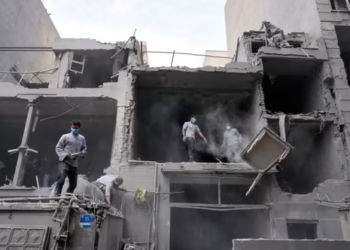 Trump Iran War Stance Hardens as Conflict Widens
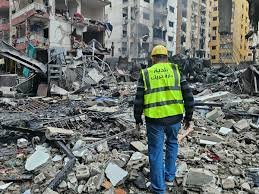 Lebanon Ground Campaign Raises Occupation Fears
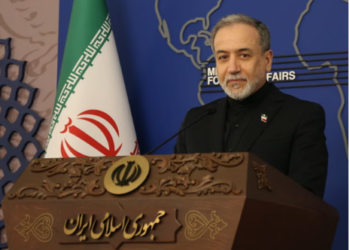 Gulf Tensions Rise as Iran Alleges Covert Support
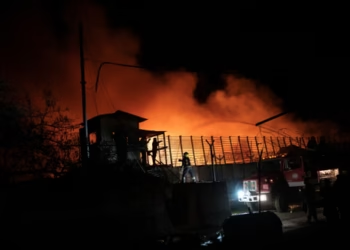 Kabul hospital strike sparks deadly blame row
 Iran Threatens Total Destruction of Mideast Energy Grid
 Hong Kong Bookstore Arrests Spark New Freedom Concerns
 Iranian President’s Son Shares Wartime Hopes and Fears
 MAGA Anxiety and the Iran War: A Movement Divided at CPAC
 Trump Threatens Iran With Total Infrastructure Destruction
 Iran Drone Strike Hits Kuwaiti Oil Tanker in Dubai Port
 Trump’s Six-Week Iranian War: The High Cost of Ignorance
 Middle East Analysis: The Cost of a Fragile Peace
 Iran Crisis Tests Trump’s Global Leadership
 Trump Faces Crisis as Iran Reopens Hormuz Tensions
 Iran Reimposes Strait of Hormuz Restrictions Amid Tension
 Ukraine Urges UK to Seize Russian Oil Tankers
 Australian Activists Detained as Gaza Aid Flotilla Intercepted
 Coalition pushes fossil fuel phaseout plan
 Judge halts deportation of Yemeni refugees in US
 Ohio’s Battle for Trust: Democrats Vying to Flip the Buckeye State
 Alice Springs Murder Case: Justice Begins for Little Baby
 Afghan Families Left in Limbo Face Risk of Deportation
 Three Australian Women Detained Over Islamic State Links
 Tensions Emerge in Netanyahu-Trump Alliance
 Plea for Mercy: The Battle to Bring Ahmed al-Doush Home
 Tensions Flare as Israeli Nationalists March in Jerusalem
 Gulf Crisis Deepens After Drone Attack Near Nuclear Facility
 US green card applicants must apply from abroad, DHS says
 UK Pushes for New EU Goods Trade Deal
 Reeves Fights to Keep Treasury Role Amid Labour Turmoil
 Discontent grows around Putin amid war strain
 US Strikes Iranian Sites Amid Shaky Ceasefire Talks
 Israel Intensifies Lebanon Strikes to Crush Hezbollah
 Trump’s Iran Deal Plan Sparks Intense Alarm Across Israel
 US and Iran Trade Fresh Strikes, Threatening Ceasefire
 Trump Confronts Netanyahu in Explosive Beirut Phone Call
 Preserving the Fragile Memories of Tiananmen Square
 Millions Gather for Khamenei’s Six-Day State Funeral
 Unflinching Witness: Doctors Document Gaza’s Medical Crisis
 Ukraine Creates Long-Range Strike Command
 Labour MPs Urge Burnham to Revive UK Aid Target
 Dreyfus Statue Finally Gets Permanent Paris Home