Published: 29 April 2026. The English Chronicle Desk. The English Chronicle Online
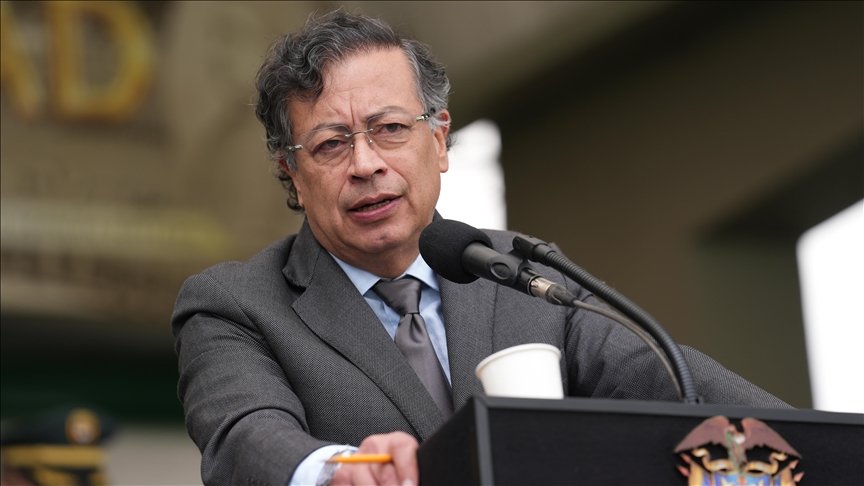
In a stark and provocative warning to world leaders, Gustavo Petro has described the current global economic system as “suicidal,” arguing that an entrenched dependence on fossil fuels is pushing humanity toward war, authoritarianism, and potential extinction. Speaking at a landmark international climate conference in Colombia’s coastal city of Santa Marta, Petro addressed representatives from 57 nations gathered to confront the escalating climate crisis and chart a path toward a greener future.
Petro’s remarks set the tone for what has become one of the most urgent and ideologically charged climate discussions in recent years. He argued that fossil fuel-driven capitalism is not merely environmentally unsustainable but structurally dangerous, warning that its continuation could trigger broader societal collapse. According to Petro, the inertia of fossil fuel industries—combined with their economic and political influence—has created a system that resists transformation, even in the face of mounting global risks.

“There is inertia in the power and the economy of this archaic form of energy—fossil fuels—that leads to death,” Petro told delegates. He suggested that the very system sustaining fossil fuel dependence could ultimately destroy itself, “taking with it humanity and other life.” His comments raise a profound question that resonated throughout the summit: can capitalism evolve into a model that no longer depends on fossil energy, or is its current trajectory inherently self-destructive?
The Colombian president also drew a direct connection between environmental degradation and political instability. He warned that the world is drifting toward “barbarism,” a condition he described as both a precursor to and a defining feature of fascism. In his view, climate inaction and economic inequality are not isolated crises but interconnected forces that could destabilize democratic institutions and fuel extremist ideologies.
The conference in Santa Marta marks the first global gathering specifically dedicated to coordinating a transition away from fossil fuels. The event began with several days of discussions involving civil society groups and academic experts before moving into high-level negotiations among government ministers and policymakers. While the summit is not expected to produce binding financial commitments, it has already become a critical forum for shaping the future of global climate policy.
Several countries have arrived at the summit with concrete plans. Colombia recently unveiled a draft roadmap outlining its strategy to reduce reliance on fossil fuels, signaling a shift in national priorities. Meanwhile, France made headlines by becoming the first developed country to publish a detailed timeline for phasing out fossil fuels. Its plan includes eliminating coal from its energy grid by 2027, ending oil dependency by 2045, and phasing out fossil gas by 2050.
French climate envoy Benoit Faraco described the strategy as a step beyond the country’s existing commitments under the Paris Agreement. France, which already relies heavily on nuclear energy, aims to expand renewable sources while positioning itself as a major exporter of clean electricity across Europe. Faraco emphasized that the transition is not only an environmental necessity but also an economic opportunity, framing it as a pathway to energy leadership in a decarbonized world.
Despite these ambitions, a recurring theme throughout the summit has been the financial constraints facing developing nations. Delegates from across the Global South highlighted the growing burden of debt as a major obstacle to climate action. Many countries, particularly those rich in fossil fuel resources, remain dependent on oil, gas, and coal exports to service their debts and sustain their economies.
Tzeporah Berman, founder of the Fossil Fuel Treaty Initiative, underscored this dilemma, noting that countries are often forced to expand fossil fuel production simply to meet financial obligations. She warned that without addressing the global debt crisis, a meaningful transition to clean energy would remain out of reach for many nations.
The scale of the problem is significant. In Africa alone, total debt has surged to over $1 trillion in just five years. Rising interest rates, coupled with inflation driven in part by energy price volatility, have intensified economic pressures. For many governments, the immediate need to stabilize their economies outweighs long-term environmental goals.
Susana Muhamad, Colombia’s former environment minister and now a key figure in the Fossil Fuel Treaty Initiative, explained that debt-stricken countries often lack the fiscal space to invest in renewable energy. She pointed out that revenues from fossil fuel exports are frequently essential for covering basic imports such as food, medicine, and technology. Without alternative financial support, these nations face a difficult trade-off between economic survival and environmental responsibility.
Civil society groups have responded by calling for debt forgiveness and structural reforms to the global financial system. Activists argue that much of the existing debt in developing countries is linked to projects that have harmed both people and the environment, including large-scale fossil fuel developments. They contend that relieving this burden is essential for enabling a just and equitable energy transition.

While the Santa Marta conference is not expected to deliver immediate financial solutions, it has opened the door to new ideas. Experts have suggested redirecting the estimated $1.5 trillion spent annually on fossil fuel subsidies toward clean energy investments. Others have called for stricter financial regulations to limit funding for fossil fuel projects and to ensure that climate risks are assessed independently rather than by the industries themselves.
Leo Roberts of the E3G think tank described the summit as an important space for dialogue, even in the absence of major funding announcements. Similarly, Nick Robins of the World Resources Institute emphasized the need to “close off the financial oxygen” sustaining fossil fuels, highlighting the role of banks and regulatory frameworks in shaping the energy transition.
As the conference continues, Petro’s warning lingers over the proceedings. His characterization of the current system as “suicidal” reflects a growing frustration among leaders and activists who see climate change not just as an environmental issue, but as a systemic crisis requiring fundamental change. Whether capitalism can adapt to a fossil-free future remains an open question, but the urgency of the challenge is no longer in doubt.
Related News:
 Trump to Deploy “God Squad” Over Gulf Wildlife Protections
 Norway Doubles Down on Oil and Gas for Europe Energy Security
 Canada Passes Carney’s First Budget in Tight Parliamentary Vote
 India’s Labour Law Overhaul Sparks Fierce Debate
 Carney’s Alberta Pipeline Deal Sparks Immediate Pushback
 Mark Carney Walks Diplomatic Tightrope on China Visit
 Scotland’s Climate Plans Face Scrutiny Over ‘Science Fiction’ Targets
 The Truth Behind Rising Energy Costs and Fossil Fuel Myths
 Trump Slams UK Ties and Threatens To Rewrite Trade Deal
 Athens Mayor Moves to Tackle Overtourism Crisis
 Southeast Asia Turns to Russia Amid Energy Crisis
 US Calls Australia Media Law “Foreign Extortion”
 Oil Prices Surge Above $120 Amid Iran Blockade Fears
 Trump approval plunges amid Iran war fears
 Trump Threatens UN Budget Cuts as US Pushes ‘Trade Over Aid’ Agenda
 Doomsday Clock Nears Midnight Amid Global Crises
 US Awaits Iran Reply on New Ceasefire Proposal
 Beijing Becomes Centerstage for Global Diplomatic Ballet
 Hormuz Talks Near Critical Stage
 UK Pushes for New EU Goods Trade Deal
 Reeves Fights to Keep Treasury Role Amid Labour Turmoil
 Germany Summons Chinese Envoy Over Russian Troop Training
 Europe Weighs Hormuz Navigation Fee Plan
 Ukraine Creates Long-Range Strike Command
 Venezuela Quake Death Toll Surpasses 4,000
 Three-Quarters of England’s Riverbanks Still Off Limits
 Wildfires rage across Europe as hundreds arrested in France
 Burnham unveils £65m drought aid for farmers
 Trump’s UK Ambassador Urges North Sea Drilling to Strengthen US Ties
BBC to Apologise Over Edited Trump Speech Amid Backlash
Trump’s UK Ambassador Urges North Sea Drilling to Strengthen US Ties
BBC to Apologise Over Edited Trump Speech Amid Backlash
 Britain deploys RAF specialists to assist Belgium with drone threats
 Millionaires group urge Reeves to introduce wealth tax to ‘lift kids out of poverty’
 Greene Pushes Epstein Files Amid Trump Fallout
 Trump Deploys DHS to Charlotte in Major Arrest Operation
 December Run-Off in Chile as Election Produces No Winner
 Shadow Fleet at Sea: Europe’s Battle Against Illicit Oil Shipping
 Georgians Defy Government Crackdown After Year of Protests
 Starmer Says Labour’s Economic Plan Needs Years to Deliver
 ‘Extinct’ Antelope Returns to Sahara, Bringing Hope
 Trump Policies Boost China’s Global Rise, Survey Finds
 Trump Fed bid heads to Supreme Court
 Half the World’s Largest Cities Face Rising Water Stress
 Pentagon Signals Reduced Role in Deterring North Korea
 UK and US Drop in Global Corruption Index Rankings
 UK shelves £110m border project amid trade strain
 Canberra Poster Seizure Sparks Free Speech Row
 Evo Morales Returns After Mysterious Absence
 Ocean Warming Drives Massive Marine Life Loss, Study Warns
 Greenpeace $345m Ruling Sparks Appeal Battle
 Jacinda Ardern Moves To Australia Following Her US Fellowships
 Jacinda Ardern Move Sparks Kiwi Reflection
 Nick Greiner Warns Over Election Review Fallout
 Injured Mojtaba Khamenei Elevated as Iran Leader
 Gordon Brown urges court for crimes against children
 Oil Prices Jump After Trump Claims Iran Oil Hub Destroyed
 Pakistan Targets Militant Hideouts in Afghanistan
 Air Canada CEO Faces Outcry Over Recent Language Misstep
 Extreme Weather: Europe Shivers as Cyclone Narelle Hits
 Relationship with Trump may be beyond repair, Starmer warned
 Trump Brokers Landmark Lebanon Ceasefire Amid Regional Hopes
 UK Stands Firm on Falklands Amid US Rift
 $13bn World Cup Set to Break All Revenue Records
 Coalition pushes fossil fuel phaseout plan
 Ohio’s Battle for Trust: Democrats Vying to Flip the Buckeye State
 Tough Fiscal Realities Await Next Scottish Government
 US ‘Narco Boat’ Strikes Draw Global Outcry
 Afghan Families Left in Limbo Face Risk of Deportation
 High Street Crisis: Fears Grow Over Post Office Closures
 Oil Markets Face ‘Red Zone’ Threat Amid Iran Crisis
 Pope Meets Families in Italy Toxic Waste Zone
 Albanese Defends Tax Reforms Amid Emotional Speech
 Discontent grows around Putin amid war strain
 Starmer Leadership Under Pressure After Setbacks
 UK Economy Suffers a Sharp Downturn as Iran Conflict Bites
 US Courts Back Trump on Park Signage Removals
 UK Heatwaves Ignite Crisis of Sleep and Public Safety
 Le Pen to Run for President Despite Embezzlement Conviction
 Thames Water Future Remains Uncertain Amid Funding Crunch
 Houthis Strike Saudi Arabia as Middle East Tensions Rise
 Wildfires Force Mass Evacuations in France And Spain