
Published: 1 May 2026. The English Chronicle Desk. The English Chronicle Online
In a week dominated by reports of “accountability rot” and the CQC’s “requires improvement” ratings for elderly care, 80-year-old Margaret “Maggie” Thistlewood is proving that the “Golden Tone” of aging isn’t found in a rocking chair, but at 15,000 feet. Maggie, a retired librarian from Shropshire, has become a viral sensation after completing her tenth solo skydive to mark her eighth decade, telling onlookers at the drop zone: “I like doing things that scare me—it’s the only way to know you’re still invited to the party.”

Her “fear-first” philosophy is sparking a national conversation about the “resilience” of the UK’s aging population and the importance of “time, effort, and resources” in maintaining a high quality of life well into one’s nineties.
Maggie’s approach to aging is a radical departure from the “safety-first” culture often criticized in cases like the Derwent Lodge Nursing Home tragedy.
The Bucket List: Since turning 70, Maggie has tackled white-water rafting on the Zambezi, cage-diving with sharks, and now, her decennial skydive.
The “Dopamine Desert” Escape: While teens trial life without social media to find excitement, Maggie argues that the elderly often face a “dopamine desert” of their own—a world where they are “wrapped in cotton wool” until they lose their sense of agency.
The Science of Scaring Yourself: Gerontologists suggest that “controlled fear” can actually improve cognitive health by triggering neuroplasticity—similar to the “psychological reset” seen in the psilocybin smoking cessation trials.
Maggie’s story is being held up as a mirror to the “98-year-old in severe pain” case, highlighting the vast disparity in how “care” is defined in 2026.
Agency over Protection: “We spend so much time trying to keep old people ‘safe’ that we forget to keep them ‘alive’,” Maggie shared during an interview. Her stance challenges the “accountability rot” where care providers prioritize avoiding lawsuits over facilitating life-affirming experiences.
The “Slow-Motion” Crisis: Maggie notes that the “slow-motion” nature of aging doesn’t have to be a decline. Much like the RHS Wisley wisteria—which requires years of patient pruning to reach its “milestone” bloom—Maggie views her 80s as her peak “flowering” period.
The Cost of Living: Maggie acknowledges she is lucky to have the “resources” to pursue her hobbies, noting that for many, the $126 oil spike and the Iran war mean they are struggling to afford the bus to the shops, let alone a plane to a drop zone.
As King Charles concludes his Washington visit, Maggie’s story offers a grassroots example of the “Special Relationship” between personal bravery and national character.
The “Hormuz” Perspective: “People are worried about the Strait of Hormuz and the oil prices,” Maggie says. “And they should be. But you can’t let the world’s problems stop you from jumping out of a plane. If anything, the chaos is a reason to do it sooner.”
The Digital Legacy: Maggie’s jump was filmed by her grandson and uploaded to the “IRL” portal, where it has received over 6 million views, providing a much-needed “dopamine hit” of positivity in a week of “national security emergencies.”

Maggie is currently planning her 81st birthday challenge: a wing-walk to raise funds for “Improved Action on Eating Disorder Care”—a cause she says is “often ignored in the elderly because people assume we’ve outgrown our struggles with ourselves.”
As the Southbank Centre celebrates 75 years of British culture, Margaret Thistlewood stands as a living exhibit of the “Greatest Generation’s” enduring grit. She reminds us that while the robotic abdomen surgery may be a medical milestone, the greatest technology we possess is the human will to look at something that scares us and say, “Let’s go.”
Related News:
 Mind Launches Inquiry into AI and Mental Health After Guardian Investigation
 Water Cremation Introduced in UK First
 ‘A Living Nightmare’: Parents of Vaccinated Teenager Speak Out After Rare Meningitis B Battle
 ‘The Best Decision I Ever Made’: A Mother’s Viral Plea After a Near-Miss with Lung Disease
 Paws for Peace: Frankie the Cockapoo Brings ‘Unfiltered’ Joy to MND Centre
 The Friendship Friction: Would You Call Out Your Friend’s Toxic Behaviour?
 The ‘Pain-Free’ Revolution: Hospital Celebrates ‘Seismic’ Hip Surgery Milestone
 The Wheels of Hope: Charity Delivers ‘Seismic’ Joy Through Specialized Bikes for Children with Cancer
 Robotic Revolution: UK Surgeons Complete First “Fully Autonomous” Abdominal Procedure
 “The Weight of the Nation”: Campaigners Demand Overhaul of “Fragmented” Eating Disorder Care
 Breaking the Habit: Psilocybin Outperforms Nicotine Patches in Landmark Smoking Cessation Trial
 UK Launches World-First Gonorrhoea Vaccine Amid Record Infection Surge
 AI Tools Used by English Councils Found to Downplay Women’s Health Issues, Raising Concerns Over Gender Bias in Care
 Shocking Rise in Children’s Exposure to Violent Online Pornography Raises Alarm
 Omeprazole Alert: NHS Issues Guidance on Safe Use for Heartburn and Indigestion
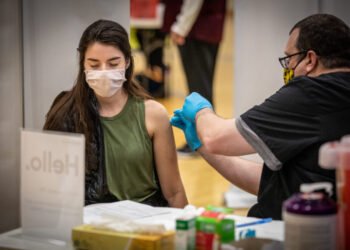 Eligibility Confusion Over COVID Vaccination Leaves Pharmacies Struggling Across the UK
 Majority of UK Men Would Opt for Prostate Cancer Screening, Survey Finds
 Scientists Announce First Potentially Accurate Blood Test for Chronic Fatigue Syndrome
 NHS May Pay 25% More for Medicines Amid US Drug Talks
 Survey Shows Most GPs Rushing Appointments
 Genetic Tests May Predict Return of Blood Cancer
 UK Woman Becomes Longest Survivor of Heart-Lung Transplant
 Thousands in the UK sue Johnson & Johnson over alleged talcum powder, linked to cancer
 ‘Game-Changing’ HIV Prevention Jab Set for NHS Approval
 Experts Urge Legal Right to Timely Cancer Care
 Patients to Test Health at Home to Ease NHS Winter Pressure
 North Sea oil workers must lose weight or face job loss
 UK launches major AI drive to fight deadly superbugs
 Coffins Now Too Large to Cremate Amid Rising Obesity Crisis
 NHS paediatric leave parents waiting months for answers
 Robo-Vaccination Could Transform Fight Against Bovine TB
 Illegal Skin Lightening Cream Being Sold in UK Butchers, Watchdog Warns
 ‘A Disgrace’ — Patient Blasts Neurology Report
 ‘I Almost Died After a Touch‑and‑Go C‑Section’
 Vegetarian Diet Linked to Lower Risk of Several Cancers
 Streeting Criticises SNP Over NHS App Dispute
 Scots Firefighter Cycles 800 Miles for MND Charity
 Woman, 29, ‘Chucked’ Into Care Home 100 Miles Away
 Surgeon’s op on patient 1,500 miles away a UK first
 Father Dies by Suicide Weeks After Wedding in Clitheroe
 SNP Health Secretary Criticised Over NHS Failures Locally
 Scotland Combines Alcohol and Drug Strategy to Cut Addiction Deaths
 Dad Delivers Baby After Midwife Flees During High‑Risk Labour in UK
 Schnauzer Travels 140 Miles for Life-Saving Spinal Surgery
 The High Cost of Survival: How the 2026 Fiscal Outlook is Redefining British Life
 Safety Fears at New £200m Maternity Unit: Mums-to-Be ‘Put at Risk’
 ‘F***, We’re Dead’: The Chilling Final Words from the Air France 447 Cockpit
 Spring Awakening: Temperatures to Hit 17°C as Britain Bathes in Sunshine
 Fuel Famine: How African Nations are Rationing Power and ‘Diluting’ Petrol to Survive
 ‘My Daughter is Under the Rubble’: The Human Cost of the Tehran Strikes
 Parents Warned Against Letting Children Cuddle Lambs Following Infection Spike
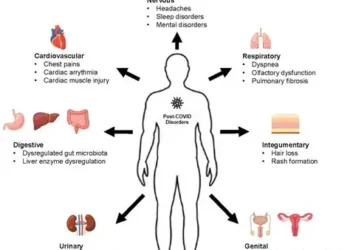 ‘Zoom Dysmorphia’ Explosion: BDD Patients Quadruple in Post-Pandemic UK
 ‘Look After the Children’: The 84-Year-Old Widower Fighting a Broken Care System
 The Miracle of Phoenix: ‘Half Dead’ Rescue Dog Defies the Odds in Worcestershire
 The Hidden Hurdle: Breaking the Silence on Athletic Incontinence
 The Silent Lifeline: Why the 2026 Digital Switchover has Millions Saying, ‘I Didn’t Realise How Much I Needed My Landline’
 The Sofa Sanctuary: Llantwit Major Family Living in ‘Disgusting’ Rat Infestation
 Southern Skies: High Turnout and Surprise Visitors in Birdwatch 2026
 Near-Miss Tragedy: 11-Year-Old Injured After Found Gun Discharges
 GSK cancer drug shows early promise in trials
 The Price of Help: Fuel Surge Threatens Charitable ‘Power Plant’
 Heroism on the Platform: Strangers Save Youth After Seizure on Train Tracks
 Toxic Trail: Dog Owners Warned Over ‘Vile’ Poisoned Meat Found in Parks
 The Green Mile: Country Lane Solar Farm Set to Power 13,000 Homes
 Digital Shield: Met Police Trial AI to Fast-Track Child Abuse Investigations
 The Waiting Ward: ‘Month of Worry’ as Doctor Strikes Trigger Seismic Surgery Delays
 Rights and Respect: Nurse Wins Legal Settlement Over Transgender Pronoun Dispute
 The Pouch Peril: Dental Experts Probe the ‘Seismic’ Impact of Nicotine Pouches on Oral Health
 ‘A Walking Miracle’: UK’s Youngest In-Utero Transfusion Patient Celebrates Recovery
 Human Capital for AI Infrastructure: Meta Cuts 8,000 Staff to Fuel $135bn Bet
 NHS Safety Fears as Nurses Cover Doctor Gaps
 Reform UK funding: mystery billionaire revealed
 A Nation in Flux: UK Healthy Life Expectancy Plummets to Record Lows
 “It Felt Like Normal Life Just Dissolved”: Teenage Girls Invent Drug-Detecting Straw After Spiking Ordeal
 “Don’t Ignore Us”: Bereaved Families Demand Urgent Summit as PM Meets Tech Giants
 The “Cancer Commute”: Patient Warns of Breaking Point Over 40-Mile Treatment Trek
 “Adult Trends” for Children: Mum’s Viral Horror at “Sexualised” Swimwear in Major UK Retailer
 The “Dry” Life: Teens Trialing Social Media Bans Call Initial Disconnection “Boring” and “Dry”
 “Invisible Agony”: 98-Year-Old Woman Left in “Severe Pain” for Days Amidst Care Backlog
 The “Time Tax” of Memory: Why Dementia Care is the Ultimate Test of UK Resilience