Published: 02 May 2026. The English Chronicle Desk. The English Chronicle Online
A new financial guidance initiative has been launched in the UK designed to help millions of people make better decisions about saving, investing, and pensions, as regulators and policymakers attempt to close the gap between cash savings and long-term investment returns.
The scheme, known as “targeted support”, has been introduced by the UK’s financial regulator, the Financial Conduct Authority (FCA). It allows authorised banks, building societies, and investment platforms to offer customers tailored suggestions about investment and pension options based on their financial circumstances.
Unlike formal financial advice, which is typically paid for and reserved for higher-income clients, targeted support sits in a middle ground between general information and personalised advice. It is designed to be widely accessible, with most services expected to be offered free of charge, while commission-based selling has been banned.

Under the system, customers may receive prompts suggesting they consider moving surplus cash from low-interest savings accounts into investment products such as stocks and shares ISAs or pension schemes. These suggestions are not individually tailored in the strict legal sense, but are instead based on patterns of customers in similar financial situations.
Regulators say the aim is to address what they describe as widespread “investment inertia” among UK savers. The FCA estimates that around seven million adults hold £10,000 or more in cash savings but are not investing, potentially missing out on higher long-term returns.
The initiative comes at a time when fewer than one in ten people in the UK access regulated financial advice. Meanwhile, a growing number of individuals are turning to informal sources, with nearly one in five investors reportedly seeking guidance from social media platforms, raising concerns about misinformation and poor financial decision-making.
Several major financial institutions have already been approved to offer targeted support, including wealth manager Quilter and insurer Royal London. Other firms such as Barclays have indicated plans to introduce similar services, while some providers remain cautious about how the system will operate in practice.
Executives within the industry have broadly welcomed the reform. Quilter chief executive Steven Levin said the system could help people overcome hesitation when it comes to investing. He described financial decision-making as something that often feels overwhelming, leading many savers to delay action even when it may not be in their best interest.
The pension and insurance sector is also exploring how technology could support the rollout. Scottish Widows has been testing the use of artificial intelligence tools within its mobile applications. The company has described these systems as working in a similar way to navigation tools, guiding users through financial choices based on their goals and circumstances.
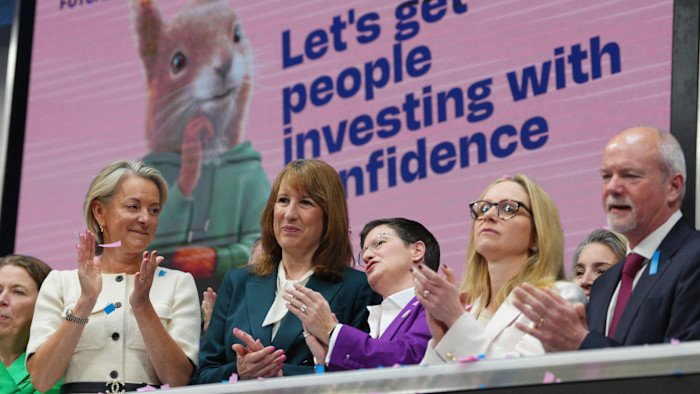
Policy makers see targeted support as part of a wider push to change the UK’s investment culture. The Chancellor, Rachel Reeves, has argued that encouraging more people to invest is essential both for improving personal financial outcomes and for strengthening the wider economy.
The government believes that the UK has one of the lowest levels of retail investment among major advanced economies. It argues that this means many savers are not achieving optimal long-term returns, while businesses may also be missing out on domestic investment capital needed for growth.
To support this shift, public awareness campaigns have already been launched, including initiatives aimed at encouraging cautious savers to consider investing. These efforts form part of a broader strategy to promote financial literacy and engagement with markets.
However, regulators and consumer groups have also urged caution. The consumer organisation Which? has warned that consumers should not assume that investment products suggested by banks will automatically be the most suitable option for their individual needs. It emphasised the importance of understanding risk, particularly since investments can fall in value as well as rise.

The FCA has acknowledged these risks but argues that targeted support is designed to improve decision-making rather than replace professional advice. It stresses that the service is intended to provide clearer pathways for people who might otherwise leave their money in low-interest accounts for extended periods without exploring alternatives.
Economists note that while cash savings provide security, inflation can reduce their real value over time. In contrast, investments such as equities have historically delivered higher returns over the long term, although with greater short-term volatility.
The introduction of targeted support is therefore seen as an attempt to strike a balance between encouraging greater participation in investment markets while avoiding the risks associated with unsuitable or poorly understood financial products.
As the system begins to roll out across the financial sector, its impact will depend on how effectively institutions communicate risk, build trust with consumers, and ensure that guidance remains transparent and unbiased. For now, regulators are betting that even modest changes in behaviour could significantly increase participation in investing and reshape the UK’s long-standing savings culture.
Related News:
 Wealthy Britons Flee Gulf War but Avoid UK Taxes
 UK Wage Growth Slows as Jobs Market Holds Firm
 BBC News Faces Deep Cuts in 2,000 Job Plan
 Reeves Fights to Keep Treasury Role Amid Labour Turmoil
 UK rejects EV charging VAT cut amid Treasury clash
 UK Doubles Steel Tariffs to 50% to Protect Domestic Plants
 Oil and Gas Prices Surge Amid Iran-Israel Attacks on Gasfields
 Student Loan Interest May Rise Despite 6% Cap
 Carmakers Face £3bn Gap in UK Loan Payout Scandal
 Albanese Rejects Gas Export Tax Push
 City & Guilds Faces Governance Crisis Over Sale
 UK Pushes for New EU Goods Trade Deal
 Essex valley emerges as rising English wine hub
 Labour MPs Urge Burnham to Revive UK Aid Target
 EasyJet Takeover Sparks Fears Over Passengers’ Future
 Reeves Faces Setback as Labour May Miss Homes Target
 Trump’s UK Ambassador Urges North Sea Drilling to Strengthen US Ties
 ABF May Split Primark from Food Division Amid Tough Market
 M&S Profits More Than Halve After Cyber-Attack
 Tony Blair think tank warns Rachel Reeves must cut taxes if manifesto broken
 Millionaires group urge Reeves to introduce wealth tax to ‘lift kids out of poverty’
 Global markets drop amid tech sell-off and China slowdown
 PM Highlights UK Business at G20 in South Africa
 Mossmorran Plant Closure Hits Cowdenbeath Hard
 Starmer Says Labour’s Economic Plan Needs Years to Deliver
 Virgin Media Fined £23.8m Over Telecare Safety Failures
 Rising Water Bills Lift Troubled Thames Back to Profit
 Starmer Faces Parliamentary Battles Over UK-EU ‘Reset’ Plan
 Phoenixism Costs UK Taxpayers Millions in Recruitment Sector
 ScottishPower Tops List of Worst UK Energy Suppliers
 City & Guilds pay surge sparks backlash amid £22m cuts
 UK Government Borrowing Drops to £11.6bn in December
 AI job losses UK: Britain faces sharper employment shock
 UK economy struggles as growth stalls at 0.1% in late 2025
 UK Unemployment Rate Climbs to 5.2% Peak
 UK shelves £110m border project amid trade strain
 UK Inflation Surprise Sparks Early Rate Cut Hopes
 Reeves Must Back Defence Plan or Face Dismissal, Says Unite Chief
 Switching Energy Deal Can Save £200 as Price Cap Falls
 Rachel Reeves Faces Middle East Conflict Test
 Grocery Inflation Rises Amid War Fears
 Peak Greggs fears as profits tumble sharply
 BrewDog sold Highland estate for knockdown price after abandoning reforestation plans
 Yorkshire Water Funding Sparks Debate Amid Fines and Pay Row
 Farage Faces Backlash Over Crypto Cameo Endorsements
 UK Energy Reform Could Cut Bills by £200
 Rising Costs Force Families to Rethink Days Out
 Hospitality Sector Teeters on Brink as Costs Surge
 Unions Raise Concerns Over Doctors’ Pay Dispute
 City Firms See Sharpest Fortune Reversal in Thirty Years
 Aegon Sells Historic UK Arm to Standard Life for £2bn
 UK Staycations Rise as Travel Fears Grow
 $13bn World Cup Set to Break All Revenue Records
 Heathrow Chair Seeks Peace to Save Third Runway
Carillion Executives Banned After Reckless Misconduct
Heathrow Chair Seeks Peace to Save Third Runway
Carillion Executives Banned After Reckless Misconduct
 Millionaires Back Higher Taxes to Save UK Public Services
 UK Firms Freeze Spending as Iran Conflict Bites
 Summer Shock: British Energy Bills Set for Grim July Hike
 Reeves to Fast-Track Clean Energy Amid Iran Crisis
 M&S Boss Slates Food Price Caps as ‘Preposterous’
 Albanese Defends Tax Reforms Amid Emotional Speech
 Nationwide Faces Governance Scrutiny Ahead of AGM
 Hungary Targets Oligarchs with Proposed Landmark Wealth Tax
 Tube Strike Brings Capital to a Standstill Over Shift Disputes
 BP Stands Firm on Amanda Blanc Amid Boardroom Storm
 UK House Prices Drop For Third Month Due To War Fears
 Top Chefs Back Andy Burnham to Save UK Hospitality Sector
 UK Steel Crisis: Jingye Demands Payout After Takeover
 Flutter to Cancel London Stock Exchange Share Listing
 AI Scams Push UK Investment Fraud Past £220m
 Thames Water Nationalisation Pushes Closer After Rescue Objected
 Andy Burnham Enlists Economic Heavyweights for Leadership Bid
 Rethinking the Blueprint for Youth Employment in Britain
 Sainsbury’s Boss Optimistic As Grocery Inflation Eases
 UK Households Suffer Squeeze As Disposable Incomes Drop
 Bank of England Eases Rules Despite Rising AI Risks
 Trump Refuses to Sign Housing Bill, But Law Takes Effect
 BBC Faces Real Jeopardy as Licence Fee Income Declines
 Weight-Loss Drugs Offer Food Savings Mainly to High Earners
 Canada to Match Trump’s 50% Tariffs Dollar for Dollar