Published: 04 May 2026. The English Chronicle Desk. The English Chronicle Online.
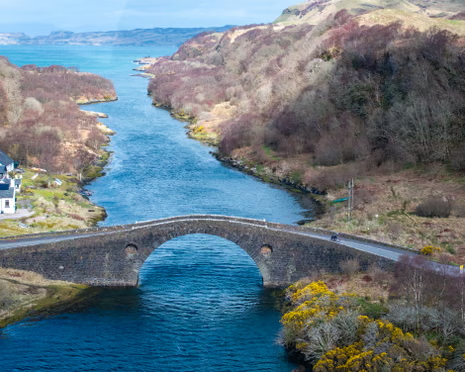
The rugged coastline of Argyll serves as a timeless gateway to the soul of Scotland. At the heart of this landscape sits the historic and iconic Clachan Bridge of Seil. This remarkable humpback structure has spanned the narrow tidal channel since the year seventeen ninety two. For over two centuries it has connected the mainland to the beautiful Isle of Seil. It is known globally as the legendary Bridge over the Atlantic for its unique geography. However a new and modern controversy is now brewing over this ancient stone landmark. Local residents are expressing deep anger regarding a plan to install new traffic lights. They believe this modern addition will destroy the historic character of the scenic area. The bridge is a significant heritage site that draws thousands of visitors every single year. Many tourists come specifically to walk across the narrow span and admire the view. The local council claims that traffic lights are necessary to ensure modern road safety. Yet many islanders argue that there has been no real consultation with the public. Sarah Nicholson is a fourth generation islander who expressed her shock at the news. She noted that the community only discovered the plan when workmen began digging roads. This lack of communication has fueled a sense of betrayal among the local people. The nearest traffic lights are located thirty five miles away in the town of Lochgilphead. This distance highlights how rural and untouched this specific part of the coast remains. Argyll and Bute Council is reportedly spending thirty five thousand pounds on the project.

This is a significant sum for a location that has very few recorded accidents. Analysis shows only three minor collisions occurred at the bridge over twenty five years. None of these incidents resulted in serious injury or long term damage to property. This low accident rate makes the sudden need for traffic lights seem quite strange. Critics argue that the money could be better spent on other local services instead. The bridge itself is very narrow and can barely fit modern sport utility vehicles. Drivers currently negotiate the crossing with a high degree of care and slow speed. This natural caution is exactly what keeps the pedestrians on the bridge quite safe. There are fears that traffic lights will change the psychology of every single driver. A green light might encourage motorists to speed across without watching for tourists. Grant Baxter is a veteran chartered planner with thirty years of professional experience. He believes that lights give drivers a false sense of priority over the walkers. In his view this intervention is a dated solution from the nineteen eighties era. Modern planning policy usually puts the needs of pedestrians at the very top level. Installing signals seems to reverse this hierarchy and favor the movement of motor cars. This shift could make the bridge much more dangerous for people on foot. The visual impact on the bucolic setting is also a major point of concern. The Clachan Bridge is a grade A listed structure with immense historical value today. Its arched silhouette against the Atlantic water is a famous image of Scottish beauty. Adding bright signals and modern poles will certainly clutter this pristine and old view. Councillor Julie McKenzie has organized a large petition to stop the council’s current plan. Her petition gathered fifteen hundred signatures in a very short period of active campaigning. This number is three times the actual population of the Isle of Seil itself. It shows that people far beyond the island care about protecting this heritage site. McKenzie noted that the council failed to consult Historic Environment Scotland about the work. This agency is responsible for protecting the most important historic sites in the country. Their guidance suggests that key views to and from historic assets must be preserved. A spokesperson for the agency said the local authority must decide on necessary consents. This response has left many residents feeling like the bridge has no real protector. The local tourism cooperative has also voiced its concerns about the proposed changes. CEO Cathy Craig emphasized that any changes must preserve the beauty of the area. She called for close collaboration between the local council and the island’s unique community. Visitors come to Argyll for its wildness and its sense of deep history. They do not come to see the same urban features found in cities. There is a risk that over-engineering the landscape will drive away many loyal tourists. Many people believe that simpler and cheaper solutions are available to the local council. For example trimming back the foliage could improve sight lines for all road users. This would cost a fraction of the price of installing a complex system. It would also have almost no impact on the visual beauty of the bridge. The council has issued a public apology for the delay in engaging residents. However they still maintain that the project is necessary for long term safety. They argue that a major collision could cut off the island from the mainland. This justification seems extreme to those who have lived there for many generations. They have watched the bridge function perfectly well without any lights for decades. The debate represents a clash between modern bureaucracy and traditional rural life in Scotland. One side focuses on technical safety standards and strict statutory duties for the road.

The other side values the intangible beauty and the historic spirit of the land. It remains to be seen if the council will listen to the rising anger. For now the workmen continue their task while the islanders watch with great sadness. The Bridge over the Atlantic stands as a symbol of endurance against the sea. It now faces a very different kind of challenge from the modern world today. Residents hope that common sense will prevail before the lights turn forever green. The fight to save the character of Clachan Bridge is far from over. This story has captured the attention of many people across the entire United Kingdom. It serves as a reminder of how easily heritage can be slowly eroded away. People want to ensure that future generations can enjoy the bridge in peace. The magic of the Scottish coast lies in its simple and rugged charm. Replacing that charm with metal poles and lights feels like a profound loss. Everyone agrees that safety is important but the method matters just as much. A balance must be found that respects both the people and the history. Until then the quiet road to Seil remains a place of deep tension. The community stands ready to defend their bridge from this unwanted modern intrusion. They hope the council will reconsider and choose a more sensitive path forward. The outcome will set a precedent for other historic sites across the country. Protecting the past is a duty that we all share for the future. The Bridge over the Atlantic deserves a future that honors its long history.
Related News:
 Reeves Faces Setback as Labour May Miss Homes Target
 Kate Winslet to Narrate Film Highlighting King’s Environmental Mission
 Trump’s UK Ambassador Urges North Sea Drilling to Strengthen US Ties
 UK Bans Fake Numbers: Scammers Lose Their Trick
 Vibe coding’ named Collins dictionary’s word of the year
BBC to Apologise Over Edited Trump Speech Amid Backlash
Vibe coding’ named Collins dictionary’s word of the year
BBC to Apologise Over Edited Trump Speech Amid Backlash
 Millionaires group urge Reeves to introduce wealth tax to ‘lift kids out of poverty’
 Reeves rejects £1bn plea for NHS redundancy payouts
 PM Condemns Leaks, Vows Loyalty to Ministers and Stability
 Phillipson Accused of Appeasing Unions by Diluting EBacc
 Saka Solidifies Role as Tuchel’s Key England Lieutenant
 Greene Pushes Epstein Files Amid Trump Fallout
 Zelenskyy Signs Fighter Jet Deal Amid Russian Drone Attacks
 Sundar Pichai Cautions on AI Hype and Market Risks
 Shadow Fleet at Sea: Europe’s Battle Against Illicit Oil Shipping
 Snow and Ice Cause Travel Chaos in North Yorkshire
 Director Michael Caton-Jones Reflects on Career and Beginnings
 Inside the Helpline Protecting Missing Children in the UK
 PlayStation PS5 Deals Hit Lowest Prices Ahead of Black Friday
 US Suspends Afghan Immigration After White House Shooting
 Five-Year-Old Dies After Rare Tonsil Surgery Complication
 Starmer Says Labour’s Economic Plan Needs Years to Deliver
 ‘Extinct’ Antelope Returns to Sahara, Bringing Hope
 IndiGo Cancels Hundreds of Flights Amid Pilot Shortages
 Young Britons Face Heaviest Burden from Ageing Population, Lords Warn
 U‑Turn on Farmers’ Inheritance Tax Sparks Political Firestorm
 Aston Villa Remain Arsenal’s Key Obstacle in Title Pursuit
 Irish Beach Tragedy: Irish Drown at Whitehaven Beach in Australia
 Starmer Faces Parliamentary Battles Over UK-EU ‘Reset’ Plan
 Met Police Vetting Failures Let Serial Rapists Remain
 Federal Immigration Shift: Officers Leave Louisiana for Minneapolis
 Fatal Bolton Taxi Crash Claims Three Teens and Driver
 Australia grants Asio powers to designate hate groups under new laws
 Friedman Uninvited From 2024 Adelaide Writers’ Week
 US and Iran Agree to Two-Week Provisional Ceasefire
 Battle of Britain Tower to House Tourists and Bats
 The Challenger: Will Péter Magyar End the Orbán Era?
 UK Government Poised to Revive Stalled Hillsborough Law
 Democrats Move to Impeach Defense Secretary Pete Hegseth
 Security Alert Near Israeli Embassy as Police Investigate
 Ben Roberts-Smith Denies War Crime Allegations in First Statement
 Home Office Faces Legal Risks Over Asylum Hotel Living
 US-Iran Standoff: Will Trump Deploy Ground Troops?
 Crisis in NHS Surgery Scheduling Hits Patients Hard
 Investigation Into Anti-Trump Motives After Gala Shooting
 Dubai Assets Linked to Sudan’s RSF Militia Exposed
 Blue Badge Abuse: The Rising Tide of Public Hostility
 Tragedy Strikes at Parafield Airport
 Scott Parker Leaves Burnley After Premier League Drop
 Silent Tracks: Rail Line Without Passengers
 Arteta urges Arsenal to step up in Atlético semi-final
 The Burning Lens: An Iranian Artist’s Visual Resistance
 Met Officers Probed Over Al Fayed Abuse Allegations
 One Nation Candidate’s Surprising Ties to Independents
 Aramco Surges as East-West Pipeline Counters Gulf Tensions
 Reform UK Faces Crisis as Newly Elected Councillors Resign
 Starmer Strikes Back as 100 MPs Sign Support Pledge
 Scepticism and tight security as Beijing braces for Trump
 Tensions Flare as Israeli Nationalists March in Jerusalem
 UK Firms Freeze Spending as Iran Conflict Bites
 UK Job Market Squeezed as Iran War Drives Jobless Rate to 5%
 Reeves to Fast-Track Clean Energy Amid Iran Crisis
 The Battle for Wembley Sparking Unprecedented Legal Warfare
 Tony Abbott Returns as New Liberal Party President
 Pope Meets Families in Italy Toxic Waste Zone
 Royal Ascot Allegation Sparks Wider Police Inquiry
 Secret Role of UK Security Services in Troubles Amnesty Law
 Tube Strike Brings Capital to a Standstill Over Shift Disputes
 Teaching Machines Right From Wrong in the Digital Age
 Is Ollie Robinson the Chaos English Cricket Needs Today?
 The Hidden Crisis Eroding Trust in British Communities
 Saving the Scalloped Hammerhead: The Pacific Battle
 Stolen Mobiles Could Soon Become Useless Bricks
 Clean Air Initiatives Spark Major Fall in London Hospital Admissions
 Fearless Pioneer of Investigative Journalism Dies Aged 83
 Trump Urged to Condemn UFC Fighter Over Obama Slurs
 The Fear Gap: Why Europe Feels Less Safe Than It Is
 US Military Pacific Boat Strike Kills Three People
 Dettol Apologises for ‘Toxic Men’ Advert Backlash in China
 UK Care Crisis: Row Explodes Over New Visa Settlement Rules