Published: 09 May 2026. The English Chronicle Desk. The English Chronicle Online
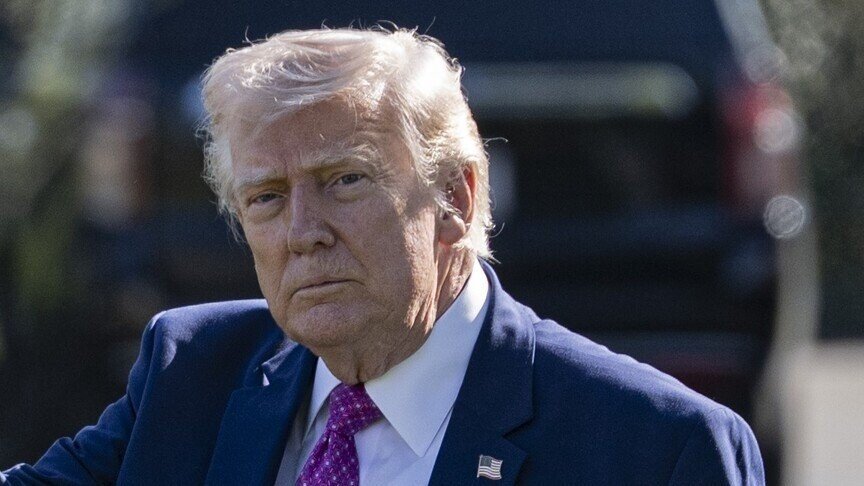
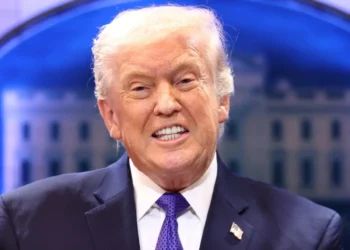
A major diplomatic development has emerged in the ongoing Russo-Ukrainian War as a three-day ceasefire agreement has been confirmed by both Russia and Ukraine. The temporary truce, announced by US President Donald Trump, is scheduled to take effect from 9 May to 11 May and includes a large-scale prisoner exchange and a suspension of all “kinetic activity” between the two warring states.
The announcement marks one of the most significant pauses in hostilities in recent months, coming after prolonged fighting and repeated failures to establish a sustained ceasefire. According to Trump, the agreement also involves the exchange of 1,000 prisoners from each side, a development both Moscow and Kyiv have publicly confirmed.
In a statement shared on social media, Donald Trump described the arrangement as a potential turning point in the long-running conflict. He expressed hope that the ceasefire could signal “the beginning of the end of a very long, deadly, and hard fought War,” adding that diplomatic efforts were continuing behind the scenes to reach a broader settlement.

The confirmation from Kyiv came shortly after the announcement. Ukrainian President Volodymyr Zelenskyy acknowledged both the ceasefire framework and the prisoner swap, stating that Ukraine had agreed to the exchange in the format of 1,000 for 1,000. He also confirmed that a temporary ceasefire regime would be observed during the specified dates.
Zelenskyy, however, emphasized that humanitarian concerns remained central to Ukraine’s position. In remarks shared on Telegram, he highlighted the importance of securing the release of prisoners of war, describing it as one of the most critical issues in the conflict. He stressed that the lives of Ukrainian prisoners were more important than symbolic political events, noting that diplomatic engagement should prioritize human survival and dignity.
In a further message posted on X, Zelenskyy acknowledged ongoing international diplomatic involvement and thanked the United States for its role in facilitating communication between the parties. He also expressed expectation that all sides would adhere strictly to the agreement, particularly regarding the prisoner exchange and the temporary halt in military operations.
The Kremlin also confirmed the agreement, with Russian foreign policy adviser Yuri Ushakov stating that Moscow had accepted the ceasefire initiative linked to the prisoner exchange proposed by the United States. Russian officials described the arrangement as acceptable under the current circumstances, while reiterating their position on earlier ceasefire proposals.
The announcement comes shortly after Russia had independently declared a brief unilateral ceasefire to coincide with its annual 9 May Victory Day commemorations, a symbolic date marking the end of World War II in Europe. However, that earlier initiative had been met with skepticism from Kyiv, which accused Moscow of using the pause primarily for ceremonial purposes rather than genuine de-escalation.
Ukraine had previously proposed its own temporary halt to fighting, but claimed that earlier diplomatic efforts were ignored by Russia. The latest agreement, therefore, represents a rare moment of mutual acknowledgment, though both sides continue to express distrust over the other’s intentions.
Moscow has also issued warnings in recent days regarding potential strikes on Kyiv, stating that any disruption to its Victory Day events could provoke a strong response. These statements had raised concerns about escalation in the lead-up to the newly announced ceasefire window.
Despite the breakthrough, previous ceasefire agreements in the conflict have frequently collapsed amid accusations of violations from both sides. Each party has repeatedly blamed the other for breaking temporary truces, particularly in contested frontline regions where fighting has remained intense.
The introduction of a prisoner swap adds another layer of complexity and significance to the agreement. Exchanges of this scale are rare and often require extensive coordination, especially in an active war zone. Humanitarian organizations have long advocated for such exchanges, viewing them as one of the few consistent avenues for cooperation between Moscow and Kyiv.
Analysts suggest that while the ceasefire is limited in duration, it may serve as a test of both sides’ willingness to engage in structured diplomatic negotiation. The inclusion of the United States in facilitating the arrangement underscores Washington’s continued involvement in attempting to de-escalate the conflict, even as battlefield dynamics remain volatile.

However, skepticism remains high regarding whether the temporary truce will hold. Previous short-term ceasefires have often been disrupted by renewed attacks, artillery exchanges, or disputed accusations of violations. The next few days are expected to be closely monitored by international observers as both military and diplomatic developments unfold.
For civilians in affected regions, even a brief pause in hostilities could provide limited relief. The war has caused widespread displacement, infrastructure damage, and humanitarian strain across large parts of Ukraine, while also impacting regions within Russia close to the border.
As the ceasefire window approaches, attention is now focused on whether both governments will fully adhere to the terms and whether the prisoner exchange can proceed without obstruction. While hopes for a broader peace agreement remain uncertain, the announcement has introduced a rare moment of cautious optimism into an otherwise prolonged and deeply entrenched conflict.
Related News:
 Activists allege abuse after Gaza flotilla seizure
 Taliban global ties grow as rights fears mount
 Israeli Strike in Southern Lebanon Kills Seven
 Iran Leader Blames Protesters, Says They Serve Trump
 Thousands Protest ICE in New York Against Trump Deportation Campaign
 UK Prepares Aircraft Carrier for Middle East Crisis
 Anti-Regime Iranians Turn Anger Toward Trump
 Death, displacement and military duties: children plunged into crisis
 Aid Crisis Grows as Hormuz War Disrupts Supply
 Judge halts deportation of Yemeni refugees in US
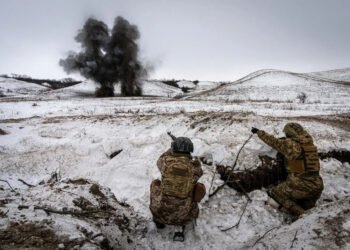 Ceasefire Standoff Deepens in Ukraine War
 Afghan Families Left in Limbo Face Risk of Deportation
 Middle East Crisis Escalates as Oil Routes Shake Markets
 Putin Declares Russia Victory at Scaled Victory Day Parade
 Former ICC prosecutor condemns US sanctions
 Millions Gather for Khamenei’s Six-Day State Funeral
 Ukraine Creates Long-Range Strike Command
 Dreyfus Statue Finally Gets Permanent Paris Home
 Houthis Strike Saudi Arabia as Middle East Tensions Rise
 Five Years of Taliban Rule Leave Afghanistan in Crisis
 Trump dismisses concerns over 250-day carrier deployment
 BBC to Apologise Over Edited Trump Speech Amid Backlash
 Britain deploys RAF specialists to assist Belgium with drone threats
 US Justice Department Files Lawsuit Against California Over Partisan Voting Maps
 Greene Pushes Epstein Files Amid Trump Fallout
 Trump Deploys DHS to Charlotte in Major Arrest Operation
 December Run-Off in Chile as Election Produces No Winner
 Canada Passes Carney’s First Budget in Tight Parliamentary Vote
 Shadow Fleet at Sea: Europe’s Battle Against Illicit Oil Shipping
 Pentagon Officials in Ukraine to Discuss War End
 Venezuela Threatens Nobel Winner Machado with Fugitive Status
 Georgians Defy Government Crackdown After Year of Protests
 EU plans $105bn Ukraine aid using frozen Russian assets
 Trump Policies Boost China’s Global Rise, Survey Finds
 Iran unrest slows under brutal crackdown and global tensions
 Pentagon Signals Reduced Role in Deterring North Korea
 Thousands Protest ICE Operations in Nationwide US Day of Action
 Starmer Condemns ‘Depraved’ Russian Strikes on Ukraine
 Herzog visit sparks protests across Australian cities
 UK and US Drop in Global Corruption Index Rankings
 Tarique Rahman’s Rise Toward Bangladesh’s Top Job
 Canberra Poster Seizure Sparks Free Speech Row
 Evo Morales Returns After Mysterious Absence
 AFP Reviews Pauline Hanson Comments
 Trump Tariffs Threat Spark UK and EU Alarm
 The Dangerous Rise of Remigration Across Modern Europe
 Jacinda Ardern Moves To Australia Following Her US Fellowships
 US to offer passport services in West Bank settlements
 Jacinda Ardern Move Sparks Kiwi Reflection
 Nick Greiner Warns Over Election Review Fallout
 Iran Defiance Grows Amid US-Israel War Pressure
 Injured Mojtaba Khamenei Elevated as Iran Leader
 Gordon Brown urges court for crimes against children
 Oil Prices Jump After Trump Claims Iran Oil Hub Destroyed
 Pakistan Targets Militant Hideouts in Afghanistan
 Danish Election Deadlock Shakes Frederiksen’s Grip
 Air Canada CEO Faces Outcry Over Recent Language Misstep
 Pope Rebukes Leaders for War as Middle East Tensions Rise
 Army Probes Apache Flyover at Kid Rock’s Nashville Estate
 Relationship with Trump may be beyond repair, Starmer warned
 Italian Town Buys Mussolini Villa to Keep Away Fascist Fans
 Report Says Pezzullo Acted ‘Recklessly’ in Dealings
 Trump Employs Nixon’s Madman Theory Amid Iran Crisis
 Suspected Plot Targets Pipeline Before Hungary Vote
 Trump Brokers Landmark Lebanon Ceasefire Amid Regional Hopes
 UK Stands Firm on Falklands Amid US Rift
 Oil Prices Surge Above $120 Amid Iran Blockade Fears
 Trump orders US troop pullout from Germany
 Trump approval plunges amid Iran war fears
 Ohio’s Battle for Trust: Democrats Vying to Flip the Buckeye State
 US ‘Narco Boat’ Strikes Draw Global Outcry
 US Awaits Iran Reply on New Ceasefire Proposal
 Immigration Judges Fear Pressure in Trump Era
 US green card applicants must apply from abroad, DHS says
 Discontent grows around Putin amid war strain
 Starmer Leadership Under Pressure After Setbacks
 House Curbs Trump’s War Powers in Rare Rebellion
 New South Wales Premier Chris Minns Signals Tough Road Ahead for Labor
 Le Pen to Run for President Despite Embezzlement Conviction
 Le Pen’s Popularity Holds Despite Conviction