Published: 12 May 2026. The English Chronicle Desk. The English Chronicle Online.
The British financial landscape is currently facing a period of intense and mounting volatility today. Long-term borrowing costs for the United Kingdom have surged to their highest levels since May 1998. This dramatic shift occurs as investors react to deepening political uncertainty within the current Labour government. Speculation regarding a change in national leadership has sent shockwaves through the City of London. Cabinet ministers are reportedly urging Keir Starmer to step down from his role as Prime Minister. These internal pressures follow a set of very disappointing results in recent local elections. Financial markets remain deeply sensitive to any signs of instability within the ruling political party. The pound and domestic stocks have both suffered notable losses during early trading sessions today.
Investors are expressing significant worry about the future of the nation’s strict fiscal discipline. There are fears that a new leader might abandon current limits on public sector spending. The yield on thirty-year government bonds jumped by eleven basis points to reach 5.794 percent. This particular interest rate has not been seen in the United Kingdom for decades now. Such high borrowing costs reflect a lack of confidence in the short-term economic outlook. Keir Starmer addressed his cabinet on Tuesday morning to discuss the ongoing leadership crisis. He insisted that he would not resign despite the growing calls for his immediate exit. He stated that the official process for a leadership challenge has not been triggered. The Prime Minister believes the country expects the government to continue with its daily work.
However, his words failed to provide the reassurance that nervous financial markets were seeking today. Shortly before the cabinet meeting, Miatta Fahnbulleh resigned from her post as a government minister. She is the first significant figure to quit since the recent electoral losses occurred. Her departure added further momentum to those demanding a fresh start for the Labour party. Benchmark ten-year yields on government gilts also rose twelve basis points to reach 5.12 percent. These levels are approaching the highs seen in March during the height of regional tensions. Market participants are watching every political development with a high degree of caution and concern. The value of the pound dropped significantly against the dollar and the euro this morning. Currency traders are moving away from sterling as the political drama continues to unfold rapidly.
Neil Wilson, a strategist at Saxo Markets, warned of a potential blowout in bond prices. He suggested that a political dogfight would likely increase fiscal and also inflationary risks. Markets generally dislike any lack of clarity regarding who is truly running the central government. The current fiscal position of the country is already considered to be quite fragile today. Should a more left-leaning leader take over, public spending would likely see a rise. This scenario makes inflation much stickier and harder for the central bank to control effectively. Many investors believe that potential successors might seek to loosen the existing strict fiscal rules. Angela Rayner and Andy Burnham are currently viewed as the two most likely leadership frontrunners. Both figures have previously hinted at a desire to increase levels of public investment significantly.
Economic experts at Jefferies suggest that a managed exit would be the most likely outcome. They believe any replacement for Starmer would likely lean further toward the political left wing. Such a shift is generally viewed as negative for long-term borrowing costs and the currency. Analysts are currently betting against the pound as the political situation remains entirely unresolved now. This sentiment has also spilled over into the London stock market during the trading day. The FTSE 100 index fell by nearly one percent as banking stocks faced heavy selling. Barclays saw its share price drop by four percent during the early hours of trade. NatWest and Lloyds also recorded losses of more than three percent in a broad sell-off. These declines reflect a general move away from UK-based assets by global investment funds.
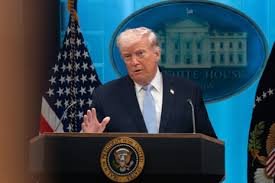
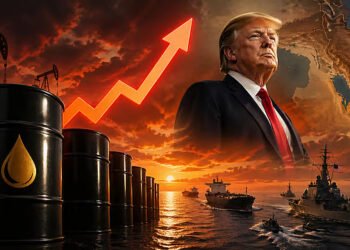
Gilt yields were already under pressure this week due to rising global energy price forecasts. Concerns over a jump in energy costs are leading to fears of even higher inflation. Oil prices rose by nearly one percent on Tuesday as peace talks appeared to stall. Brent crude futures moved up to one hundred and six dollars per barrel this morning. Disagreements over a ceasefire between Israel and Iran have contributed to this global price spike. Donald Trump stated that the current ceasefire agreement is effectively on a life support machine. He pointed to major disagreements over the cessation of hostilities and various other naval blockades. Iran continues to stress its sovereignty over the vital and strategic Strait of Hormuz waterway. About a fifth of the world’s oil and gas flows through this narrow passage.
Hundreds of tankers remain trapped in the region as the threat of conflict persists today. Energy analysts suggest that optimism regarding an imminent peace deal is now fading away quickly. If a deal is not reached soon, the risks for oil prices remain high. Higher energy costs act as a double blow for the struggling United Kingdom economy right now. Kathleen Brooks from XTB noted that UK yields face an energy and political crisis simultaneously. There is a real risk of a bond market meltdown in the coming days. Such an event would force the government to reconsider its current path very carefully indeed. Some factions within the Labour party have threatened to ignore the demands of bond markets. They wish to ditch fiscal rules in order to boost public spending across the country.
It is currently difficult to see how the bond market can find any stability today. The lack of a clear plan from Downing Street is making investors very nervous indeed. Every headline regarding cabinet unrest seems to push the cost of borrowing even higher now. The government is finding it increasingly difficult to fund its daily operations at these rates. Taxpayers will ultimately bear the burden of these higher interest payments on national public debt. If the political deadlock continues, the economic damage could become much more severe and lasting. Most analysts agree that the Prime Minister needs to regain control of his party quickly. Without a clear signal of stability, the pound could fall to even lower levels soon. The eyes of the world are now fixed on the events in Westminster.
The next few days will likely determine the direction of the British economy for years. A swift resolution to the leadership question might help to calm the volatile financial markets. However, the underlying issues of inflation and high energy prices will remain a major challenge. The Labour party must balance its social goals with the reality of global market expectations. Failure to do so could lead to a protracted period of low economic growth. For now, the traders in the City remain on high alert for any news. The volatility seen today is a stark reminder of how politics influences financial health. Both the public and private sectors are bracing for a period of transition and change. The English Chronicle will continue to monitor this developing story as more details emerge. Stability remains the primary goal for everyone involved in the current British political landscape.
Related News:
 Reeves Faces Setback as Labour May Miss Homes Target
 Virgin Trains Moves Closer to Challenging Eurostar Monopoly
 Trump’s UK Ambassador Urges North Sea Drilling to Strengthen US Ties
 Ryanair Chief UK Economy ‘Doomed’ Under Labour
 M&S Profits More Than Halve After Cyber-Attack
 Earl of Yarmouth Faces £1.3m Legal Bill Over Family Estate
 Millionaires group urge Reeves to introduce wealth tax to ‘lift kids out of poverty’
 From Lego to Pokémon: How Adults Are Driving UK Toy Market Growth
 Canada Passes Carney’s First Budget in Tight Parliamentary Vote
 Starmer Says Labour’s Economic Plan Needs Years to Deliver
 Virgin Media Fined £23.8m Over Telecare Safety Failures
 Starmer Faces Parliamentary Battles Over UK-EU ‘Reset’ Plan
 ScottishPower Tops List of Worst UK Energy Suppliers
 Markets Slide As Gold Rally Signals Risk From Trump Greenland Tariff Plan
 UK Eyes Global Investment with Visa Fee Refunds
 City & Guilds pay surge sparks backlash amid £22m cuts
 UK Inflation Hits 3.4% in December, Ending Five-Month Decline
 Trump Fed bid heads to Supreme Court
 ‘Black Tax’: Burden, Pride and Survival for African Workers
 AI job losses UK: Britain faces sharper employment shock
 India-EU Free Trade Deal Marks Historic Economic Shift
 EU Signals Open Mind on UK Customs Union Talks
 Telstra AI jobs cuts as automation drive expands
 BT Names New Openreach Chief Amid Major Fibre Expansion
 UK Banks Plot Payment Backup Amid Trump Fears
 UK Unemployment Rate Climbs to 5.2% Peak
 UK shelves £110m border project amid trade strain
 Aston Martin Cuts 20% Jobs Amid £363m Loss
 Switching Energy Deal Can Save £200 as Price Cap Falls
 Rachel Reeves Faces Middle East Conflict Test
 Grocery Inflation Rises Amid War Fears
 BrewDog sold Highland estate for knockdown price after abandoning reforestation plans
 UK Energy Reform Could Cut Bills by £200
 Rising Costs Force Families to Rethink Days Out
 Oil Slides, Stocks Jump on Trump Peace Signals
 UK inflation held at 3% before global energy price hit
 Ticketmaster Fees Rise Despite Recent US Junk Fee Crackdown
 M&S Demands Urgent Action on Rising Violent Retail Crime
 New Era for Sick Pay as Millions Gain Critical Rights
 Oil Prices Surge as Trump Issues New Deadline to Iran
 US and Iran Agree to Two-Week Provisional Ceasefire
 Stefano Gabbana Resigns as Chair of Italian Luxury Giant
 Rolls-Royce SMR Secures £600m Boost for Nuclear Future
 Aegon Sells Historic UK Arm to Standard Life for £2bn
 Central Bank Chiefs Hold Crisis Simulation in Washington
 UK Staycations Rise as Travel Fears Grow
 Former Brexit Chief Calls for Rejoining the EU
 Albanese Rejects Gas Export Tax Push
 Oil Prices Surge Above $120 Amid Iran Blockade Fears
 Silent Tracks: Rail Line Without Passengers
 Tough Fiscal Realities Await Next Scottish Government
 DeepMind Staff Vote to Unionize Over US Military Contract
 Global Conflict Hits Home As Bullock Warns Of Economic Pain
 STV Election Coverage Disrupted Amid Bitter Pay Dispute
 Aramco Surges as East-West Pipeline Counters Gulf Tensions
 High Stakes in Beijing as Trump and Xi Meet Amid Global Turmoil
 Big Tobacco Under Fire Over Controversial New Ad Campaign
 High Street Crisis: Fears Grow Over Post Office Closures
 UK Firms Freeze Spending as Iran Conflict Bites
 Summer Shock: British Energy Bills Set for Grim July Hike
 Reeves to Fast-Track Clean Energy Amid Iran Crisis
 Oil Markets Face ‘Red Zone’ Threat Amid Iran Crisis
 Belfast Approves Pilot Extension of Sunday Trading Hours
 Albanese Defends Tax Reforms Amid Emotional Speech
 Tube Strike Brings Capital to a Standstill Over Shift Disputes
 BP Stands Firm on Amanda Blanc Amid Boardroom Storm
 UK House Prices Drop For Third Month Due To War Fears
 Top Chefs Back Andy Burnham to Save UK Hospitality Sector
 GSK Secures Landmark $10.6bn Deal for Nuvalent
 UK Economy Suffers a Sharp Downturn as Iran Conflict Bites
 AI Scams Push UK Investment Fraud Past £220m
 Rethinking the Blueprint for Youth Employment in Britain
 Sainsbury’s Boss Optimistic As Grocery Inflation Eases
 UK Households Suffer Squeeze As Disposable Incomes Drop
 Creditors Eye Thames Water Even Under Nationalisation
 Record £28m Fine for Virgin Media Over Cancellation Woes
 Jet2 Sees Summer Surge Despite Global Tensions
 Ukraine Creates Long-Range Strike Command
 BBC Faces Real Jeopardy as Licence Fee Income Declines
 Thames Water Future Remains Uncertain Amid Funding Crunch