Published: 19 May 2026. The English Chronicle Desk. The English Chronicle Online
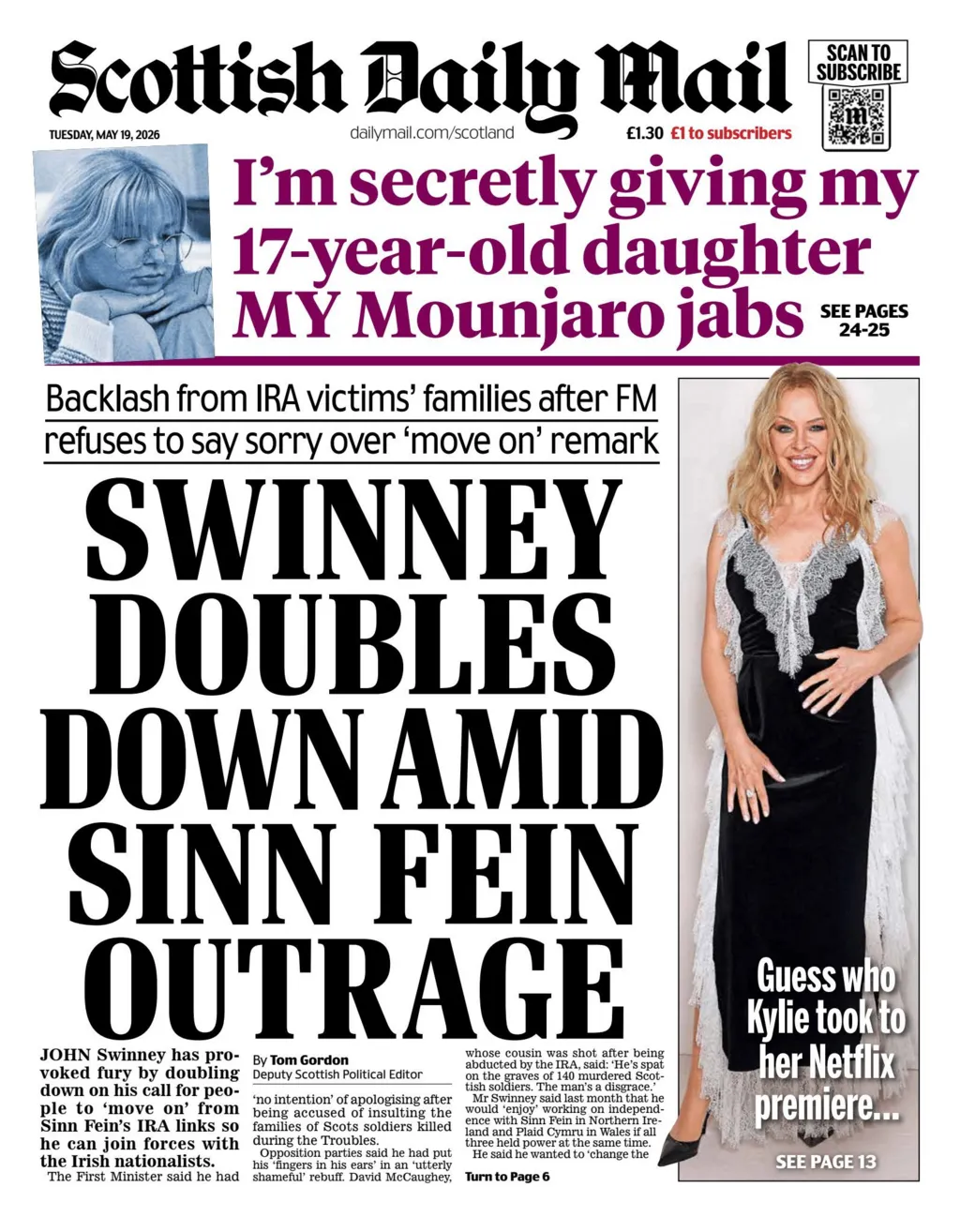
Scotland’s political landscape is currently dominated by a high-stakes, “asymmetric” exchange of rhetoric that has set the tone for the coming summer of electoral maneuvering. Leading the headlines across the Scottish broadsheets today are two distinct yet deeply interconnected stories: First Minister John Swinney’s provocative remarks regarding a potential political alignment with Sinn Féin, and Andy Burnham’s aggressive mobilization of Northern English interests, which the press is framing as a deliberate, “clinical” drawing of “battle lines” between Holyrood and Westminster. The combination of these narratives has created a significant “bottleneck” in the national discourse, forcing every party to clarify their ideological boundaries as the UK’s governing framework faces a sustained period of internal, regionalized stress.

Swinney’s commentary, delivered during a weekend rally, has ignited a firestorm of “nasty” criticism from opposition benches. By floating the theoretical possibility of a long-term strategic partnership with Sinn Féin—a move framed by his supporters as a logical pursuit of shared nationalist interests across the Irish Sea—the First Minister has inadvertently exposed a deep “resilience deficit” within his own coalition. Critics are characterizing the remark as a “desperate, 160 MPH clip” attempt to galvanize the SNP’s base at a time when internal polling suggests a flattening of support. The fallout has been rapid, with Unionist leaders demanding an immediate, “speechless determination” to clarify whether the Scottish government intends to pursue a pan-Celtic political agenda that could alienate centrist voters and further complicate Scotland’s precarious relationship with the rest of the UK.
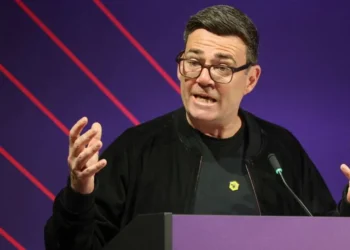
Simultaneously, the Manchester-based mayor Andy Burnham is being cast in the Scottish press as the new, dominant challenger to the status quo. His recent declaration that the North of England is “done waiting” for Westminster’s permission to pursue regional prosperity has been interpreted by commentators as a direct, “asymmetric” challenge to the centralized power dynamic that has traditionally defined British politics. Burnham’s rhetoric, which the Daily Record has dubbed a clear drawing of “battle lines,” is seen as a strategic bid to consolidate a “Northern Powerhouse” block that could operate independently of traditional London-centric governance. For Scottish observers, Burnham’s assertiveness is both an inspiration and a “bottleneck”; if Northern England successfully secures fiscal autonomy, the argument for Scottish independence—and the economic rationale behind it—must be drastically recalibrated to remain relevant.
This collision of nationalist ambition in Edinburgh and regional autonomy in Manchester is creating an “accountability rot” for the central UK government. Whitehall is currently struggling to manage these simultaneous challenges, with ministers forced to adopt a purely reactive, “clinical” posture as they attempt to suppress the rising tide of regionalism. The media analysis across Scotland suggests that we are entering a period of “asymmetric” political evolution, where traditional party lines are being eroded by a desire for localized, decentralized control. Whether it is Swinney looking toward Dublin or Burnham looking toward Manchester, the common thread is a rejection of the “clinical silence” that has historically been imposed by Westminster on the devolved and regional nations of the UK.

As the political week unfolds, the “speechless determination” of both Swinney and Burnham to reshape the map of the UK is testing the structural integrity of the union. For the Scottish electorate, the press reports are clear: the nation is at a crossroads where the old, top-down model of governance is no longer sufficient. The “battle lines” have been drawn, not just between parties, but between different visions of what Britain should look like in 2030. As both leaders continue to push their agendas forward, the remaining weeks of May are expected to be marked by further, highly charged exchanges, as the battle for the future of the North—in all its varied, political forms—takes center stage in the national conversation.
Related News:
 “The Power Paradox”: Can Scotland’s Politicians Truly Bypass the ‘Hormuz’ of Energy Pricing?
 UK Must Act with Courage and Clarity on Israel-Palestine Conflict, Says Foreign Affairs Committee Report
 Radioactive Leak at UK’s Nuclear Warhead Base Sparks Outcry Over Safety and Secrecy
 Mutual Inconvenience: Why Alaska Was Chosen for the Trump-Putin Summit on Ukraine
 Terence Stamp, ’60s British Film Legend and Star of Superman, Dies at 87
 Where Is Prince William and Kate Middleton’s New House? Inside the Historic Lodge Set to Become Their ‘Forever Home’
 FIFA Eyes Biennial Club World Cup from 2029, Plans Possible Expansion
 Is the UK Ready to Put Boots on the Ground in Ukraine? Assessing Military Capacity and Challenges
 Shein UK Faces Allegations of Shifting Majority of Profits to Singapore to Reduce UK Tax
 British Couple Among 16 Killed in Lisbon Funicular Tragedy
 Thousands Gather in London to Protest Donald Trump’s Second UK State Visit
 Liverpool Vs outhampton Set for Carabao Cup Clash at Anfield
 A Third of EU Citizens in UK Report Discrimination by Public Bodies Post-Brexit
 Public Trust in SNP Hits Historic Low Amid NHS Concerns
 Cooper Unveils £4m Cyber Plan Against Russian Hackers
 Johnson Suggests Mandelson Linked to China Spy Controversy
 Rachel Reeves signals welfare reform ahead of key budget
 Johnson Approved China’s London ‘Super-Embassy’ in 2018
 Top Christmas Books Reads: Classics to Cozy Romcoms
 Just Stop Oil Protesters Convicted Amid Climate Defence Row
 I’m a Celebrity 2025 line-up revealed: Osbourne joins
 Palace May Restore Hyphen to Andrew Mountbatten-Windsor’s Name
 Royal Navy Shadows Russian Warships Entering the Channel
 Starmer China visit raises human rights pressure on Beijing
 UK New Car Discounts Near £6,000 as Prices Are Slashed
 Starmer Weighs Fast-Tracking Defence Boost
 Snow and Rain Warnings as Cold Snap Continues in the UK
 Dual Nationals Face Scramble for UK Passports as New Rules Come Into Force
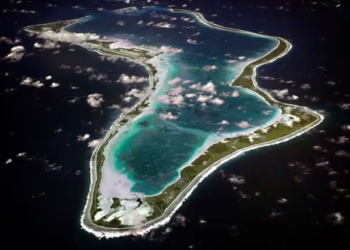 Trump and Chagos Deal Rift Over Iran Strikes
 Australian PM Says Former Prince Andrew Has Suffered ‘Extraordinary Fall’ but That Won’t Prompt Republic Referendum
 Farage Chagos Islands Row Sparks Fury
 US Will Not Back Out of Tariff Deals with UK and Others, Says Trump Trade Representative
 Bodies of Man and Boy Found in Burnt‑Out Car After Horror Crash in the Highlands
 Storm Hernando: Edinburgh Airport Flights Cancelled in US Travel Chaos
 ‘We’ve been paying for happy endings for Andrew for years’: inside the royal disgrace, biographer says
 RAF Responding to Suspected Drone Strike at UK Cyprus Base
 Islanders Advised on Travel to Middle East Amid Escalation
 New Infection Risk Alert at Glasgow’s Flagship Hospital
 Brit ‘in Good Spirits’ Amid Dubai Missile Attacks, Stranded but Safe
 Trump rebukes Starmer over Iran strikes
 Stranger ‘On Drugs’ Stabbed Saudi Student to Death in Cambridge
 Minister Meets Crews Who Will ‘Take Out’ Iranian Drones
 ‘We Must Finish This’: Israelis Rally Behind War Effort as Iran Strikes Tel Aviv
 UK Prepares Aircraft Carrier for Middle East Crisis
 UK–US Tensions Ease as Starmer and Trump Hold First Call Since Iran Row
 Scots Man Convicted in Dirty Money Case After DNA Found on Cash
 CCTV Shows Limping Man Missing Nine Days as Police Appeal
 Teen Wins Payout After TRNSMT Crush Horror
 Tommy and Gail Sheridan to Stand for New Political Party After Alba Demise
 Second Man Arrested Over ‘Gunshot’ Death of Young Dad in Motherwell Home
 Yvette Cooper: UK Must Follow Principles, Not US Pressure
 Iran War Warning: Starmer Backs Ukraine Visit
 UK Wage Growth Slows as Jobs Market Holds Firm
 Australia Imposes Sudden Travel Ban on Iranian Visitors
 UK Forces Ready to Seize Russian Shadow Fleet Vessels
 Net Closes on Lyons Clan: Partner Arrested in Dubai as Crime Boss Snared in Bali
 ‘Better Off Not Planting’: UK Farmers Face 36% Fertiliser Spike as Gulf Crisis Bites
 ‘The Final Word’: Kathleen Stock’s Polemic Against Assisted Dying Reshapes the UK Debate
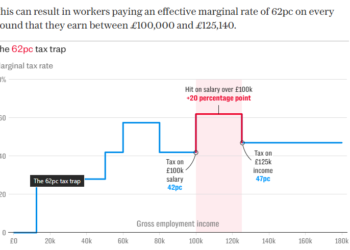 The ‘Career Ceiling’: One in Five High Earners Say £100k Tax Trap is ‘Ruining’ Their Ambition
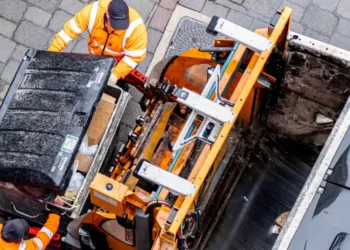 ‘White Elephant on Wheels’: Orkney Council to Sell £456,000 Bin Lorry with Only 2,000 Miles
 Open Justice Prevails as Court Rejects Bondi Gunman’s Family Anonymity Bid
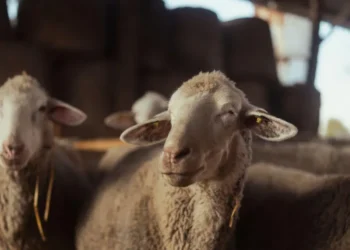 The Banbridge Rescue: 300 Sheep Saved from Massive Hay Shed Inferno
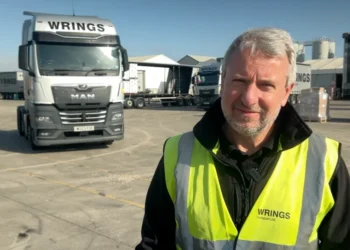 ‘The £100,000 Hammer’: War in Iran Forces UK Businesses to Absorb Historic Fuel Hikes
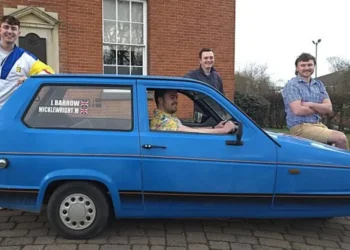 “Three-Wheeled Triumph”: Mayor of Erewash Completes 2,000-Mile European Charity Run
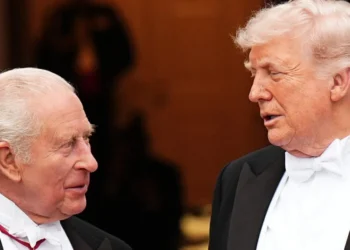 The “Charles Charm” Offensive: Did the Royals Find Their Mojo in D.C.?
 “An Endurance Test for the Mind”: British Couple Sentenced to 10 Years in Tehran
 Premier League drama defines crucial weekend
 “The Cost of Conviction”: Palestine Action Activists Found Guilty Over ‘Clinical’ Factory Damage
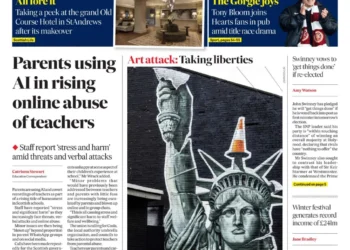 “The Digital Frontier”: Scotland’s Papers Grapple with AI Harassment and ‘Mortgage Bottlenecks’
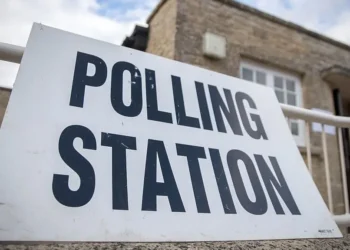 “The Local Gavel”: Polls Open Across Hampshire and Isle of Wight in Delayed ‘Milestone’ Vote
 “The Blue Light Intersection”: Seventeen-Year-Old Critically Injured in ‘Nasty’ Police Pursuit Crash
 “The Fractured Frontier”: Sir John Curtice Declares the ‘Sacred’ Two-Party Era Over After ‘Milestone’ Results
 The Pathogen Protocol”: Third British National Monitored for ‘Nasty’ Suspected Hantavirus
 “The Reality Reckoning”: Government Demands Accountability as Channel 4 Pulls Married at First Sight UK Over Grave Sexual Assault Allegations
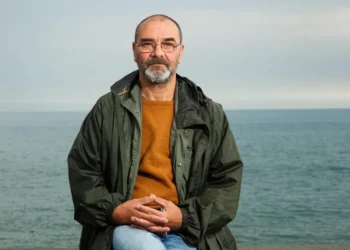 “I’ve Been Cheated”: Andrew Malkinson Lambasts the ‘Accountability Rot’ of the British Justice System Following True Perpetrator’s Conviction
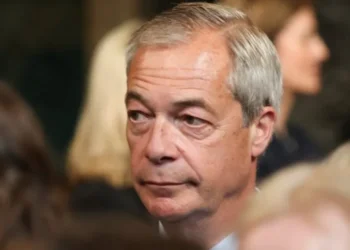 “A Thorn in the Side”: Farage Faced with Fresh Financial Scrutiny as Corporate Accounts Challenge Reality TV Defense
 Tragedy in the Maldives: Inside the Deep Sea Rescue
 “The Iron Chancellor of the North”: Andy Burnham’s High-Stakes U-Turn to Prevent a Truss-Style Gilt Market Meltdown
 “The London Lockdown”: Tube Strikes and Engineering Works Create a Transport Perfect Storm Across the UK
 “A Historic Tumble”: Lost 1930s Film Reel Reveals the Untamed Origins of Gloucestershire’s Legendary Cheese-Rolling