Published: 23 May 2026. The English Chronicle Desk. The English Chronicle Online
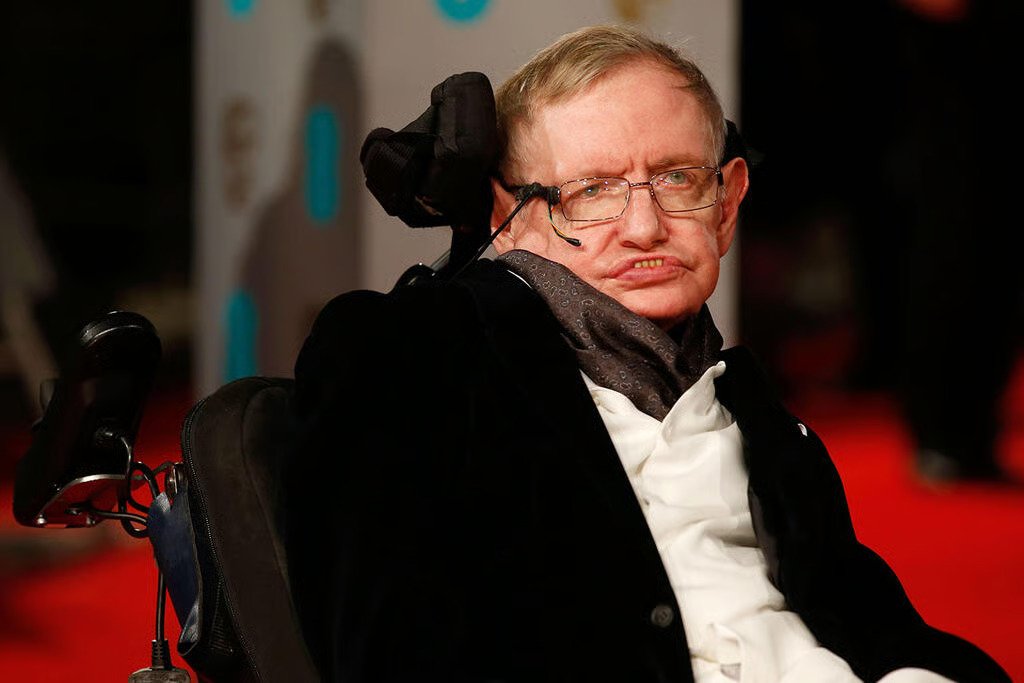
A newly uncovered set of private diaries has revealed that Stephen Hawking’s father once worried his son lacked academic drive and “does not study much”, offering a rare and deeply personal glimpse into the early life of one of the world’s most celebrated scientific minds.
The documents, written by Frank Hawking and partly encoded in a self-devised Greek-based cipher, have come to light through research for a forthcoming authorised biography of the late physicist. They suggest that during Hawking’s student years, his father struggled to understand his son’s apparent lack of direction and motivation, even as Hawking would later go on to reshape modern physics with his groundbreaking theories on black holes and cosmology.
Frank Hawking, a medical researcher specialising in tropical diseases, expressed concern in 1961 that his son “hangs round the house with little initiative and does not study much”, according to entries decoded by biographer and physicist Graham Farmelo. The diaries also reveal family discussions in which Hawking was described as having an “inferiority complex” and doubts about the value of studying physics at Oxford, which his father reportedly feared could hinder his future prospects.

The newly revealed papers form part of a wider collection of family correspondence and personal writings that had remained within the Hawking family for decades. They include journals and letters written by Hawking’s mother, Isobel, and materials preserved by his sister Mary. Researchers were granted unprecedented access as part of preparation for Farmelo’s upcoming biography, titled Hawking, scheduled for publication later this year.
According to the biographer, Frank Hawking’s diaries provide a “raw and honest insight” into both Stephen Hawking’s formative years and the emotional strain the family endured following his diagnosis with motor neurone disease at the age of 21 in 1963. The condition, which gradually paralysed him and severely limited his speech, was initially expected to be fatal within a few years. However, Hawking defied medical expectations and lived until 2018, becoming one of the most influential theoretical physicists of the modern era.
Despite early doubts expressed within the family, Hawking’s later life tells a dramatically different story. He became internationally recognised for his work on black holes and the nature of the universe, and his book A Brief History of Time sold more than 13 million copies worldwide, bringing complex scientific ideas to a global audience. His public lectures and writings inspired generations, particularly through his enduring message encouraging curiosity and perseverance in the face of adversity.
The diaries also reveal the emotional difficulty Frank Hawking experienced as his son’s condition worsened. In a later entry from 1967, he wrote about the challenges of communication and the slow progression of the illness, while also expressing sympathy and a sense of responsibility to support his son despite the strain it placed on family life.
Biographer Graham Farmelo, who previously won major literary awards for his work on physicist Paul Dirac, said access to the Hawking family archive had provided an “extraordinary window” into both scientific genius and private struggle. He noted that Frank Hawking’s use of coded writing reflected his desire for privacy in documenting deeply personal reflections spanning decades.
Farmelo also interviewed members of the Hawking family, including his children and former wife, as part of his research. The resulting biography aims to present what publishers describe as the most comprehensive portrait yet of Hawking’s life, from his academic challenges and personal relationships to his scientific achievements and global legacy.

Stephen Hawking himself often reflected on his journey with characteristic humour and resilience. He once said that life would be “tragic if it weren’t funny”, and famously urged people to “look up at the stars and not down at your feet”, a message that has become closely associated with his legacy.
The newly revealed diaries, however, add a more complex dimension to that legacy, showing that even within his own family, Hawking’s early potential was not always fully understood. What emerges is a portrait not only of a scientific genius, but also of a young man whose future greatness was, at one time, uncertain even to those closest to him.
Related News:
 Government urges schools to ban phones to curb classroom disruption
 Cambridge Professor Jason Arday Found Dead at Home
 Michele Dougherty Makes History as the UK’s First Female Astronomer Royal
 From ‘Skibidi’ to ‘Mouse Jiggler’: Cambridge Dictionary Expands with Modern Slang and Social Terms
 Expert Challenges Met Police Claims of Bias-Free Facial Recognition Ahead of Notting Hill Carnival
 UK Pupils Fear AI Is Eroding Their Learning Skills
 How Bringing Forests Into Preschools Boosts Children’s Health
 England Curriculum Review Recommends Major Changes
 Mortgages and AI Set to Feature in English Schools
 No link found between paracetamol in pregnancy and autism
 Higgs Donates Nobel Medal to His Beloved University
 Starmer’s communications chief to outline media strategy overhaul
 TikTok to Strengthen Age Verification Across the EU
 Why China’s ‘Mega Embassy’ Poses Less Risk Than Critics Claim
 Met police to trial handheld facial recognition checks in London
 Undercover officer deceived women with ‘grotesque and cruel’ lies, spycops inquiry told
 Synagogue Arson Attempt Sparks Security Fears
 City & Guilds Sale Sparks Fees and Pay Uproar
 MoD Has Lost Track of Veteran Recall List, Says Adviser
 Canadian astronaut French words ease language row
 NHS Safety Fears as Nurses Cover Doctor Gaps
 Reform UK funding: mystery billionaire revealed
 Older Than Dinosaurs: Secrets of Mayfly Dance Revealed
 UK may ban protests amid rising antisemitism fears
 Greens Face Internal Row Over Antisemitism Claims
 City & Guilds Faces Governance Crisis Over Sale
 Barrister Criticises Trial After Suicide Case Verdict
 Tractor Breakdown Tests Lincolnshire Farmers
 Victim says non-custodial rape sentence ‘rock in my face’
 Public Confidence in University Degrees Plummets in the UK
 Tech Trends and the Battle Against Exam Hall Cheating
 Cornwall Van Dwellers Face Eviction in Housing Crisis
 British Teens in EU Face Soaring UK University Fees
 UK Schools Struggle as Classrooms Top 40C
 Westminster Council Threatens Charing Cross Soup Kitchen
 BBC Warned About Missing Clothes of Murder Victim
 London’s 2026 ‘Great Stink’ Raises Sewer Concerns
 Targeted Attack in Bury Sparks Murder Investigation as Community Awaits Justice
 Man Remanded After Children Fall Ill at Leicestershire Summer Camp in Shocking Child Cruelty Case
 Princess of Wales Launches Animated Video Series to Support Early Childhood Development
 Merseyside Police Helicopter Crew Cleared After Low-Altitude Pursuit of Suspect
Education Leaders Call for End to Compulsory GCSE Resits in English and Maths
Merseyside Police Helicopter Crew Cleared After Low-Altitude Pursuit of Suspect
Education Leaders Call for End to Compulsory GCSE Resits in English and Maths
 Thousands of New School Nursery Places to Be Rolled Out Across England
 Tanni Grey-Thompson Faces Abuse Over Opposition to Assisted Dying Bill
 Jaguar Land Rover Extends Production Halt Following Cyber-Attack
 Persistent Offenders Owe Over £700m in Ulez Fines as TfL Cracks Down on Evasion
 White Low-Income Pupils in England Show Lowest Levels of School Engagement, Study Finds
 No Evidence Found to Substantiate Alleged Rape in Oxfordshire Churchyard, Police Confirm
 Digital ID Plans Ignite Debate Over £600m Treasury Tax Boost and Privacy Concerns
 New V-Level qualification to transform post-16 education
 Reform UK candidate fined £19,000 after using AI-generated cases to challenge election
 UK Campaigners Launch Bill to Grant Legal Rights to Nature
 Children to Learn Local History in Major Curriculum Overhaul
 French Taxi Driver Cleared in David Lammy Theft Case After Fare Dispute
 UK Bans Fake Numbers: Scammers Lose Their Trick
 Patients to Test Health at Home to Ease NHS Winter Pressure
 King Charles to Lead Nation in Remembrance Sunday Service
 Northern Lights may illuminate UK skies this week
 Major Rent Reform Ends No-Fault Evictions in England
 Serial Rapist and Former Cop Found Guilty Again
 Virgin Media Fined £23.8m Over Telecare Safety Failures
 Christmas Code-Crackers: GCHQ Unveils Annual Festive Puzzle Card
 Google Employee Claims Redundancy After Harassment Report
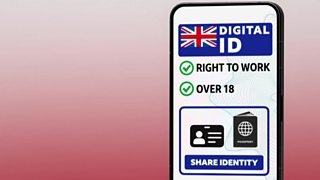 Government Abandons Mandatory Digital ID for UK Workers
 City & Guilds pay surge sparks backlash amid £22m cuts
 Send spending gap leaves deprived areas behind
 Facial Recognition Error Leads to Wrongful Arrest in Milton Keynes
 New Era for UK Special Needs Support
 Proposed Law Leaves Gap for Children of Convicted Paedophiles
 Rising Costs Force Families to Rethink Days Out
 Police Chiefs Under Fire for Failing to Address Racism
 Millions Face Food Poverty as Consumer Confidence Hits Record Low
 Met Officers Probed Over Al Fayed Abuse Allegations
 Starmer Leadership Under Pressure After Setbacks
 Stolen Mobiles Could Soon Become Useless Bricks
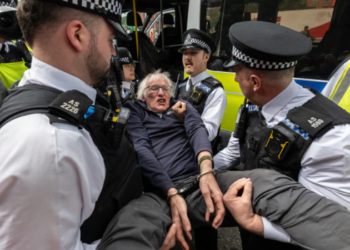 Appeal Court Rules Ban on Palestine Action Was Lawful
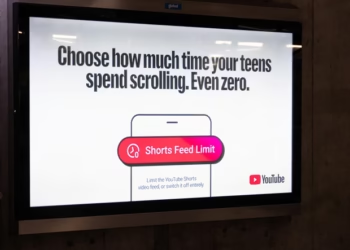 UK Ministers Lobby Trump Over Under-16s Social Media Ban
 The Hybrid School Revolution Defying the Social Media Ban
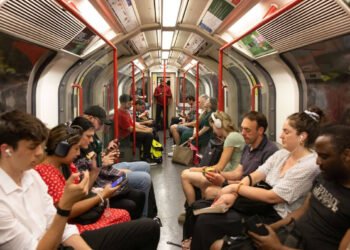 London Tube Heat Reaches Dangerous Levels
 Gen Z turns to BirdTok for a gentler digital escape