Published: 25 May 2026. The English Chronicle Desk. The English Chronicle Online.
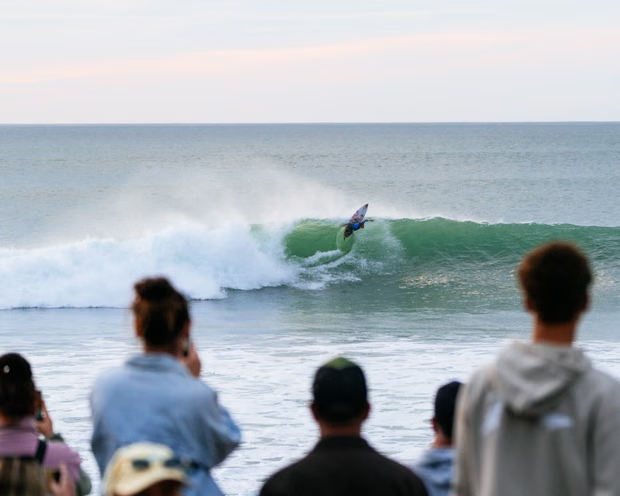
The natural drama of professional surfing often relies entirely on the unpredictable power of ocean waves. A completely different kind of coastal wildness brought a prestigious international competition to a sudden standstill. Hundreds of spectators gathered along the rocky shoreline of Manu Bay near Raglan on Monday morning. They expected to witness a historic day of athletic excellence at the celebrated New Zealand Pro. Instead, the crowd watched in shock as the ocean delivered an unexpected and frightening twist. A sudden marine wildlife encounter directly targeted an essential member of the tournament’s media production crew.
The premier surfing event was abruptly halted during the crucial final stages of the competition. An experienced Australian water photographer named Ed Sloane suffered a sudden bite from a sea creature. The worrying incident occurred just before half past eight during the men’s semi-final heats. Sloane was positioned in the swell to document the elite athletes performing on the waves. The ocean water suddenly erupted with movement around the photographer during the intense sporting display. He sustained noticeable puncture wounds to his left ankle and lost a vital piece of equipment. The force of the aquatic encounter completely ripped a swimming flipper from his foot.
Tournament organizers immediately reacted to the unfolding crisis by initiating strict emergency safety protocols. The crucial semi-final heat was officially paused only ten minutes after it had successfully commenced. Safety officials quickly deployed rescue jet skis to retrieve the vulnerable athletes from the water. Brazilian surfing stars Yago Dora and Italo Ferreira were swiftly extracted from the rolling surf. Both competitors were visibly shaken by the chaotic scene that unfolded just yards away. They had clearly observed the massive splash and the immediate aftermath of the frightening incident. Their physical safety remained the absolute priority for the event management team on the scene.
Senior officials later confirmed this was the first time they had activated code red. Renato Hickel spoke directly to anxious viewers during the official World Surf League television broadcast. He expressed immense relief that their beloved water photographer was remaining in very good spirits. Hickel confirmed that Sloane was doing remarkably well considering the terrifying nature of the event. The photographer was quickly transported to a nearby hospital to receive professional medical attention. Doctors on the scene initially suggested a sea lion might have caused the minor wounds. However, officials could not definitively rule out the terrifying possibility of a shark bite.
The ambiguity surrounding the specific creature involved added an extra layer of tension to updates. Sea lions are known to inhabit the rugged and wild coastlines around the North Island. These marine mammals can occasionally display highly territorial behavior toward humans sharing their coastal hunting grounds. Conversely, the mere mention of a shark instantly evokes deep primal fears within surfing communities. Experts continued to analyze the specific nature of the puncture wounds throughout Monday afternoon. Determining the identity of the animal was crucial for assessing ongoing risks to the athletes.
The injured photographer later released a gracious statement addressing his global friends and worried colleagues. Sloane expressed deep gratitude for the overwhelming wave of well wishes he received after surgery. He confirmed he was doing okay while receiving excellent medical care for his damaged foot. The photographer offered massive thanks to the dedicated water patrol for their incredibly quick response. He praised the on-site medical team for providing immediate and highly effective assistance during crisis. Sloane remarkably maintained his positive attitude and expressed his enduring love for the beautiful region. He stated he still could not wait to watch an epic conclusion to tournament.
The dramatic incident instantly evoked vivid memories of past surfing crises for many veteran followers. Observers immediately recalled the legendary encounter involving Australian surfing great Mick Fanning eleven years ago. Fanning famously fought off a large shark during a live broadcast in South Africa. That historic moment at Jeffreys Bay remains one of the most shocking images in sport. Monday’s incident in New Zealand was fortunately much less severe in terms of physical injury. Nevertheless, the psychological impact of such encounters heavily influences the choices of event organizers.
The World Surf League officially placed the remainder of the competition on absolute indefinite hold. Representatives released a formal statement emphasizing that staff safety always remains their primary operational goal. They promised to provide regular public updates as more concrete information slowly became available online. Meanwhile, organizers actively discussed plans to potentially resume the disrupted Brazilian heat later that day. They had to balance competitive schedules against the clear emotional distress of the shaken surfers. The athletes required time to process the danger they had narrowly avoided in the water.
The New Zealand Pro represents the largest and most significant surfing event the nation has hosted. The choice of Raglan as the host venue highlights its reputation for world-class waves. Manu Bay is globally famous for its long and remarkably consistent left-hand point break rock curve. This prestigious tournament attracted elite international point scorers and thousands of passionate local fans this week. The sudden interruption cast a temporary shadow over what had been a celebratory coastal festival. Competitors from all over the globe had gathered to test skills against iconic waves.
Attacks on swimmers and surfers are historically extremely rare along this specific stretch of coast. Local residents view the surrounding ocean as a generally safe playground for regular recreation. Marine life usually coexists peacefully with the vibrant community of surfers who visit daily. This exceptional rarity is precisely why the morning encounter caused such a massive shockwave. Incidents of this nature quickly capture international attention due to their highly unusual occurrence. The local community watched anxiously as officials carefully monitored the bay for further wildlife activity.
As the afternoon progressed, the focus shifted toward the recovery of the brave photographer. Sloane’s resilience and determination to see the finals finish inspired many within the camp. His selfless attitude highlighted the tight bond shared by the professional surfing family worldwide. Media colleagues praised his bravery while continuing to report on the delayed sporting schedule. The global surfing community watched the tiny New Zealand town with intense and renewed interest. Everyone hoped for a safe and successful resolution to a uniquely challenging sporting day.
The ultimate decision to restart competition depended heavily on the final expert wildlife reports. Safety teams scoured the coast to ensure no predators remained lurking near the break. The ocean eventually regained its calm appearance as the tide began to turn slowly. Organizers remained vigilant but hopeful that the spirit of the event would ultimately prevail. This unforgettable Monday proved that nature always dictates terms of engagement in outdoor sports. The thin line between standard adventure and sudden peril was vividly demonstrated in Raglan.
Related News:
 Tension and Turmoil at Aston Villa v Maccabi Match
 Lando Norris Dominates Brazil GP to Strengthen F1 Title Bid
 Ronaldo Confirms Final World Cup and Plans Retirement
 England Maintain Perfect World Cup Qualifying Record with Win Over Serbia
 Osimhen doubles as Nigeria reach CAF World Cup final
 Tears of Joy as Ireland Stun Hungary to Stay in World Cup Race
 Haaland Heroics and Portuguese Rampage Seal World Cup Qualification
 Irish Hero Parrott Says Goal Brought First Tears in Years
 Scotland Fans Reflect on France ’98 as World Cup Looms
 Nigeria Misses World Cup Again After Play-Off Loss
 Mark Wood Bowls Rapid Nets Spell, Ashes Test Hopes Rise
 Cardiff Nights Could Propel Wales to World Cup Glory
 Spain Qualify for 2026 World Cup After Dramatic Draw
 Scotland End 28-Year Wait With Stunning World Cup Qualification
 Cristiano Ronaldo Joins Trump, Bin Salman at State Dinner
 Tiny Curacao Makes History as Smallest Nation to Reach World Cup
 Haiti Qualifies for World Cup Despite Coach Never Visiting Country
 Scotland Fans Celebrate Historic World Cup Qualification
 Barcelona Returns to Camp Nou vs Athletic Bilbao
 India, Pakistan to Clash in T20 World Cup 2026 Group Match
 Mbappe Scores 4 as Real Madrid Edge Olympiakos
 Man City Lose, Champions League Risk
 Trump to attend 2026 FIFA World Cup draw in Washington
 2026 World Cup Draw Explained Ahead of Ceremony
 Hilary Knight speaks out on Trump’s recent hockey remarks
 Brady Tkachuk Denies AI Video Claims After Olympic Gold
 India T20 World Cup Triumph Seals Historic Title Defence
 Iranian Captain Departs Australia Amid Asylum Tension
 Iran World Cup Move Talks Raise Global Concerns
 Jos Buttler Searches for Form as the IPL Returns
 Peretz Targets FA Cup Upset Amid War Concerns
 Irvine Slams Trump Fifa Peace Prize
 $13bn World Cup Set to Break All Revenue Records
 Premier League drama defines crucial weekend
 Infantino’s Grip Tightens as FIFA Eyes a $14bn Future in Vancouver
 RFU Backs Borthwick Despite England’s Poor Six Nations
 Miami Upgrades Shake Up F1 Title Fight
 Infantino Defends Soaring World Cup 2026 Ticket Costs
 FIFA Confirms Global Ban for Benfica Star Prestianni
Chasing Glory: The Quest for a New World Cup Champion
FIFA Confirms Global Ban for Benfica Star Prestianni
Chasing Glory: The Quest for a New World Cup Champion
 Tuchel Boldly Reshapes England Squad for World Cup Glory
 Knicks Clinch Historic Comeback in Thrilling NBA Finals
 Football Hopes to Outshine World Cup Drama in Mexico
 Fifa Official Under Investigation Over Hand Gesture Controversy
 Canada Secure Historic Last 16 Spot with Late Goal
 Mexico World Cup Joy Turns to Tragedy as Two Die in Crowds
 Bryne Backs Haaland Before England World Cup Clash
 England and Norway Fans Turn Miami Into World Cup Carnival
 Lamine Yamal’s Birthday: Football, Fame, and France
 Chaos at Ibrox as Martin’s Rangers Era Comes to an End
 BBC to Apologise Over Edited Trump Speech Amid Backlash
 Saka Solidifies Role as Tuchel’s Key England Lieutenant
 Greene Pushes Epstein Files Amid Trump Fallout
 Zelenskyy Signs Fighter Jet Deal Amid Russian Drone Attacks
 Shadow Fleet at Sea: Europe’s Battle Against Illicit Oil Shipping
 US Suspends Afghan Immigration After White House Shooting
 ‘Extinct’ Antelope Returns to Sahara, Bringing Hope
 Aston Villa Remain Arsenal’s Key Obstacle in Title Pursuit
 Irish Beach Tragedy: Irish Drown at Whitehaven Beach in Australia
 Ben Stokes injury joke after brutal ball strike
 UK and US Drop in Global Corruption Index Rankings
 Canberra Poster Seizure Sparks Free Speech Row
 BBC World Cup Presenting Duties Shared Among Trio
 English Cricket Faces Moral Crisis Over Indian Investment
 Jacinda Ardern Move Sparks Kiwi Reflection
 Middle East Airspace Crisis Strands Thousands
 Kelly Wilkinson Inquest Reveals Bail Failure
 Injured Mojtaba Khamenei Elevated as Iran Leader
 The Kill Line: A Shifting Vision of the American Dream
 Air Canada CEO Faces Outcry Over Recent Language Misstep
 Ben Roberts-Smith Denies War Crime Allegations in First Statement
 Scott Parker Leaves Burnley After Premier League Drop
 Arteta urges Arsenal to step up in Atlético semi-final
 Trump Rejects Tehran Peace Plan as Regional Truce Crumbles
 Alice Capsey Sparks England Win With Brilliant Fifty
 Maldives Cave Diving Tragedy Raises Safety Alarm
 Is Ollie Robinson the Chaos English Cricket Needs Today?
 US Advance Past Bosnia in World Cup Thriller
 Trump’s Red-Card Intervention Hurts the US World Cup
 Houthis Strike Saudi Arabia as Middle East Tensions Rise